



Vintage Embroidered Cover
A vintage embroidered cover brings centuries of textile artistry into a room, offering rich regional needlework from Central Asia, India, and Persia.
Vintage Embroidered Cover
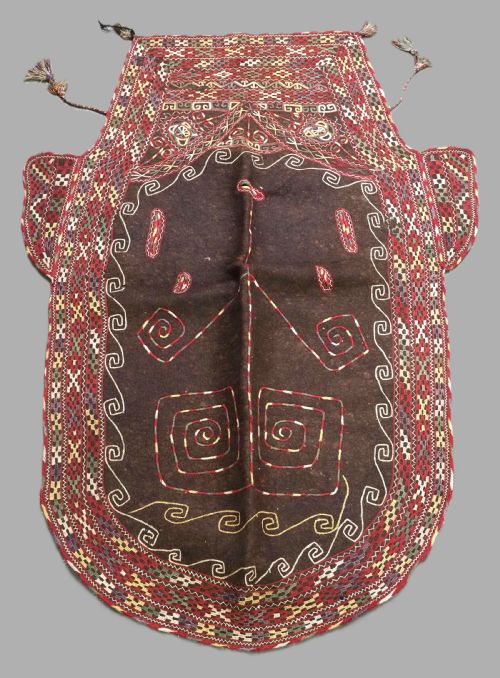
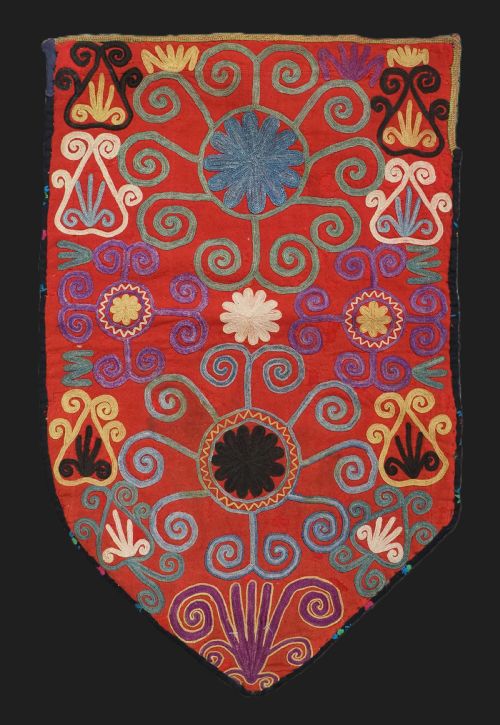
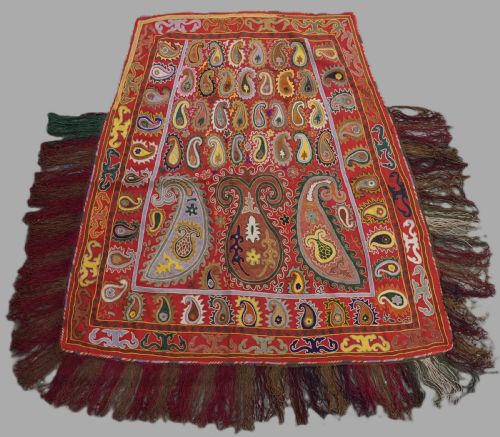
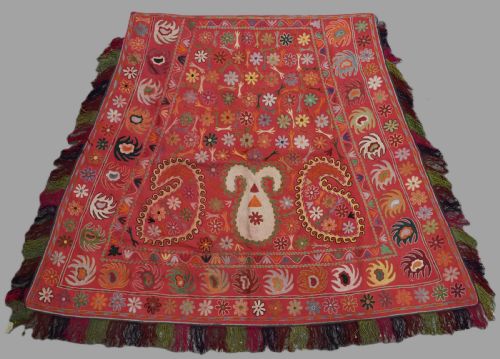
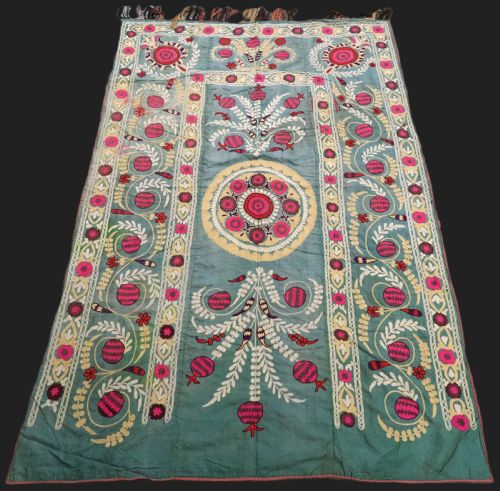
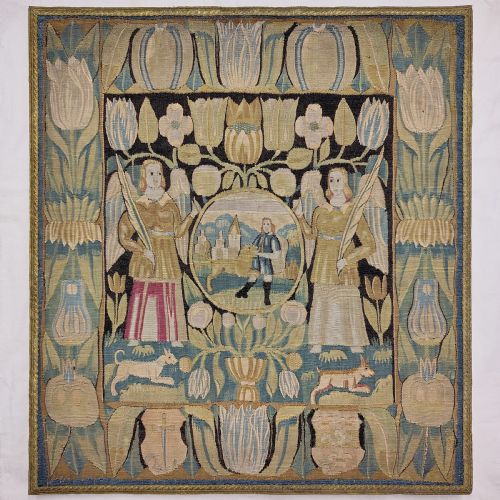
When someone searches for a vintage embroidered cover, they encounter a range of textiles spanning from the seventeenth century through the early twentieth century. The selection leans heavily towards Central Asian tribal work, including Uzbek Suzanis, Lakai horse covers, and Yomut Turkmen ceremonial pieces.
These items serve various domestic and ceremonial functions, appearing as bedspreads, wall hangings, saddle rugs, and cushion covers. Regional styles such as Persian Rasht embroideries and Anglo-Indian velvet pieces also emerge within this category.
The aesthetic is defined by distinct cultural motifs, ranging from dense floral designs on Suzanis to geometric tribal patterns on horse blankets and kilims.
Assessing quality and execution
Quality rests upon the density of the needlework and the complexity of the design. Fully embroidered surfaces require substantial time and skill compared to spaced floral motifs.
The vibrancy and preservation of the materials dictate the standing of a piece. Well-maintained silk threads on intact felt or cotton grounds represent the higher tier of these textiles.
Several pieces were designed specifically to dress a horse for a wedding procession.
The Vintage Embroidered Cover Glossary
- Suzani
- A traditional embroidered tribal textile from Central Asia, typically made with silk thread on a cotton or linen ground. These large panels often feature bold floral patterns.
- Appliqué
- A needlework technique where pieces of fabric are sewn onto a larger ground material to form a design. This method appears frequently in Persian Rasht works.
- Uut kap
- A type of storage bag or trapping produced by Central Asian tribes, utilising specialised embroidery. These pieces form part of traditional nomadic furnishings.
- Palak
- A specific variety of Suzani where the ground fabric is entirely covered in embroidery. This dense needlework creates a heavy, rich surface texture.
Vintage Embroidered Cover: Frequently Asked Questions
How were these embroidered covers used originally?
These textiles served multiple purposes in nomadic and settled households across Central Asia and Persia. Many functioned as ceremonial items for weddings, acting as bed covers or horse trappings during processions.
Other examples were made for daily domestic life as wall hangings, floor rugs, or furniture covers, bringing warmth and decoration to living spaces.
How do I care for a vintage embroidered textile?
Protect these fragile antique pieces from direct sunlight to prevent the silk and cotton threads from fading. Keep them away from high humidity and sources of heat.
Display wall hangings using professional mounting methods that distribute the weight evenly rather than pulling on a single edge. Vacuum very gently through a mesh screen if cleaning is necessary.
What is the difference between a Suzani and a horse cover?
A Suzani is typically a large domestic panel designed for household use, such as a bed cover or wall hanging, featuring botanical and floral motifs. They are usually worked in silk on a cotton or linen foundation.
Horse covers and saddle rugs are specialised ceremonial trappings made by tribal groups like the Lakai and Yomut Turkmen. They often utilise wool, felt, and silk appliqué with distinct geometric or protective symbols.
How can I tell the region of origin?
Regional identity is revealed through the choice of materials, ground fabrics, and specific embroidery stitches. Uzbek Suzanis often display large sunburst and floral medallions on cotton.
Persian Rasht works are distinguished by intricate silk chain-stitch embroidery on red felt grounds, while Turkmen pieces rely heavily on dark wool felt and distinct tribal motifs.