


Cream Silk Textile
A cream silk textile holds centuries of artistry, offering a tactile window into global needlework, court costume, and domestic craft.
Cream Silk Textile
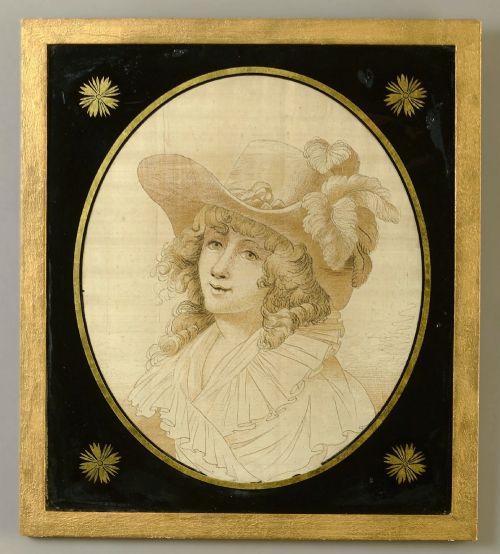
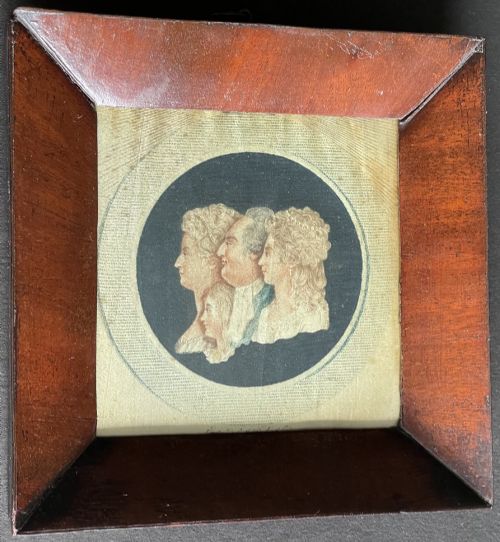
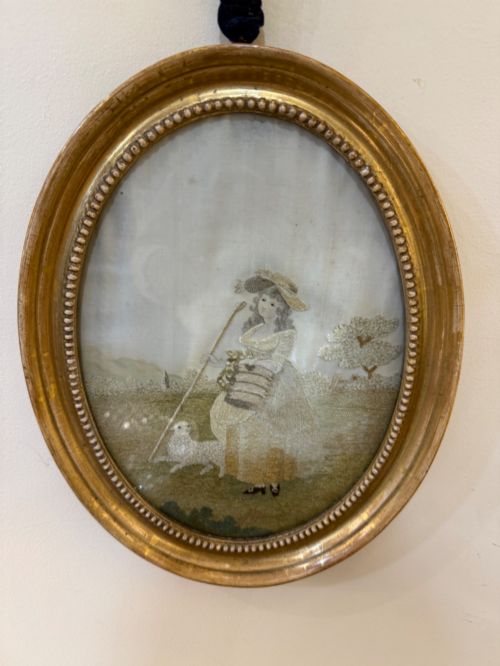
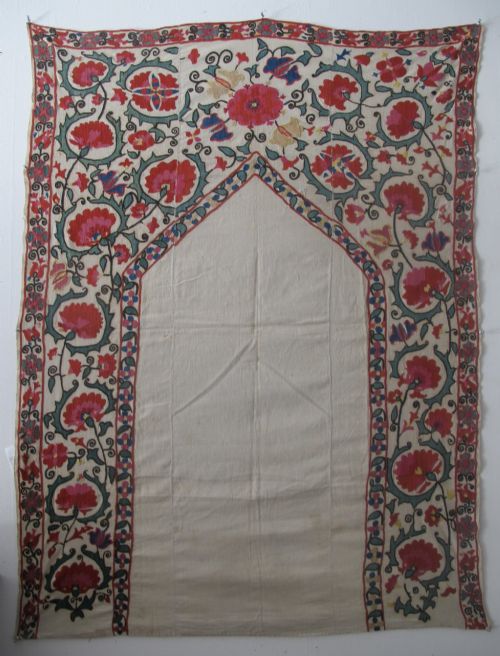
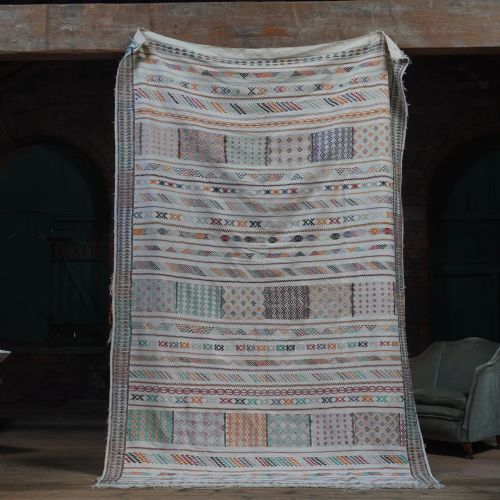
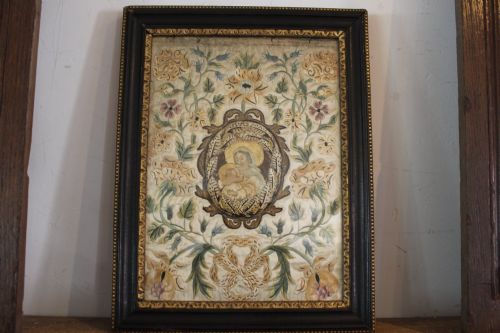
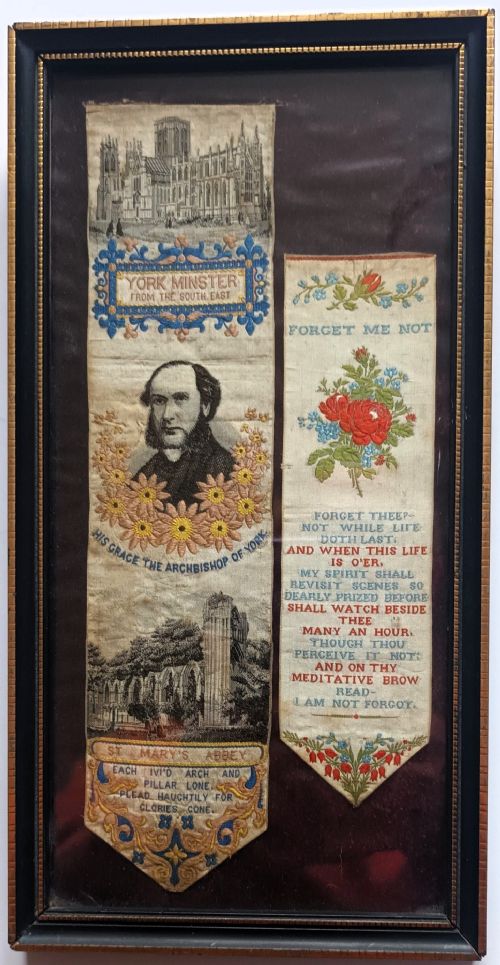
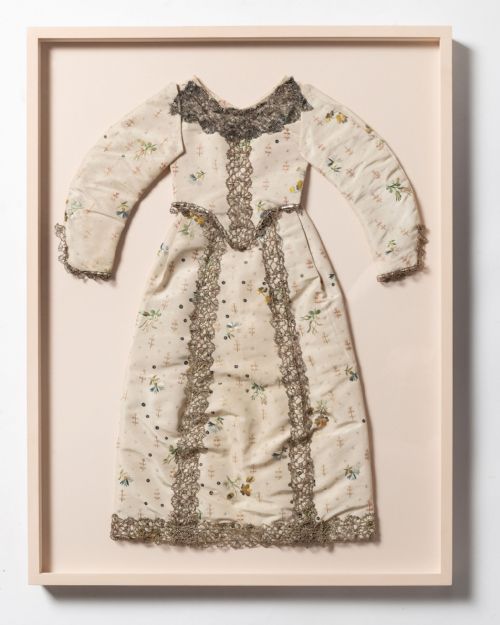
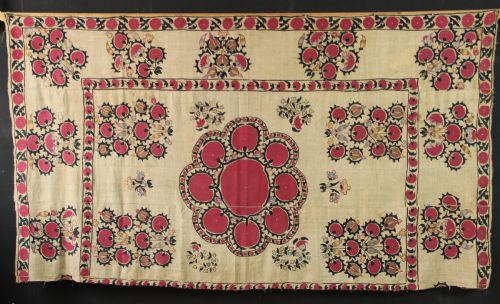
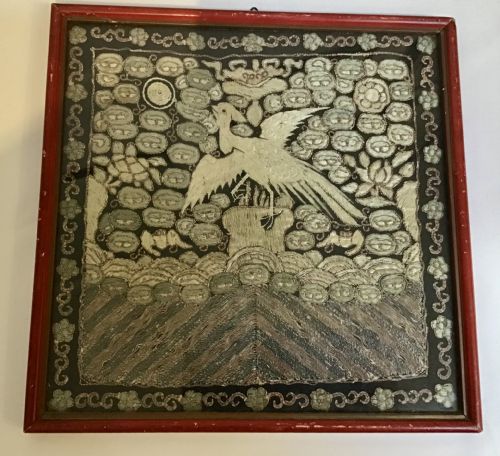
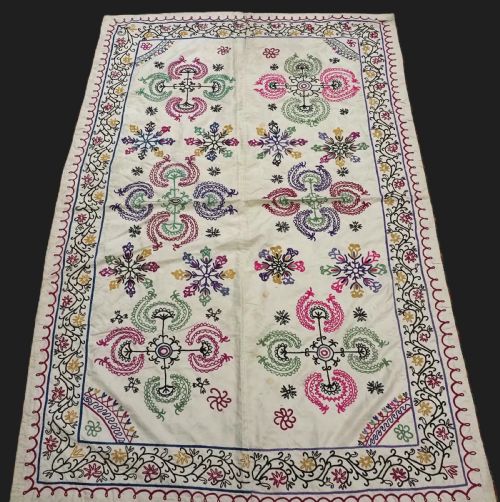
A cream silk textile encompasses varied historical forms, ranging from framed portraits and embroidered panels to Central Asian wall hangings and ceremonial garments. When searching for a cream silk textile, buyers encounter diverse origins, including English samplers, Ottoman scarves, Chinese rank badges, and Uzbek suzanis.
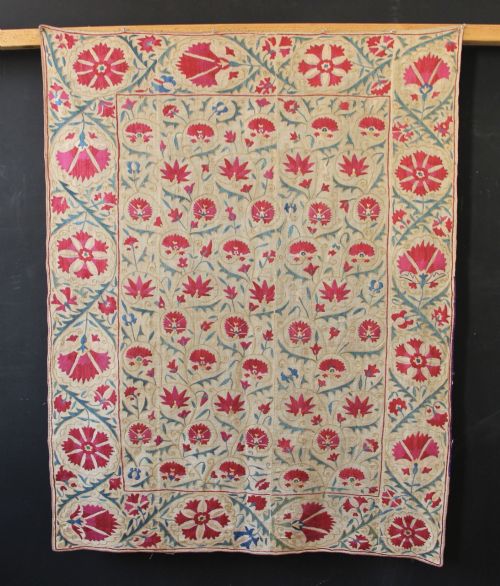
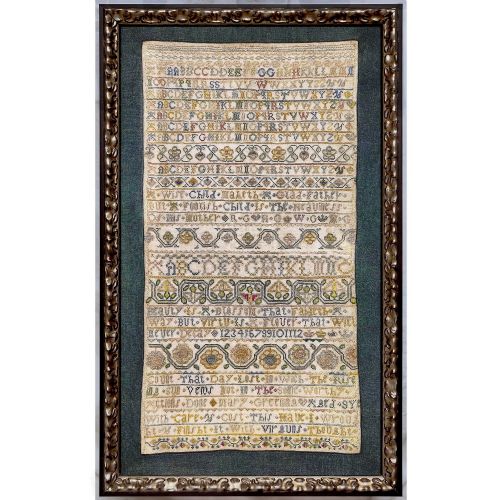
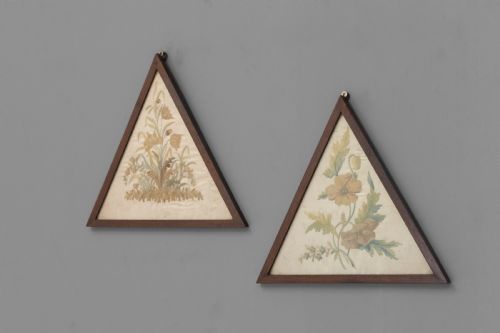
The most common examples on this page are Central Asian suzanis and English needlework samplers, often mounted or framed for display. These pieces reflect distinct regional aesthetics, utilising silk foundations or embroidery threads upon neutral backgrounds.
Periods represented stretch from the late seventeenth century through the Georgian and Victorian eras up to the early twentieth century. Each piece carries the distinct hand of its maker, whether worked in a domestic English parlor or an urban workshop abroad.
Materials and construction
These pieces rely fundamentally on silk grounds or silk embroidery threads, frequently combined with cotton, linen, wool, or metallic thread for added texture and contrast. Artisans worked by hand, utilising needlework, lampas weaving, or block printing to achieve intricate patterns.
Support materials such as giltwood frames, glass, and wooden mounts often accompany textile art to preserve delicate fibres. Construction methods vary from geometric cross-stitch and band samplers to dense floral suzani embroidery and woven rank badges.
Materials documented across the inventory include giltwood, metallic thread, cotton, and linen alongside silk.
Markers of distinction
Quality rests upon the precision of the needlework, the complexity of the design, and the integrity of the silk fibres. Tightly executed stitches and sophisticated colour blending separate ambitious workshop output from simpler domestic attempts.
Condition and completeness heavily influence desirability, particularly for textiles exposed to light and handling over centuries. Original mounting, intact metallic threads, and well-preserved borders distinguish superior survivals from heavily restored fragments.
Stevens of Coventry·Iida Takashimaya Company
The Cream Silk Textile Glossary
- Suzani
- A large, embroidered Central Asian wall hanging traditionally worked in silk on a cotton or linen foundation. These decorative textiles often feature bold floral motifs and geometric arrangements.
- Lampas
- A complex woven textile technique featuring a pattern-weft supported by a ground weave. This method produced luxurious patterned silks popular in European fashion and furnishing.
- Sampler
- A piece of needlework produced to demonstrate a maker's proficiency in various stitches and alphabets. Georgian and Victorian examples frequently incorporate maps, verses, and familial genealogies.
- Rank badge
- A square embroidered patch worn on Chinese official robes to denote civil or military status. These items display detailed avian or mammalian iconography worked in fine silk and metallic threads.
- Tülbent
- A lightweight traditional Ottoman scarf or headcovering. They often incorporate delicate gold embroidery upon fine silk fabrics.
Cream Silk Textile: Frequently Asked Questions
What is a suzani?
A suzani is a large embroidered textile originating from Central Asia, traditionally created as part of a bride's dowry.
These pieces feature vibrant silk embroidery on neutral grounds, displaying motifs like vines, pomegranates, and architectural elements.
How are antique textiles framed?
Framing historic textiles requires conservation-grade materials to prevent acid damage and physical stress to the delicate fibres.
Pieces are typically stitched to a padded, acid-free backing board and placed behind UV-filtering glass to limit fading.
What is a needlework sampler?
A needlework sampler is a historic piece created by embroiderers to practice stitches, alphabets, and pictorial designs.
Earlier examples focus on bands of geometric patterns, while later Georgian and Victorian pieces often depict maps, houses, and moral verses.
How do I care for silk textiles?
Silk textiles require protection from direct sunlight, high humidity, and rapid temperature fluctuations to prevent fibre degradation.
Displaying pieces away from windows and utilising professional mounting techniques ensures long-term preservation.