
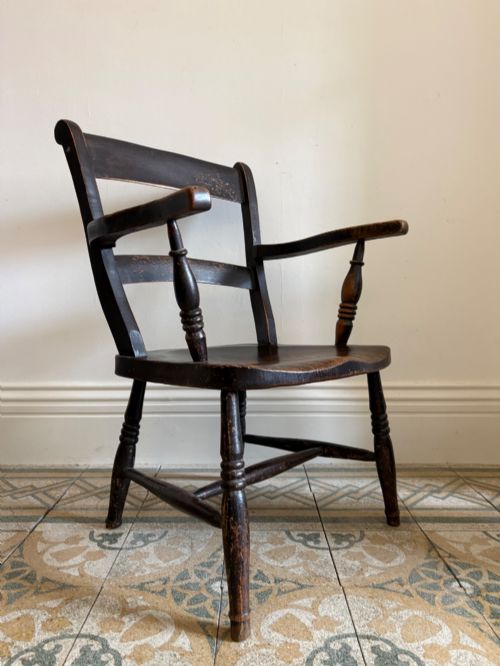
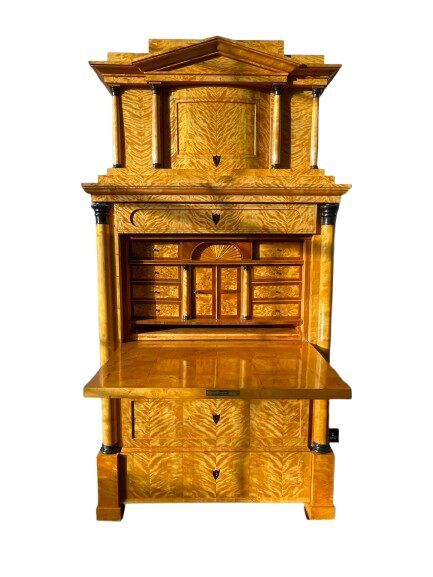
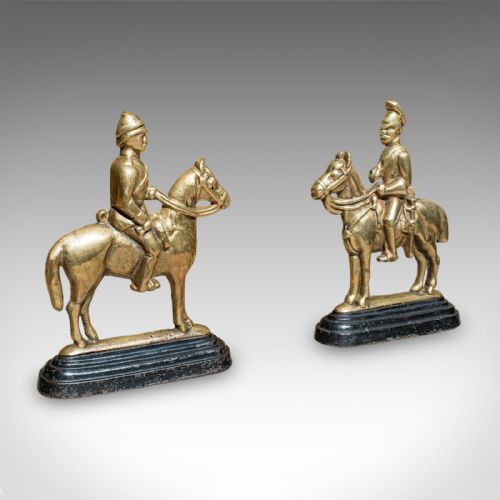
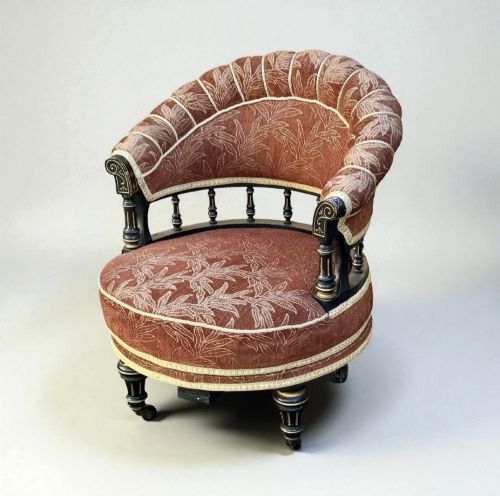
Vintage Ebonised Desk
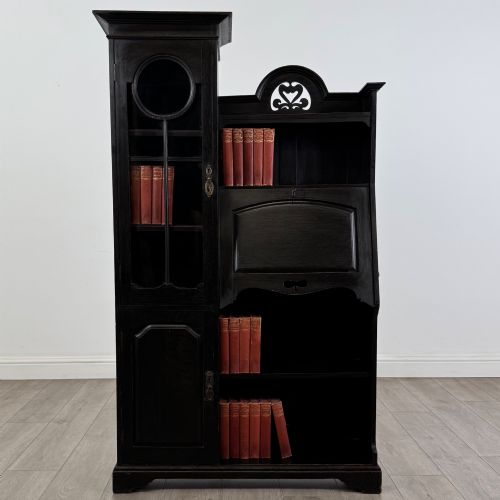
A vintage ebonised desk delivers a dark, dramatic surface for writing, uniting the rich tones of stained timber with period craftsmanship.
Vintage Ebonised Desk
A vintage ebonised desk brings together writing furniture finished in dark or black tones from various historical periods. When searching for this phrase, buyers encounter examples originating from the nineteenth century, the Victorian era, the Edwardian period, and the early twentieth century.
The selection ranges from kneehole pedestal forms and writing tables to bureau variants and pedestal desks. Alongside traditional mahogany and oak, pieces incorporate materials such as leather, brass, and burr walnut, reflecting styles from Regency to Aesthetic movement and Empire revival.
Makers and manufacturers varied across regions, producing both utilitarian writing surfaces and highly decorative library furniture. Each piece demonstrates the specific structural priorities of its decade of origin, from robust Victorian proportions to lighter Edwardian framing.
Materials and construction
Construction relies primarily on hardwoods like mahogany, oak, and ash, often treated with dark finishes to mimic costly ebony. Workshops applied specialised stencilling and polishing techniques to achieve a smooth, uniform surface on the timber.
Secondary elements include brass handles, leather insert writing pads, and glass components. Joinery methods matched the period of manufacture, utilising traditional dovetailed drawers and sturdy internal framing to support daily use.
Listings feature ebonised wood alongside brass, leather, and burr walnut across the Victorian and Edwardian periods.
Assessing quality
Quality rests upon the integrity of the timber framing and the depth of the ebonised finish. Superior examples maintain original surface patination, sound structural joinery, and well-preserved decorative details such as stencilling or brass mounts.
The refinement of the hardware, the precision of the drawer construction, and the presence of original components like leather inserts separate ordinary utility pieces from finer salon or library desks.
Walker and Hall·Callaghan and Co of London·Chandy Charan and Co of Calcutta·J. Forest
The Vintage Ebonised Desk Glossary
- Ebonised
- Wood treated with stain or paint to resemble solid ebony. This dark finish gained popularity during the nineteenth century for furniture and decorative objects.
- Kneehole desk
- A writing table featuring a central recess for the legs, flanked by pedestals of drawers. This form became standard for nineteenth-century studies.
- Pedestal desk
- A heavy writing desk supported by two upright stacks of drawers resting on the floor. These provide substantial storage capacity.
- Aesthetic movement
- A late nineteenth-century design style emphasising visual beauty over narrative subject matter. Furniture from this period often utilised ebonised surfaces.
- Empire revival
- A nineteenth and early twentieth-century neoclassical design trend drawing inspiration from ancient Roman and Greek forms. Pieces reflect formal symmetry and restrained ornamentation.
Vintage Ebonised Desk: Frequently Asked Questions
What is an ebonised desk?
An ebonised desk is a piece of writing furniture finished in a dark, black stain designed to imitate solid ebony wood.
These surfaces appeared across various historical periods, notably during the nineteenth and early twentieth centuries, on forms ranging from simple writing tables to large pedestal desks.
How do I date a vintage desk?
Dating relies on identifying the construction methods, the wood species, and the stylistic details present in the design. Examining the drawer dovetails and hardware provides clear indicators of the manufacturing era.
Comparing the overall proportions and decorative motifs against known nineteenth and early twentieth-century design styles helps narrow the period of origin.
Are these desks suitable for daily work?
These desks offer sturdy wooden construction and functional writing surfaces designed for regular use. Many include pedestals or drawers for storing stationery and documents.
Care should be taken to protect original leather inserts and ebonised finishes from moisture and heavy wear during daily office tasks.
What styles are common in ebonised furniture?
Common styles include Victorian, Edwardian, Regency, and Empire revival designs. Each style brings distinct proportions and decorative elements to the dark timber surface.
Some pieces incorporate Aesthetic movement principles, focusing on clean lines and contrasting brass or stencilled details.