





Vintage Display Plinth
A vintage display plinth elevates a bust, vase or sculpture, bringing architectural presence and height to a room.
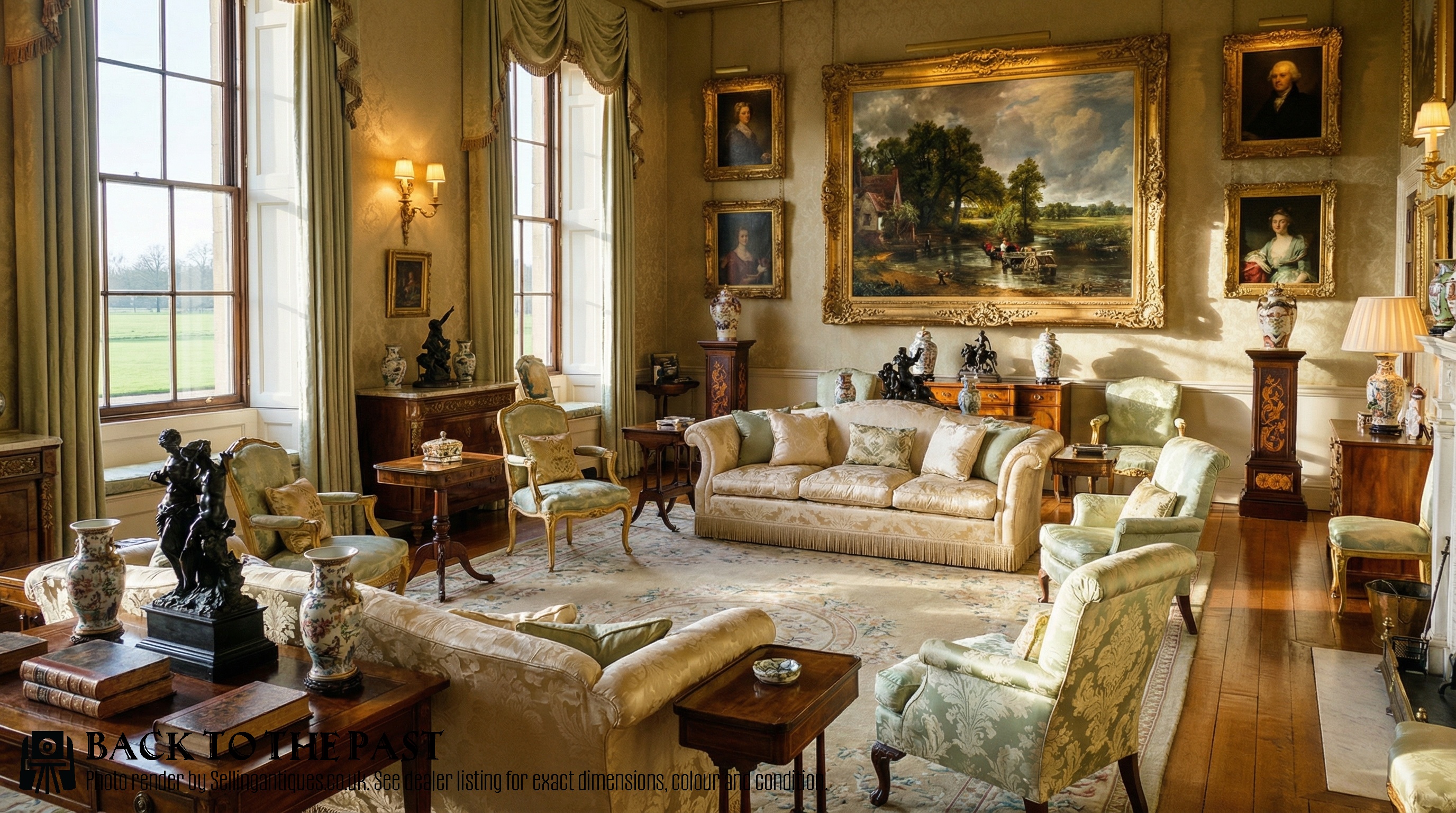
Vintage Display Plinth
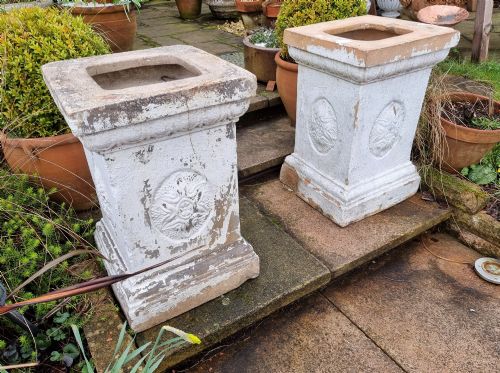
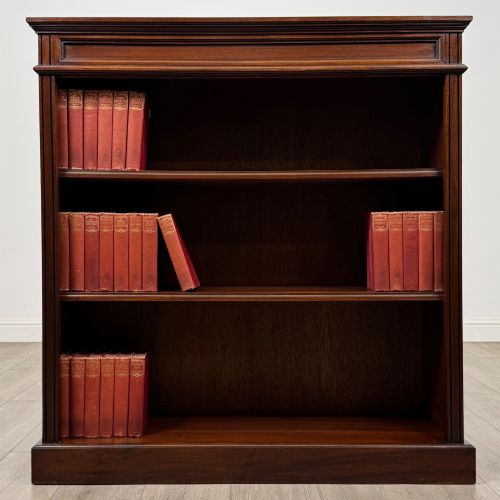
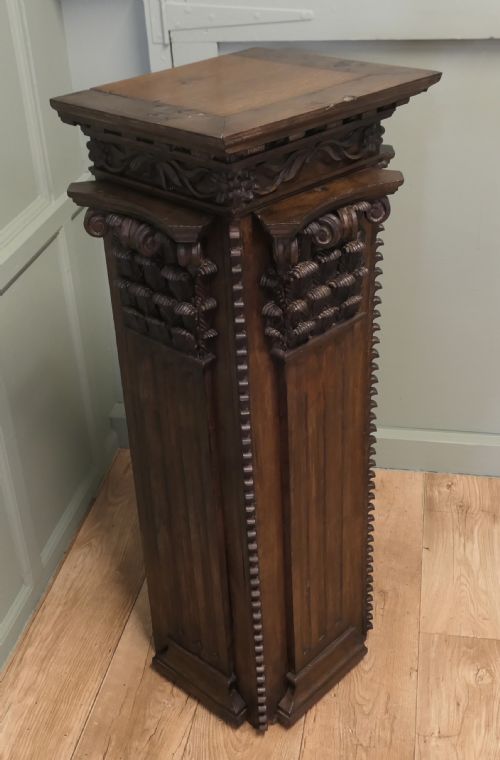
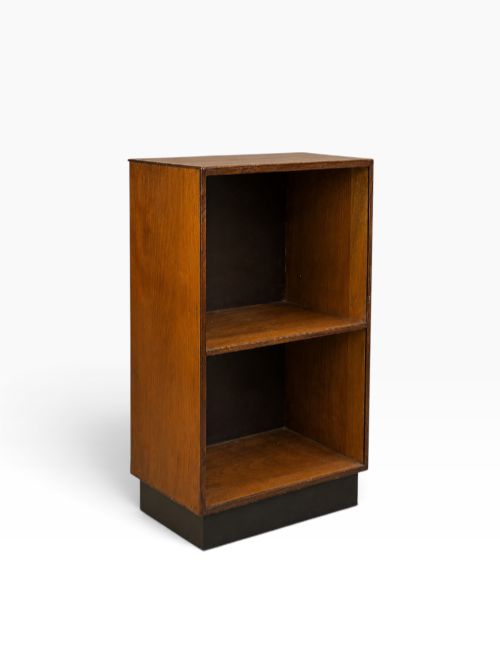
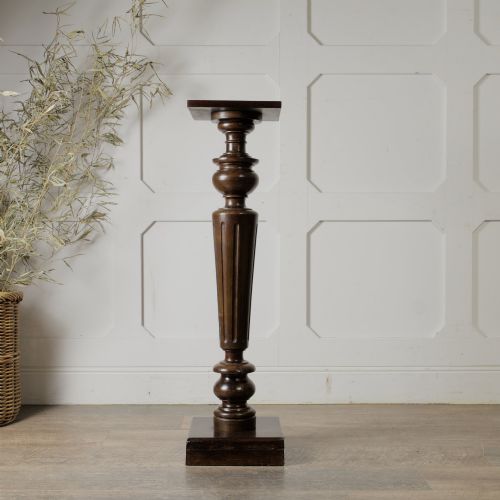
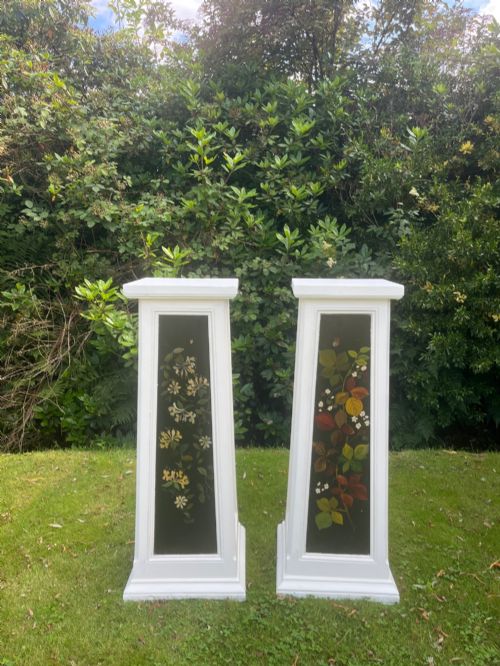
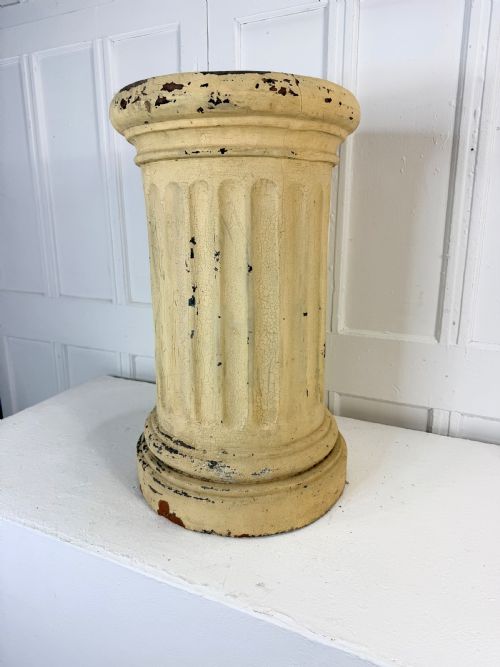
A vintage display plinth serves primarily to elevate sculpture, pottery, and decorative objects within a room. When exploring this selection, buyers frequently encounter freestanding columns, cylindrical sculpture stands, and architectural plant stands designed to draw the eye upward.
The objects span multiple periods, from nineteenth-century mahogany and carved oak examples to early twentieth-century painted plaster, marble, and terracotta creations. These pieces range from simple turned wooden stands to elaborate neoclassical revivals featuring classical capitals and stepped bases.
Materials and Construction
Maker's choice of material dictated the physical weight and visual gravity of each piece, utilising dense timbers like mahogany and oak alongside heavy natural stones such as marble, alabaster, and onyx. Artisans also employed terracotta, stoneware, and painted plaster, often applying faux finishes to mimic more expensive stones.
Joinery and surface decoration reveal the hand of the maker through turned wooden columns, carved ornamentation, and gilt details. Structural stability remained paramount, particularly for stone and terracotta columns supporting heavy statuary.
Listings feature materials spanning solid mahogany, variegated marble, terracotta, alabaster, brass, and painted plaster across the nineteenth and early twentieth centuries.
Evaluating Selection and Execution
The distinction between standard utility stands and finer decorative examples rests upon the ambition of the design and the integrity of the materials. Solid mahogany, variegated marble, and finely carved alabaster represent a higher order of craftsmanship than simple painted pine or basic plaster.
Proportion and surface finish dictate visual success, where crisp architectural detailing in neoclassical motifs or well-preserved painted patination elevates the piece from a functional support to a focal point.
Dunfermline Clay Company·Marguerite
The Vintage Display Plinth Glossary
- Capital
- The topmost member of a column or pedestal, often decorated with carved foliage or classical motifs. It mediates between the vertical shaft and the load-bearing surface above.
- Plinth
- The heavy square slab beneath the base of a column, statue, or pedestal. It provides a stable foundation on the floor.
- Torchere
- A tall ornamental stand originally designed to hold a candle or torch. Later iterations function as elevated display surfaces for vases and small sculptures.
- Neoclassical
- A style drawing inspiration from the classical art and architecture of ancient Greece and Rome. Pieces in this idiom frequently feature symmetrical columns, urn motifs, and clean architectural lines.
- Turned
- Shaped on a woodturner's lathe by rotating the material against cutting tools. This technique produces symmetrical, rounded profiles on wooden columns and pillars.
Vintage Display Plinth: Frequently Asked Questions
What fits on a display plinth?
These elevated stands accommodate a wide array of decorative objects, including bronze sculptures, marble busts, ceramic vases, and potted plants. Selecting the right surface area ensures the displayed item balances securely atop the column.
Heavier items require solid stone or dense hardwood structures, while lighter plaster or terracotta stands suit delicate bronzes and glassware.
How do I choose the right height?
Height selection depends on the intended viewing angle and the room's proportions. Taller columns raise smaller objects to eye level, whereas shorter plinths suit larger statement sculptures.
Matching the height of neighbouring furniture creates visual harmony within an interior arrangement.
How do I identify a neoclassical style?
Neoclassical pieces draw directly from ancient Greek and Roman architectural forms. Look for columns, fluted shafts, and classical capitals reminiscent of temple architecture.
These designs often incorporate painted plaster, white marble, or dark hardwoods to emulate antique stonework.