


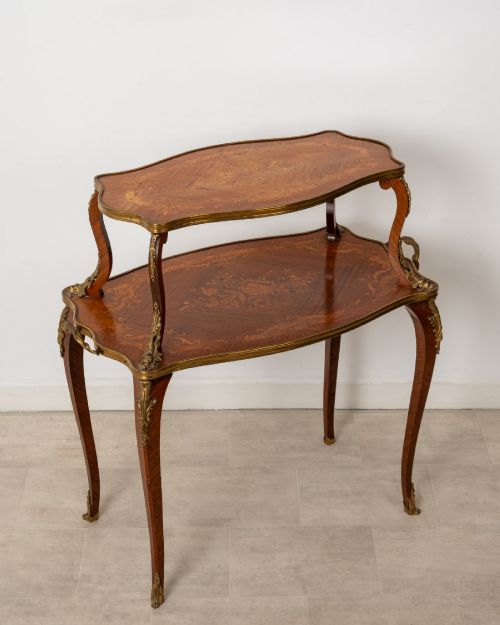
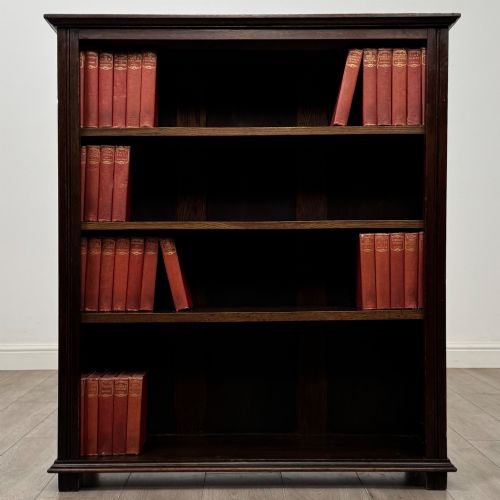
Vintage Display Furniture
Vintage display furniture brings together bookcases, cabinets, and what-nots designed to present prized possessions with style and clarity.
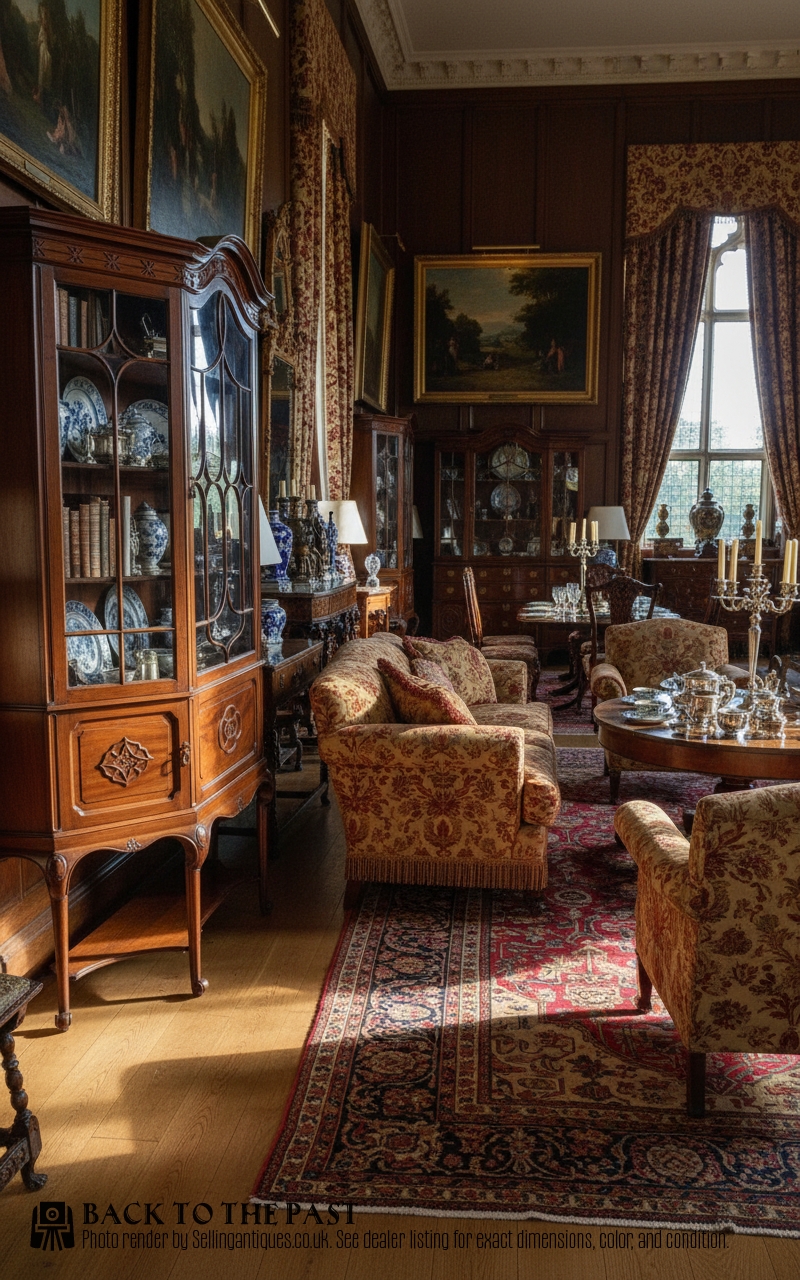
Vintage Display Furniture
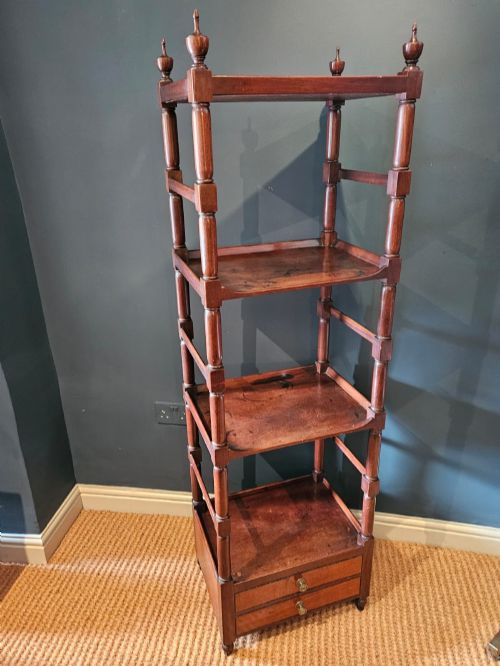
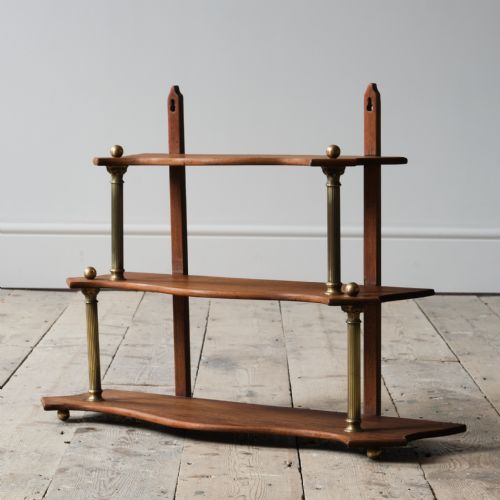
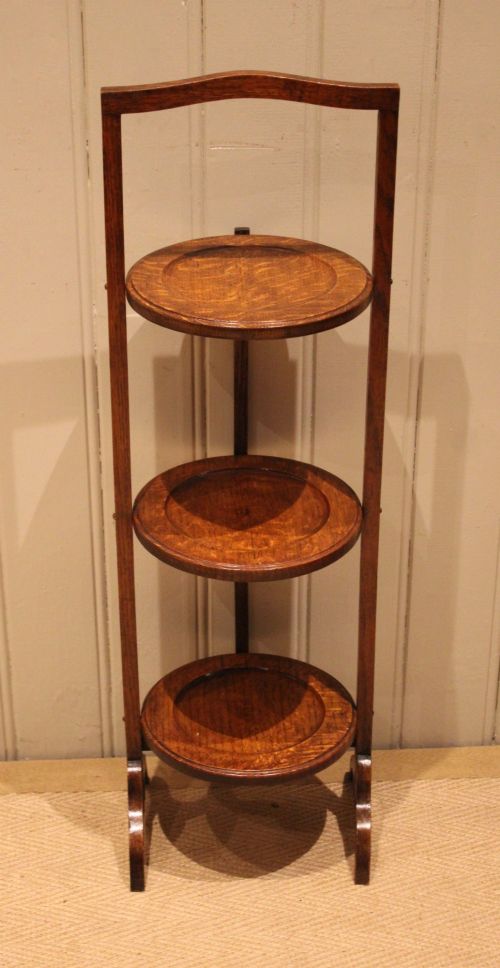
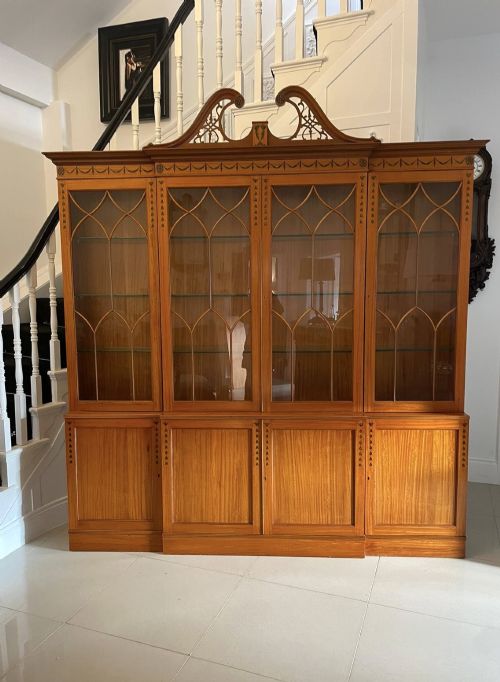
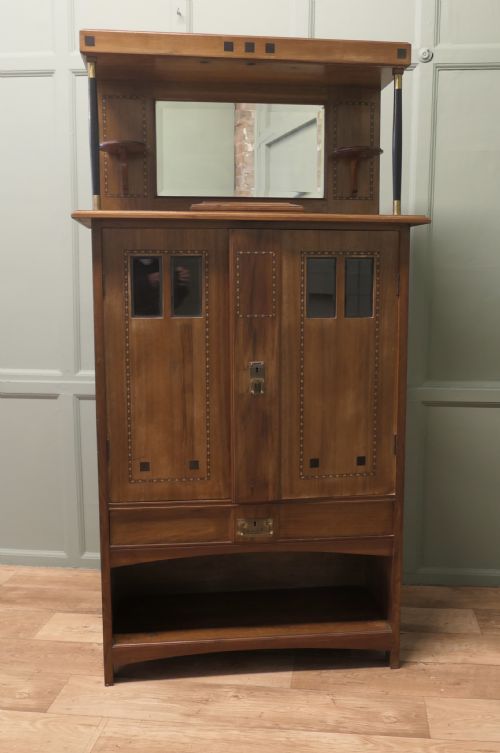
Vintage display furniture covers a diverse group of objects intended for storage and presentation, spanning bookcases, wall shelves, display cabinets, what-nots, and stands. These pieces emerge from periods such as the Victorian era, the Edwardian years, the Regency period, and the 1930s.
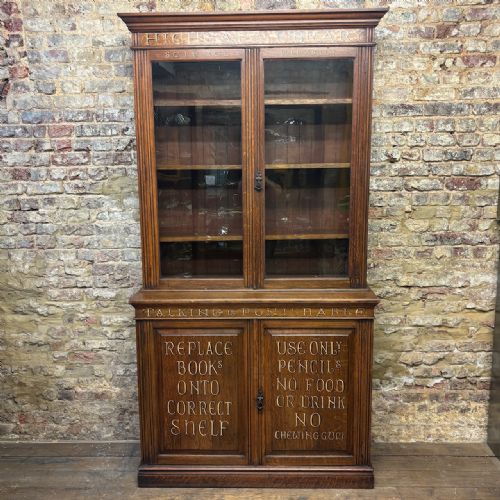
The assortment relies heavily on timber forms, ranging from towering library bookcases to modest corner cabinets and tiered étagères. Makers utilise woods like mahogany, oak, walnut, and satinwood to construct these functional items.
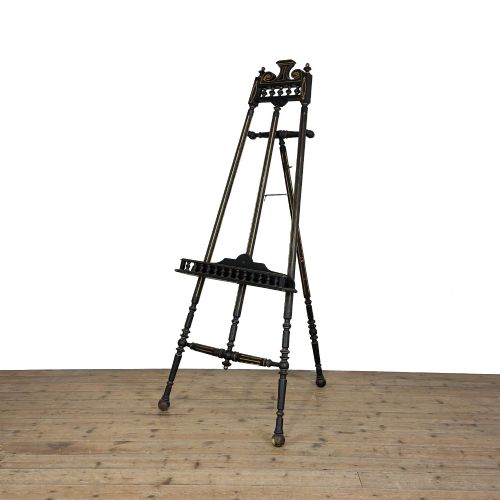
The selection reflects varied stylistic influences, incorporating Georgian, William IV, Arts and Crafts, Art Deco, and French revival designs. Buyers encounter everything from floor-standing easels to delicate plant stands.
Materials and Technique
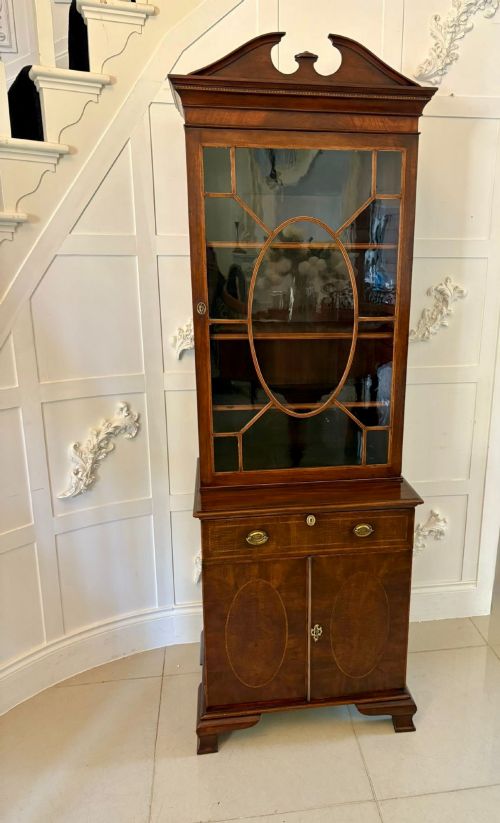
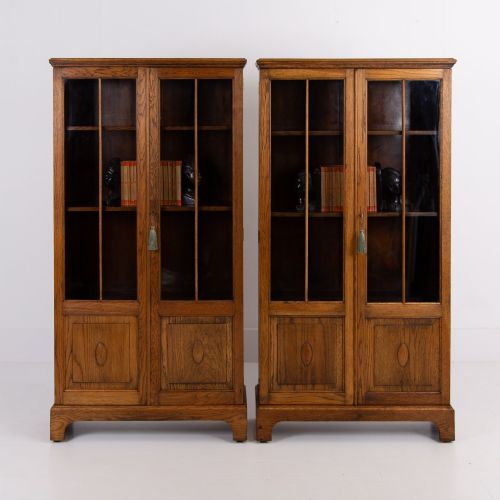
Construction rests upon hardwoods such as mahogany, oak, walnut, rosewood, and satinwood, often enhanced by brass hardware and glass panels. Joinery techniques shape sturdy bookcases, display cabinets, and corner cupboards designed to bear weight while exhibiting fine grain.
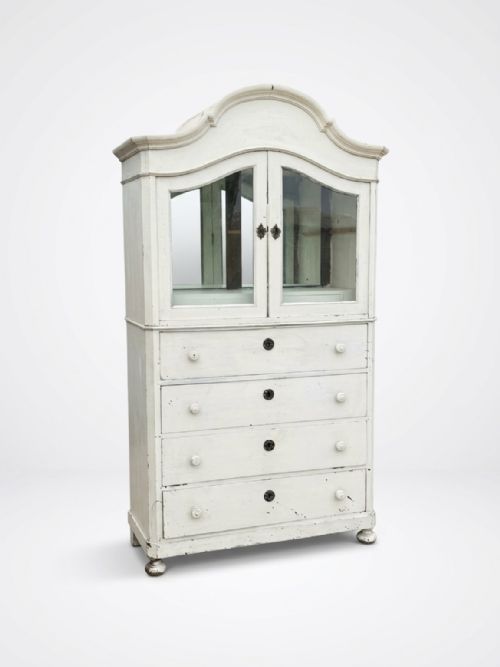
Surface treatments include astral glazing, painted decoration, marquetry, ebonising, and polished finishes. Makers apply these methods to highlight the natural qualities of timber and to ornament étagères, wall shelves, and vitrines.
Object types range from tall library bookcases to delicate corner cabinets and bamboo occasional tables.
Judging Construction and Finish
The standard of a piece depends on the selection of timber, the precision of the joinery, and the integrity of original decorative details like painted work or marquetry. Superior examples display careful matching of wood veneers and robust structural frames.
Dubois of Lyon
The Vintage Display Furniture Glossary
- Étagère
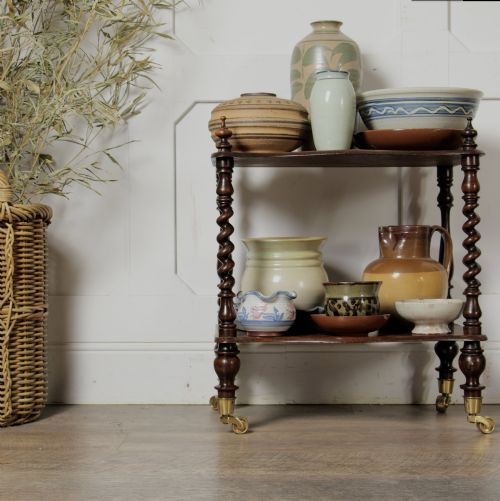
- A set of open shelves for displaying small objects, typically with multiple tiers supported by slender columns.
- Vitrine
- A glass-fronted cabinet designed specifically for the display of porcelain, curiosities, or fine books.
- What-not
- A multi-tiered stand or open shelving unit used for ornaments and books in Victorian and earlier interiors.
- Astral glazing
- A network of slender wooden or metal bars dividing a glass door or window into smaller panes.
- Marquetry
- The art and craft of applying pieces of veneer to a structure to form decorative patterns and pictures.
Vintage Display Furniture: Frequently Asked Questions
What counts as vintage display furniture?
Vintage display furniture includes items built to showcase objects, books, or plants, ranging from bookcases and wall shelves to cabinets, what-nots, and stands.
These pieces originate from periods spanning the Regency era through the 1930s, utilising materials like mahogany, oak, walnut, and glass.
How were these cabinets used?
Cabinets and bookcases housed treasured volumes, porcelain collections, and personal trinkets, protecting them behind glass doors while keeping them visible.
Open pieces like what-nots and étagères held decorative objects within easy reach in drawing rooms and parlours.
How do I identify the period?
Periods reveal themselves through characteristic forms, decorative styles, and timber choices, such as heavy mahogany in the Victorian era or geometric lines in Art Deco pieces.
Details like barley twist supports, painted decorations, and brass hardware help connect an item to its era of manufacture.
Where do I place a display piece?
Display cabinets and bookcases suit living rooms, studies, and dining areas where they can anchor a wall and house collections securely.
Smaller items like plant stands, wall shelves, and corner cabinets fit into tighter spaces while adding vertical storage and display surface.