
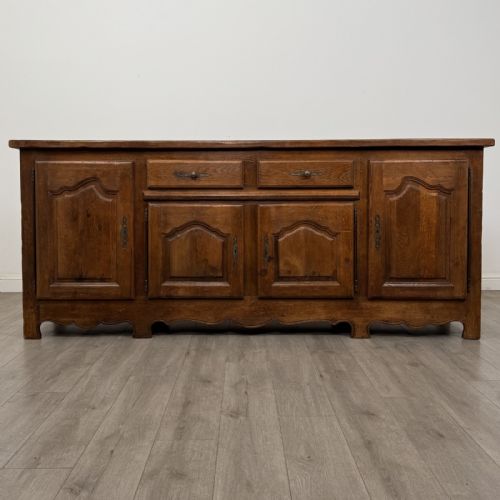
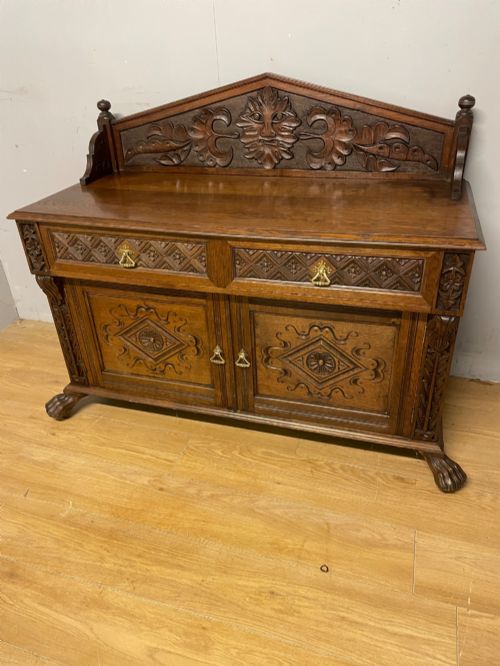
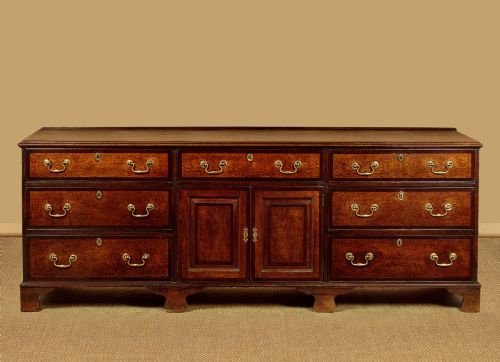
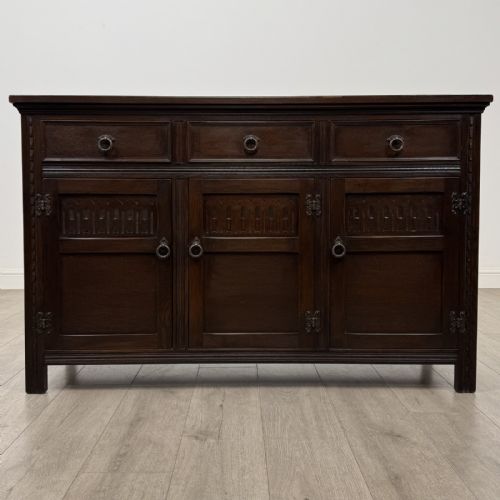
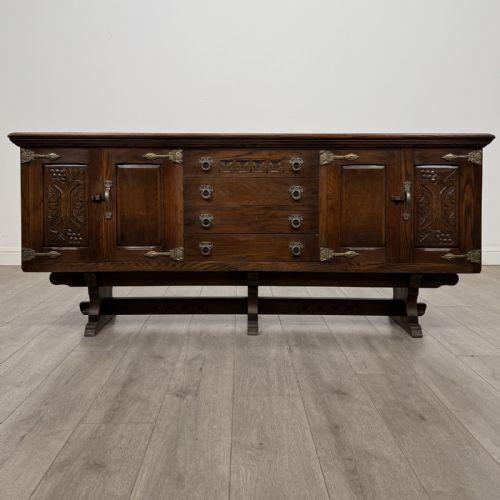
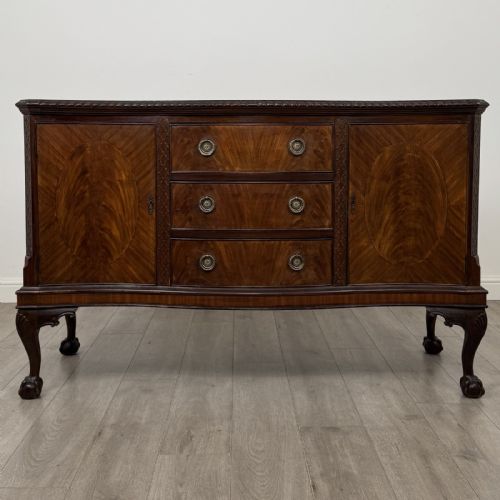
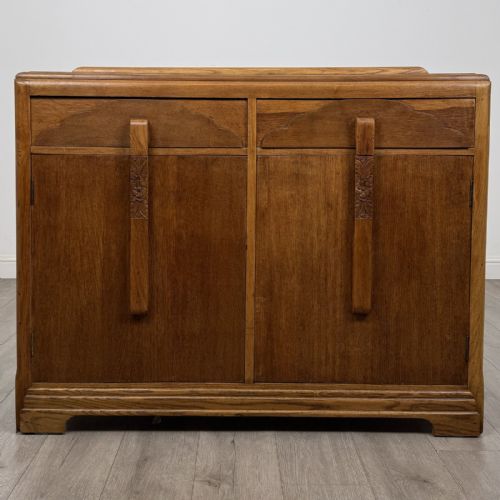
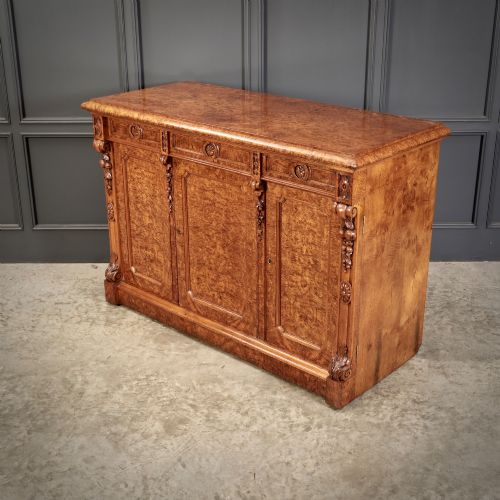
Vintage Dining Credenza
A vintage dining credenza brings substantial presence to a room, offering surface space and concealed storage shaped by decades of craftsmanship.
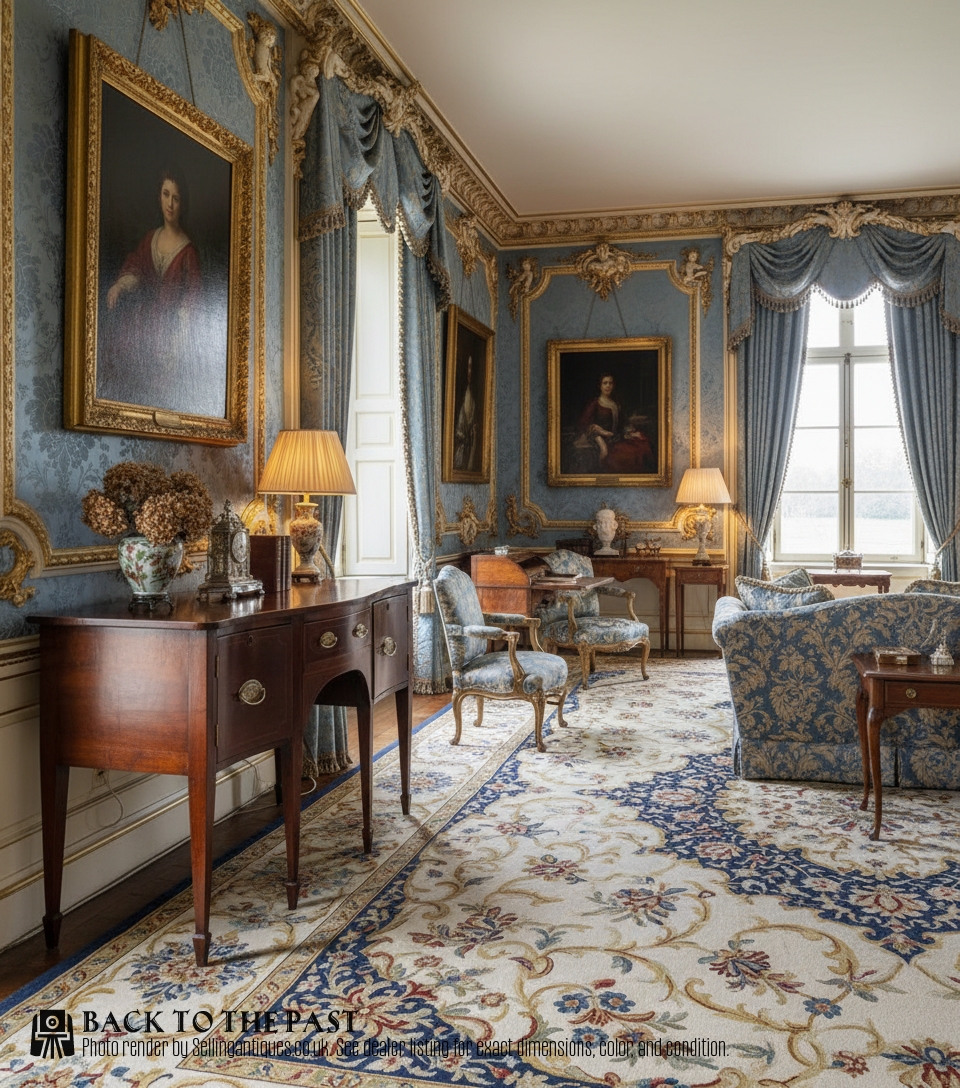
Vintage Dining Credenza
When you search for a vintage dining credenza, you encounter a variety of substantial storage furniture historically used for serving food and displaying silver. The examples found here span multiple decades and stylistic revivals, reaching back through the twentieth century into Victorian and Georgian periods.
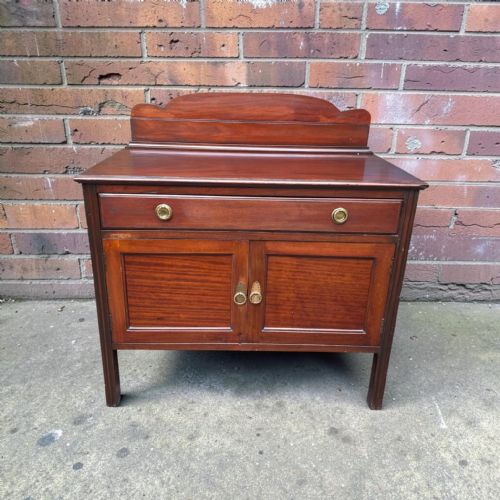
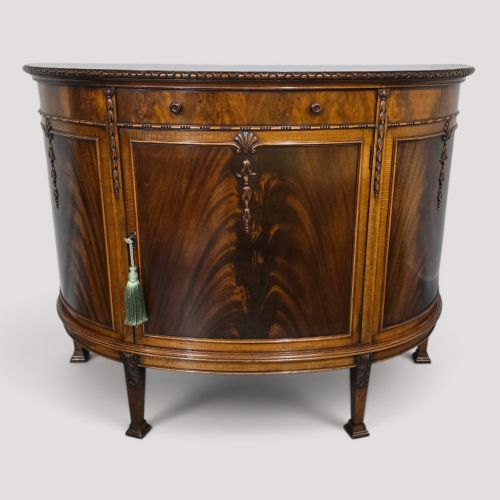
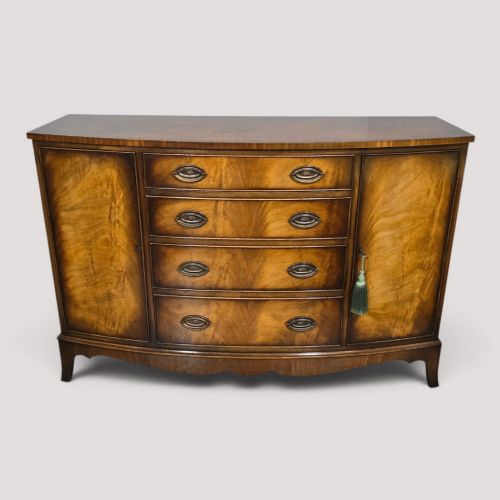
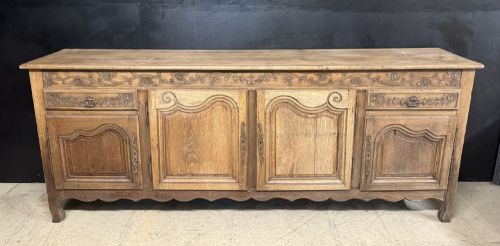
The forms on this page include sideboards, side cabinets, chiffoniers, and pedestal sideboards alongside designated credenzas. Mahogany, oak, and burr walnut dominate the structural designs, appearing in both rectilinear formats and curved serpentine or bow-front profiles.
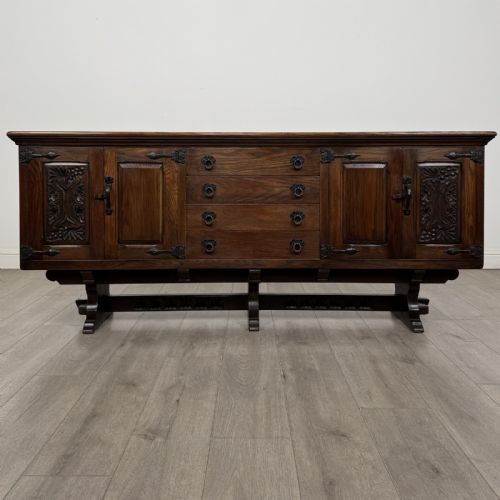
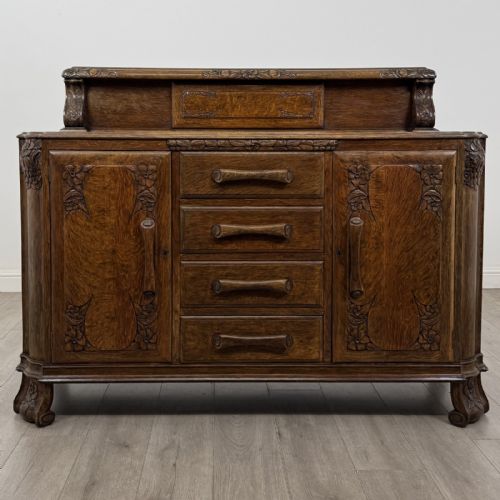
Buyers meet pieces ranging from heavy carved oak items of the Edwardian era to sleek geometric Art Deco creations from nineteen-thirty. Each piece fulfils the practical requirement of dining room storage while carrying the distinct decorative vocabulary of its decade of origin.
Materials and construction
Cabinetmakers utilised dense timbers like mahogany, oak, and walnut as structural carcasses, often applying figured veneers such as burr walnut and sycamore to primary display surfaces. Solid brass handles, hinges, and occasional lion paw feet provide functional and decorative accents.
Construction methods combine traditional joinery with period specific decorative techniques, including flame mahogany grain matching and intricate satinwood inlay. Glass panels and marble tops appear on specific server formats, adding texture and reflective surface areas to the heavy wooden frames.
The listings on this page span several decades, moving from Georgian and Regency forms through Victorian revival styles to nineteen-thirty Art Deco designs.
Evaluating the standard
The degree of refinement in timber selection marks the distinction between standard production items and exceptional examples. Fine pieces display matched grain patterns across drawer fronts and doors, whereas simpler builds rely on plain timber planks.
Carved details and inlay work also indicate the level of craftsmanship invested in the object. Crisp execution of Edwardian oak carving or precise execution of Regency stringing separates superior specimens from straightforward utilitarian furniture.
Maurice Adams·Gomme·Hille
The Vintage Dining Credenza Glossary
- Serpentine front
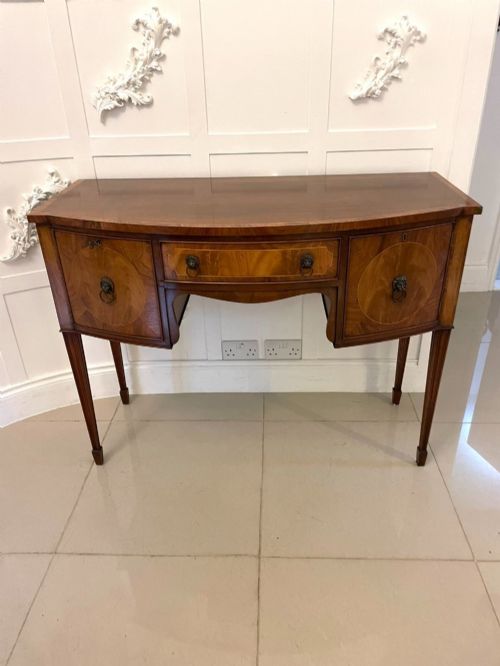
- A furniture front curving outward in the centre and inward toward the ends, creating a wave-like profile that demands advanced woodworking skill. This shaping appears frequently on high-status mahogany and burr walnut servers.
- Bow front
- A convex, outwardly curved furniture facade that softens the rectangular geometry of a dining room. It gained popularity during the Georgian and Regency periods and returned in later revivals.
- Chiffonier
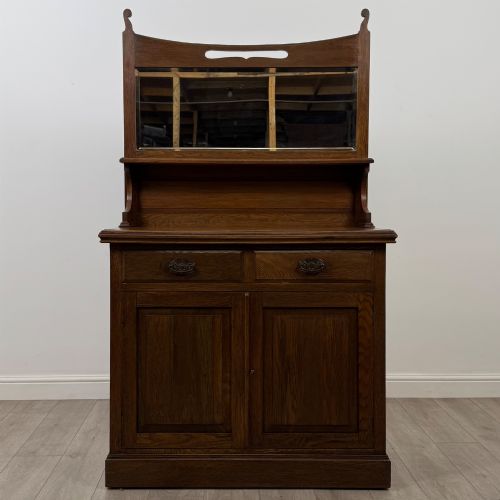
- A low sideboard or cabinet featuring a raised shelf or mirror back, designed primarily for holding dining silver and serving dishes. Victorian versions often include fabric-backed grill doors.
- Pedestal sideboard
- A monumental dining room form comprising two distinct pedestals connected by a central recess or console table. These pieces date predominantly to the Regency era.
- Burr walnut
- A highly figured timber harvested from the gnarled growths on walnut trees, prized for its swirling grain patterns. Cabinetmakers sliced this wood into thin veneers for decorative door panels.
Vintage Dining Credenza: Frequently Asked Questions
What is a vintage dining credenza?
A vintage dining credenza is a low storage unit used in dining rooms for keeping tableware, linen, and serving dishes. These pieces originate from various twentieth-century and nineteenth-century design movements.
They combine practical internal shelving and cupboards with decorative wood surfaces suitable for displaying items during meals.
How do I date a sideboard?
Dating relies on identifying the prevailing style, timber choices, and construction methods characteristic of specific decades. Edwardian oak items typically show heavy carving, while Art Deco pieces from the nineteen-thirties favour geometric simplicity and contrasting veneers.
Secondary woods and hardware styles also help pinpoint the exact era of manufacture.
Where should I place a credenza?
These pieces traditionally stand against the main dining room wall to provide easy access during meals. Their substantial depth requires careful measurement of surrounding clearance space.
Beyond dining spaces, they function effectively in large hallways and living rooms for media storage.
How do I care for walnut veneer?
Polishing walnut veneer requires soft cloths and wax formulated specifically for antique wood surfaces. Avoiding direct sunlight prevents the rich brown tones and figured grain from fading.
Keeping moisture away from the surface protects the delicate glue bonds holding the thin veneer to the carcass.