

Vintage Diamond Pendant
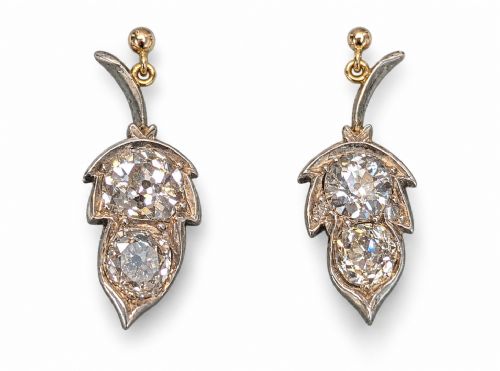
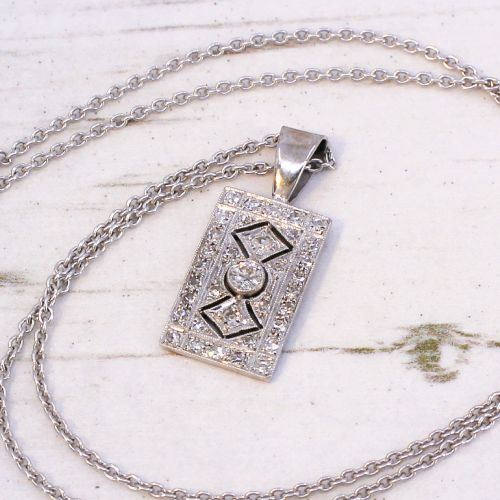
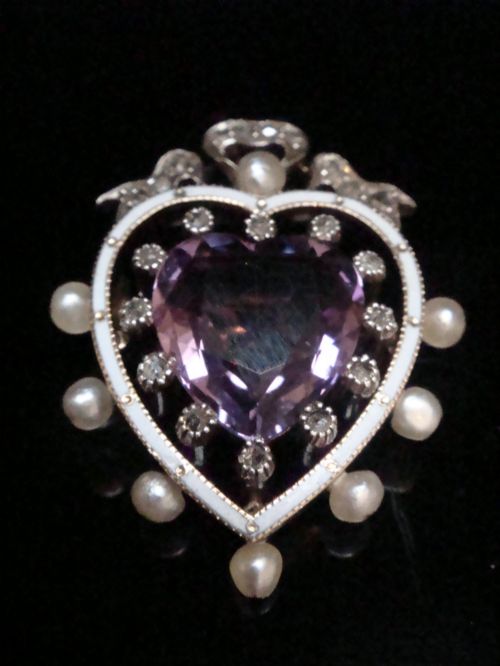
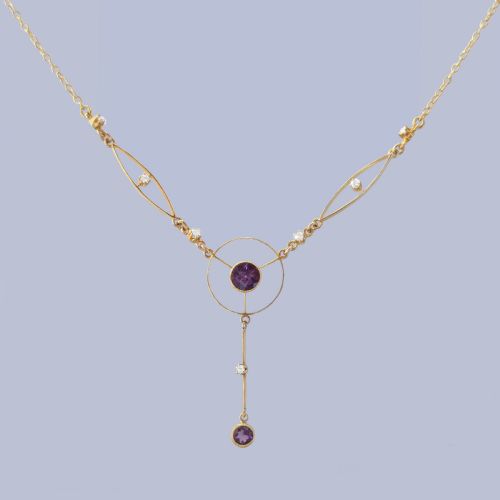
These vintage diamond pendant pieces bring together precious metals and sparkling stones from the Edwardian era through to the mid-twentieth century.
What vintage diamond pendant means
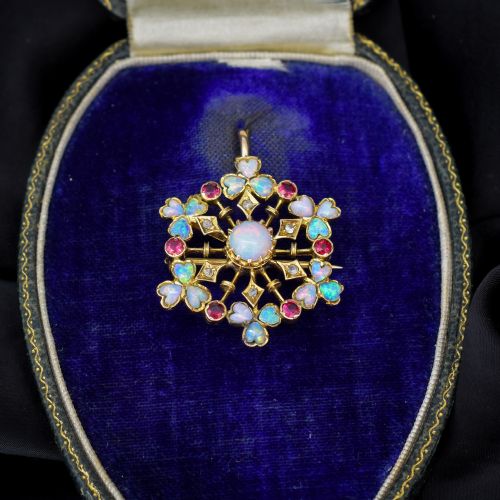
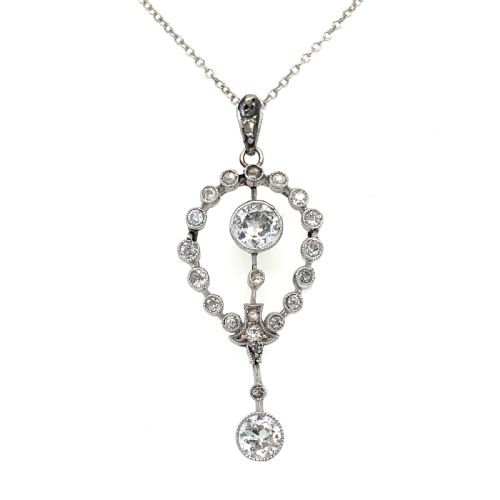
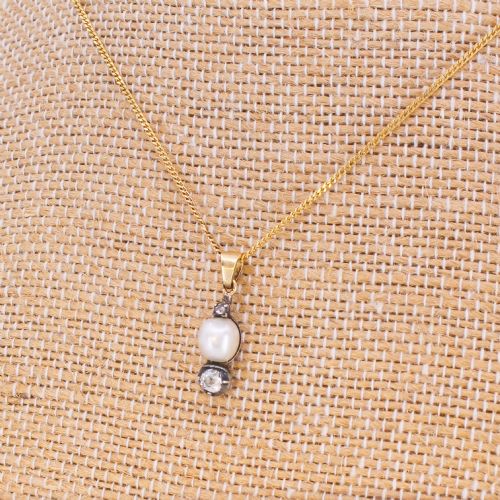
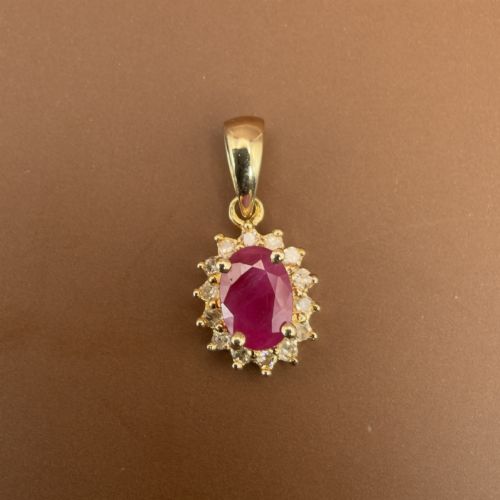
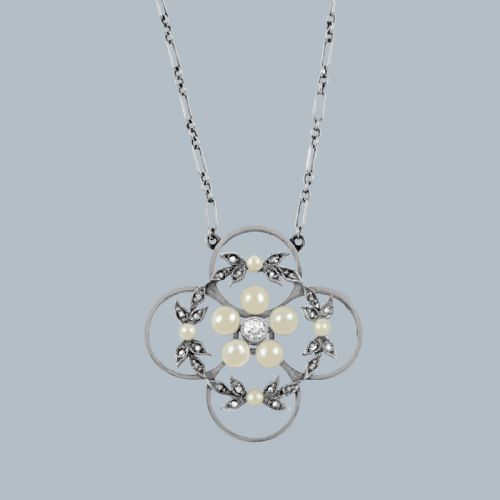
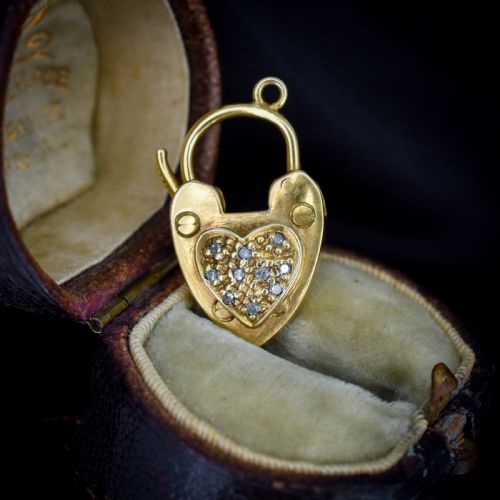
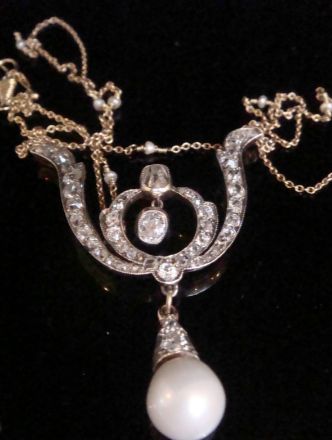
The historical scope ranges from circa 1900 natural pearl and diamond combinations to mid-century cross and heart cluster pendants. Formats vary from simple drop designs to intricate cluster arrangements incorporating coloured gems alongside the central stones. Collectors encounter diverse mountings from early silver-topped gold work to later white and yellow gold settings.
Materials and construction
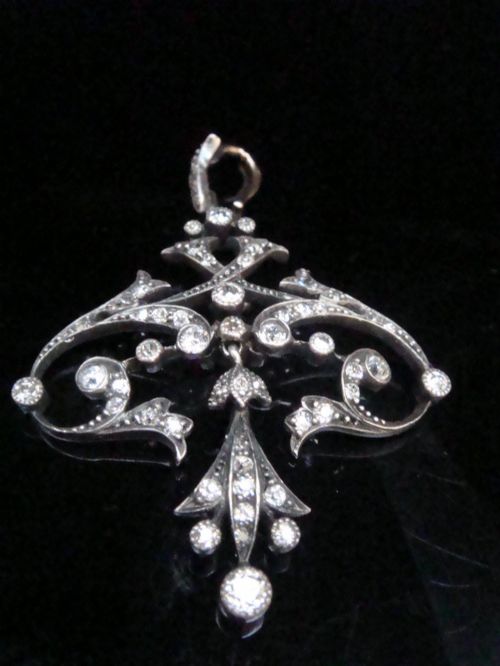
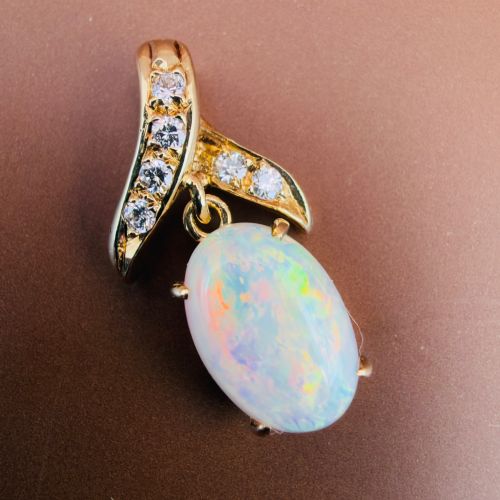
Makers constructed these pendants using silver, gold, and white gold, often pairing diamonds with natural pearls, peridots, topazes, garnets, citrines, and sapphires. Metal purities span standard nine-carat and eighteen-carat gold alongside silver mountings. Rose-cut and standard diamond cuts feature across the various pieces in the record.
Techniques combine traditional metalwork with specialised gemstone setting methods suited to clusters, crosses, and figurative subjects like elephants and bumblebees. Early twentieth-century pieces utilise silver settings to showcase white stones effectively, while later mid-century examples rely on yellow and white gold alloys.
Surviving archive pieces include a jade and sapphire elephant pendant and a diamond bumblebee.
Judging quality in vintage diamond pendants
Quality rests upon the selection and integration of the central diamonds and accompanying gemstones, such as natural pearls or coloured stones. Finer examples display harmonious proportions between the metal mount and the set stones, avoiding clumsy settings that overwhelm the design.
The distinction between standard production and exceptional workshop output lies in the crispness of the metalwork and the originality of the subject matter. Signed pieces by established makers demonstrate superior finishing in hidden areas and more precise stone alignment than anonymous items.
CHAUMET
The Vintage Diamond Pendant Glossary
- Edwardian
- Pertaining to the period from 1901 to 1910, though the style extends from around 1900. Pieces from this era often feature delicate garland motifs and silver-topped gold settings.
- Cluster
- A stone arrangement where a central gem is surrounded by a border of smaller stones. This format maximises visual impact by grouping multiple diamonds or coloured gems together.
- Rose-cut
- An antique diamond cut featuring a flat base and a domed crown with triangular facets. This traditional shape produces a softer lustre compared to modern brilliant cuts.
- Natural pearl
- A pearl formed organically within an oyster without human intervention. These organic gems appear alongside diamonds in early twentieth-century pendants.
Frequently Asked Questions
How do I date a pendant?
Dating relies on stylistic clues, mounting techniques, and material combinations typical of specific decades. Edwardian pieces often show delicate silver work, while mid-century items adopt bolder gold structures.
Assay marks and hallmarks stamped onto the metal loops or reverse sides provide official confirmation of the manufacturing period.
Can I wear a pendant daily?
Most vintage pieces withstand regular wear provided they receive sensible care and periodic checks by a jeweller. Sturdier gold settings handle daily use better than delicate early silver-topped mounts.
Removing the necklace during physical activities or sleeping prevents unnecessary strain on the chain and setting.
What is a cluster pendant?
A cluster pendant arranges multiple smaller stones tightly around a central focal point to create the appearance of a larger single gem. These designs frequently combine diamonds with garnets, peridots, or opals.
This configuration was particularly popular during the Victorian and mid-century periods for maximising surface sparkle.
How do I clean my pendant safely?
Gentle cleaning involves warm water and mild soap applied with a very soft brush to remove dust from behind the stones. Harsh chemical dips risk damaging softer supporting gems like pearls or opals.
Professional ultrasonic cleaning is best left to specialists who understand the vulnerabilities of antique settings.