

Antique Drop Necklace
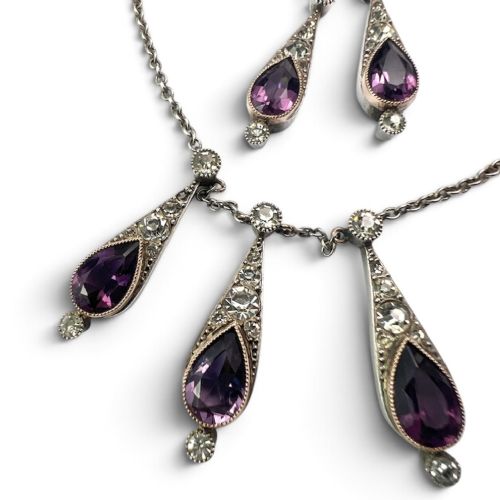
An antique drop necklace brings period elegance to the neckline, offering graceful suspended gems from Victorian, Edwardian and Art Deco eras.
The antique drop necklace
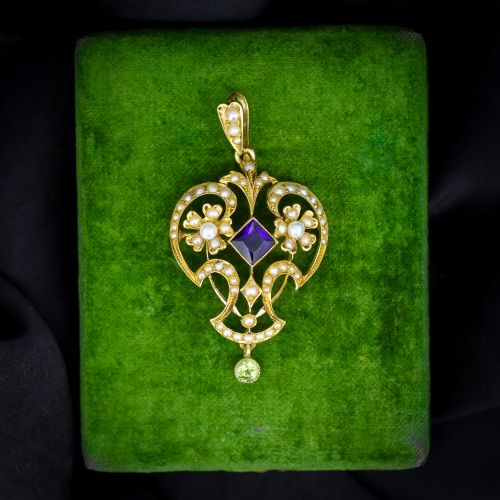
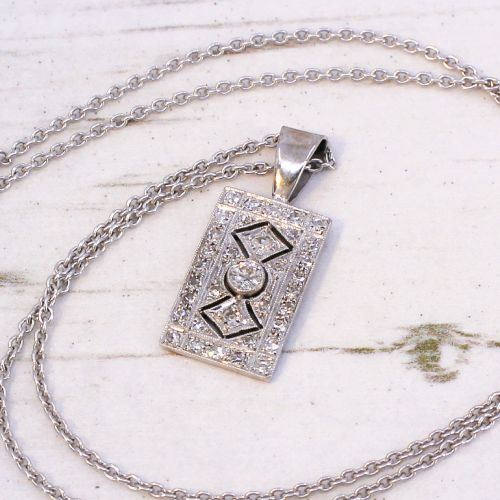
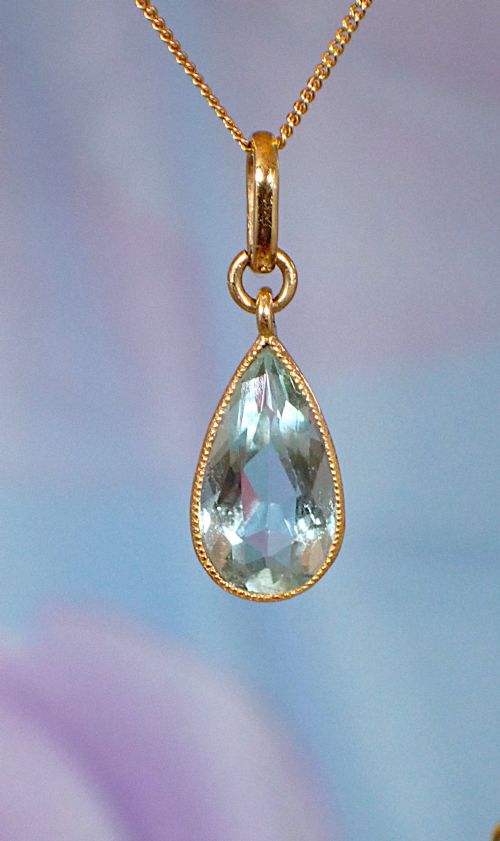
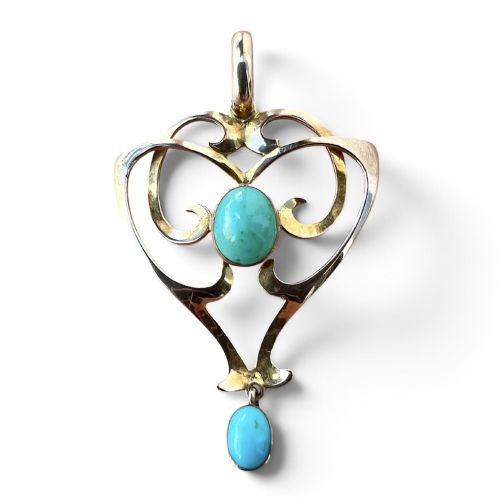
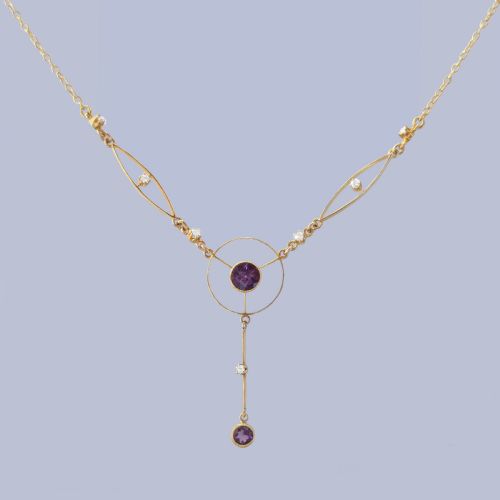
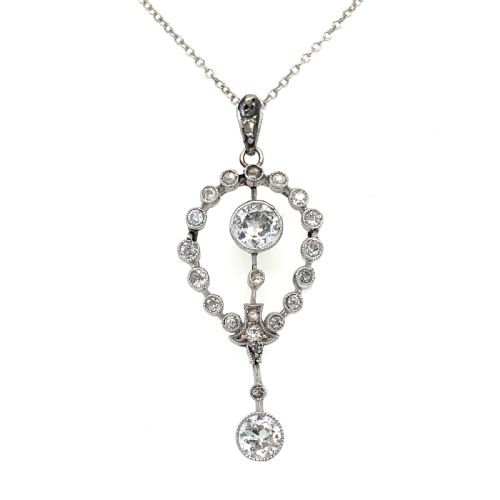
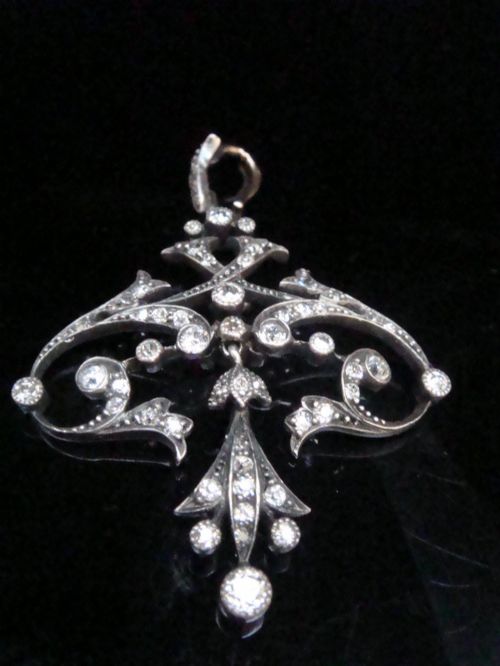
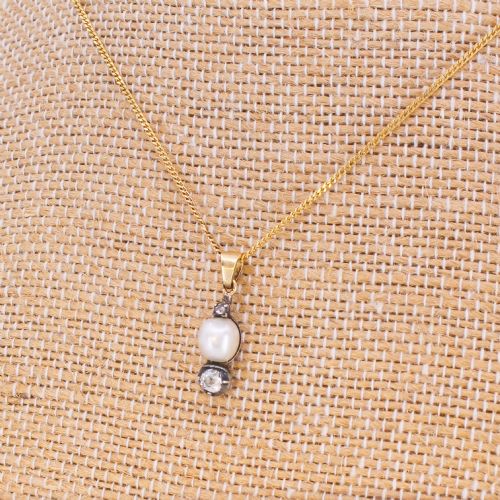
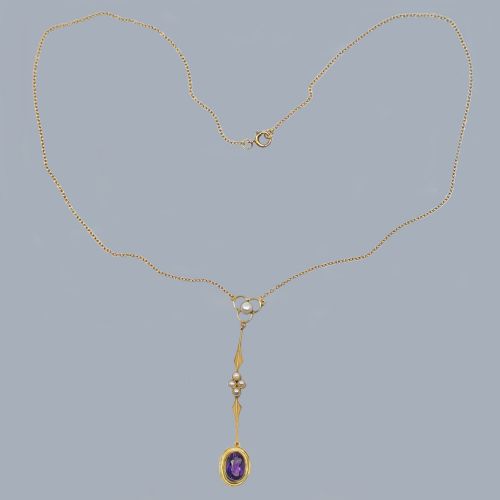
When you search for an antique drop necklace, you encounter delicate pendants and lavalier designs suspended from fine chains, originating from Victorian, Edwardian and later periods.
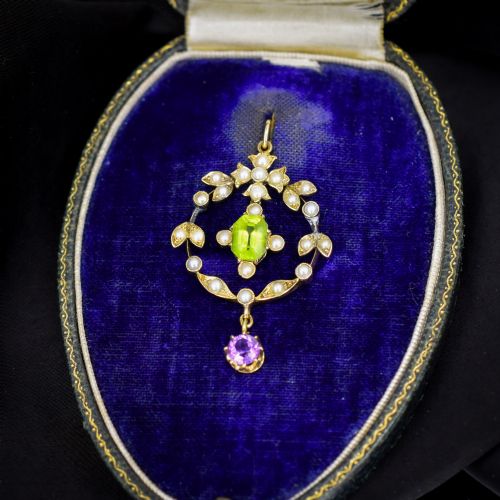
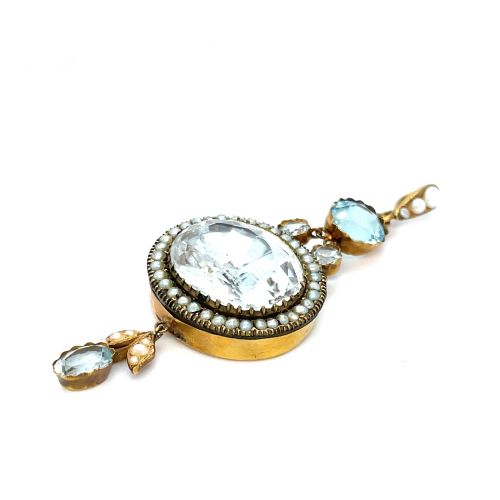
The most common examples on this page are Edwardian pieces, featuring Aquamarine, peridot, or pearl drops mounted in nine-carat or fifteen-carat gold.
Designs range from simple single-stone pendants to complex negligee styles and fringe necklaces set with graduated stones.
Materials and construction
Goldsmiths utilised nine-carat, fourteen-carat and fifteen-carat yellow and rose gold, alongside silver and silver gilt, to construct delicate settings for stones.
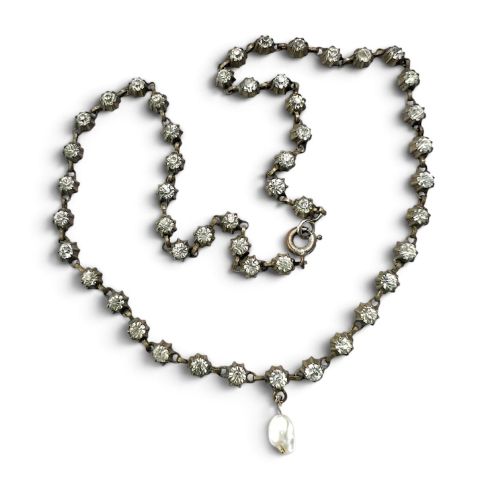
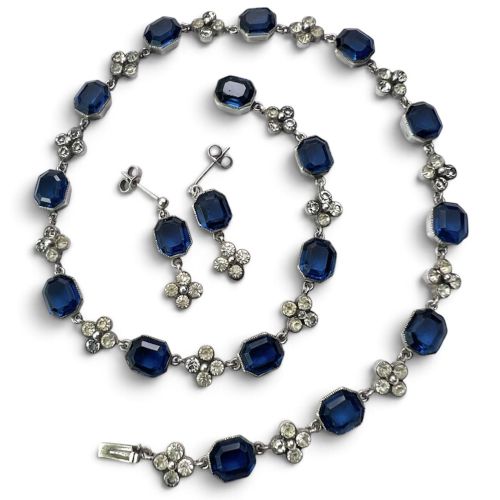
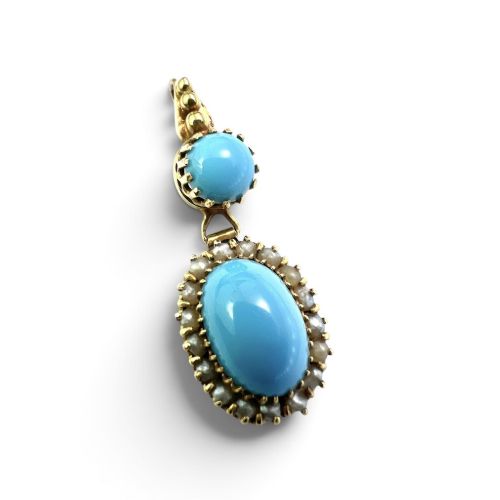
Pieces frequently incorporate natural pearls, seed pearls, diamonds, amethysts, aquamarines, peridots, matrix turquoise, paste and blue guilloche enamel.
Workshops employed fine techniques such as knife-edge bars, handcrafting and traditional barrel clasps to secure the suspended drops.
Retail Price Guide 2026
Typical UK retail prices for drop necklace, calculated from the Sellingantiques database of over a million retail prices indexed since 2003. This retail price guide relies exclusively on Sellingantiques data; no external sources or auction records are used, so the figures do not describe the wider market.
Early twentieth-century makers hid tiny hinged loops inside pendant mounts so owners could swap out the central drop for evening events.
Assessing quality
Quality rests upon the choice of central gemstones, where clean aquamarines, vibrant emeralds and well-matched natural pearls elevate a piece above standard paste or seed-pearl alternatives.
Levinger & Bissinger·Otto Prutscher
The Antique Drop Necklace Glossary
- Lavalier
- A pendant necklace featuring a central stone with one or more smaller drops suspended below it. This style gained popularity during the Edwardian era.
- Negligee necklace
- A design comprising two asymmetric drops hanging from a central chain connector. These often date from the Edwardian period.
- Guilloche enamel
- A decorative technique where transparent enamel is layered over engine-turned metal. It creates a patterned background visible through the coloured glass.
- Knife edge
- A thin bar of metal formed with a sharp triangular profile to look nearly invisible. Jewellers used this to make suspended stones appear to float.
- Paste
- Hand-cut lead glass used as a gemstone substitute in historical jewellery. Skilled artisans faceted and foiled paste to imitate diamonds and coloured stones.
Frequently Asked Questions
How do I wear an antique drop necklace?
These delicate necklaces suit evening wear and open necklines where the pendant can rest directly against the skin. Pair them with simple collars to ensure the suspended drop remains the focal point.
Store the necklace flat in a lined box when not being worn to prevent the fine chain from tangling or kinking.
What is the difference between an Edwardian drop and a Victorian drop?
Edwardian drop necklaces typically utilise lighter metals like platinum and nine-carat gold, often featuring aquamarines, pearls and airy openwork designs. Victorian pieces lean towards heavier yellow gold, sometimes incorporating rich blue enamel or romantic heart motifs.
Examining the clasp and the back of the setting helps confirm the manufacturing period of the piece.
Are seed pearls durable?
Seed pearls are delicate organic gems that require careful handling to preserve their lustre. Avoid exposing them to perfumes, cosmetics and ultrasonic cleaning.
Many antique necklaces featuring seed pearls have been re-strung over the decades to ensure the silk thread remains secure.