


Vintage Paste Necklace
A vintage paste necklace brings the brilliance of faceted glass stones set in silver or gold directly from past eras into modern wear.
Vintage Paste Necklace
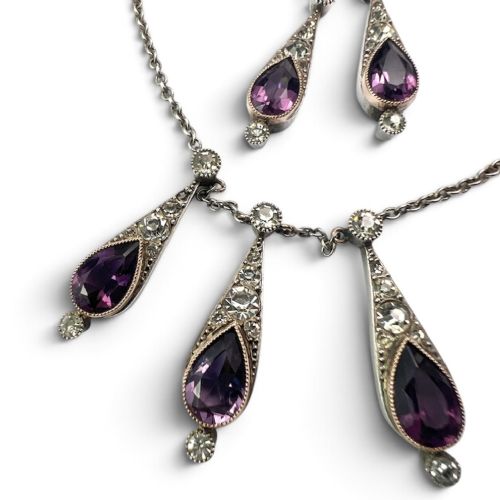
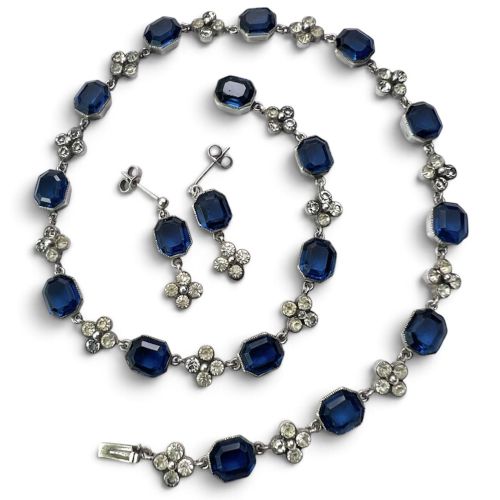
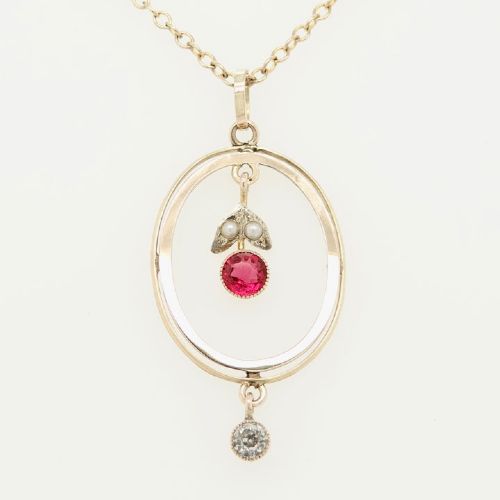
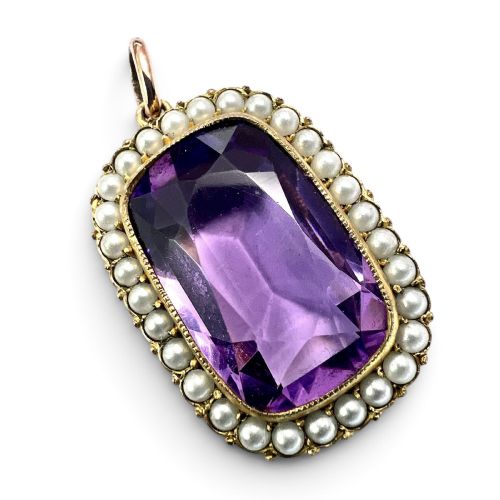
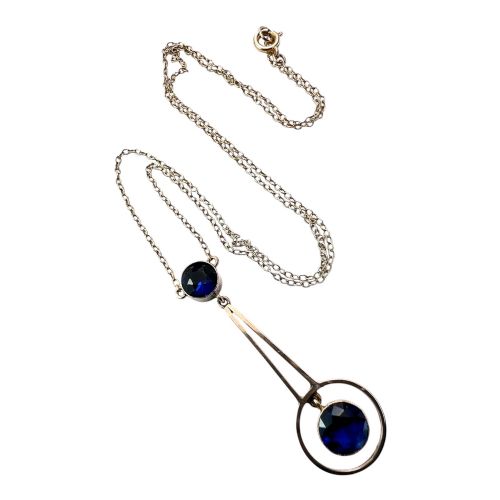
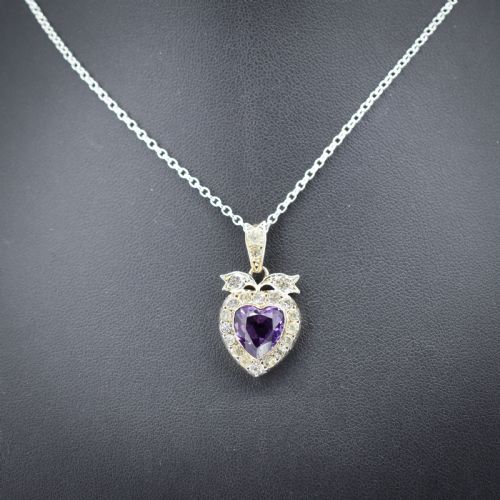
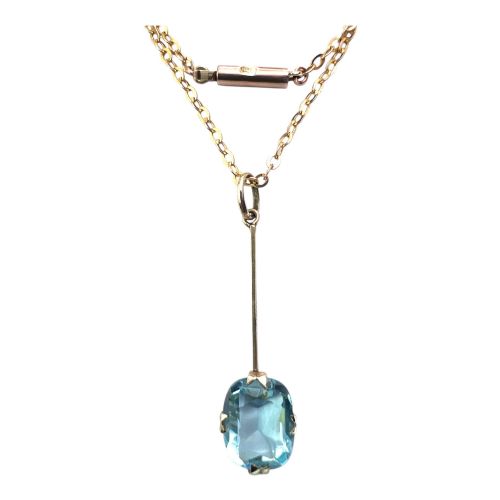
A vintage paste necklace consists of hand-cut glass stones secured in precious metal settings, designed to mimic fine diamond and gemstone jewellery. When you search for a vintage paste necklace, you encounter varied forms ranging from delicate drop pendants and lavaliers to riviere lines and matching jewellery sets.
The pieces appearing across these periods span from Georgian black dot designs and Victorian pearl-accented drops to Edwardian floral motifs and Art Deco geometric settings. Pendants, lockets, and multi-stone chains make up the primary selections available for daily wear or collection.
Makers and designers of these ornaments utilised diverse stylistic influences, moving through Art Nouveau curves and 1940s retro modern forms. Each piece reflects the jewellery-making standards of its specific decade, incorporating seed pearls, gold, and silver alongside the central glass stones.
What varies in quality
The precision of stone cutting and the clarity of the paste glass itself separate standard examples from superior pieces. Hand-cut facets and careful foil placement underneath the glass create depth and sparkle that inferior moulded stones cannot replicate.
The choice of setting metal and the intricacy of the surrounding wirework or filigree influence the overall standard of the jewellery. Solid gold and high-grade silver mountings, combined with secure stone retention and balanced proportions, define the finer pieces.
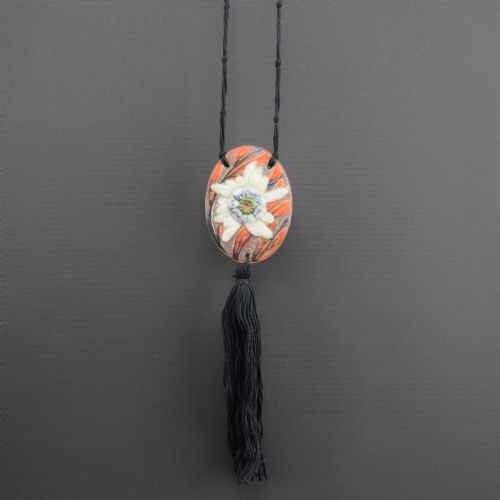
Several pieces feature winged creatures, capturing tiny glass swallows and enamelled butterflies frozen in flight.
Martin Mayer·Argy Rousseau
The Vintage Paste Necklace Glossary
- Paste
- Hand-cut and polished lead glass utilised as a substitute for precious gemstones. It captures light with notable brilliance.
- Riviere
- A necklace composed of a continuous line of similar or graduated gemstones or paste stones. Each stone is individually linked.
- Black dot paste
- A specific Georgian technique where a tiny dark spot is painted on the back foil of a paste stone to imitate the culet of a natural diamond.
- Lavalier
- A pendant necklace featuring a central drop suspended from a chain, popular during the Edwardian period.
- Pate de verre
- A glass-working method involving crushed glass packed into a mould and fused in a kiln. This technique produces textured art pieces.
Vintage Paste Necklace: Frequently Asked Questions
How do I clean a vintage paste necklace?
Clean paste jewellery gently with a soft, dry cloth to remove surface dust. Avoid submerging older pieces in liquid, as moisture can damage the foil backing behind the glass stones.
Keep the necklace away from harsh chemicals, perfumes, and ultrasonic cleaners. Proper storage in a lined box prevents scratches on both the metal settings and the glass stones.
Can I wear a vintage paste necklace daily?
You can wear many of these necklaces regularly if you handle them with care. Because older settings and foiled stones are sensitive to moisture and hard impacts, remove the necklace before swimming, bathing, or strenuous activity.
Store the piece flat or hung carefully to avoid straining original chains and clasps. Gentle daily wear allows you to enjoy the craftsmanship while preserving the delicate structure.
How can I tell the period of a paste necklace?
Dating relies on examining the metal types, construction techniques, and stylistic motifs present in the piece. Georgian and Victorian examples often feature closed-back settings and specific foil treatments, whereas Edwardian and Art Deco pieces display lighter silver mountings and geometric symmetry.
Comparing the clasp style, chain links, and overall design against established historical periods helps confirm the era. Consulting the specific materials used, such as seed pearls or platinum-topped gold, provides further chronological clues.