

Victorian Style Pendant
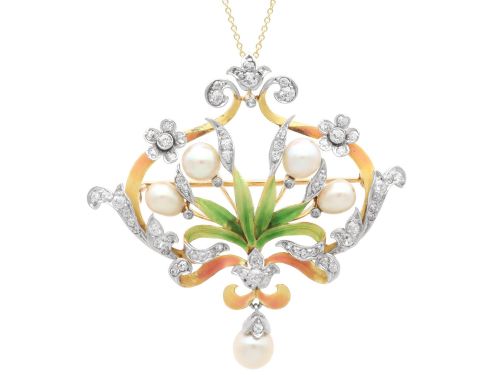
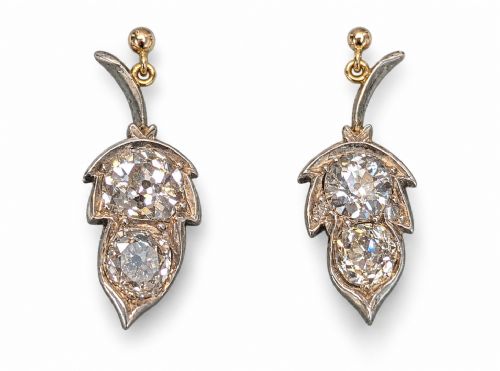
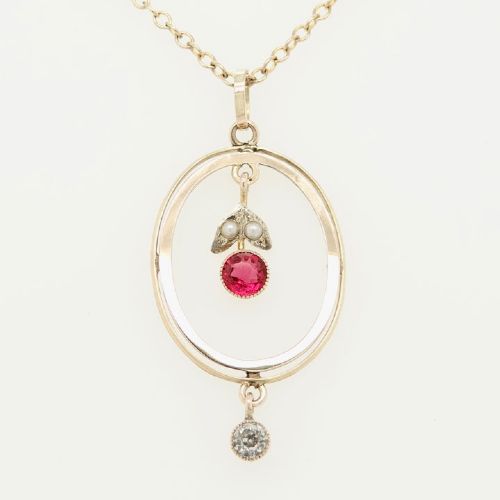
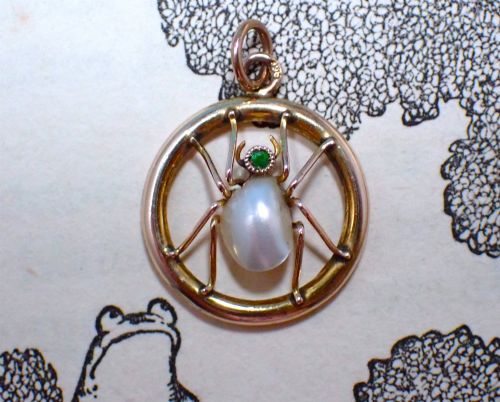
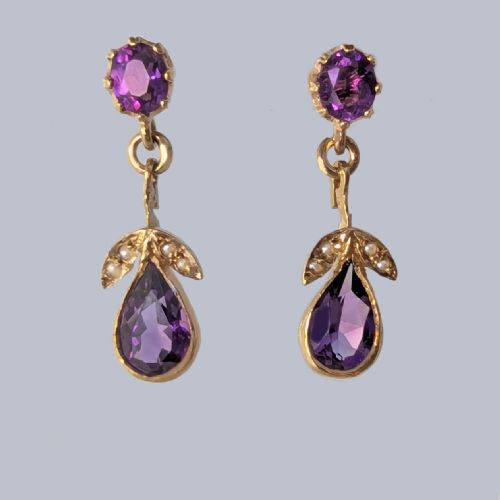
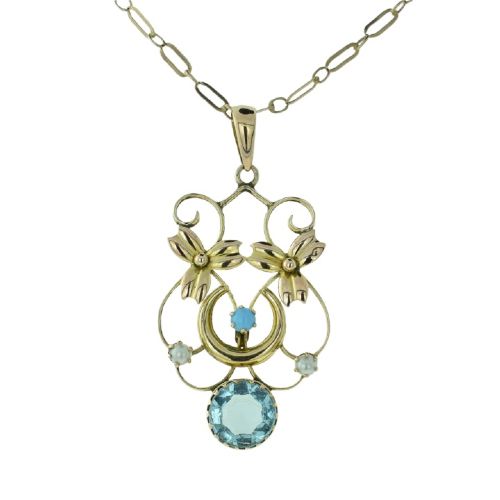
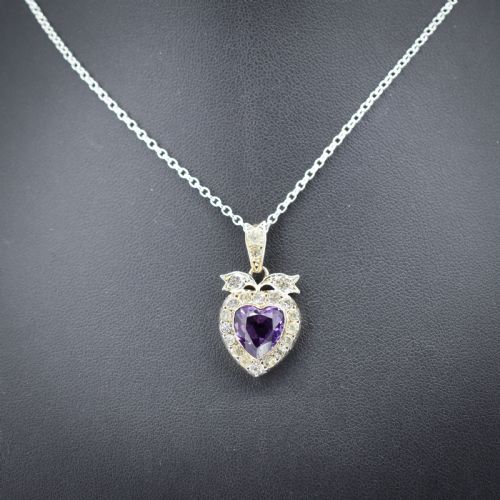
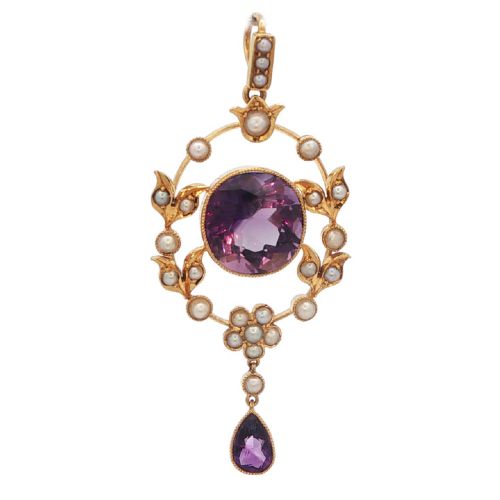
These pieces for a victorian style pendant are ornate gold, silver, and bronze items carrying period stones like amethyst and seed pearl.
Victorian Style Pendant
When searching for a victorian style pendant, a buyer encounters items rooted in nineteenth-century design alongside later revivals. These pieces encompass gold, silver, and bronze jewellery items featuring stones such as amethyst, garnet, emerald, and seed pearl. Forms range from heart padlocks and lockets to stone-set drops and architectural brass designs.
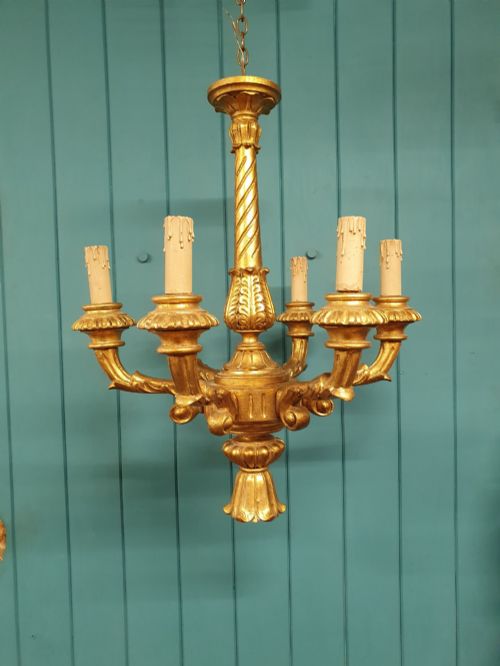
The selection on this page leans heavily toward gold mountings, notably nine-carat and fifteen-carat yellow and rose gold, often housing paste, crystal, or coloured gems. Pieces stretch from actual nineteenth-century creations through Edwardian variations up to mid-twentieth-century interpretations. Pendant designs cross paths with related hanging lighting, earrings, and necklaces in the wider evidence.
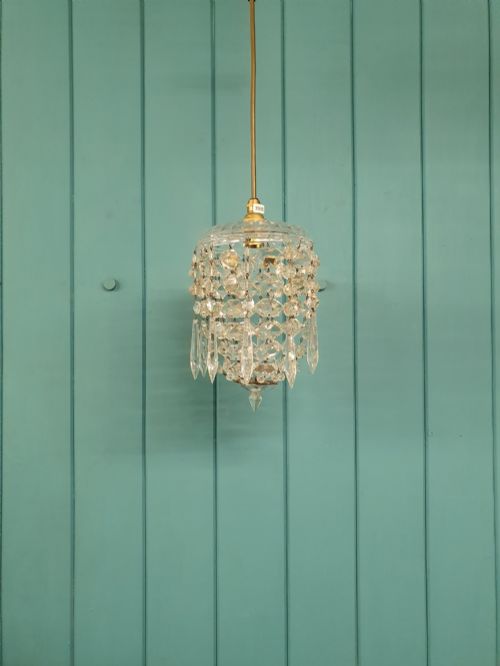
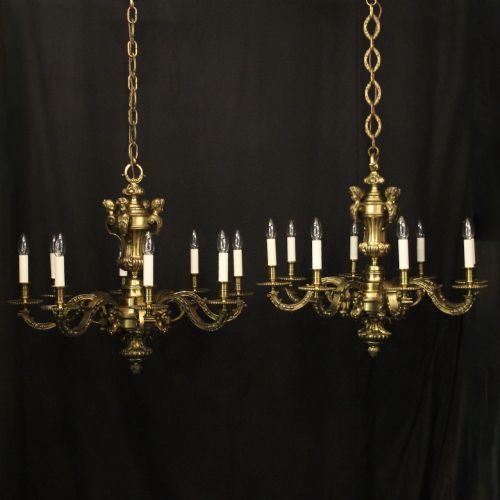
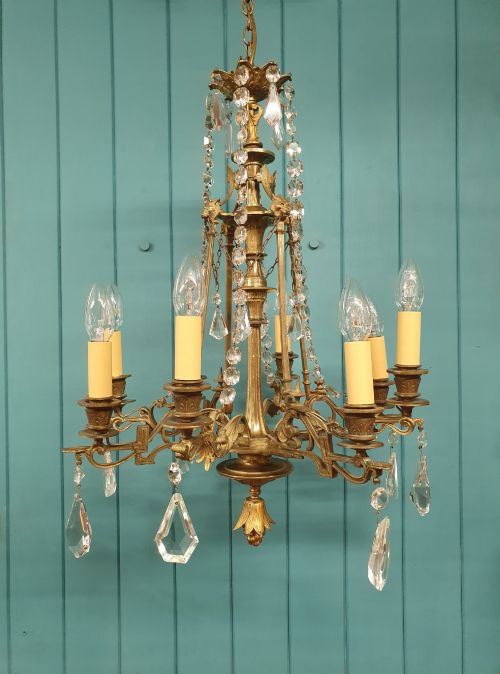
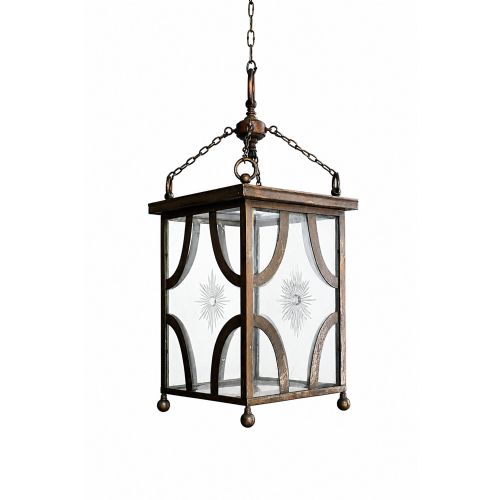
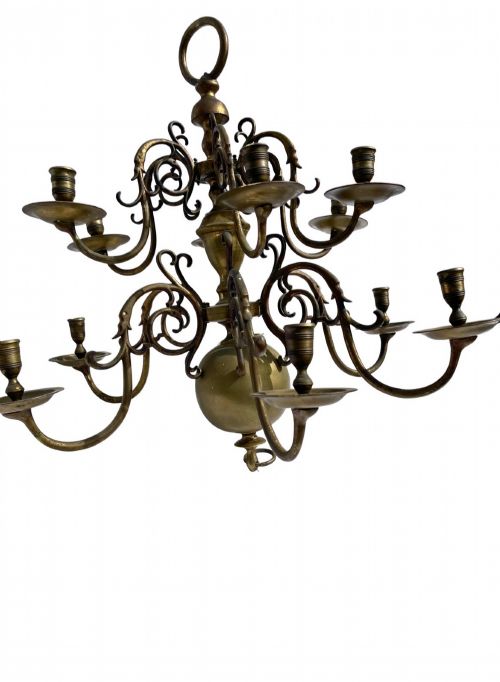
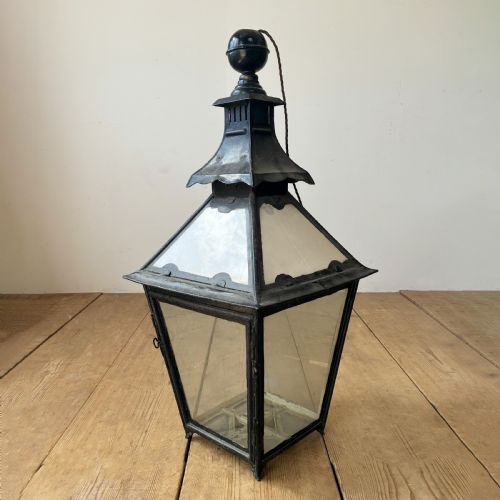
Makers and workshops of the period utilised revivalist motifs like Etruscan, Gothic, and French Rococo elements to shape these objects. Buyers find both delicate personal lockets and substantial brass hall lanterns or chandeliers sharing similar aesthetic traits. The category bridges small personal ornaments with decorative metalwork sharing identical period attributes.
How they were made
Metals form the structural backbone of these items, utilising cast and pierced brass, bronze, sterling silver, and varying purities of gold such as nine-carat and fifteen-carat variants. Artisans combined these metals with glass crystals, opaline glass, tortoiseshell, and giltwood depending on whether the item is a personal pendant or a larger lighting fixture.
Gems and decorative elements including seed pearls, cut paste, old cut diamonds, amethysts, garnets, and turquoise were hand-set into the mountings. Techniques involve delicate engraving, repousse work, and the integration of specialised chains, slide links, and secure padlock mechanisms.
Makers incorporated specialised lighting hardware and structural framing for chandeliers and lanterns using gilded bronze, brass, and cut glass components. Personal jewellery relied on precision gold smithing, secure bezel settings for stones, and intricate wirework typical of Etruscan and Gothic revivals.
Tiny seed pearls were sewn onto horsehair inside certain Victorian lockets to form microscopic floral wreaths.
What varies in quality
The standard of metalwork and stone selection dictates the distinction across these items, separating simpler mass-produced variants from finer goldsmith output. Weight of the gold, clarity of cut glass crystals, and the matching quality of seed pearls or amethysts determine overall merit.
Execution of revivalist detailing, such as crispness in chased brass, hand-engraved scrollwork on gold lockets, and secure prong or bezel settings, marks the grade of the piece. Intact original boxes and fully functioning clasps or mechanisms elevate individual items.
Construction integrity in larger brass and bronze lighting fixtures compared to delicate hollow gold pendants shows divergent manufacturing standards. Superior items demonstrate heavier gauge metals, higher gold carats, and cleanly cut gemstones rather than inferior paste substitutes.
Perry And Co·Hamilton And Co·Joseph Wilmotte
The Victorian Style Pendant Glossary
- Paste
- Faceted glass cut to imitate gemstones, frequently utilised in nineteenth-century jewellery alongside genuine stones.
- Seed Pearl
- Tiny natural saltwater pearls threaded or set into clusters, characteristic of Victorian and Edwardian decorative items.
- Etruscan Revival
- A design movement drawing inspiration from ancient Etruscan goldwork, featuring granular textures and classical motifs.
- Gilt Bronze
- Bronze metal coated with a thin layer of gold, commonly applied to decorative lanterns and chandeliers.
- Padlock Charm
- A heart-shaped or rectangular pendant styled after a functional lock, popular for charm bracelets and necklaces.
Victorian Style Pendant: Frequently Asked Questions
How do I date a pendant?
Dating relies on hallmarks, metal purity standards, gemstone cuts, and the specific revival style employed by the maker.
Items may feature specific gold carat marks or stamps indicating Sheffield or other assay offices, while structural traits point to Victorian, Edwardian, or later revival eras.
Were these worn daily?
Many gold and silver pendants were intended for regular personal wear, suspended from delicate chains or slide necklaces.
Sturdier pieces like padlock charms and lockets served practical everyday use as sentimental tokens or secure containers for keepsakes.
What metals are most common?
Nine-carat and fifteen-carat yellow and rose gold dominate the jewellery selections alongside sterling silver.
Larger decorative fixtures and lanterns utilise brass, bronze, and giltwood complemented by cut glass crystals.