



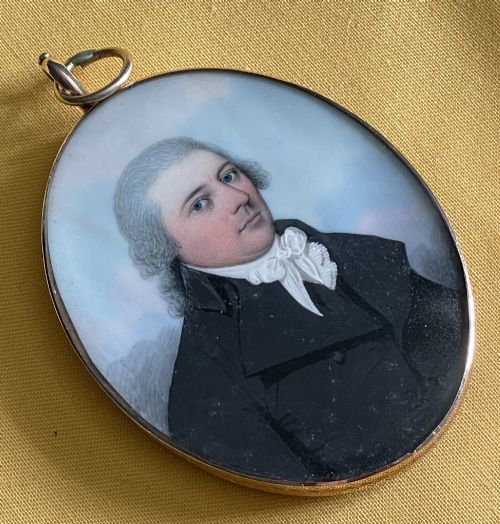
Oval Gold Pendant
When you handle an oval gold pendant, you hold a miniature world of portraiture, gemstone clusters and hinged photograph lockets spanning centuries of design.
Oval Gold Pendant
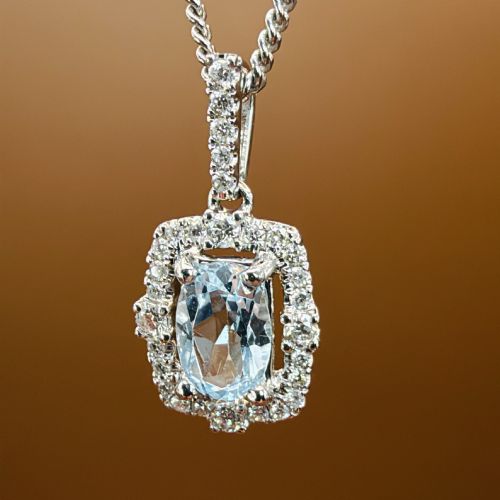
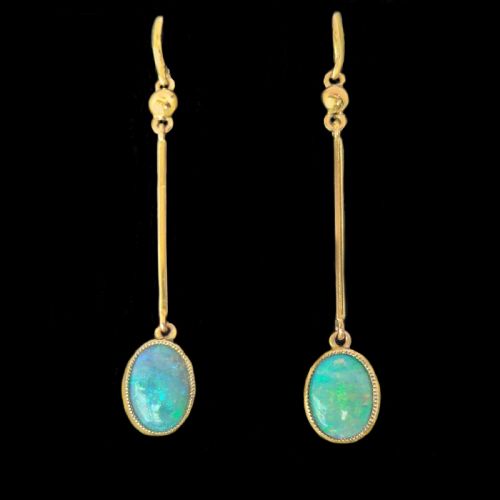
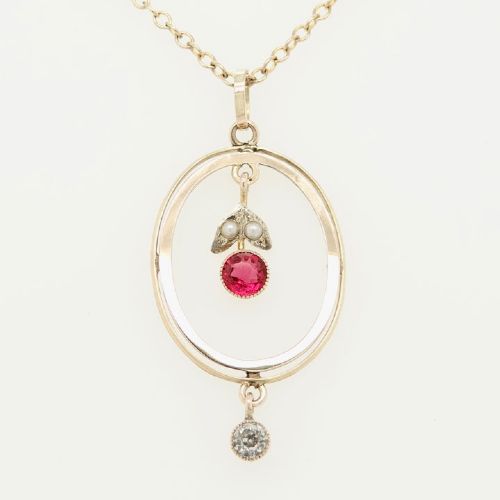
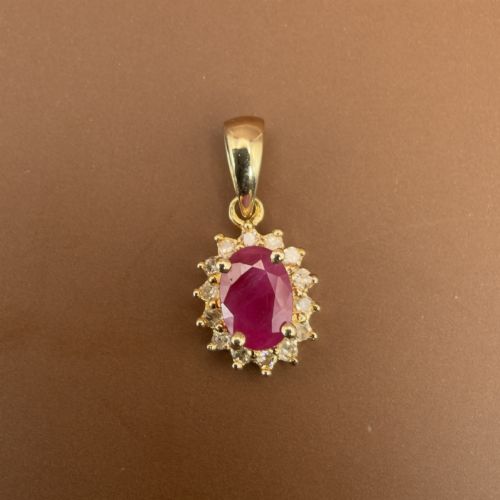
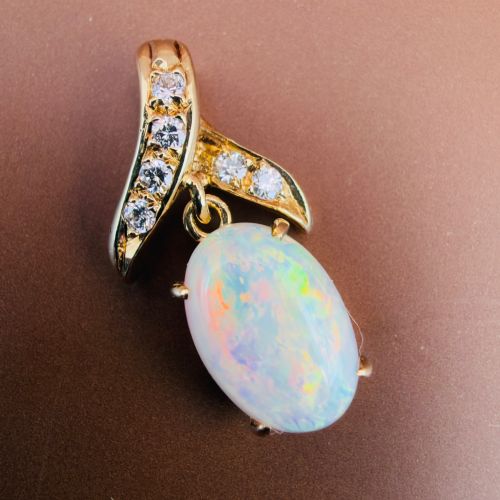
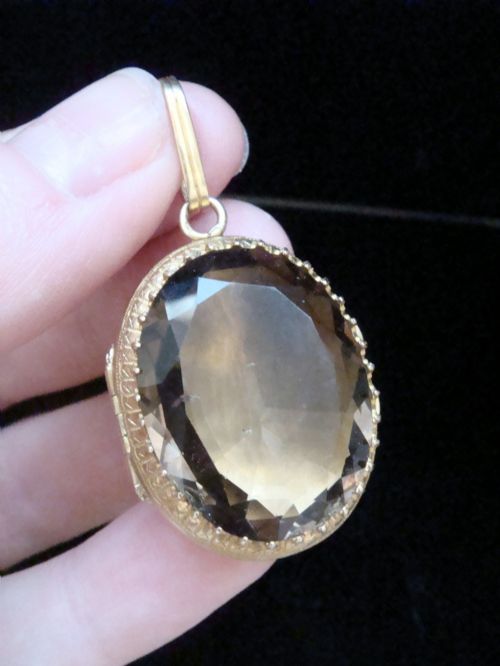
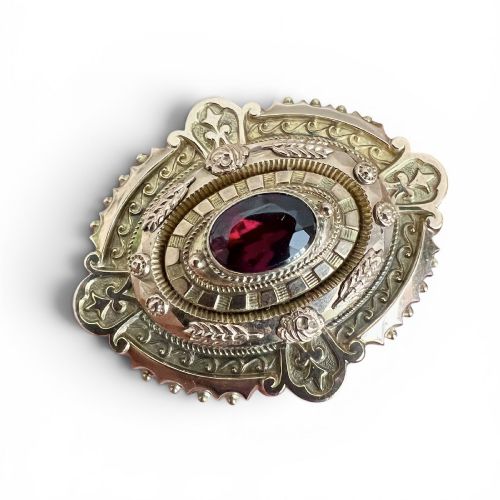
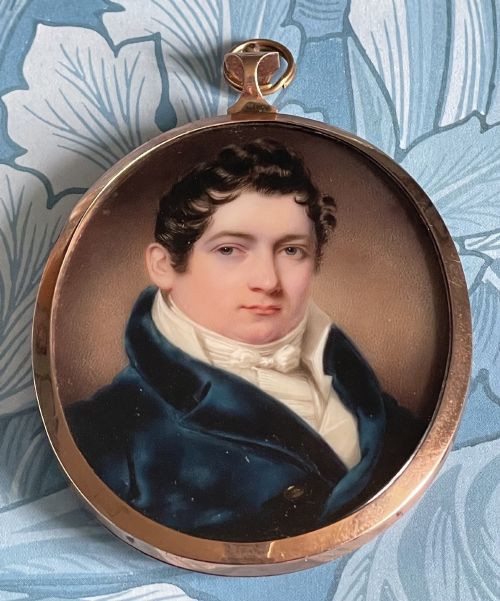
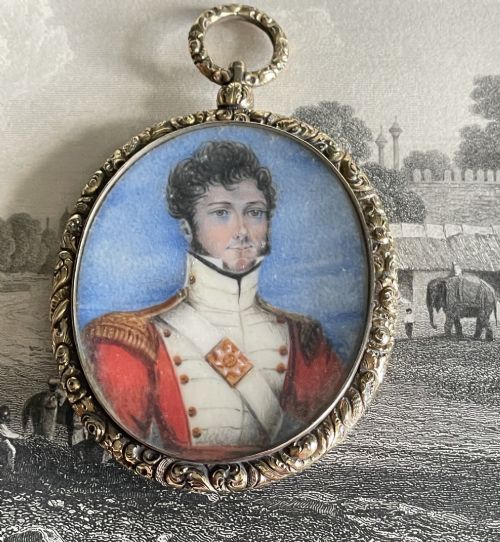
An oval gold pendant encompasses a diverse range of historic and mid-century items, from Georgian painted portrait miniatures set in gold frames to Victorian garnet lockets and mid-century opal clusters. The form is defined by its rounded silhouette, housing hand-painted watercolours on vellum, enamels, or faceted and cabochon gemstones secured in yellow, white, or rose gold mounts.
Buyers searching for an oval gold pendant most frequently encounter 9ct and 18ct gold pieces originating from the Victorian era, the Georgian period, and the 1950s. These pieces often double as photo lockets, charm pendants, or cluster necklaces, reflecting both sentimental utility and decorative stone-setting traditions.
Materials and Construction
The construction of these pieces relies heavily on varying purities of gold, ranging from 9ct and 14ct to 18ct yellow, white, and rose gold, occasionally paired with silver settings for gemstones. Artisans mounted opals, aquamarines, garnets, diamonds, and seed pearls into these gold frames utilising bezel, cluster, and claw settings, alongside intricate filigree and twisted wire work.
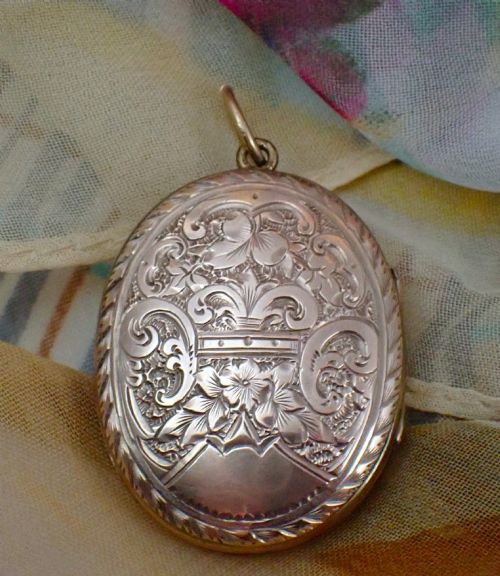
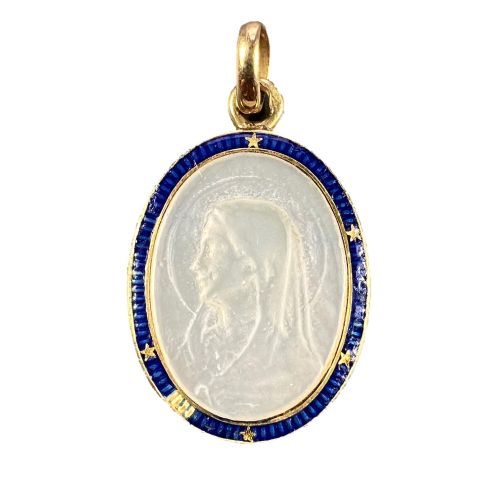
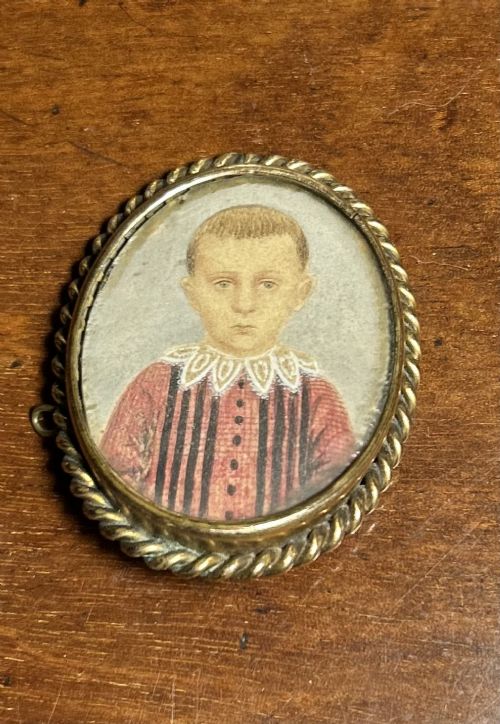
Miniature portrait pendants required distinct disciplines, employing watercolour on vellum, delicate enamel on copper, or silhouette painting housed behind protective glass within hinged or fixed gold frames. Lockets and charms feature hand-engraved scroll patterns, floral motifs, and secure dog clips or suspension loops integral to the gold structure.
Distinctions in Quality
Quality in these pendants is determined by the refinement of the goldsmith's work, the depth and clarity of hand-engraving, and the security of the mountings holding the gems or miniatures. Superior examples display crisp detail in chased foliate motifs, substantial gold weight, and meticulous bezels that sit flush against the stone or glass.
For painted and enamelled pieces, quality rests entirely upon the artistic execution of the portraiture and the preservation of the delicate surface pigments. In gemstone clusters, the saturation and play of colour in stones such as black opal, fire opal, and aquamarine dictate the distinction between standard production and exceptional craftsmanship.
Henry Bone ARA·John C D Engleheart·Frederick Buck·William Naish·John Miers·George Engleheart
The Oval Gold Pendant Glossary
- Cabochon
- A gemstone shaped and polished with a smooth, convex domed surface rather than faceted. This cut is frequently utilised for opals, moonstones, and garnets to showcase internal colour play.
- Portrait Miniature
- A small, highly detailed painting executed on vellum, ivory, or enamel, often housed within a protective gold pendant frame. These works capture likenesses of historical figures and private sitters.
- Locket
- A hinged pendant designed to open and reveal a concealed compartment for holding a photograph, lock of hair, or miniature memento. Victorian examples frequently feature floral engraving or double-fronted designs.
- Paste
- Hand-cut and polished lead glass utilised in historic jewellery to imitate gemstones such as diamonds and garnets. It is securely set into metal mounts with closed or open backs.
- Cluster Pendant
- A central gemstone surrounded by a ring of smaller accent stones, typically diamonds or pearls, arranged within a gold mount. This configuration maximises the visual impact of the primary gem.
Oval Gold Pendant: Frequently Asked Questions
How do I care for my gold pendant?
Clean your gold pendant gently with a soft cloth to remove everyday oils and dust, avoiding harsh chemical dips that can damage softer organic gems or fragile painted surfaces.
Store the piece separately in a lined box or pouch to prevent the gold and stones from scratching against other items in your collection.
Can I put a photo inside my locket?
Many historic lockets feature internal bezels and original glass covers designed specifically to hold miniature photographs or paper portraits. You can trim a modern photograph to fit the interior cavity.
Take care when opening older hinges, as centuries-old gold can be delicate and requires gentle, even pressure along the clasp.
How do I identify the period of a pendant?
Dating relies on stylistic clues, such as the hand-painted techniques of Georgian miniatures versus the structured gemstone clusters of the 1950s. Hallmarks stamped on the gold loop or rim also provide direct evidence of the assay office and manufacturing date.
Examine the construction methods, such as closed-back settings in older pieces compared to modern prong configurations, to narrow down the era.
Are these pendants suitable for daily wear?
Sturdier gold and gemstone cluster pendants handle regular wear well, provided you check the security of the chain and loop periodically. Fragile items like glass-covered portrait miniatures require more mindful handling to protect the painted surface.
Remove your pendant before swimming, exercising, or sleeping to protect delicate gemstones and antique gold mountings from undue strain.