


9ct White Gold
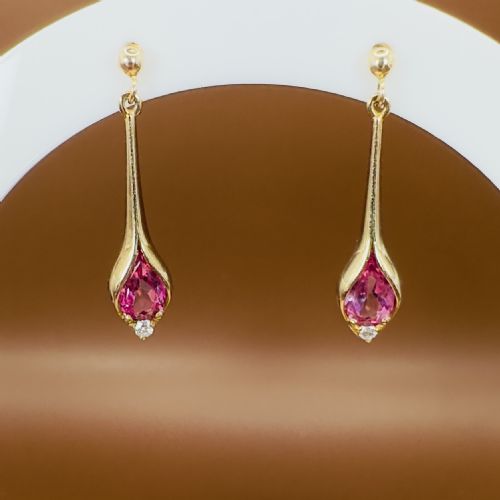
These pieces in 9ct white gold span decades of design, pairing the subtle alloy with diamonds, pearls and bright coloured gems.
9ct White Gold
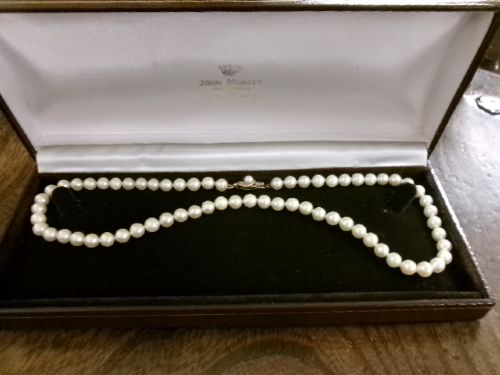
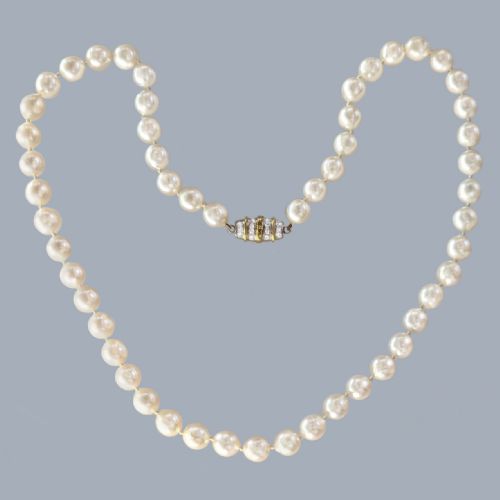
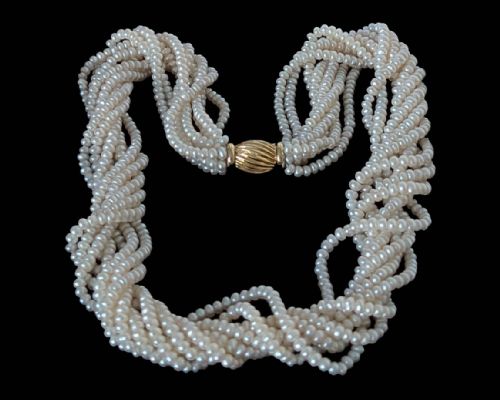
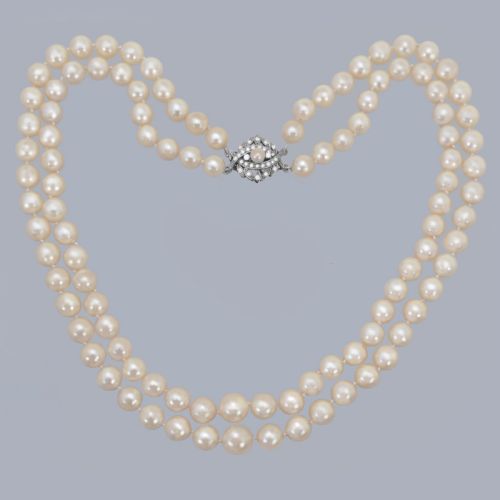
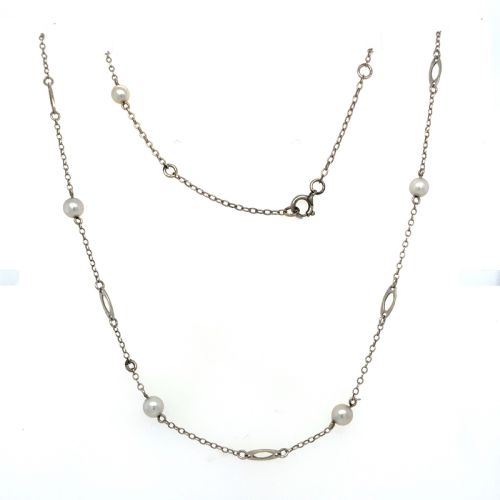
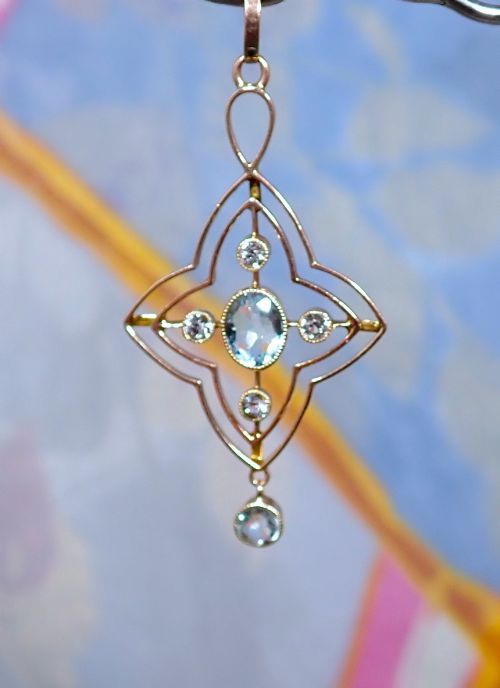
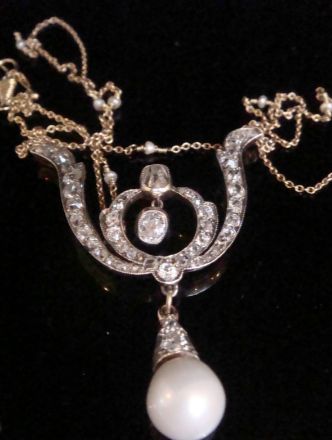
Pearls paired with clasps appear frequently alongside diamond clusters and gemstone drops. Mid-century rings and Edwardian pendants dominate the selection, offering varied expressions of this pale gold alloy.
How they were made
Makers combined gold with white metals to create an alloy suitable for detailed setting work. Gemstones including diamonds, opals, sapphires and cultured pearls were secured using claw settings, bezels and intricate filigree.
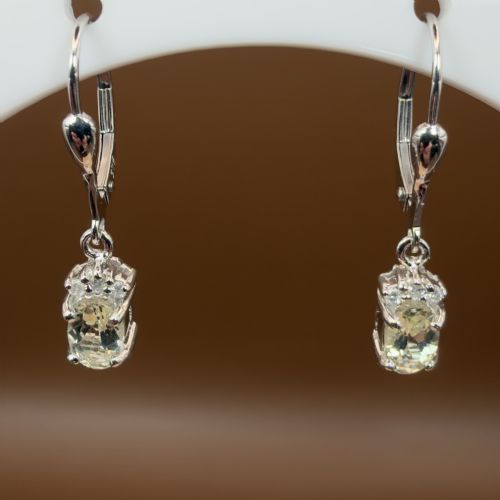
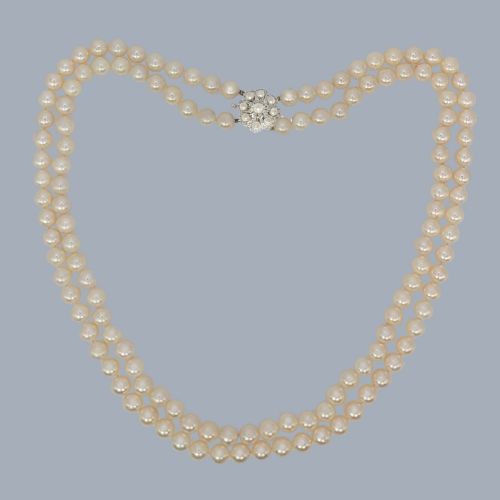
Clasps and hinges received careful mechanical attention, particularly on multi-strand pearl necklaces and hinged earrings. Hallmarking traditions stamped metal purity directly onto the structure.
One historic item listed is an Alfred Dunhill cigarette holder featuring a distinctive white spot.
What varies in quality
Execution of the metalwork separates standard items from superior examples. Delicate filigree requires precise hand assembly, while stone selection determines the brilliance of cluster rings and pendants.
Integration of clasps within pearl necklaces indicates overall construction standards. Original components and clear hallmarks elevate the standing of vintage pieces.
The 9ct White Gold Glossary
- 9ct white gold
- An alloy of gold mixed with white metals to produce a pale, silvery hue. It provides a durable setting for diamonds and coloured gems.
- Cultured pearl
- An organic gem formed by introducing an irritant into an oyster or mussel. These appear frequently in multi-strand necklaces with precious clasps.
- Cluster ring
- A ring featuring a central stone surrounded by smaller accent stones. This arrangement maximises visual impact using diamonds or coloured gemstones.
- Filigree
- Ornamental work consisting of fine wire twisted into open patterns. This technique appears on Edwardian and mid-century pendants and rings.
- Hinge back
- A fastening mechanism common on earrings that secures the hoop or drop with a hinged lever. It offers a reliable closure for daily wear.
9ct White Gold: Frequently Asked Questions
How do I care for my 9ct white gold jewellery?
Clean white gold pieces gently using warm soapy water and a soft cloth to preserve the surface finish. Avoid harsh chemicals that might strip the rhodium plating or damage softer set stones like pearls and opals.
Store items individually in soft pouches to prevent scratching between harder gemstones and the metal. Regular checks by a jeweller ensure that settings and clasps remain secure over years of wear.
Are pearls on vintage necklaces usually genuine?
Many period pieces feature cultured pearls or saltwater varieties matched with precious metal clasps. Hand-knotting between individual pearls indicates careful construction typical of mid-century makers.
Graduated sizes and natural irregularities help distinguish genuine organic pearls from synthetic alternatives. Examining the drill holes and surface lustre reveals the true nature of the material.
What styles define mid-century 9ct white gold pieces?
Mid-century designs often lean towards clean lines, geometric cluster settings and floral motifs. Items from this era frequently combine diamonds with aquamarines, amethysts or cultured pearls.
The period embraced both minimalist solitaires and elaborate multi-stone arrangements. Screw-back and hinge-back fastenings are also characteristic of this timeframe.
How can I tell the period of a piece?
Hallmarks stamped on the metal provide official dates and assay office locations for British pieces. Stylistic elements like Edwardian filigree or Victorian dog-clip clasps offer immediate visual clues to the era of manufacture.
Setting techniques and stone cuts evolved significantly between the nineteenth century and the 1960s. Comparing these physical characteristics against known design periods clarifies the timeline.