




Silver Heart Pendant
A silver heart pendant is a wearable piece of silver jewellery that ranges from Edwardian lockets to Danish Modern designs.
Identifying a silver heart pendant
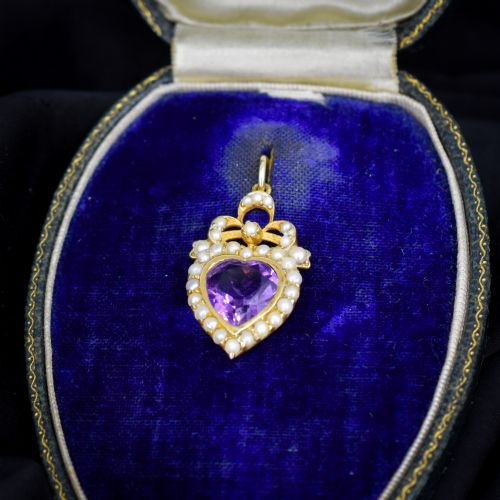
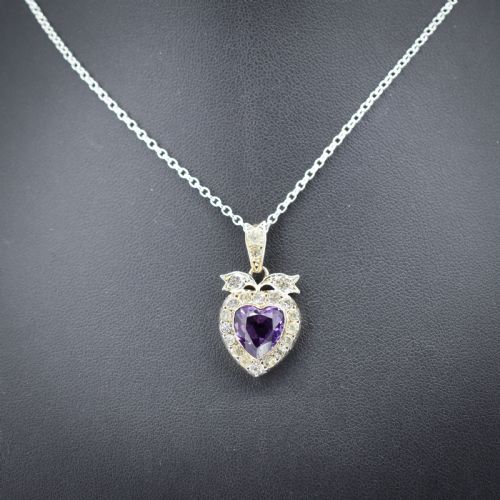
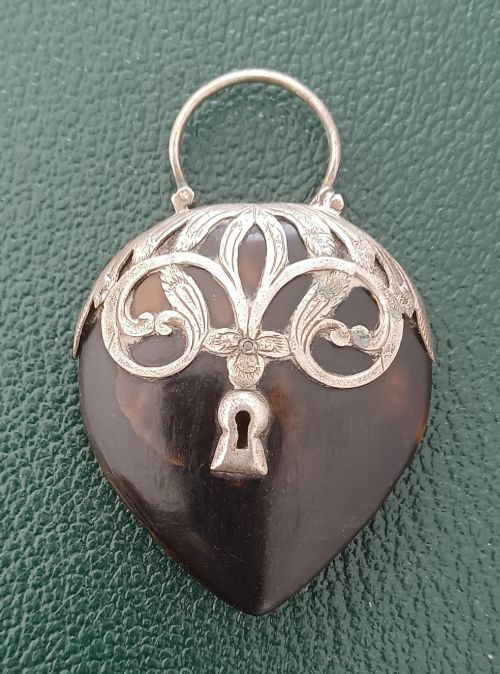
A silver heart pendant is a piece of jewellery designed to hang from a chain, with examples appearing across the Edwardian, Victorian, Art Deco, and 1960s periods. The selection includes lockets, keyrings, vesta cases, pillbox pendants, and drop necklaces shaped like hearts.
Makers and designers from Denmark feature prominently in the archive alongside British antique pieces. Forms range from puffy paste-set designs to clean modernist sterling silver creations.
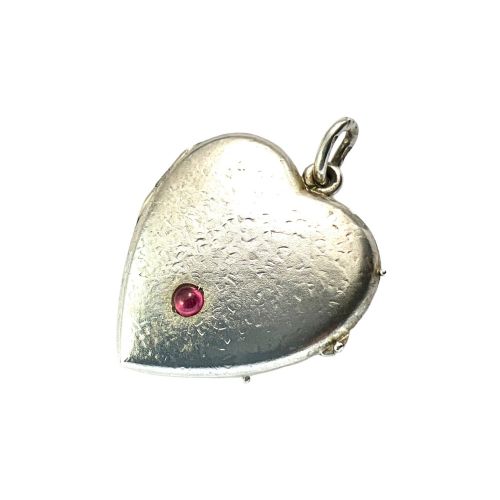
Buyers will encounter both opening photograph lockets and solid or gemstone-set pendants. These pieces combine sentimental form with functional uses such as holding miniature photographs or pills.
Materials and construction
Construction relies upon silver and sterling silver, frequently shaped into hollow puffy forms, hinged lockets, or solid cast components. Metalwork is occasionally embellished with applied elements or integrated suspension loops.
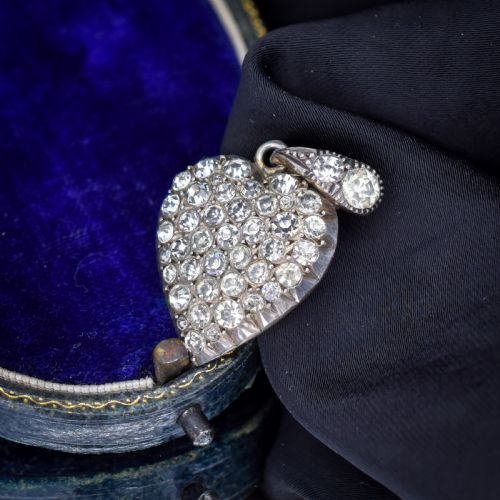
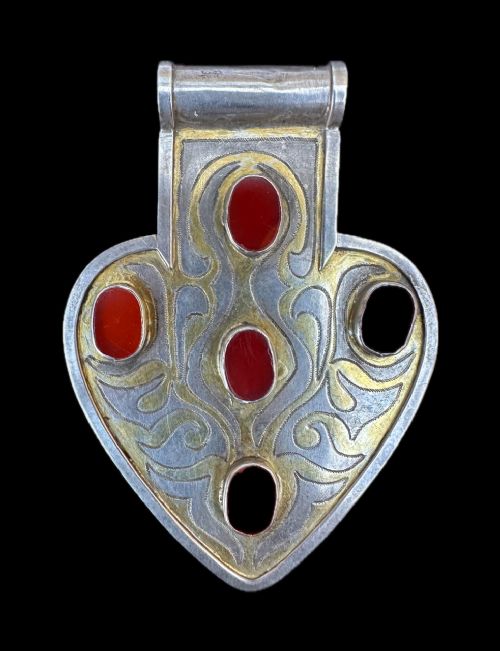
Gemstones and decorative materials set into the silver include diamonds, sapphires, moonstones, amber, hematite, paste, and marcasite. Stones are flush-set, bezel-set, or secured in clusters depending on the period and style.
Retail Price Guide 2026
Typical UK retail prices for silver heart pendant, calculated from the Sellingantiques database of over a million retail prices indexed since 2003. This retail price guide relies exclusively on Sellingantiques data; no external sources or auction records are used, so the figures do not describe the wider market.
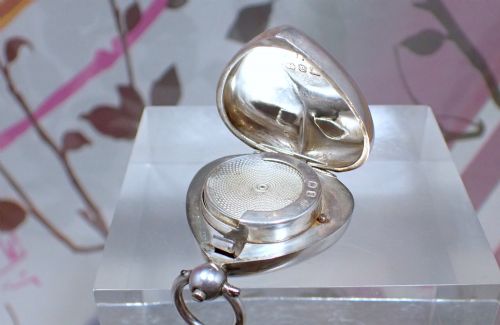
Several heart pendants double as functional pillboxes and match safe vesta cases for the prepared romantic.
Distinguishing quality
Quality rests in the precision of the silver smithing, particularly in the crispness of the heart outline and the seamless operation of hinges on lockets and vesta cases. Finer examples display careful attention to reverse sides and integrated bails.
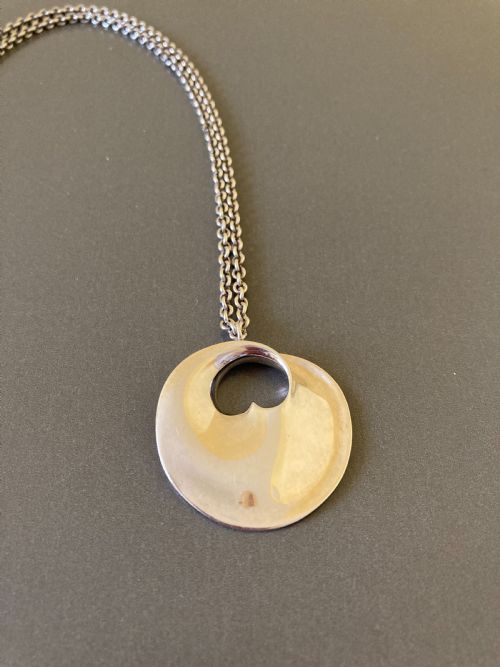
The choice and setting of embellishments elevate certain pieces above standard production, whether through matched diamonds or distinct modernist Scandinavian lines. Maker attribution, such as works by Georg Jensen or Hermann Siersbol, marks a distinct tier of design execution.
Georg Jensen·Vivianna Torun Bulow Hube·Hermann Siersbol·N E From
The Silver Heart Pendant Glossary
- Locket
- A hinged pendant designed to open and enclose a miniature photograph or keepsake. Edwardian and Victorian examples frequently utilise this form.
- Sterling silver
- An alloy of silver containing 92.5 percent pure silver and 7.5 percent other metals, usually copper, ensuring durability for jewellery. This standard appears across British and Danish pieces.
- Paste
- Hand-cut glass or lead crystal used to imitate gemstones in antique jewellery. It is set into silver mounts to create sparkling clusters and necklaces.
- Vesta case
- A small box designed to hold matches, occasionally adapted with a suspension loop to be worn as a pendant. These typically feature engraved silver surfaces.
- Marcasite
- Small faceted pieces of pyrite set closely into silver jewellery to provide a dark, metallic sparkle. This technique is characteristic of Art Deco design.
Frequently Asked Questions
What fits inside a locket pendant?
Antique lockets typically contain small paper photographs or miniature locks of hair.
Interior spaces are shallow, requiring images to be trimmed precisely to fit the internal metal frames.
How do I date a silver heart?
Dating relies upon stylistic markers, construction methods, and maker marks stamped on the metal.
Edwardian and Victorian pieces often feature hand engraving and hinged compartments, whilst 1960s Danish designs show minimalist smooth surfaces.
What is a puffy heart pendant?
A puffy heart is a hollow pendant formed from two convex stamped silver halves joined together.
This technique creates a three-dimensional heart shape without heavy weight.
Can I wear these on a modern chain?
Most pendants feature a loop or bail that accommodates standard modern necklace chains.
Some pieces retain their original period double chains or ribbon loops from the archive.