


Yellow Diamond Pendant
Discover yellow diamond pendant selections, offering historic charm and precious gem work from Victorian to mid-century eras.
Yellow Diamond Pendant
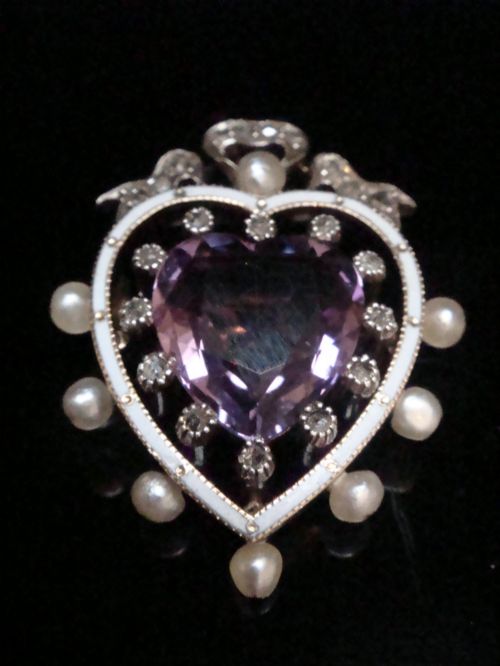
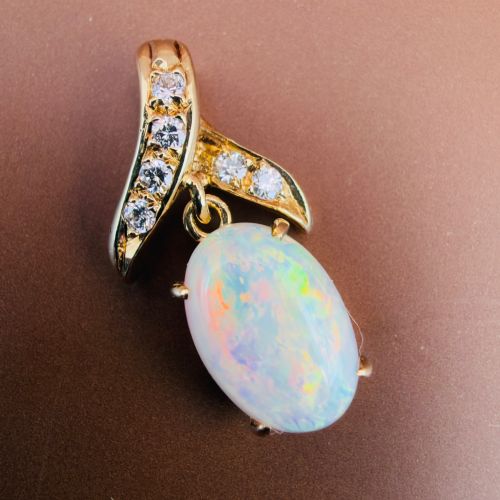
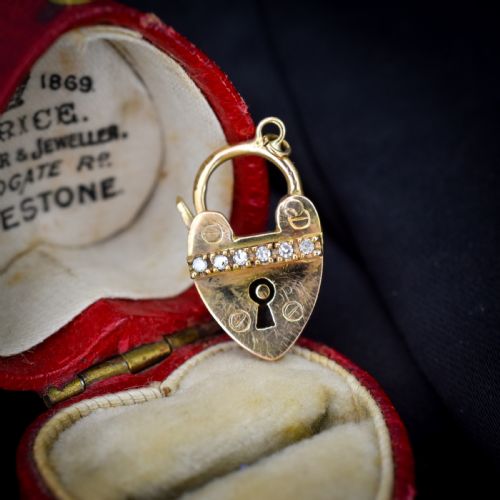
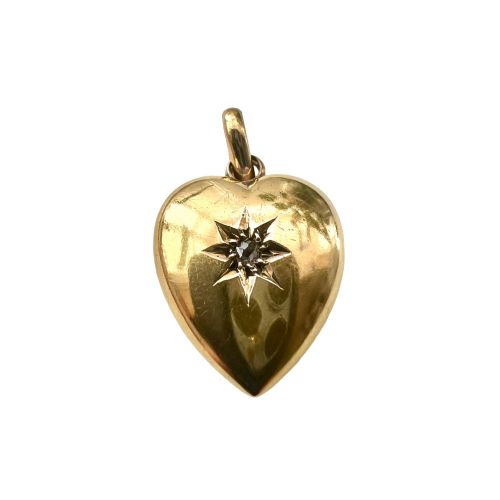
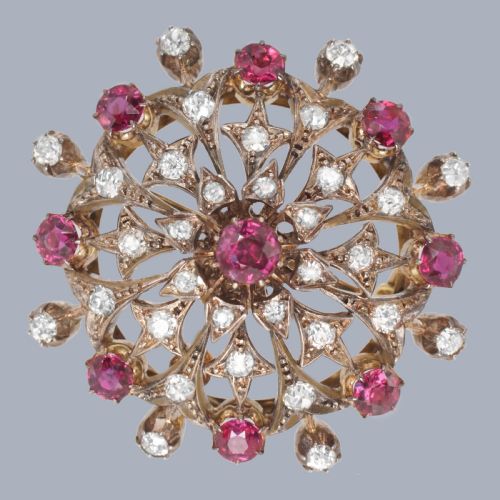
A yellow diamond pendant brings together historic goldwork and notable gemstone clusters, spanning periods from late Victorian eras through to mid-century modern designs. These pieces often incorporate drop settings, heart motifs, and intricate cluster arrangements that showcase the central stones.
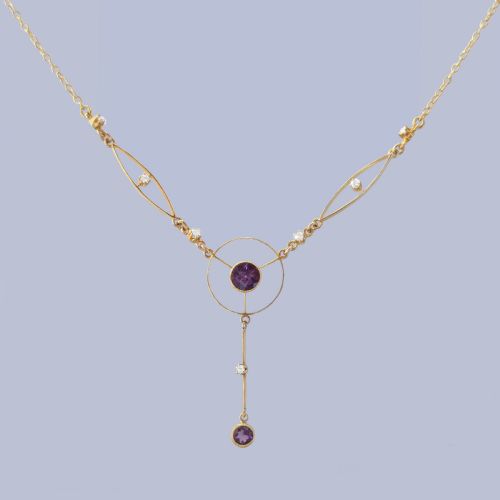
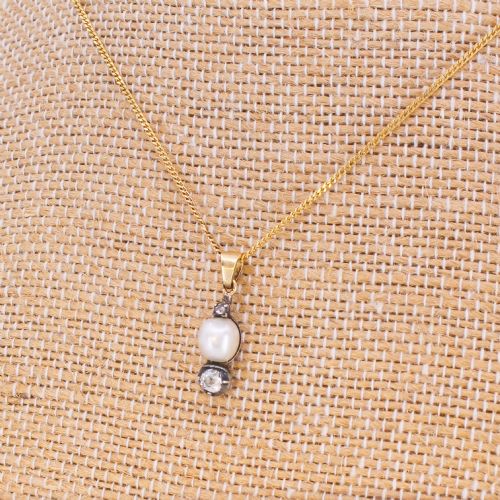
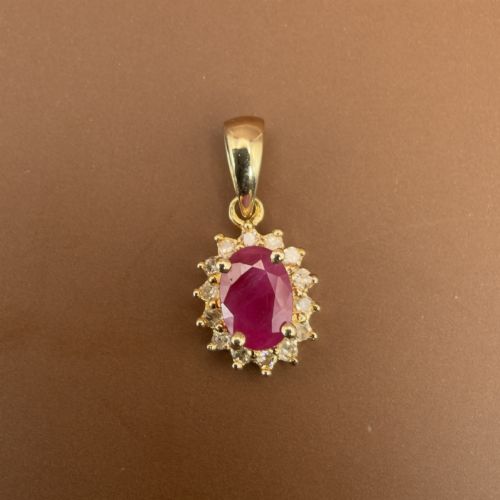
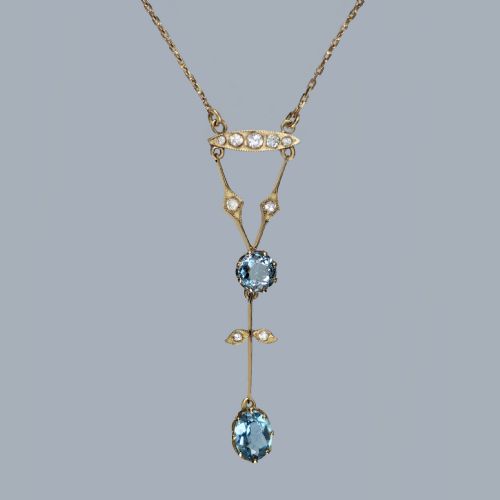
Buyers exploring this selection encounter diverse expressions ranging from Edwardian lavalier necklaces to robust 1950s cluster pendants. Many examples integrate accompanying gems like pearls, rubies, or aquamarines alongside gold chains and platinum accents.
Originating across British, French, and broader European workshops, these items reflect changing aesthetic movements from Art Nouveau curves to geometric Retro styles. Each pendant preserves the distinct character of its decade of creation.
Materials and construction methods
Gold forms the primary structural foundation across these pieces, utilising varying carat standards including 9ct, 14ct, 15ct, 18ct, and occasional high-carat formulations. Goldsmiths frequently paired yellow gold with silver or platinum settings to enhance the brilliance of mounted stones.
Lapidary techniques of the period relied heavily on old cut and rose cut diamonds, secured alongside coloured gems using traditional claw, bezel, and pave settings. Artisans incorporated delicate details like guilloche enamel, seed pearls, and hand-engraved motifs into the structural metalwork.
Listings feature yellow gold, silver, and platinum metals alongside diamonds, pearls, and coloured gemstones from the Victorian era onward.
Factors distinguishing quality
The standard of craftsmanship depends on the precision of the stone setting, the integrity of the gold or silver mount, and the preservation of intricate details such as enamel work or hand-carved motifs. Heavier metal weight and secure articulation in drop components denote higher levels of original atelier execution.
The distinction between tiers rests upon the clarity and cut of the diamonds, the saturation of accompanying coloured gems, and the overall survival of original components without modern alterations. Documented hallmarks and period-specific maker marks add historical validation to the physical construction.
A. AUGIS·C'est Laudier
The Yellow Diamond Pendant Glossary
- Old cut
- A vintage diamond cutting style characterised by a small table, high crown, and large culet, designed to catch candlelight.
- Lavalier
- A necklace featuring a pendant that drops below the main chain line, popular during the Edwardian period.
- Guilloche enamel
- A decorative technique where transparent enamel is layered over engine-turned metal engraving.
- Cluster pendant
- A jewellery arrangement featuring a central gemstone surrounded by a border of smaller stones.
- Brooch pendant
- A versatile antique jewellery form fitted with both a pin and a loop to allow wear as either ornament.
Yellow Diamond Pendant: Frequently Asked Questions
What periods do these pendants come from?
The inventory encompasses pieces from the Victorian, Edwardian, Art Nouveau, and mid-century eras, reflecting distinct design shifts across the nineteenth and twentieth centuries.
Items date from the late 1880s through to the 1960s, capturing stylistic evolutions in gold smithing and gemstone setting.
How were antique pendants worn historically?
Historic pendants served multifunctional roles, frequently transitioning between neck chains, chatelaines, and specialised brooch fittings depending on the wearer's attire.
Many high-carat gold examples incorporated loops or convertible pin mechanisms for versatile display on garments or ribbons.
What metals are typically used in these designs?
Gold dominates the construction, utilising yellow gold and rose gold in various purities alongside silver-topped gold configurations typical of older artisan work.
Platinum also appears in later twentieth-century mounts to secure diamonds against white metal backgrounds.
How do I identify the age of a pendant?
Dating relies upon stylistic markers such as Edwardian filigree, Victorian mourning motifs, and mid-century cluster layouts, supported by official assay office hallmarks.
Examination of the stone cuts, particularly old and rose cuts, provides further chronological context.