

White Diamond Necklace
A white diamond necklace brings together brilliant stones and precious metals across periods from the Edwardian era to the mid-twentieth century.
White Diamond Necklace
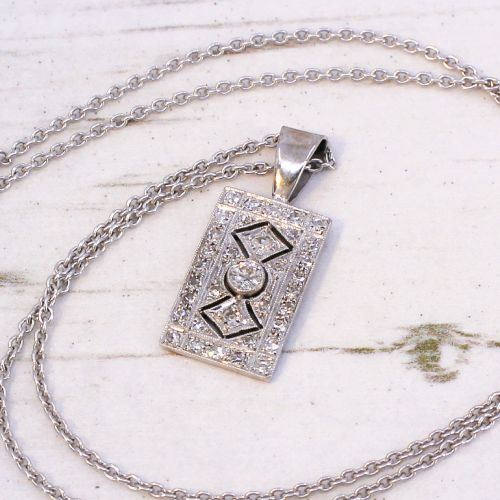
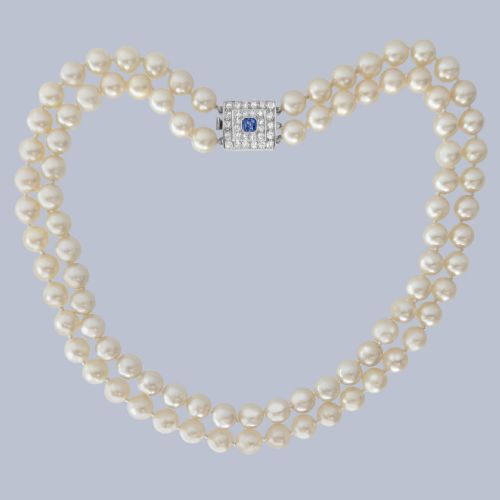
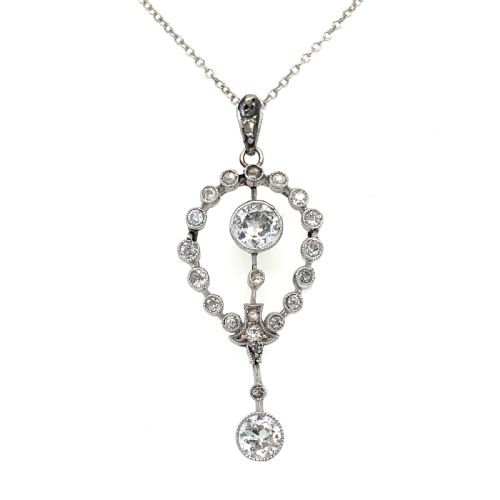
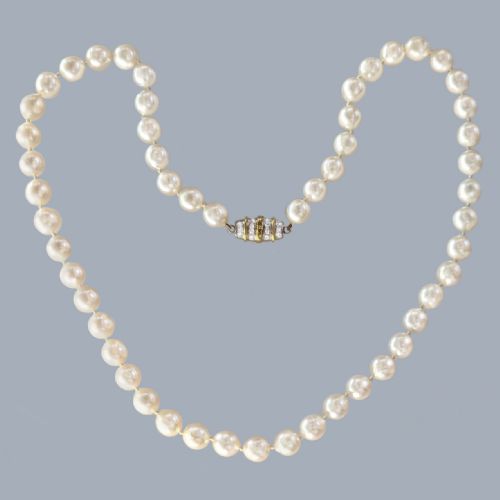
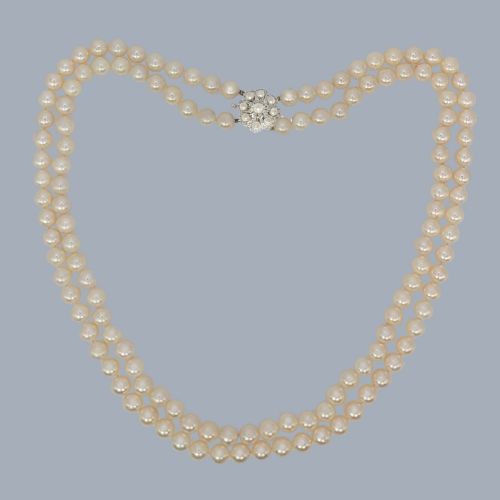
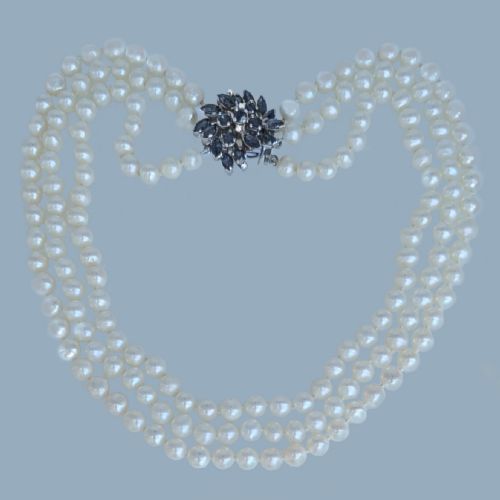
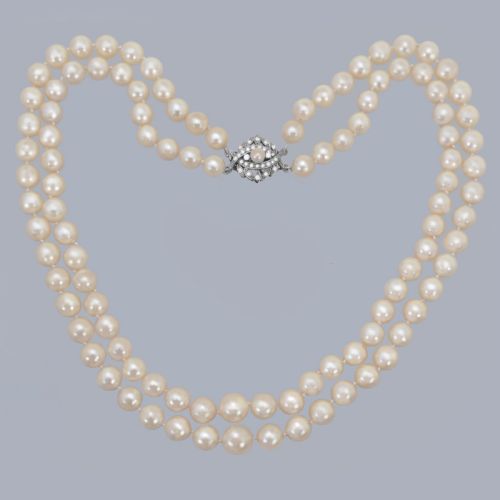
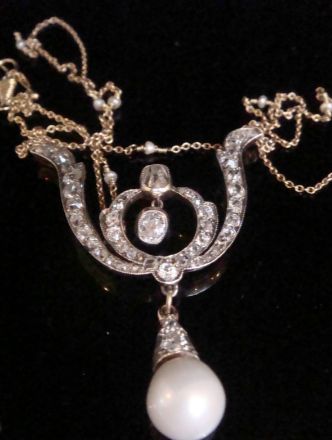
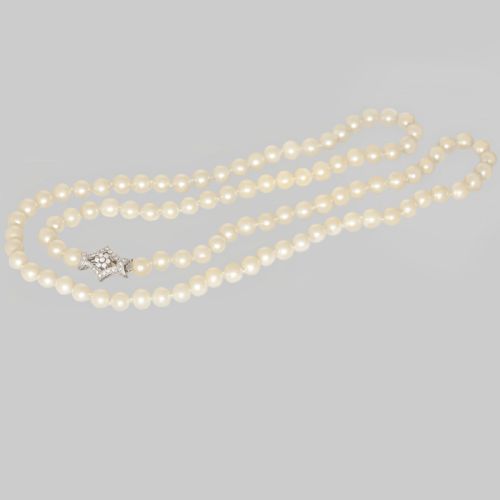
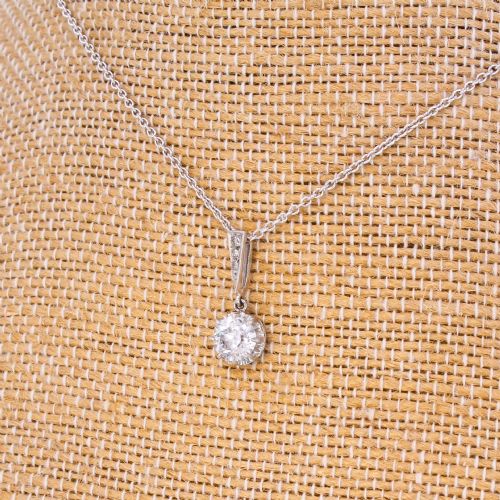
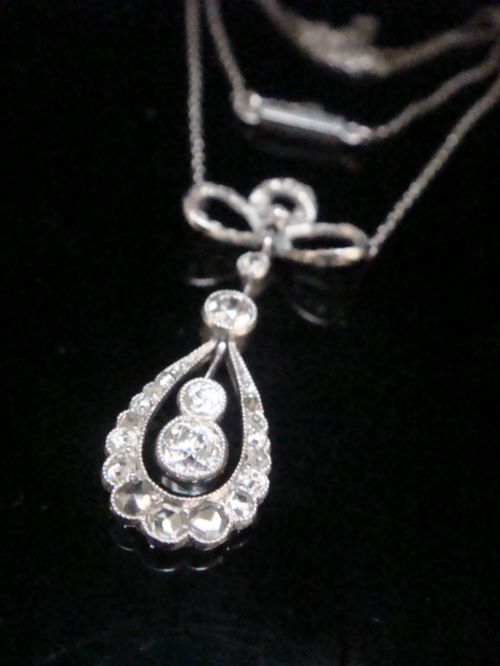
A white diamond necklace encompasses a variety of forms, ranging from single stone solitaire pendants to elaborate multi-strand pearl necklaces secured with diamond-set clasps. Buyers seeking this style will encounter pendant necklaces, drop pendants, and multi-row pearl strands originating from the Edwardian period, the Art Deco era, and the nineteen-fifties and nineteen-sixties.
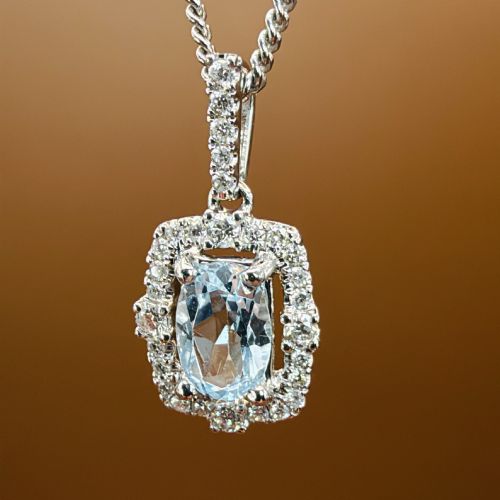
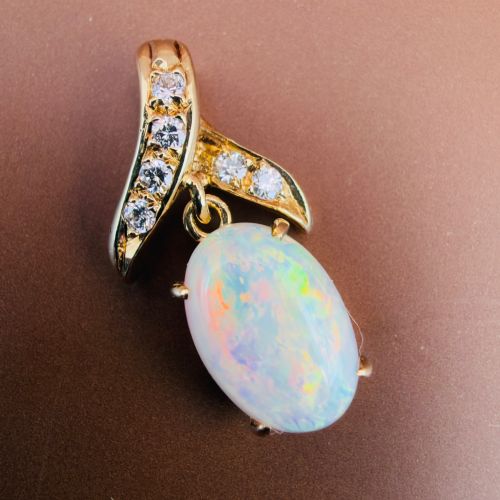
Many examples combine diamonds with coloured gemstones such as sapphires, aquamarines, opals, and rubies, set into gold or platinum mounts. Single-stone diamond pendants and cluster designs sit alongside pearl necklaces featuring intricate diamond clasps, reflecting the prevailing taste of their respective decades.
How they were made
The construction of these pieces relies heavily on eighteen-carat and nine-carat white gold, platinum, and silver settings to hold the stones securely. Metalwork techniques such as bezel settings, claw settings, and delicate platinum framing are common across Edwardian and Art Deco pieces.
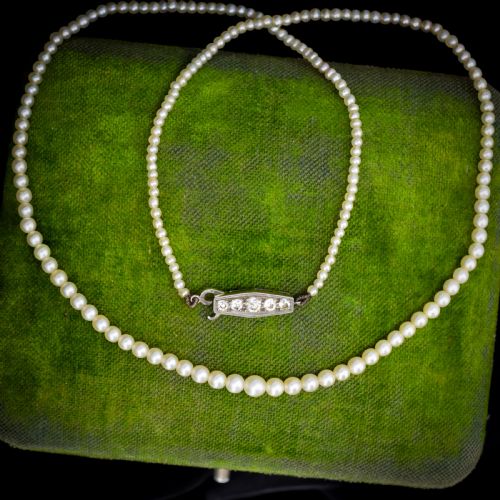
Pearls used in the multi-strand necklaces are frequently cultured or saltwater varieties, often strung together and paired with detailed clasps incorporating old-cut or rose-cut diamonds. Goldsmiths utilised traditional casting and hand-setting methods to integrate diamonds with rubies, sapphires, and opals.
Listings feature white diamond necklaces combined with pearls, opals, aquamarines, and sapphires across the Edwardian, Art Deco, and mid-century periods.
What varies in quality
Quality in these necklaces is determined by the cut and clarity of the diamonds, the uniformity and lustre of the pearls, and the intricacy of the metalwork. Pieces featuring certified old-cut diamonds or natural saltwater pearls demonstrate superior craftsmanship and material selection.
The architectural precision of Art Deco mounts or the delicate filigree work of Edwardian platinum settings distinguish finer examples from standard mid-century production pieces. The integration of secondary gemstones, such as calibre-cut sapphires, also influences the overall refinement of the design.
The White Diamond Necklace Glossary
- Old-cut diamond
- A diamond cut popular in the late nineteenth and early twentieth centuries, characterised by a high crown, small table, and deep pavilion.
- Platinum
- A dense, durable, and naturally white precious metal frequently utilised in Edwardian and Art Deco jewellery for delicate settings.
- Cultured pearl
- A pearl formed by the introduction of an irritant into an oyster or mollusc, commonly found in mid-century multi-strand necklaces.
- Clasp
- A functional fastening mechanism that, in many period necklaces, doubles as an ornate focal point set with diamonds and sapphires.
White Diamond Necklace: Frequently Asked Questions
How do I date a diamond necklace?
Dating relies on the cut of the diamonds, the metal composition, and the overall design style, such as geometric Art Deco motifs or Edwardian platinum work.
Hallmarks, maker's marks, and independent gemological reports further assist in confirming the specific decade of manufacture.
Are the pearls natural or cultured?
Many period pieces utilise cultured pearls, particularly those originating from the nineteen-fifties and nineteen-sixties, while earlier Edwardian and antique examples may feature saltwater pearls.
Specialist gemological certification often accompanies these necklaces to verify the origin and nature of the pearls.
How should I care for a pearl and diamond necklace?
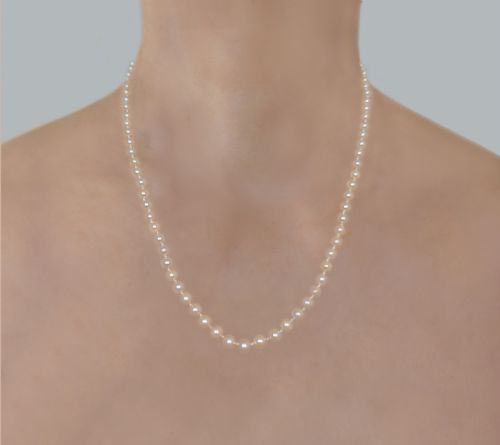
Pearls require gentle cleaning with a soft cloth and should be stored away from hard gemstones to prevent scratching the surface.
Frequent wear of multi-strand pearl necklaces may necessitate periodic restringing to ensure the silk or cord remains secure.
What is an old-cut diamond?
An old-cut diamond refers to stones shaped by hand before modern symmetrical cutting techniques were established, giving them a distinctive, softer sparkle under candlelight.
These cuts are frequently encountered in Edwardian and Art Deco pendants and clasps.