
Vintage Desk Ornament Sculpture
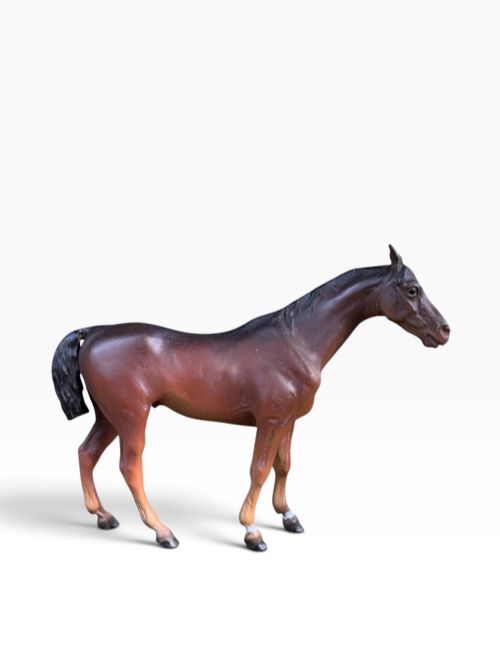
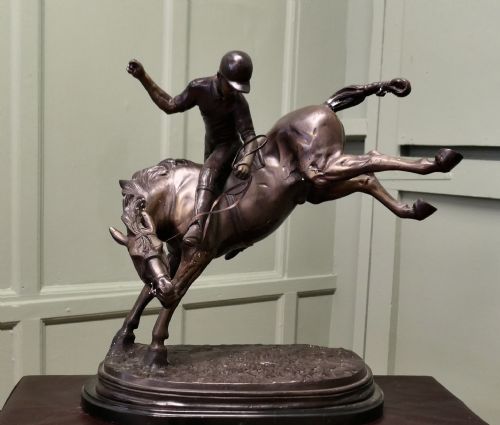
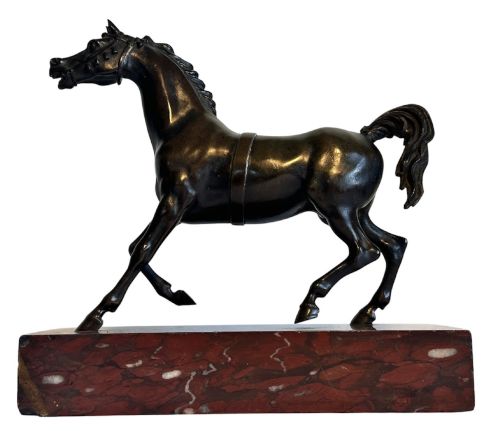
When you search for a vintage desk ornament sculpture, you encounter small works of animalier art and figurative bronzes designed for practical surfaces.
Vintage Desk Ornament Sculpture
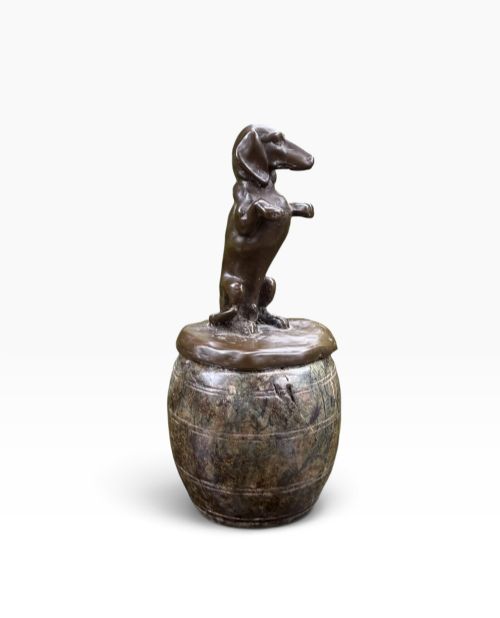
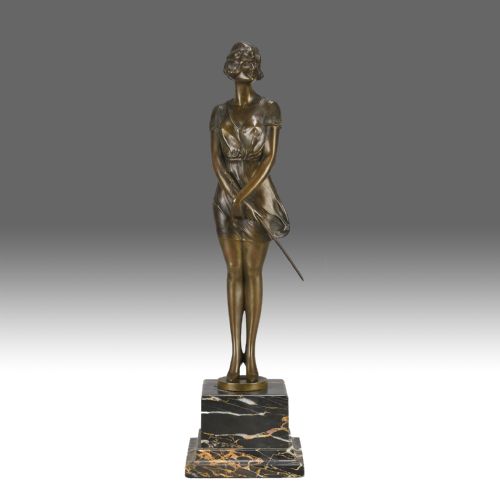
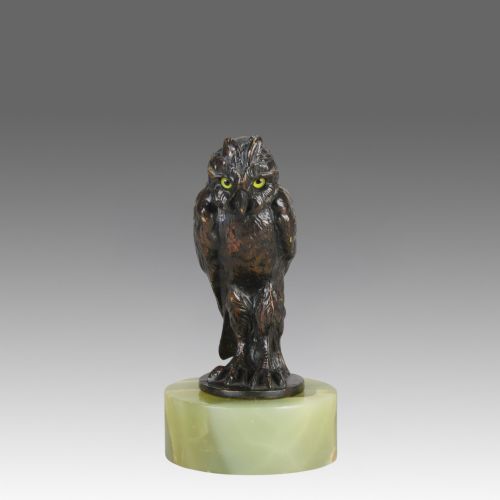
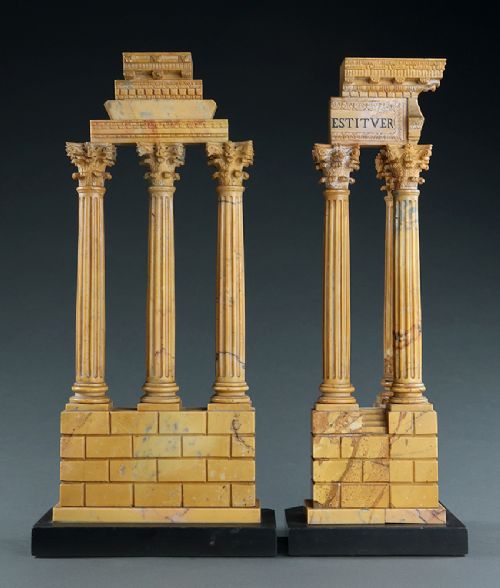
A vintage desk ornament sculpture brings miniature casting and carving to workspaces, featuring subjects from hunting dogs and birds of prey to human dancers and classical architectural models. These objects function simultaneously as decorative figurines and useful paperweights for domestic or professional studies.
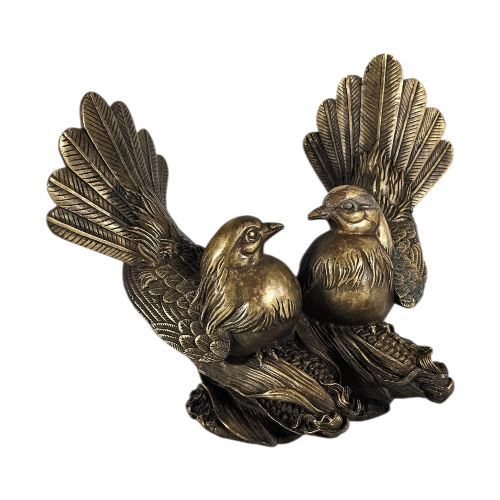
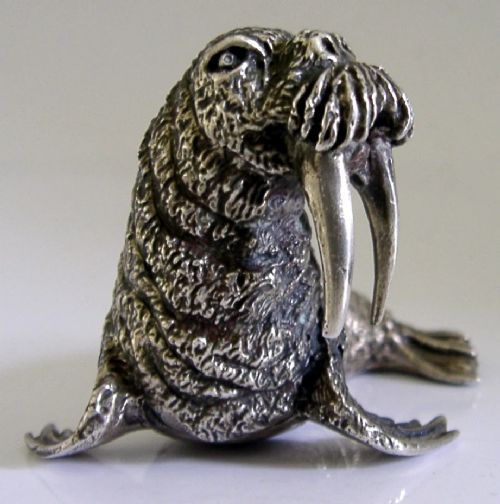
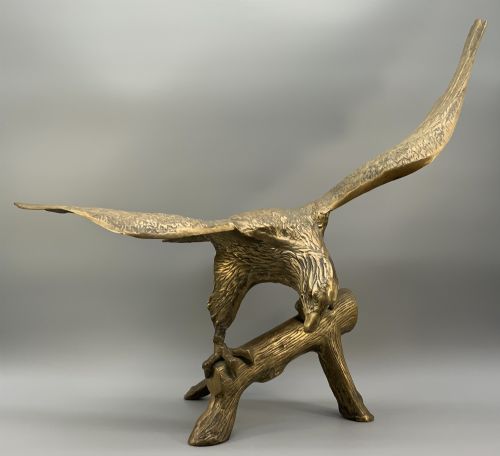
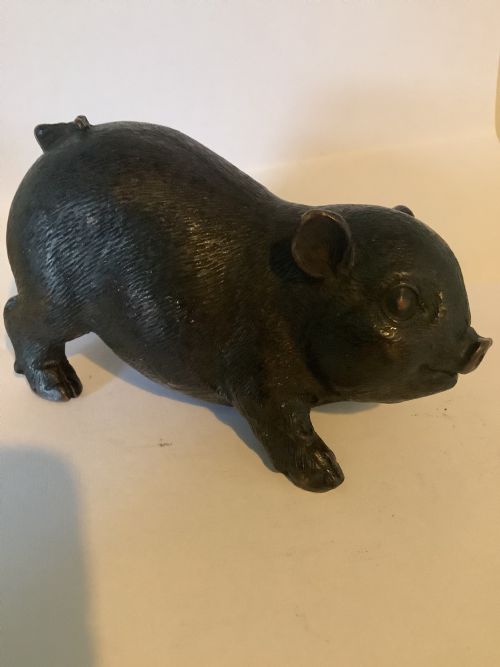
The selections available here span animalier studies, Grand Tour marble temples, and Art Deco figures. Animal subjects range from cold-painted bronze mice and pigeons to large brass eagles and silver foxes.
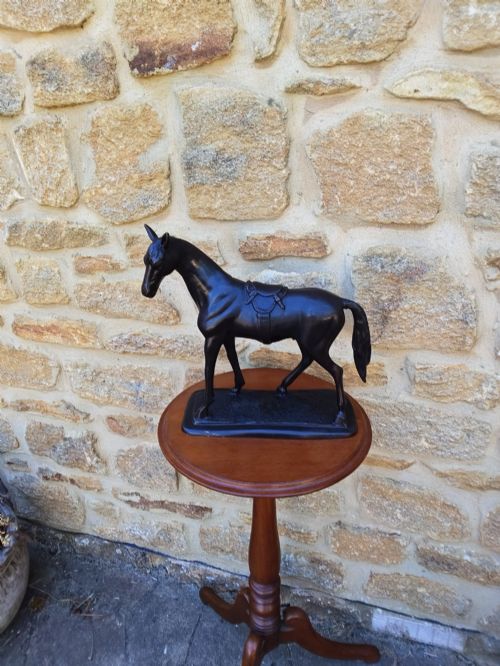
Origins stretch across European and Asian workshops, incorporating nineteenth-century French animalier bronzes, Austrian cold-painted foundry work, and twentieth-century British silver pieces. Collectors encounter materials that include patinated metal, soapstone, teak, and carved marble.
How they were made
Foundries utilised the lost-wax casting method for metal pieces, pouring molten bronze or brass into detailed moulds before applying patination or polychrome cold-painted finishes. Silver figures involved casting or sheet manipulation paired with detailed chasing by hand.
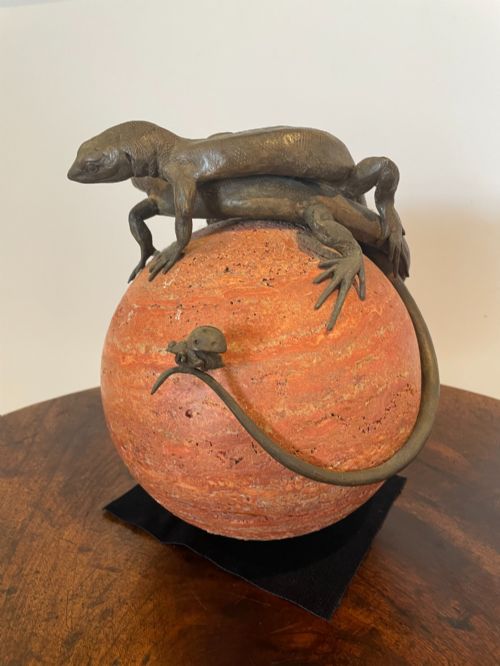
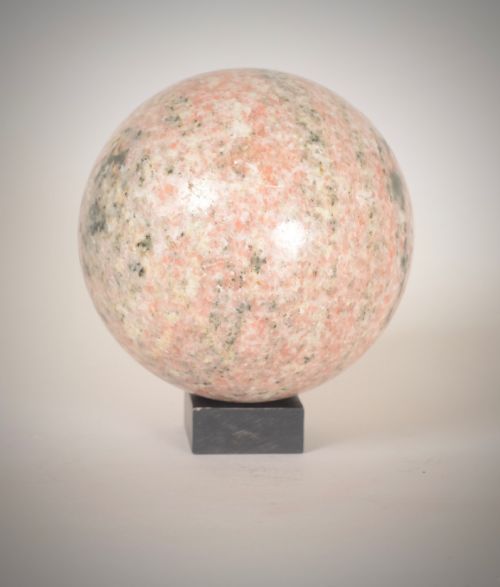
Carved stone works relied on hand-shaping durable materials such as black marble, onyx, granite, and soapstone to form naturalistic plinths, spheres, and architectural models. Wood pieces employed traditional joinery and hand-carving techniques on teak and other hardwoods.
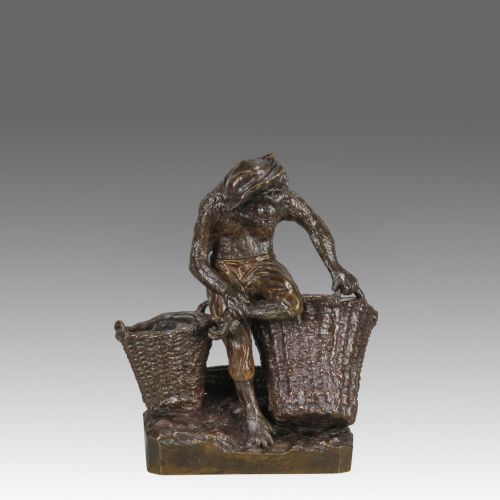
Several miniature bronzes feature surprisingly detailed tiny buckets, baskets, or resting birds perched beside larger animals.
What varies in quality
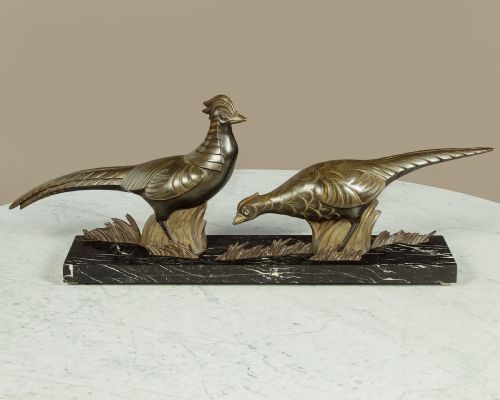
Material pairing influences overall execution, particularly where figures join marble or onyx bases. High-quality pieces feature secure, well-fitted mounts and choice stone selections that complement the metalwork rather than appearing mismatched.
Bruno Zach·Christophe Fratin·Antoine Louis Barye·Franz Bergman
The Vintage Desk Ornament Sculpture Glossary
- Animalier
- A nineteenth-century artistic movement dedicated to the realistic portrayal of animals. Sculptors in this tradition focused on anatomical precision during movement or rest.
- Cold-painted bronze
- A technique where bronze or brass figures are painted with polychrome oil or enamel paints without subsequent kiln firing. This method was particularly popular in Austrian workshops.
- Grand Tour
- Souvenirs and miniature architectural models collected by travellers during educational European journeys in the nineteenth century. These often utilised high-grade marbles and bronzes.
- Patinated metal
- Metal treated with chemical solutions to produce a specific surface colour or aged appearance. This coating protects the underlying material while enhancing visual depth.
Vintage Desk Ornament Sculpture: Frequently Asked Questions
What is a cold-painted bronze sculpture?
A cold-painted bronze is a metal casting decorated with hand-applied oil or enamel colours that dry without high-temperature firing. This technique allowed Austrian foundries to produce vibrant birds, dogs, and human figures.
Collectors look for preserved pigment layers across the surface, as these paints can wear down over decades of handling and cleaning.
How do I identify an animalier bronze?
Animalier bronzes depict animals in naturalistic poses, often capturing tension, motion, or moments of rest. The style emerged strongly in nineteenth-century France through the work of specialised sculptors.
Examine the musculature and texture of the coat or feathers, which should demonstrate close observation of the living subject by the artist.
Were these sculptures originally meant for desks?
Many figures double as paperweights or decorative desk accessories designed to hold down correspondence in studies and offices. Their heavy metal or stone bases provided the necessary weight for practical use.
Compact dimensions allowed them to sit among inkstands and blotters without occupying excessive workspace.