
Vintage Desk Light
A vintage desk light brings focused illumination and period character to a workspace, drawing on decades of design from the Victorian era through Art Deco.
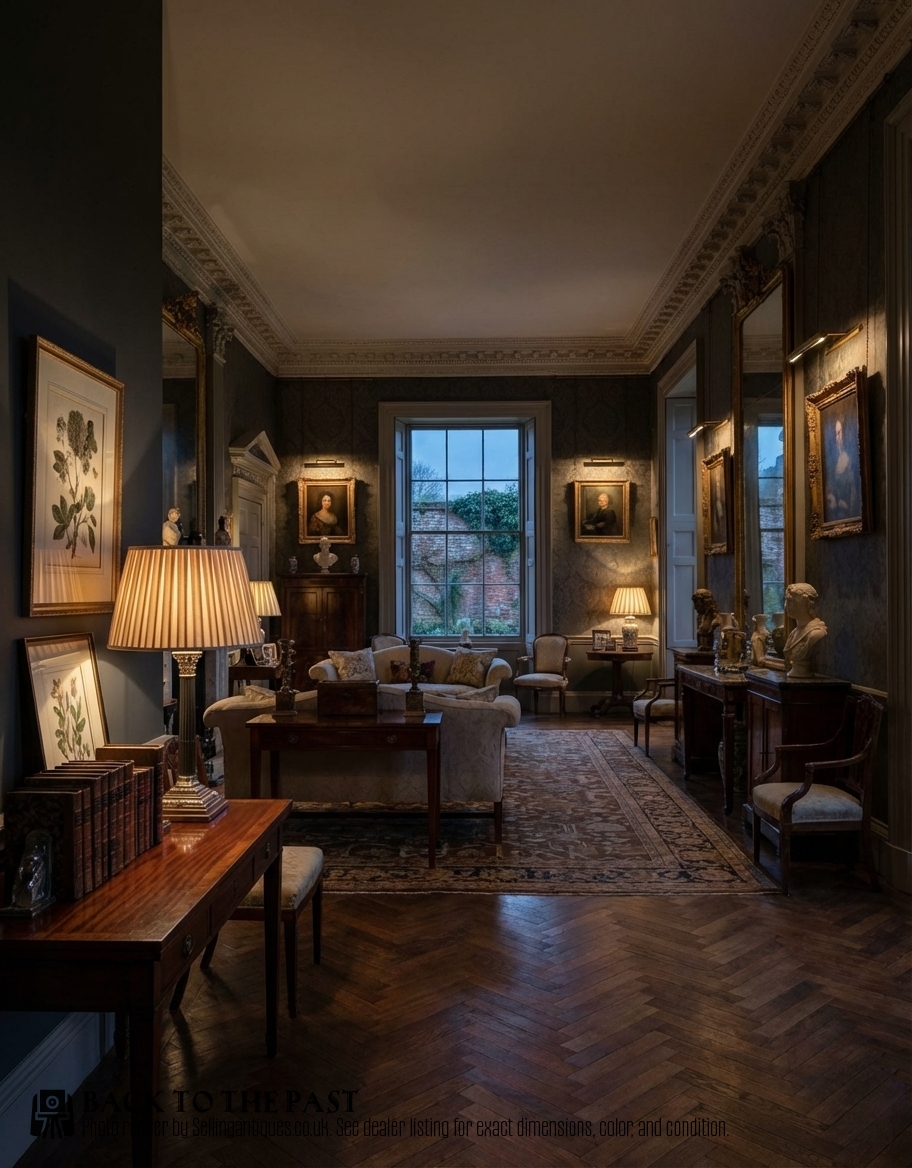
Vintage Desk Light
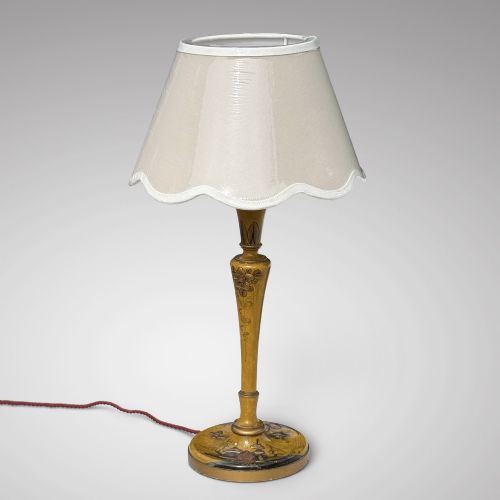
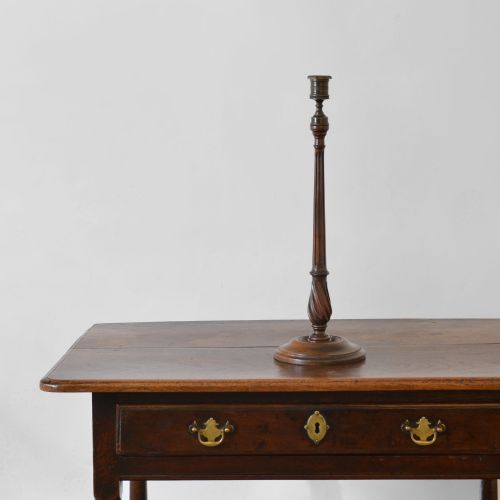
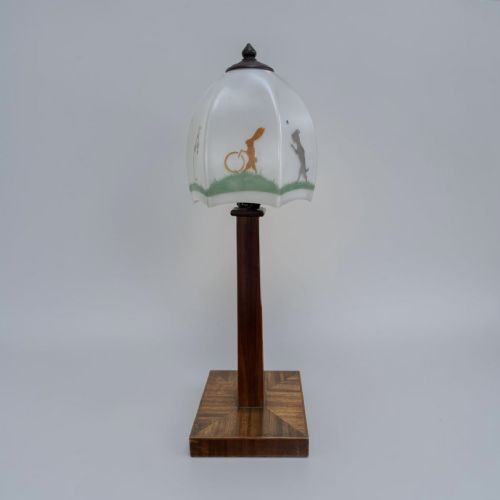
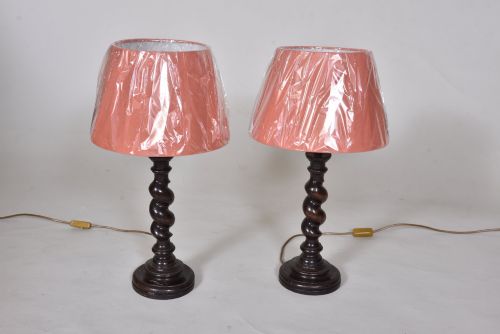
A vintage desk light encompasses various forms designed to illuminate work surfaces, drawing from periods such as the Victorian era, the Edwardian period, and the 1930s. Buyers searching this phrase frequently encounter brass table lamps, adjustable lights, and converted candlesticks that served working spaces in earlier decades.
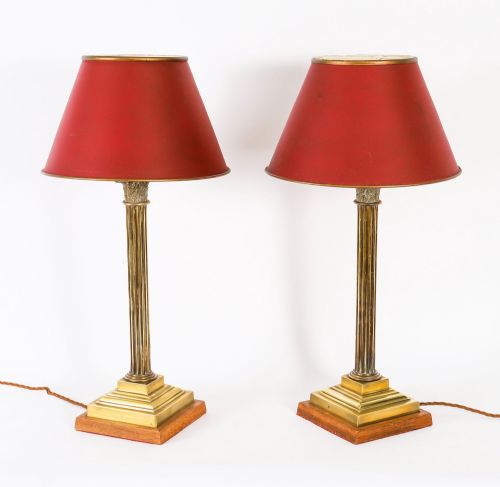
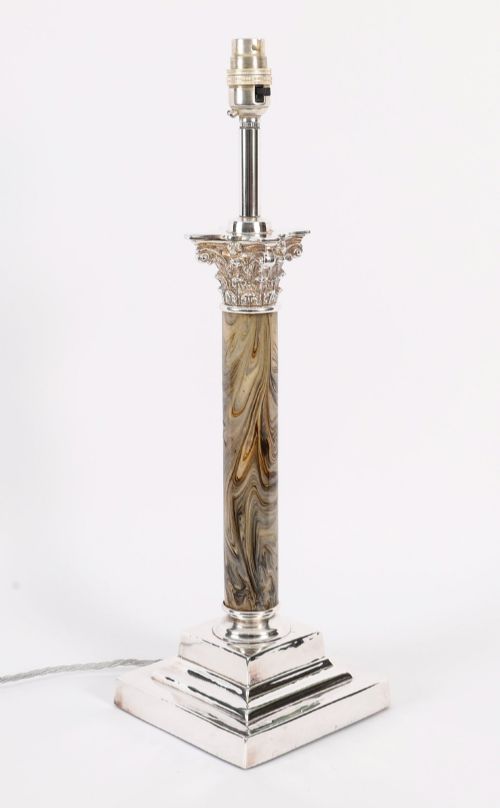
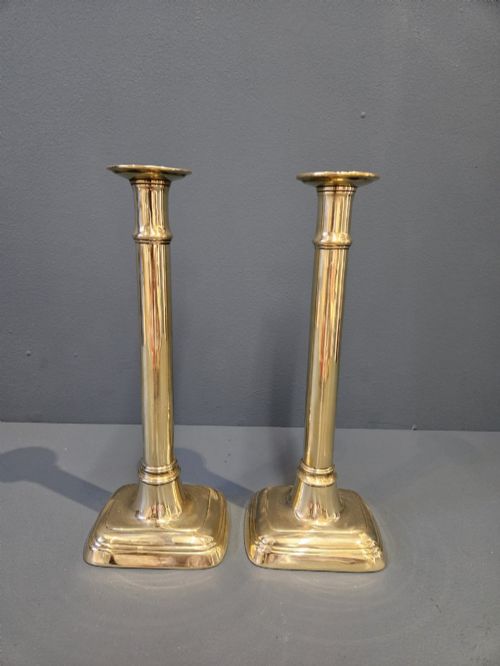
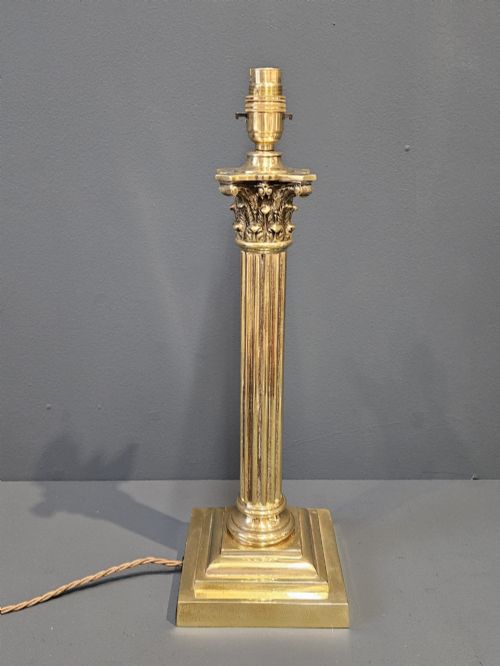
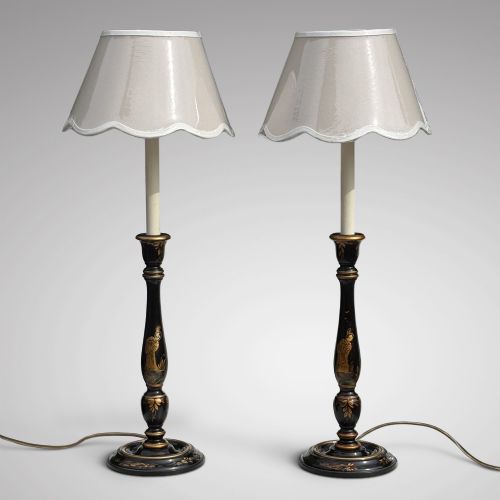
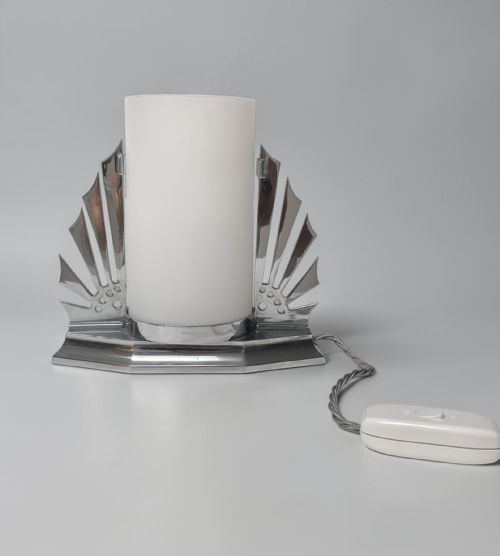
The selection ranges from early brass Corinthian columns and Pullman lamps to streamline Art Deco designs and modernist creations. These pieces utilise traditional forms adapted for illumination, including converted oil lamps and weighted metal bases suited for regular desktop use.
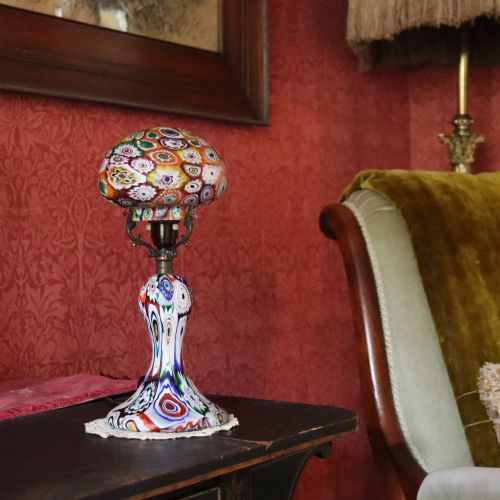
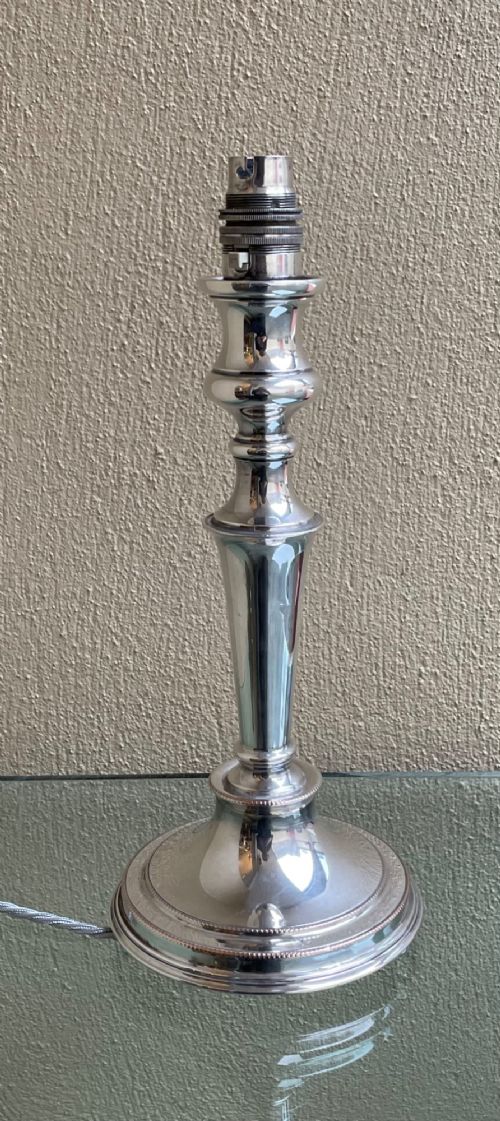
Origin and period heavily dictate the character of these items, with English, French, and Italian examples appearing across the inventory. Materials span from polished brass and silver plate to carved wood, glass, and lacquered finishes.
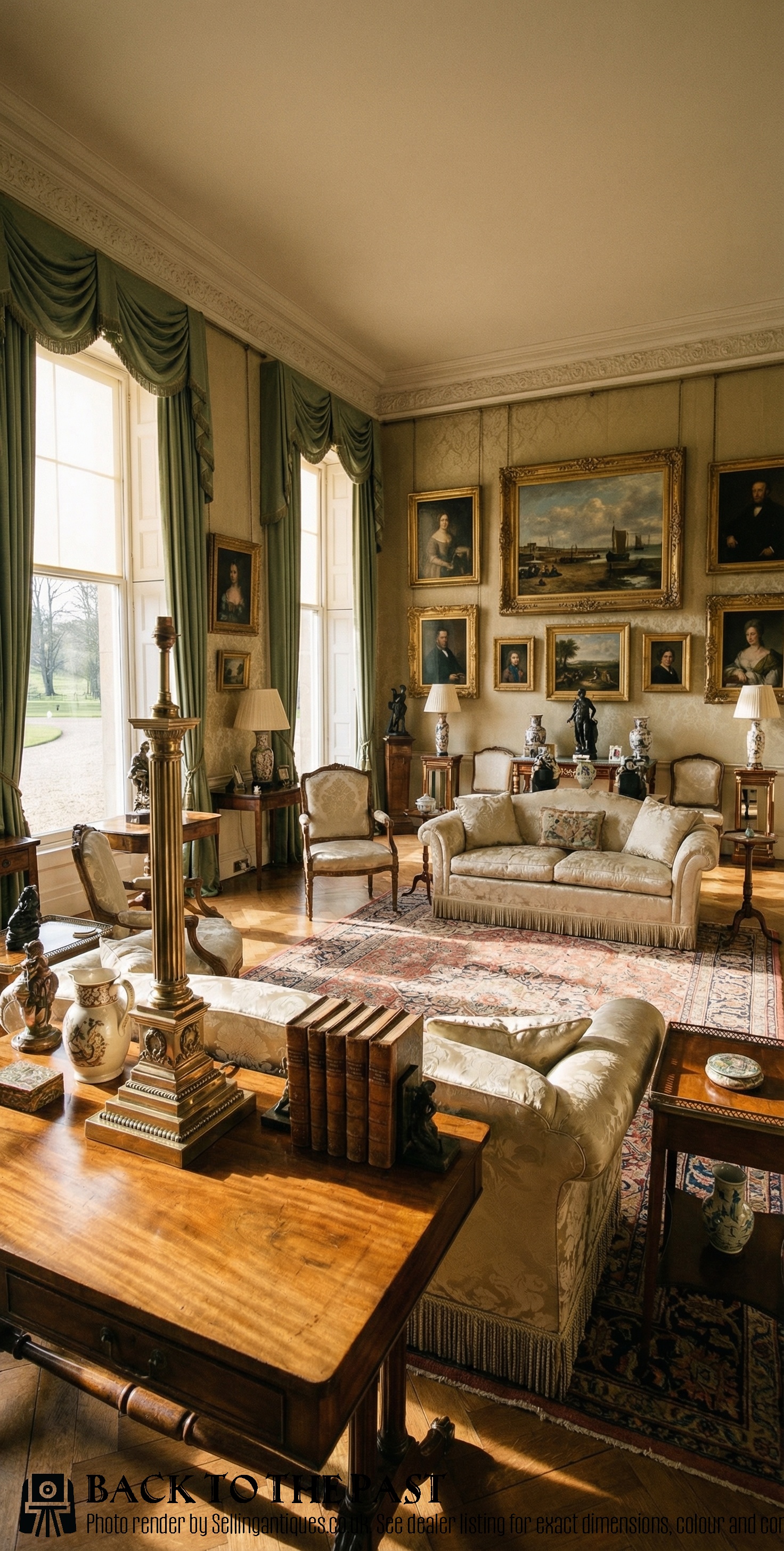
Materials and construction methods
Metalworking forms the backbone of these pieces, with cast and spun brass, bronze, and silver plate dominating the construction of columns and adjustable arms. Heavier metals provide the necessary counterweight for articulated or extended light fittings.
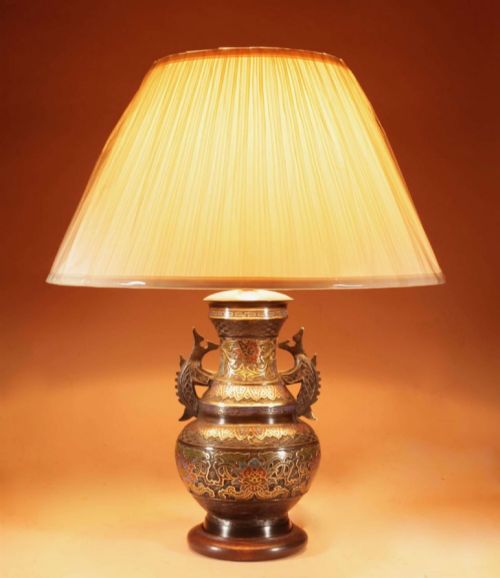
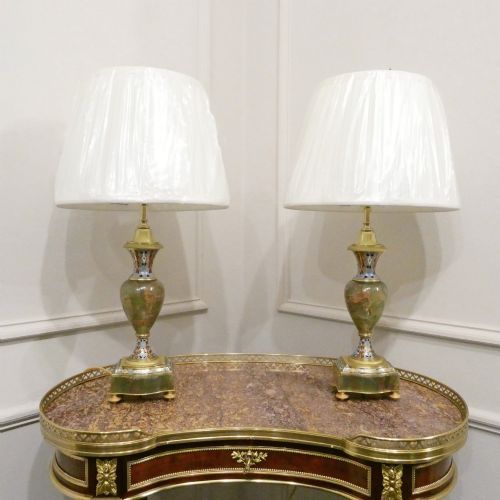
Cabinetmakers and metalworkers also utilised wood, marble, and glass, incorporating oak, mahogany, satin birch, crystal, and opaline shades into the assemblies. Lacquering, hand-painting, and champlevé enamelling frequently decorate the surfaces of early twentieth-century examples.
Vintage Desk Light Retail Price Guide 2026
Typical asking prices for vintage desk light among the pieces listed under this phrase on Sellingantiques today, from the lower quarter to the upper quarter. They describe what is for sale here now, not the wider market.
The inventory includes pieces from the Victorian era up to the 1930s, featuring brass, oak, marble, and silver plate.
Assessing quality in lighting
Quality rests in the weight of the casting, the precision of the joints in adjustable models, and the integrity of the original surface finishes. Superior examples display crisp chasing on brass columns and robust mechanical components that hold their position securely.
The choice of materials distinguishes standard production from finer workshop output, particularly in the thickness of the silver plating and the clarity of cut crystal or blown glass components. Original mounts and intact decorative details preserve the integrity of the design.
Eileen Grey·Fratelli Toso·W.A.S. Benson·Arthur Basil Reynolds·Heals of London
The Vintage Desk Light Glossary
- Pullman lamp
- A compact lighting fixture originally engineered for railway carriage use, characterised by a robust metal housing and adjustable mounting capability. These units were built for durability in confined spaces.
- Champlevé
- An enamelling technique where troughs are carved into a metal surface and filled with vitreous enamel before firing. This method creates colourful decorative patterns on brass bodies.
- Bakelite
- An early synthetic thermosetting plastic frequently employed for lamp bases and switch housings during the Art Deco period. It offers a dense, smooth finish with a distinctive dark lustre.
- Opaline glass
- A pale, semi-translucent glass developed to diffuse light softly without glare. It frequently appears in shades fitted to early twentieth-century desk and oil lamps.
Vintage Desk Light: Frequently Asked Questions
How do I choose the right size?
Consider the scale of your workspace and the reach of the arm if the model is adjustable. Taller Corinthian column lamps require a larger desk surface to maintain visual balance.
Ensure the height places the light source above eye level to prevent glare while working.
Are these lights rewired for modern use?
Many examples are updated with modern flex and plugs to meet current electrical standards while retaining their vintage appearance. It remains wise to have older wiring inspected by a qualified electrician before daily use.
Original brass components and sockets are frequently preserved during any necessary rewiring work.
How do I clean brass bases?
Dust the metal gently with a soft, dry cloth to remove surface particles without disturbing any patination. Avoid harsh chemical polishes that strip the historic surface character.
Glass shades can usually be removed and washed in warm, soapy water before being dried thoroughly.
How do I date a metal lamp?
Examine the casting quality, switch mechanism, and fastener types, as manufacturing techniques evolved significantly between the Victorian era and the 1930s. Styles such as Arts and Crafts or Art Deco provide clear stylistic markers.
Maker marks, registration numbers, or stamps on the base offer the most reliable chronological evidence.