






Vintage Delft Wall Plate
These vintage delft wall plates bring tin-glazed earthenware and oak display furniture together for atmospheric historic interiors.
Vintage Delft Wall Plate
A vintage delft wall plate search brings up a distinct mix of tin-glazed earthenware dishes and timber display furniture.
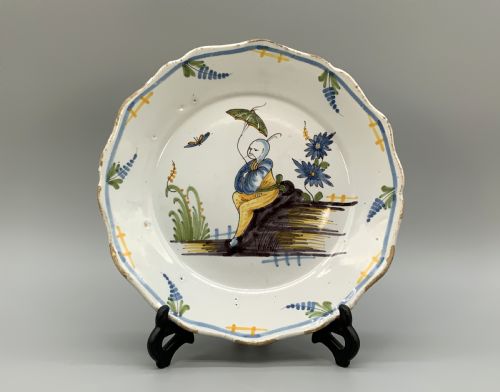
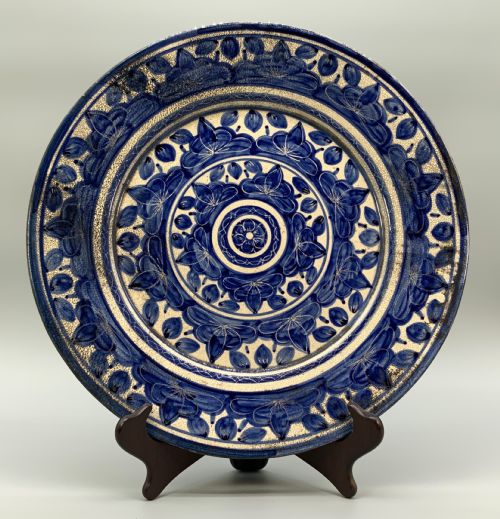
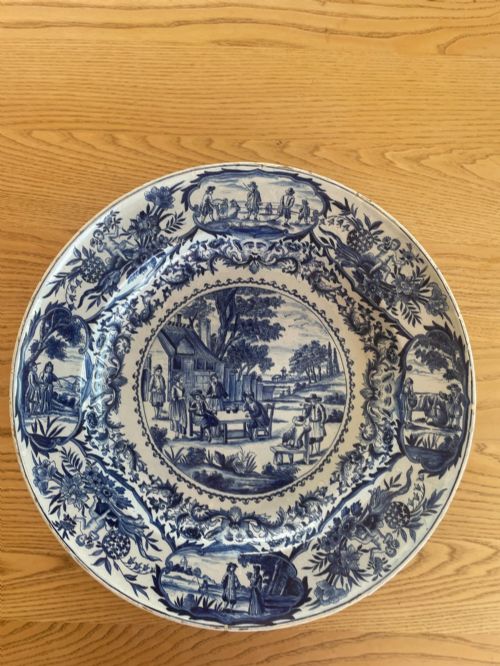
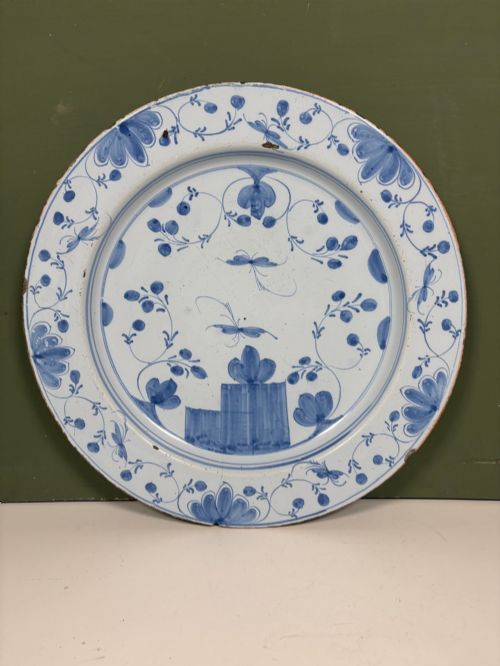
The ceramic pieces span chargers, shallow bowls, and decorative plates painted in blue and white, manganese, and polychrome palettes.
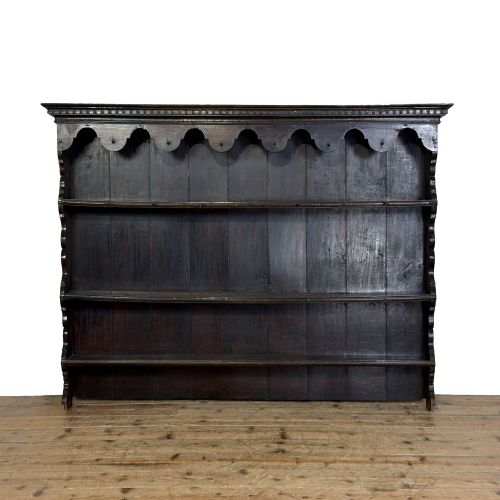
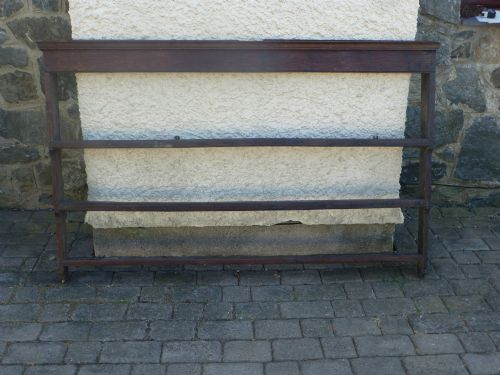
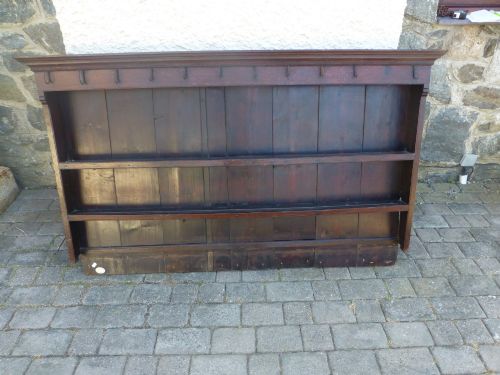
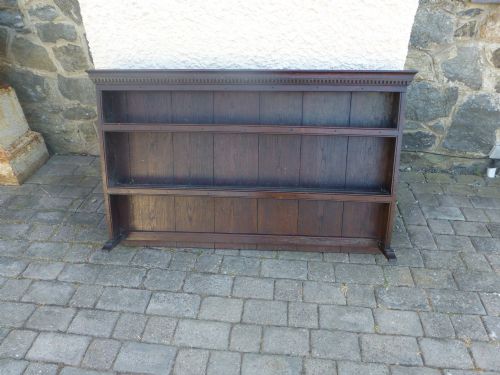
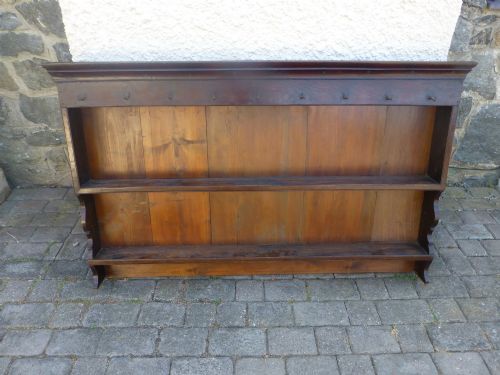
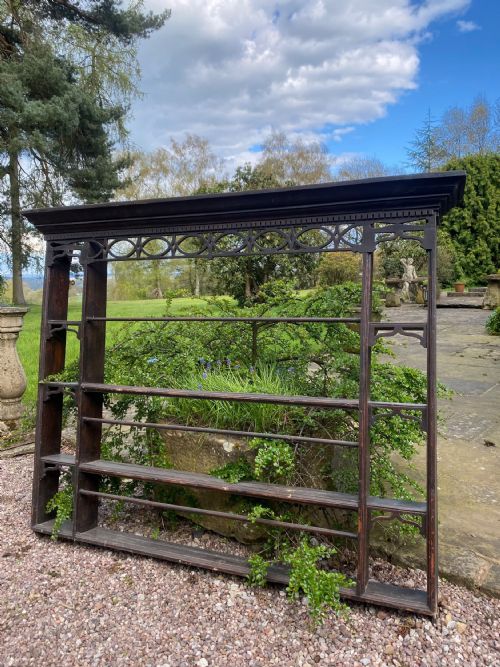
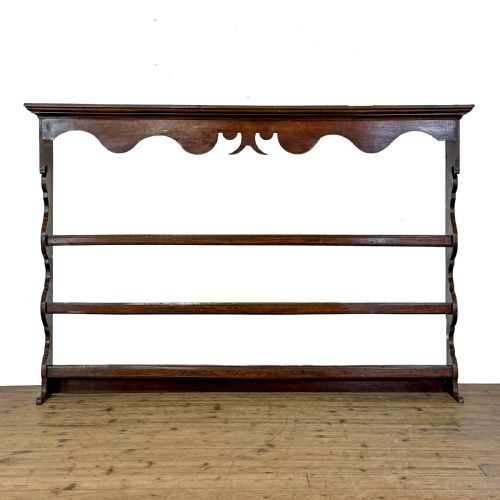
The furniture component consists primarily of oak dresser plate racks and wall shelves designed to display these ceramic objects.
How They Were Made
The ceramic works utilise tin glaze applied over an earthenware body, decorated with cobalt oxide and other pigments.
Makers shaped the plates and chargers before firing, occasionally employing grand feu techniques for specific colour reactions.
The accompanying racks and shelves employ solid oak, pine, and marquetry woodwork, often featuring carved elements suited to period settings.
Vintage Delft Wall Plate Retail Price Guide 2026
Typical asking prices for vintage delft wall plate among the pieces listed under this phrase on Sellingantiques today, from the lower quarter to the upper quarter. They describe what is for sale here now, not the wider market.
Plates painted in manganese often turn out looking pleasantly plummy rather than strictly purple.
What Varies in Quality
Quality rests on the crispness of the hand-painted floral, Chinoiserie, or geometric decoration across the tin-glazed surface.
In the accompanying woodwork, construction depth and the choice of native oak versus secondary timbers distinguish regional pieces.
The Vintage Delft Wall Plate Glossary
- Tin-Glazed Earthenware
- Pottery covered with a white tin-opacified glaze that accepts painted pigments. This forms the standard ground for traditional delft decoration.
- Charger
- A large decorative plate intended for display rather than dining. These items frequently feature prominent painted scenes or borders.
- Grand Feu
- A high-temperature ceramic firing technique. This process allows metallic oxides to fuse directly into the glaze.
- Dresser Rack
- A wall-mounted wooden frame fitted with grooves and rails. These structures hold plates upright for kitchen and dining room display.
- Manganese
- A purple-brown metallic pigment used in ceramic painting. It appears frequently alongside blue and white pigments on continental wares.
Vintage Delft Wall Plate: Frequently Asked Questions
What is a vintage delft wall plate?
A vintage delft wall plate is a tin-glazed earthenware dish decorated with hand-painted pigments, historically intended for visual display.
These pieces encompass blue and white designs, manganese tones, and polychrome floral compositions originating from various European ceramic traditions.
How were plate racks used?
Plate racks served as wall-mounted furniture to organise and exhibit ceramic chargers and plates within domestic spaces.
They kept decorative tableware visible and secure while freeing up surface room on tables and sideboards.
What materials are common?
The ceramic items consist of earthenware finished with tin glaze and cobalt or metallic pigments.
The display fixtures are built predominantly from oak, pine, and occasional marquetry timbers.
How do styles differ?
Styles range from English country and Georgian oak racks to Dutch Baroque, Moorish, and French Chinoiserie ceramic designs.
Regional painting techniques and timber joinery dictate the distinct appearance of each piece.