




Vintage Defence Cane
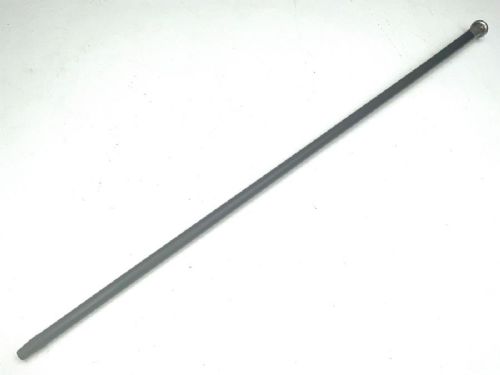
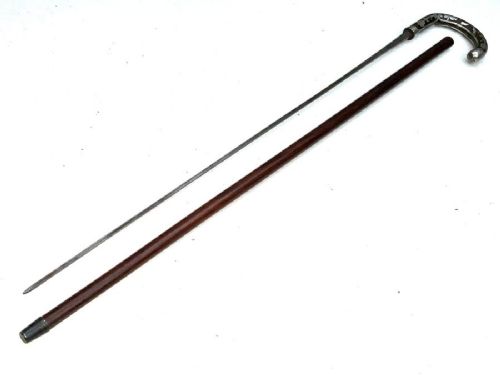
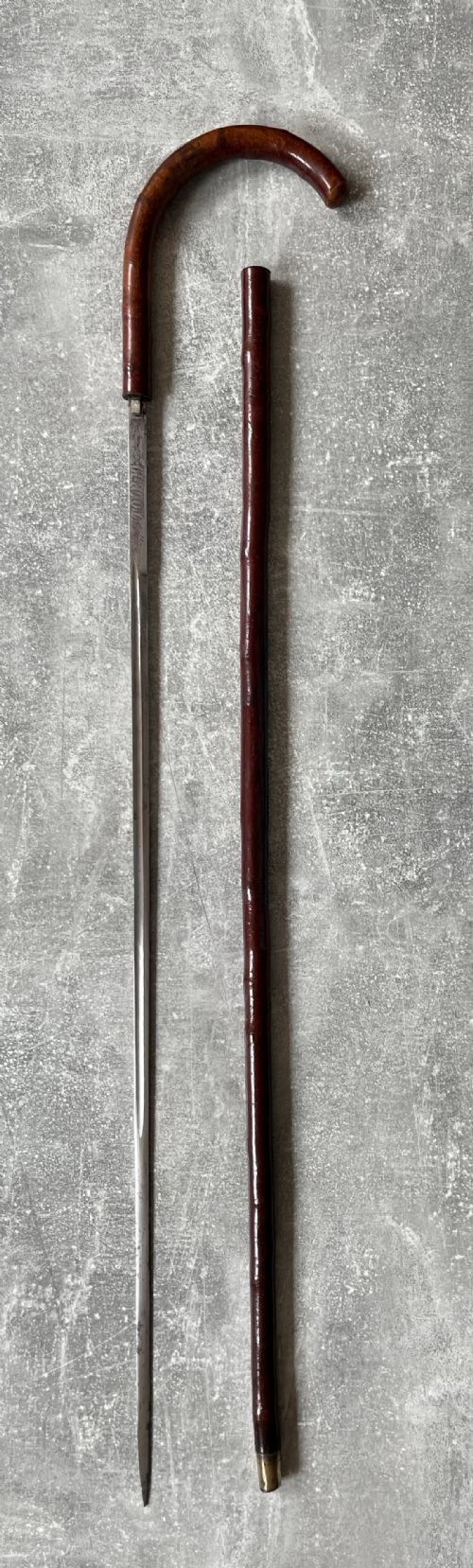
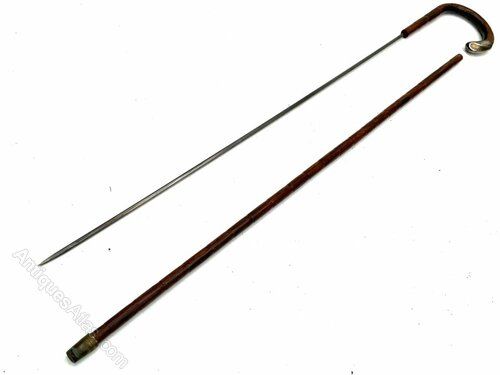
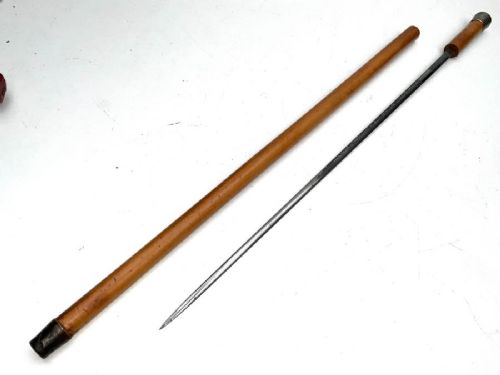
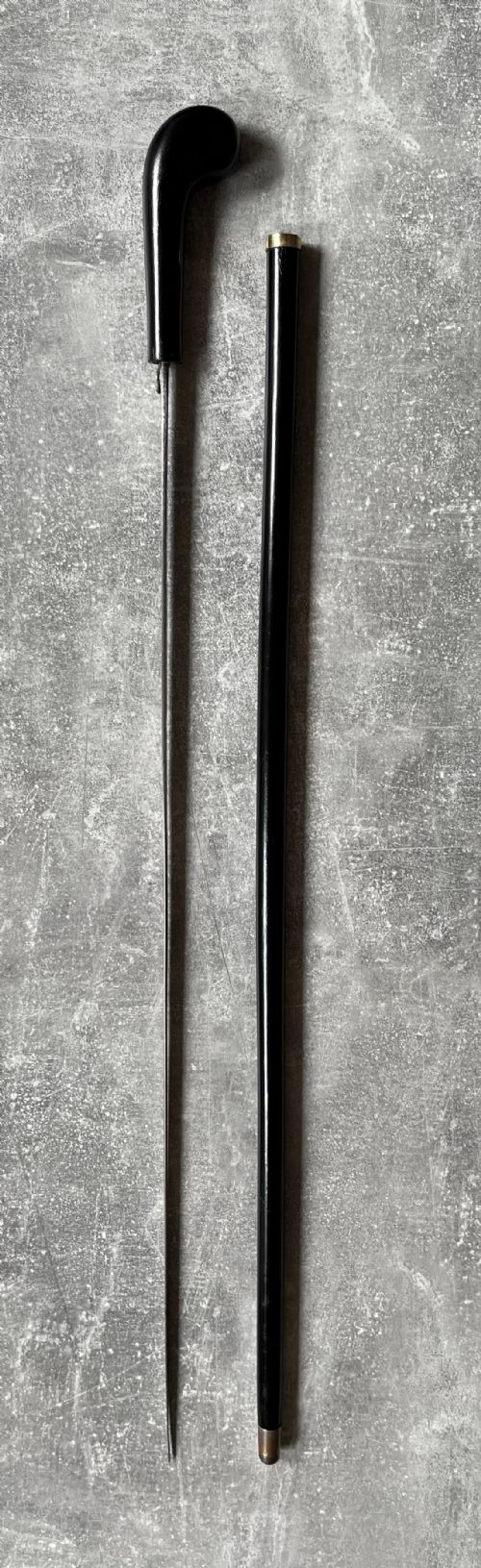
These vintage defence canes are functional gentleman's walking sticks concealing a hidden blade, offering both everyday support and personal protection.
Vintage Defence Cane
When buyers search for a vintage defence cane, they encounter gentleman's walking sticks and walking canes designed with hidden blades, often referred to as sword sticks. These pieces appear across Victorian, Edwardian, and early twentieth-century periods, spanning the 1870s to the 1930s.
The most common examples on this page are constructed from woods such as partridge wood, malacca, bamboo, cherrywood, ebonised wood, and Irish blackthorn. Handles vary widely in form, including crook shapes, hammer head grips, root ball handles, silver horses head handles, and mounts in bone, horn, and antler.
Many specimens feature maker or retailer associations, alongside fitted silver collars and high-grade blades from Toledo or Wilkinson. Such historical walking sticks reflect the personal security requirements and fashion of gentlemen during the Victorian and Edwardian eras.
What varies in quality
The distinction between standard examples and top-tier pieces rests on the choice of materials and the reputation of the blade maker. Superior canes employ dense timbers like partridge wood and malacca alongside named blades from Wilkinson or Toledo.
Finishing details elevate certain items, such as solid silver collars, engraved mounts, and carved handles shaped like horses' heads or root balls. Robust internal engineering ensures the blade fits snugly and securely within the wooden shaft.
Listings feature walking sticks from the Victorian and Edwardian periods, utilising steel, silver, wood, brass, horn, partridge wood, and ebonised wood.
Brigg·Wilkinson
The Vintage Defence Cane Glossary
- Sword stick
- A walking stick or cane containing a concealed blade within its wooden shaft. This dual-purpose item served as both a mobility aid and a concealed weapon for self-defence.
- Toledo blade
- A steel blade produced in Toledo, Spain, renowned historically for its metalworking quality and resilience. These blades are frequently signed or associated with high-end cane production.
- Partridge wood
- A heavy, durable exotic timber displaying a mottled figure resembling partridge feathers. It was commonly selected by makers for resilient walking stick shafts.
- Silver collar
- A decorative metal band encircling the upper shaft just below the handle, frequently bearing hallmarks or inscriptions. It reinforces the junction between the handle and the wooden body.
Vintage Defence Cane: Frequently Asked Questions
What is a vintage defence cane?
A vintage defence cane is a traditional walking stick that conceals a sharp steel blade inside its wooden body. Gentlemen carried them during the Victorian and Edwardian periods for personal protection while walking through city streets.
The shaft securely houses the hidden weapon, allowing the piece to function as an ordinary walking aid until the blade is drawn from the handle.
How do I identify the period of a cane?
Dating relies on stylistic clues, materials, and any silver hallmarks found on the collars or mounts. Pieces originating in the Victorian or Edwardian eras often display specific handle designs and woods typical of those decades.
Maker signatures or engraved dates on the metal components provide precise chronological markers for when the walking stick was assembled.
What woods were used for these sticks?
Makers utilised a variety of sturdy timbers, including malacca, partridge wood, ebonised wood, bamboo, chestnut, and cherrywood. Irish blackthorn is also found among these historical walking sticks.
Each wood offers different weight and texture characteristics, influencing both the appearance and the durability of the finished defence cane.
How were the handles styled?
Handles range from simple crook shapes and hammer head grips to elaborate carvings made from bone, horn, and antler. Some specimens feature sculpted silver horses heads or natural root ball formations.
These diverse grip designs reflect both the personal taste of the original owner and the prevailing fashion trends of the late nineteenth and early twentieth centuries.