
Vintage Decorative Vase
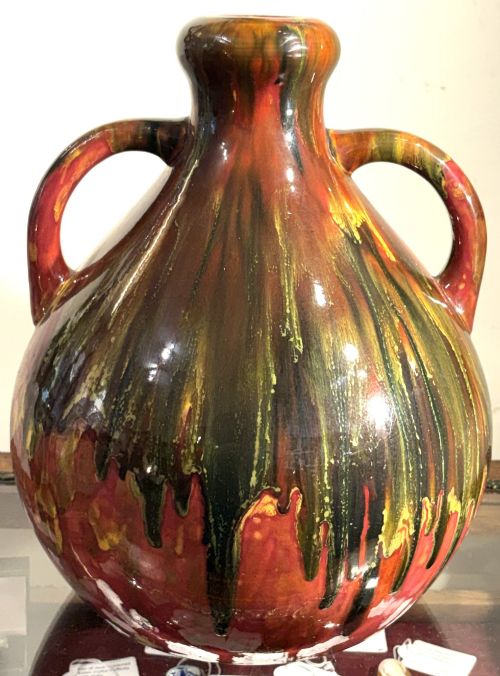
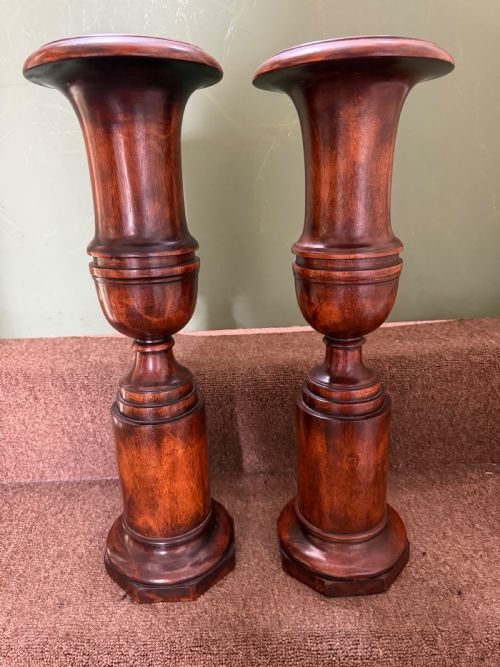
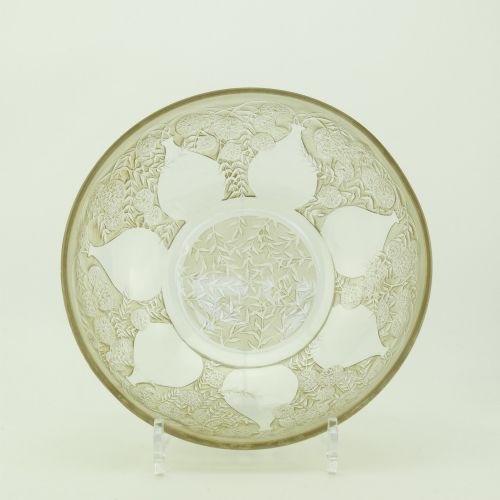
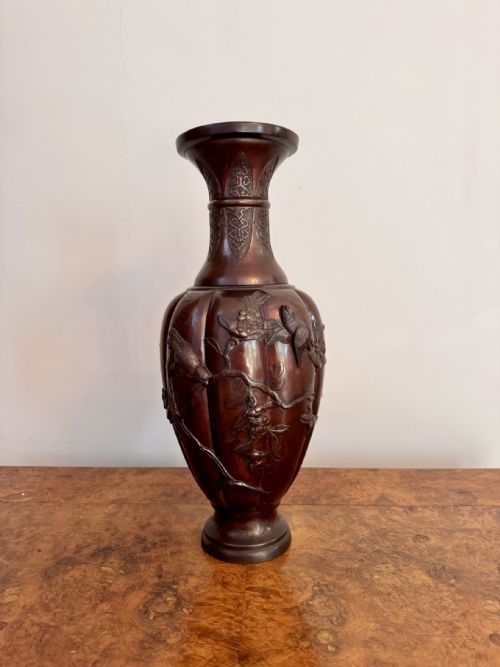
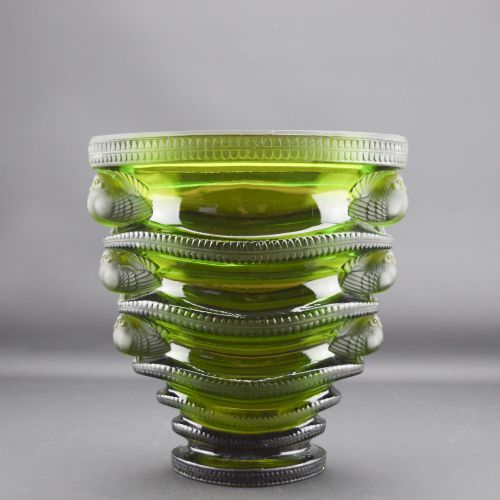
These vintage decorative vase selections encompass a broad sweep of international ceramics, glass and metalwork dating from the nineteenth century into the mid-twentieth.
Vintage Decorative Vase
A vintage decorative vase brings together centuries of international craft, spanning Japanese bronzes and Satsuma wares, French cameo glass, and English pottery. Buyers searching this phrase encounter diverse forms, from tall pairs of urns and baluster vases to converted table lamps and handled ewers.
The objects originate from notable European houses and Asian workshops alike, reflecting Victorian, Art Nouveau, and Art Deco movements. Many items serve primarily as decorative focal points rather than functional vessels for fresh flowers.
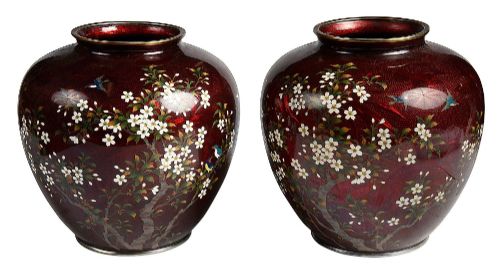
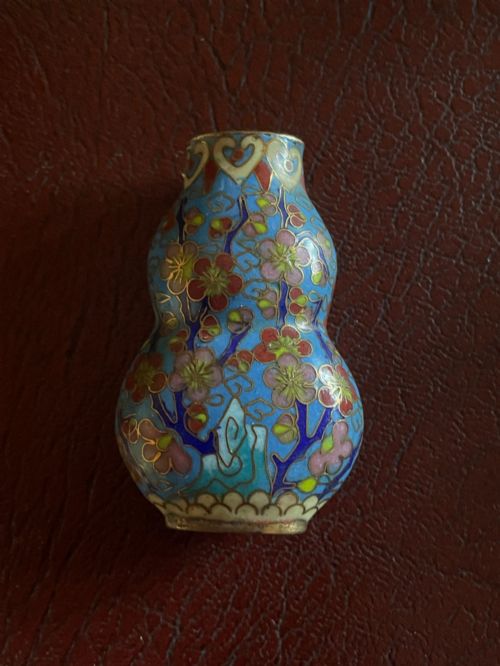
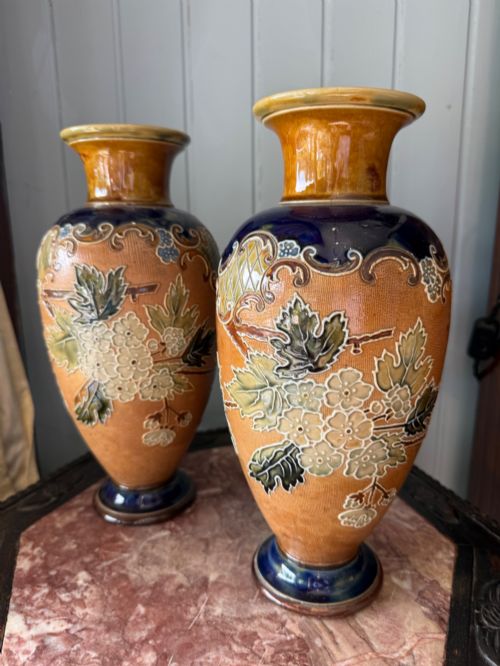
The most common examples on this page balance utility with distinct regional ornament, whether through cloisonné enamel, hand-painted porcelain panels, or moulded earthenware shapes.
How they were made
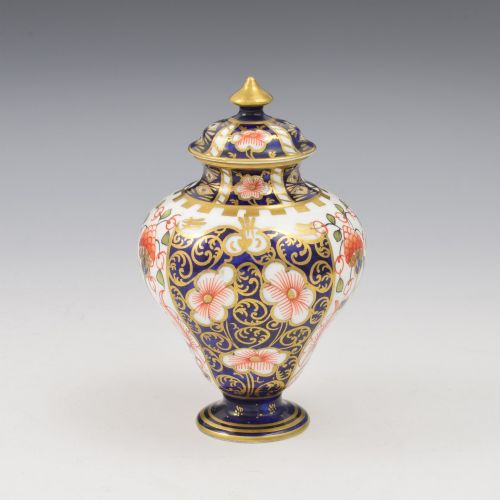
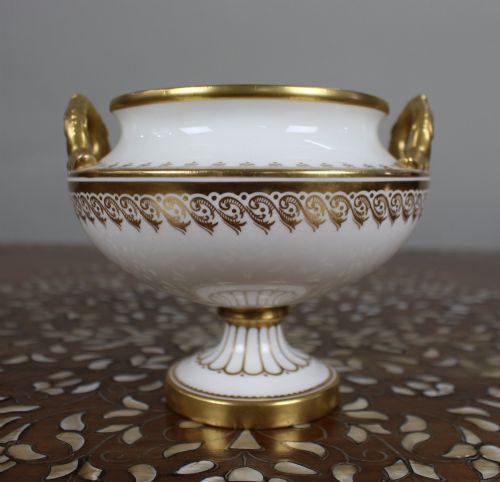
Makers shaped these pieces using ceramic bodies like earthenware, porcelain, and majolica, often finishing them with coloured glazes or hand-painted gilding. Glass examples utilise cameo carving and acid-etching techniques to achieve layered, multi-coloured landscapes.
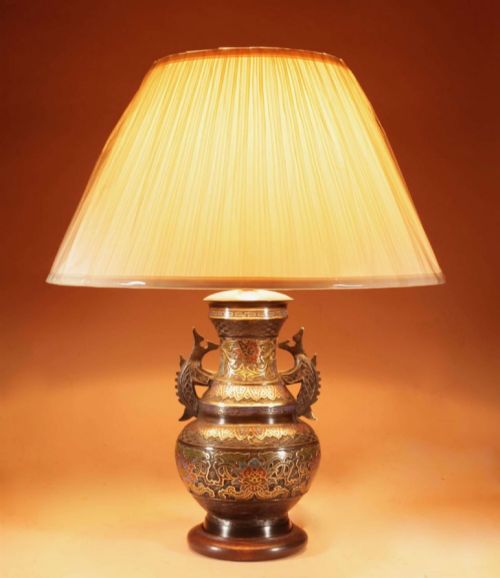
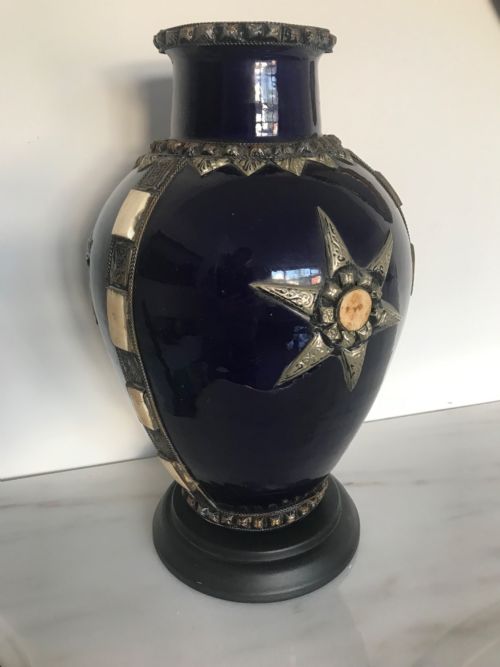
Metal vessels rely on bronze casting, copper repoussé work, and champlevé enamel detailing to build texture and pattern. Specialised finishing methods, such as silver cabochons and pietra dura marble inlay, add surface relief and contrasting materials.
Listings feature items spanning the nineteenth century, Victorian era, and early twentieth-century Art Deco and Meiji periods.
What varies in quality
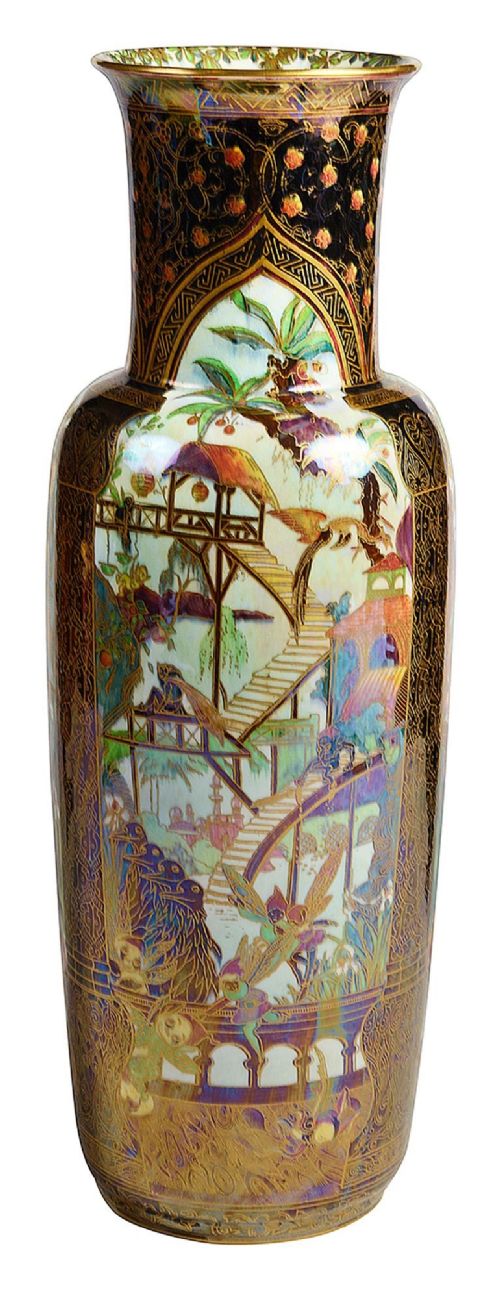
The distinction between standard production wares and exceptional studio pieces rests on the crispness of the moulding and the precision of the hand-painted or enameled details. Superior examples exhibit deliberate control over colour saturation, particularly in layered glass and multi-fired ceramic glazes.
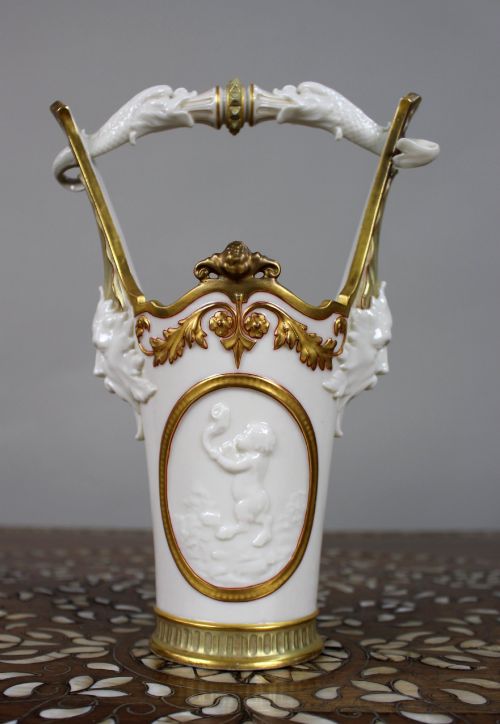
Provenance and documented authorship elevate certain items, as seen in signed glass works and marked pottery from established factories. The integrity of original mounts, such as gilt bronze trims and fitted covers, also shapes the overall standing of an object.
Rene Lalique·Royal Crown Derby·Royal Worcester·Wedgwood·Royal Doulton·Boch Freres·Daum Freres·Galle·Hicks and Meigh
The Vintage Decorative Vase Glossary
- Cloisonné
- A metalwork technique where thin wire partitions are soldered to a base to create cells for enamel paste. These cells are then fired and polished to form intricate patterns.
- Cameo glass
- A vessel formed of multiple fused layers of different coloured glass, carved down to create a raised design in relief. This method requires considerable skill to achieve depth and tonal contrast.
- Champlevé
- An enamelling process where troughs or pits are gouged into a metal surface and filled with enamel powder before firing. The surrounding metal remains visible as part of the design.
- Ewers
- Large jugs with wide spouts and looped handles, historically used for pouring water but frequently produced in decorative ceramic or metal forms.
- Majolica
- A type of earthenware glazed with an opaque tin-lead preparation, brightly painted and fired to create rich polychrome surfaces.
Vintage Decorative Vase: Frequently Asked Questions
How do I style a large antique vase?
These substantial vessels work best placed on heavy furniture, low pedestals, or wide mantels where their scale remains grounded. Pair them with complementary items or let them stand alone as sculptural centerpieces.
Avoid crowding them with floral arrangements if the surface decoration is intricate, allowing the glaze, metalwork, or glass technique to catch the light undisturbed.
Can these glass and ceramic pieces hold water?
Many older decorative pieces were intended purely for display rather than functional use as flower containers. Porous earthenware bodies or historic repairs may struggle with moisture over time.
Check the interior condition before introducing water, and consider using a discreet inner vessel if you wish to use them for fresh stems.
What defines the Art Deco style in these pieces?
Art Deco designs rely on geometric abstraction, symmetry, and clean, streamlined silhouettes rather than the flowing natural curves of earlier movements. Makers embraced stark contrasts in colour and texture.
Enamel decorations on glass and stylized moulded patterns characterise this period, pointing to industrial modernism of the early twentieth century.
How do I identify Japanese Satsuma ware?
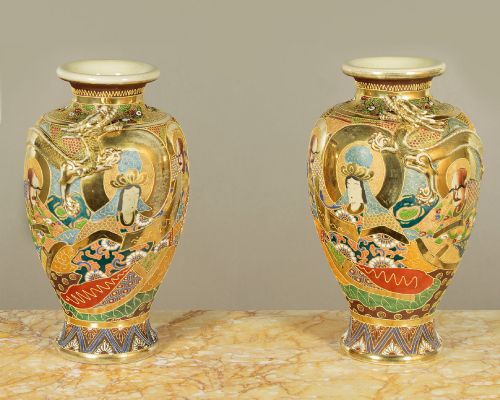
Satsuma ceramics typically feature a distinctive ivory-coloured, crackled earthenware glaze decorated with elaborate enamel patterns and raised gold work. Subjects often include figures, landscapes, or floral motifs.
Look for workshop signatures on the base, which help date the piece to specific Meiji or later production eras.