
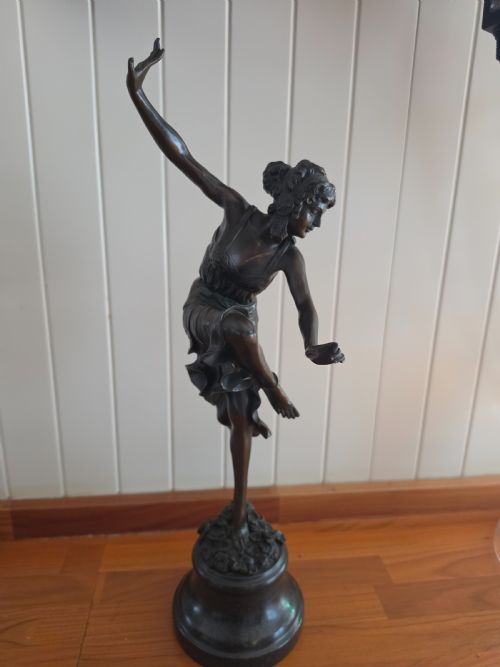
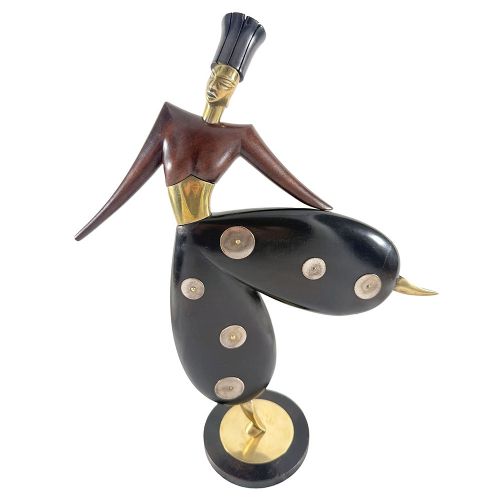

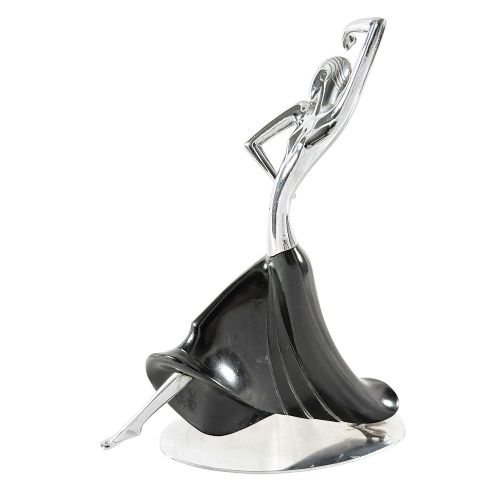
Vintage Dancer Figurine
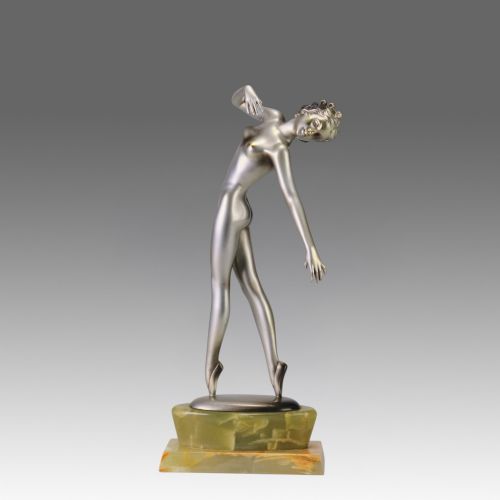
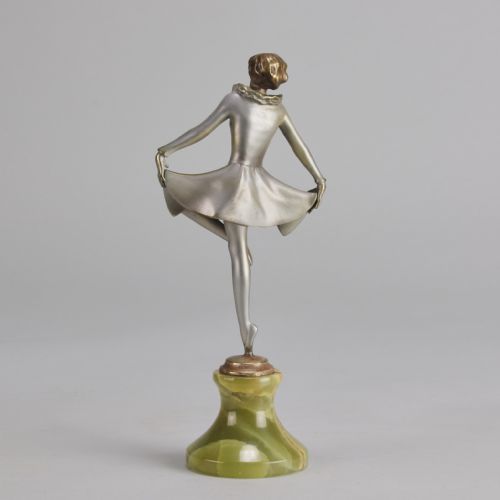
A vintage dancer figurine captures movement in metal, stone, and wood, bringing twentieth-century performance art directly into your interior.
Vintage Dancer Figurine
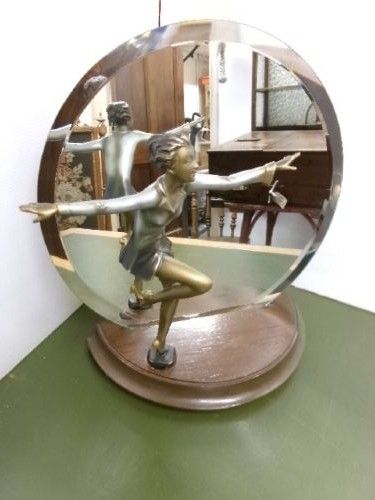
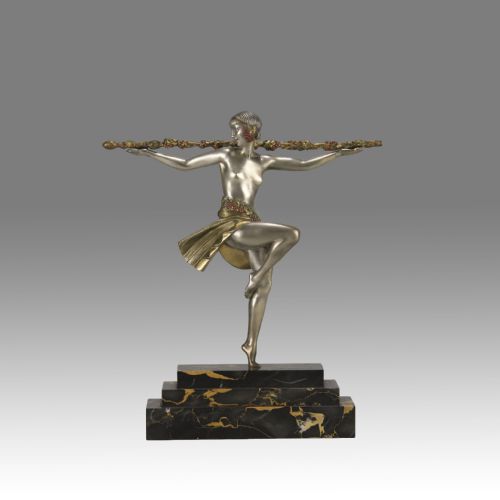
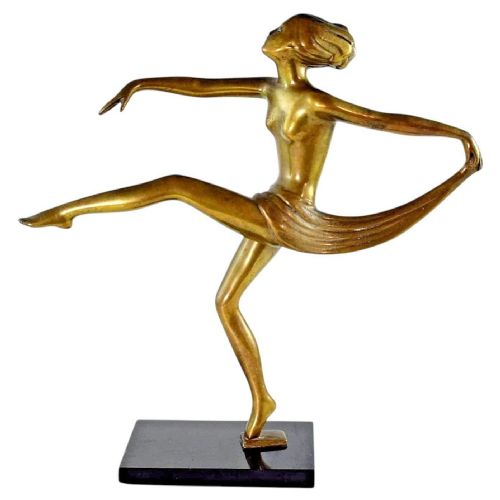
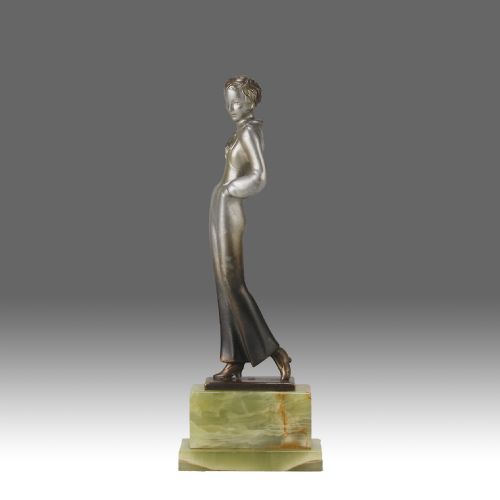
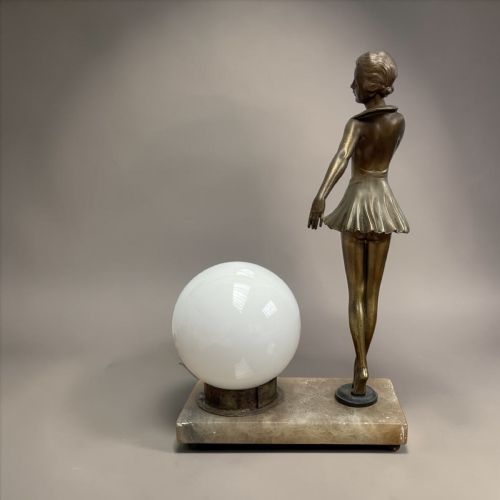
A vintage dancer figurine represents a dynamic human form captured mid-movement, spanning styles from Victorian Classical Revival to Balinese Art Deco. Buyers search for these pieces to acquire sculptural representations of ballet, exotic, and theatrical performers produced during the early twentieth century.
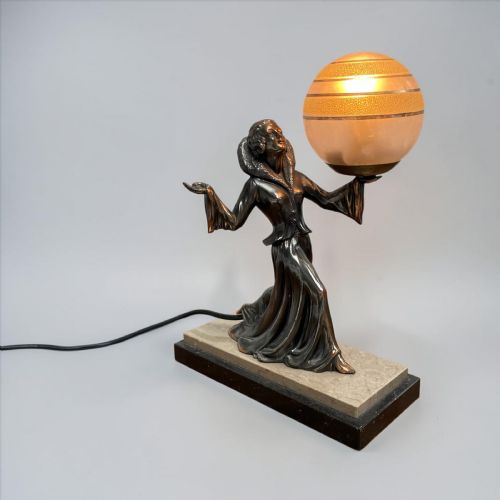
The most common examples on this page date from the 1920s and 1930s, heavily weighted toward Art Deco aesthetics. These figures take the form of standalone desk sculptures, table lamps, and large decorative statues.
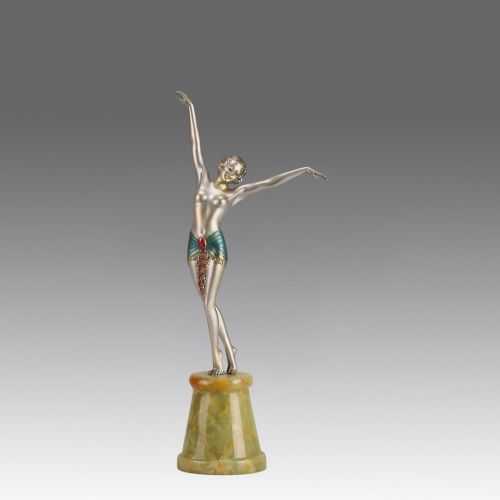
Originating largely from European foundries and carving workshops, these sculptures depict specific named figures like Egyptian dancers, ballerinas, and harvest dancers. They bridge decorative arts and sculptural portraiture of theatrical performers of the era.
Materials and methods
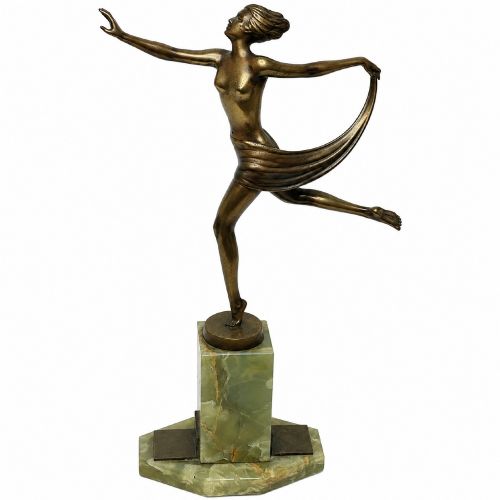
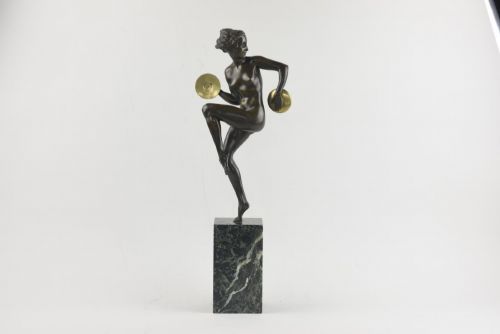
Foundries produced metal sculptures using bronze, silvered bronze, and spelter, frequently applying cold-painted finishes or gilt details to enhance costumes and skin tones. Many of these metal figures are mounted on heavy bases of carved marble or onyx to provide stability and contrast.
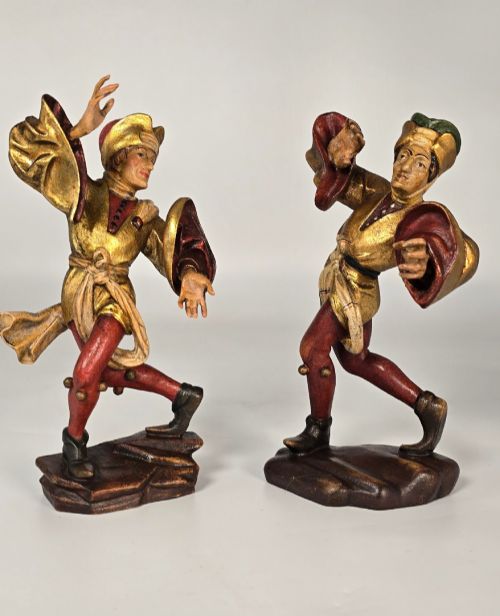
Carving traditions also produced notable pieces utilising limewood, alabaster, and porcelain. Artisans combined media by pairing wood with brass, or integrating painted metal with stone bases, reflecting the diverse material experimentation of the period.
Vintage Dancer Figurine Retail Price Guide 2026
Typical asking prices for vintage dancer figurine among the pieces listed under this phrase on Sellingantiques today, from the lower quarter to the upper quarter. They describe what is for sale here now, not the wider market.
One exceptional sculpture portrays a dancer balanced precariously atop a single gaming die.
Assessing quality
Quality rests upon the crispness of the casting and the sensitivity of the modelling in the dancer's limbs and drapery. Finer pieces demonstrate precise chiselling on metal surfaces and careful application of cold paint rather than flat, uniform factory finishes.
The selection of the base material also differentiates the tier of the piece, with genuine multi-coloured marble and onyx supporting superior works. Signed editions by recognised sculptors carry distinct artistic authority compared to unsigned or later studio attributions.
Pierre le Faguays·Josef Lorenzl·C J R Colinet·Sier Kunst·Hagenauer·D H Chiparus·Maurice Guiraud Riviere·Paul Philippe·Theo Voss·Pierre Laurel·Rene Andre Varnier·Paul de Boulogne
The Vintage Dancer Figurine Glossary
- Cold Paint
- A method of applying non-fired paint to metal surfaces, particularly bronze and spelter, which remains susceptible to gentle wear over time. This technique allowed makers to render intricate costume details and flesh tones with high realism.
- Spelter
- An alloy of zinc and lead used as a cost-effective alternative to bronze for sculptural casting. It requires careful handling due to its relative softness compared to copper-based metals.
- Chryselephantine
- A term describing statues made from a combination of bronze and ivory. This technique achieved popularity in luxury European decorative arts during the early twentieth century.
- Alabaster
- A fine-grained, translucent stone carved into figures and lamp bases. Its natural veining gives each carved sculpture a unique optical depth.
- Patination
- The chemical or natural coloration of a metal surface resulting from age or intentional treatment. A rich patina adds visual depth to the contours of a dancer's figure.
Vintage Dancer Figurine: Frequently Asked Questions
What materials are these figurines made from?
These sculptures utilise a variety of media, predominantly bronze, spelter, silvered bronze, and painted metal. Many figures incorporate carved marble, onyx, alabaster, or wood as structural bases or primary carving material.
Porcelain and glass examples also appear, reflecting the diverse manufacturing approaches of European studios during the early twentieth century.
How do I identify an Art Deco dancer?
Art Deco pieces display stylized human forms, geometric drapery, and aerodynamic poses that emphasise speed and modern movement. Look for sleek lines, theatrical costumes, and materials like cold-painted bronze paired with marble plinths.
Signatures from period artists or foundry marks on the base often confirm the exact stylistic origin.
Were these figures used as lamps?
Several sculptural figures incorporate functional elements such as lamp fittings, serving as decorative table lamps. These pieces combine ambient lighting with figural bronze or metal casting of dancing women.
Original wiring typically requires professional replacement to meet modern electrical safety standards while preserving the antique sculpture.
How should I display my sculpture?
Position your figure on a stable, flat surface away from direct sunlight and excessive humidity to protect cold-painted finishes and delicate stone bases. Ensure the weight of heavier bronze and marble pieces is adequately supported by sturdy furniture.
Keep them clear of high-traffic areas where accidental knocks might damage projecting limbs or delicate patinated surfaces.