
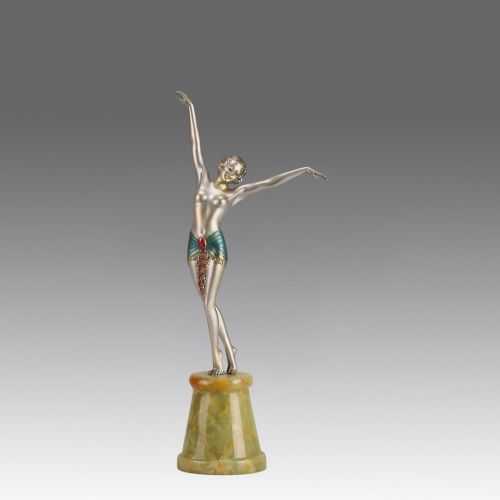
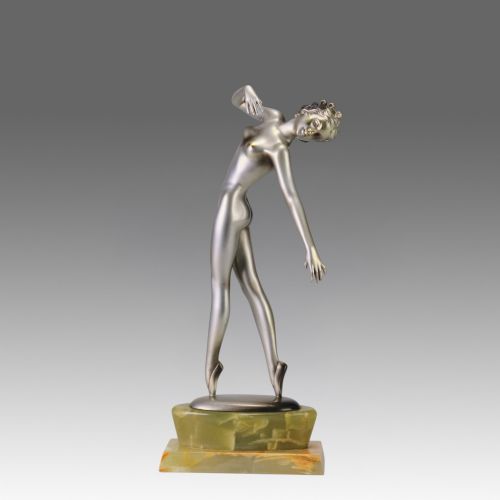
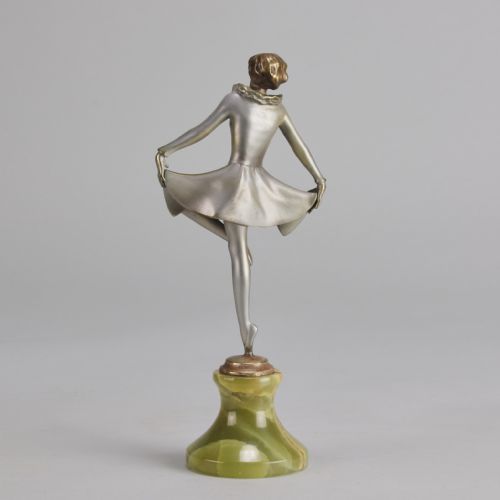
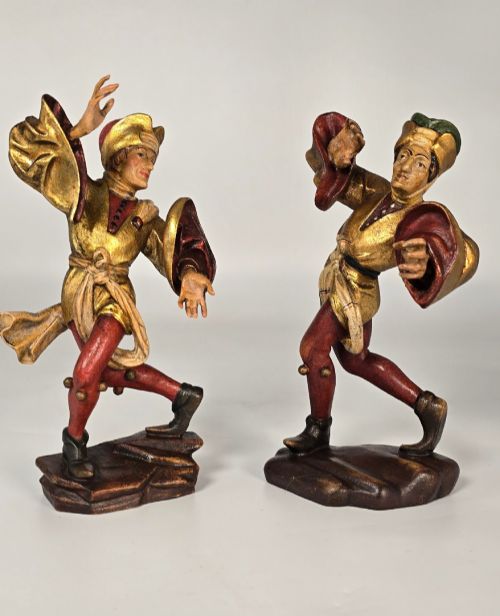
Antique Dancer Sculpture
These figures capture movement in bronze, spelter, marble, and wood, spanning global traditions from Art Deco salons to ancient tombs.
Antique Dancer Sculpture
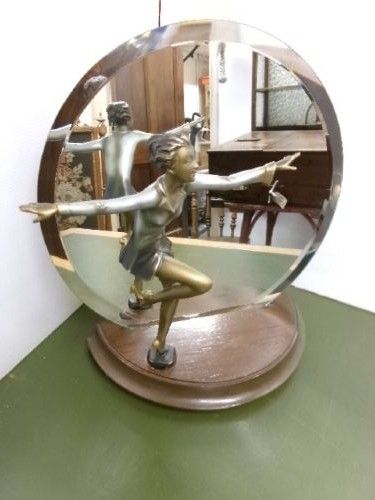
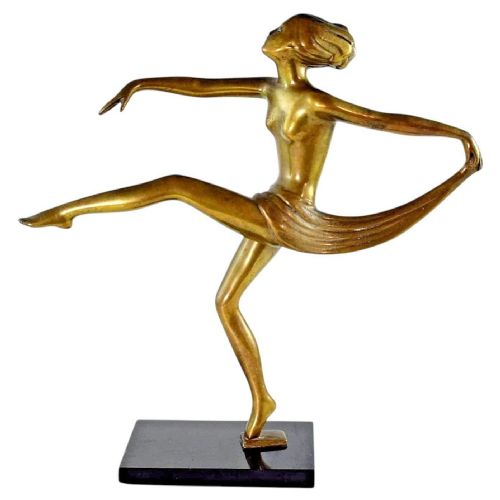
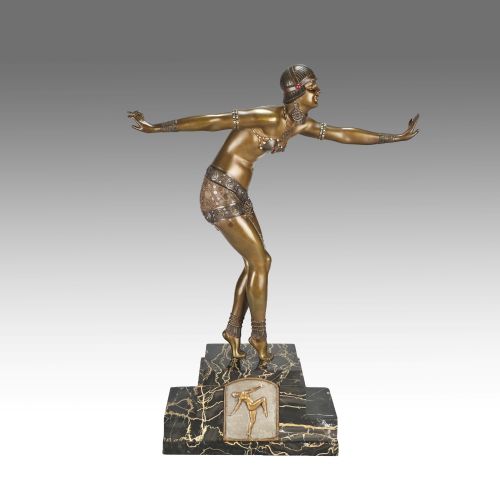
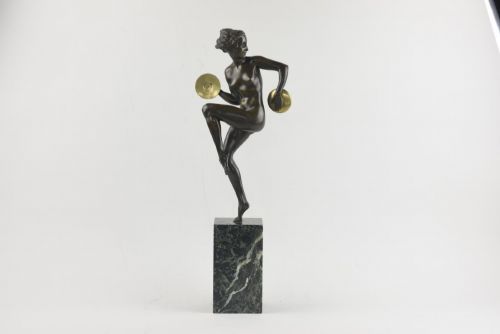
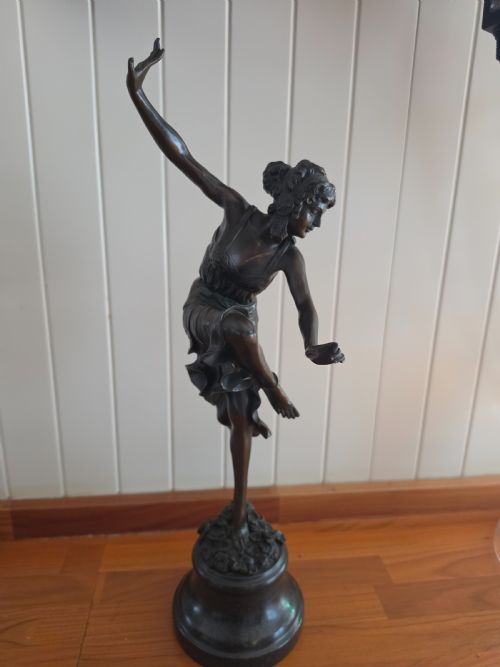
An antique dancer sculpture captures movement through human forms, ranging from theatrical performers and mythological figures to cultural dancers. When you search for this phrase, you encounter diverse regional expressions created across the nineteenth and twentieth centuries.
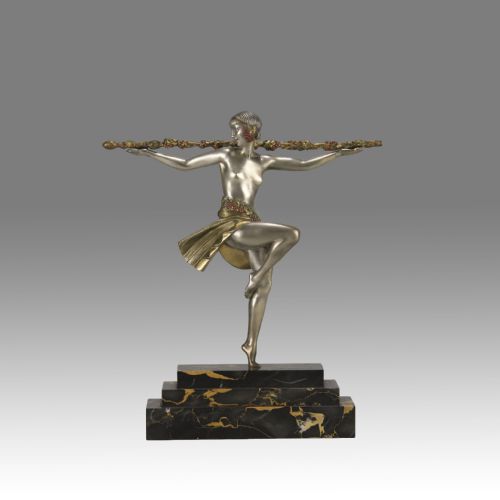
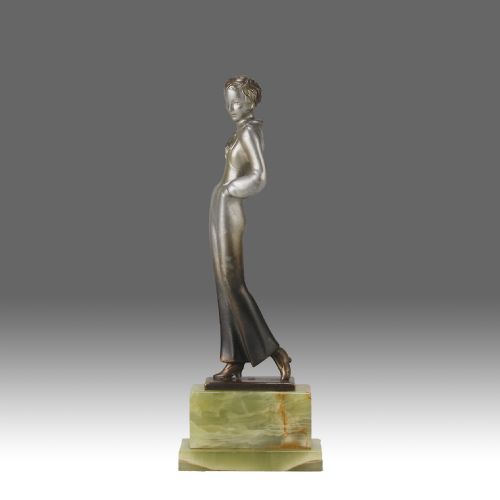
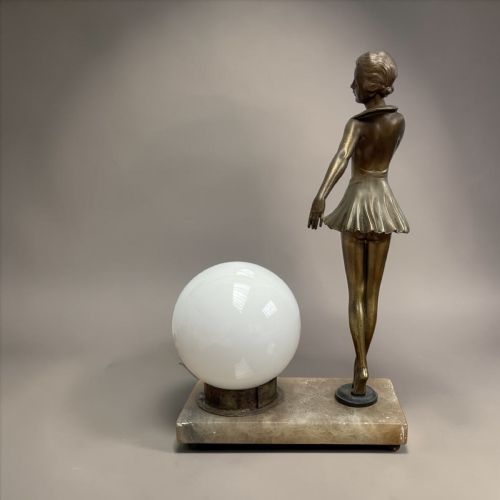
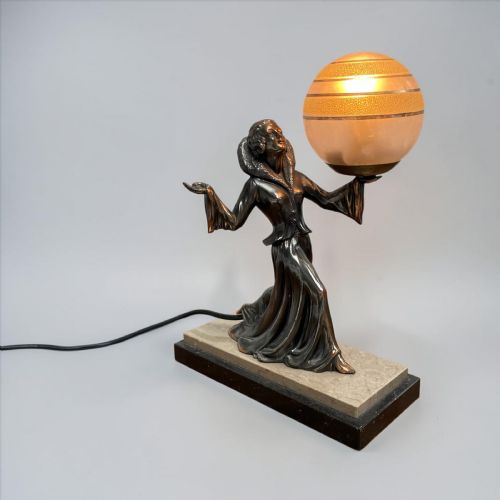
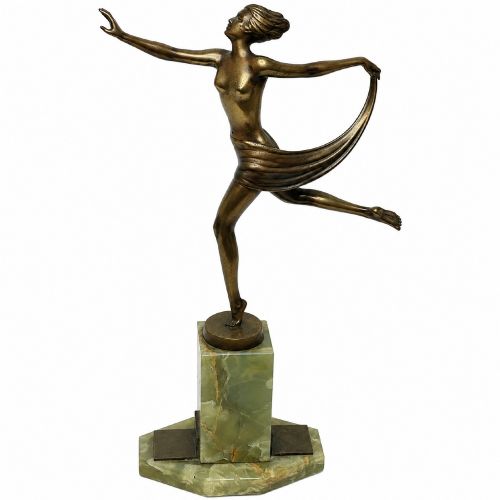
The most common pieces on this page originate from the Art Deco period, rendered in bronze, spelter, or chryselephantine with ivory details. These works frequently depict female dancers in dynamic poses mounted upon marble or onyx bases.
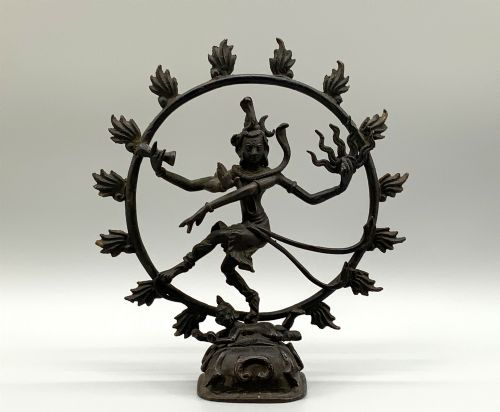
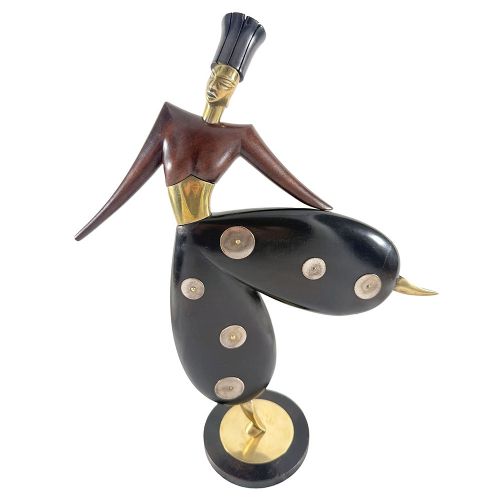
Alongside European salon bronzes, you find nineteenth-century Indian bronzes of Hindu deities, Black Forest limewood carvings, and ancient Chinese pottery figures. These varied cultural traditions demonstrate how different eras immortalised the art of movement.
Materials and methods of the past
Foundry casters utilised the lost-wax technique for intricate bronze sculptures, allowing precise rendering of flowing drapery and outstretched limbs. Many figures received cold-painted surfaces or gilt finishes to add colour and texture to the metal.
Alternative mediums include spelter for more economical Art Deco figures, alongside carved limewood, alabaster, and grey pottery. Marble and onyx served frequently as heavy plinths to stabilise the dynamic stances of the figures.
Listings feature works from the Pre- sixteenth century up to the nineteen-forties.
Distinctions in craftsmanship and design
The precision of the casting and the crispness of the chisel work separate standard commercial foundry output from master editions. Superior patination and careful hand-painting enhance the depth of the metalwork.
The integration of the material base, such as veined marble or onyx, influences the overall harmony of the piece. Well-proportioned anatomy and balanced weight distribution indicate higher skill in the creation of the dancer's pose.
Pierre le Faguays·Josef Lorenzl·Demetre Chiparus·Claire Jeanne Roberte Colinet·Max le Verrier
The Antique Dancer Sculpture Glossary
- Spelter
- A zinc alloy commonly utilised as a less expensive alternative to bronze for twentieth-century decorative figures. It often received bronze-coloured or painted finishes.
- Chryselephantine
- A sculpture technique combining bronze with carved ivory for the flesh and face. This method defined many luxury Art Deco statuettes.
- Cold-painted
- A method where paint is applied to metal without heat firing, common on Viennese bronzes. Over time, this finish is prone to gentle rubbing and wear.
- Patina
- The surface sheen or colour acquired by metal through age or chemical treatment. It protects the bronze underneath while showing the character of the piece.
Antique Dancer Sculpture: Frequently Asked Questions
What materials were used?
Makers utilised bronze, spelter, marble, onyx, wood, and cold-painted metals to fashion these figures.
Certain works also incorporated ivory in chryselephantine compositions for facial details and hands.
How do I identify Art Deco pieces?
Art Deco dancer sculptures typically feature stylised modern clothing, sleek geometric lines, and balanced poses.
They are frequently mounted upon heavy multi-coloured marble or onyx bases characteristic of the nineteen-twenties and thirties.
Were these figures signed?
Many professional foundry pieces bear the signature or foundry mark of the artist on the base or lower robe.
Unsigned castings also exist from the period, produced by anonymous workshops or commercial foundries.
How should I display them?
Place figures on stable, level surfaces away from direct sunlight to protect painted or patinated metal surfaces.
Heavier marble-based sculptures require sturdy furniture capable of supporting concentrated weight.