


Vintage Cutlery Box
A vintage cutlery box holds the silver and steel of past meals, keeping everything organised in mahogany, oak or walnut.
Vintage Cutlery Box
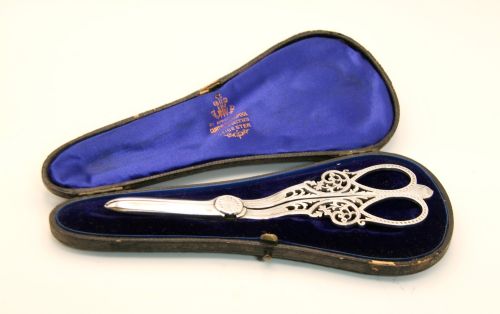
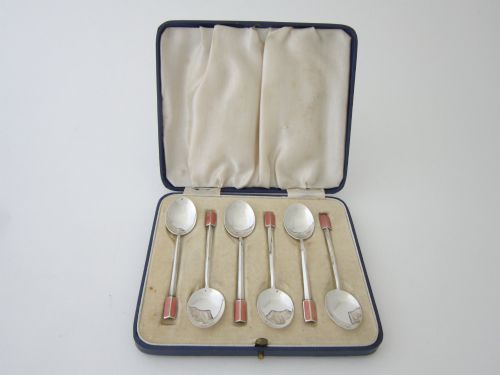
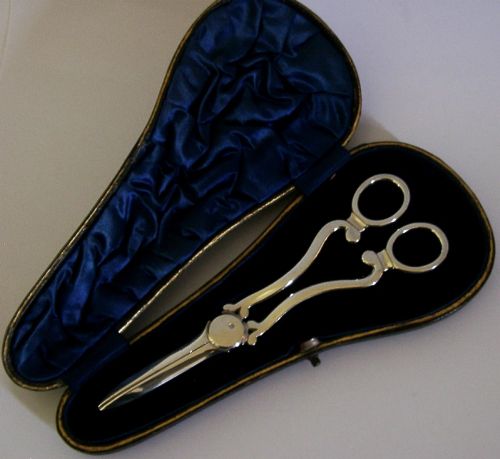
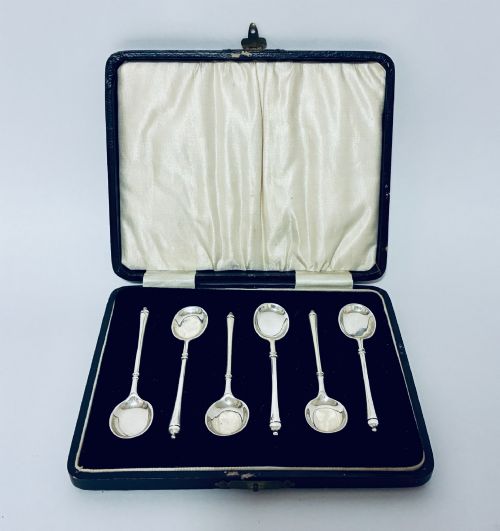
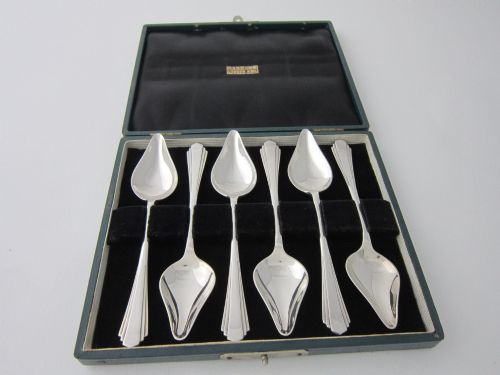
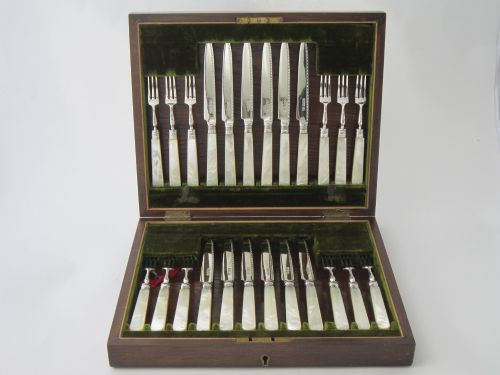
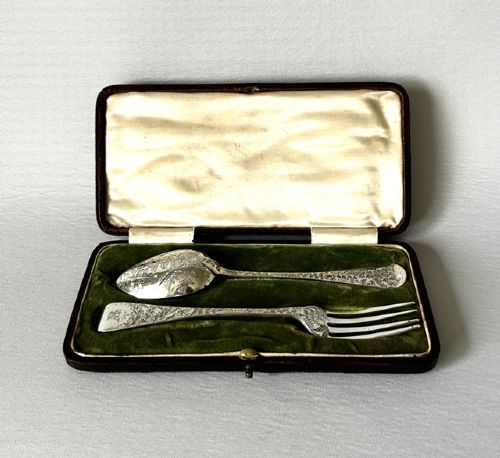
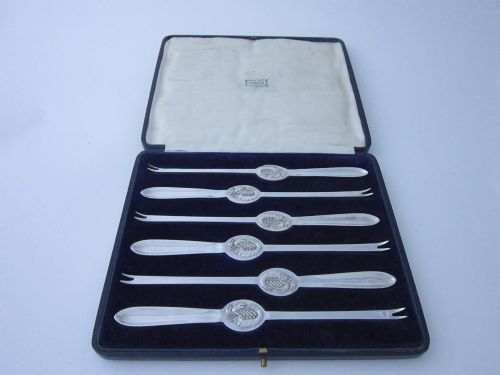
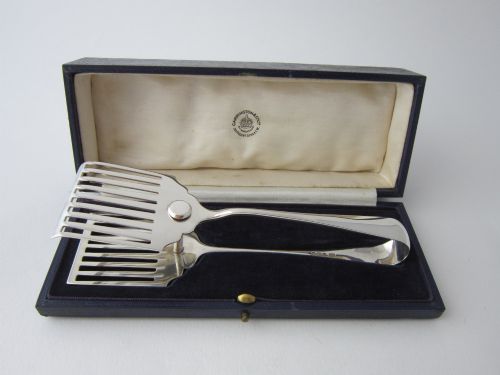
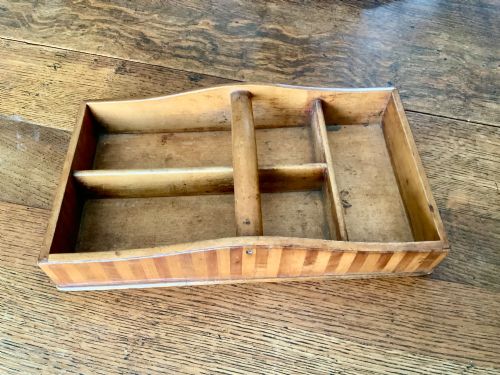
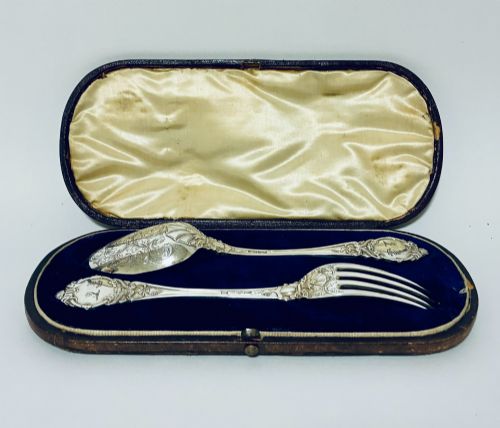
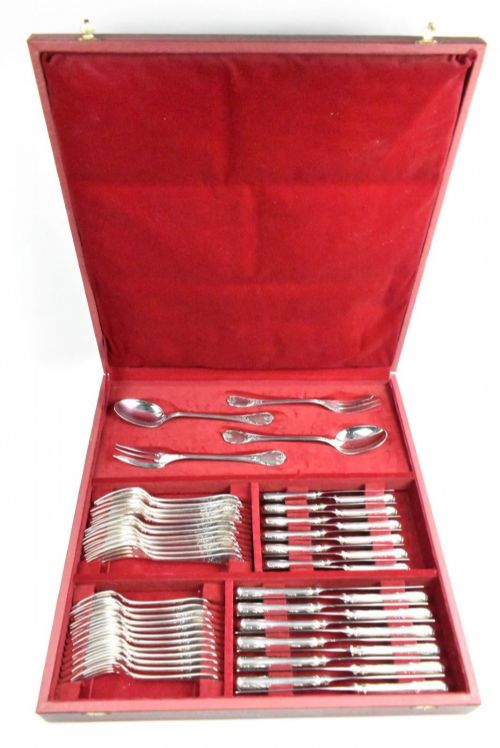
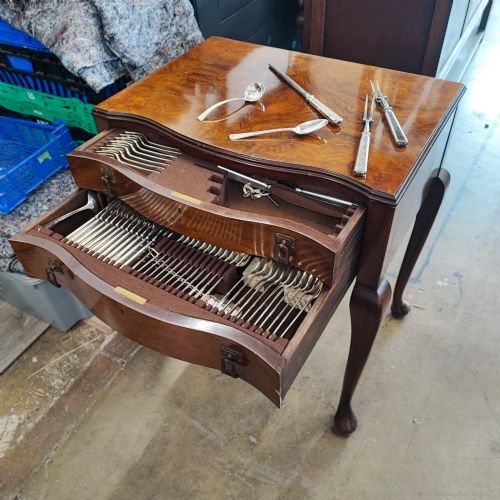
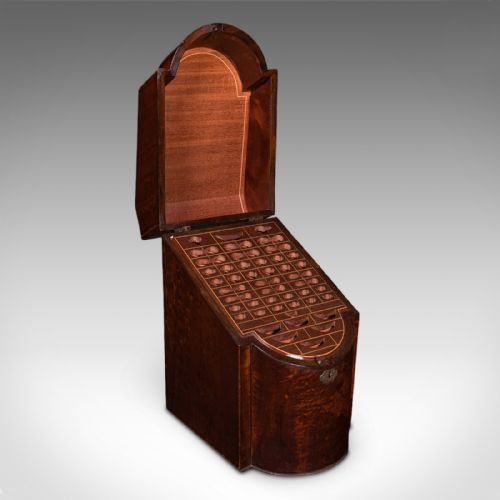
A vintage cutlery box provides dedicated storage for flatware, spanning periods from the Georgian era through to the Art Deco years of the twentieth century. These pieces range from substantial canteens and tabletop boxes to smaller trays and hanging kitchen organisers.
Materials and construction
Makers relied primarily on dense hardwoods such as mahogany and oak for the exterior carcases, employing dovetail joints to ensure durability. Brass fittings, including carrying handles and escutcheons, add functional strength and structural detail.
Interiors were typically lined with soft fabrics like silk and velvet to cushion sterling silver, silver plate and steel implements. These linings prevent scratching and secure individual pieces within fitted slots.
Recorded periods span from Georgian and Victorian times through to the Edwardian and Art Deco decades.
Assessing quality in construction
Quality rests in the precision of the woodwork and the integrity of the original hardware. Superior boxes display tight joinery, unwarped lids and well-fitted interior partitions that hold utensils securely.
The choice of secondary woods and the preservation of original fabric linings also indicate higher standards of production. Finer examples retain working brass locks and keys alongside undamaged internal fittings.
Christofle·Harrods·David Andersen·Oneida
The Vintage Cutlery Box Glossary
- Canteen
- A fitted box or cabinet designed to hold a complete set of cutlery. These containers often feature multiple tiers or drawers.
- Escutcheon
- A small plate of brass surrounding a keyhole on the exterior of a box. It protects the surrounding wood from wear.
- Dovetail joint
- A method of joining two pieces of wood by interlocking wedge-shaped fingers. This construction offers high resistance to tension.
- Sterling silver
- An alloy containing a high proportion of pure silver combined with other metals for durability. Items made to this standard frequently bear official hallmarks.
Vintage Cutlery Box: Frequently Asked Questions
What is a vintage cutlery box used for?
These boxes store and organise flatware sets, protecting metal surfaces from tarnish and physical damage between uses.
Historically, they kept dining implements secure in country houses, dining rooms and large kitchens.
How do I care for the wood?
Keep wooden boxes away from direct heat sources and sudden humidity changes to prevent the timber from splitting or warping.
Apply a suitable wax polish occasionally to nourish the grain and maintain the protective surface.
Can I store modern cutlery inside?
Many older boxes feature fitted slots that accommodate antique utensils rather than modern, oversized flatware.
Measure the interior compartments carefully before attempting to store contemporary knife and fork sets.
How are different periods identified?
Stylistic markers such as Georgian proportions, Victorian brasswork or Art Deco geometric lines help determine the era.
Construction methods, including hand-cut dovetails versus machine-made joints, also point towards specific decades.