



Vintage Crystal Vessel
When you search for a vintage crystal vessel, you encounter centuries of glassmaking across decanters, vases, and ewers.
Vintage Crystal Vessel
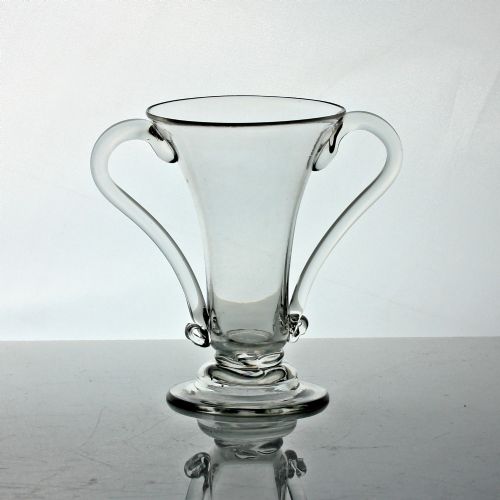
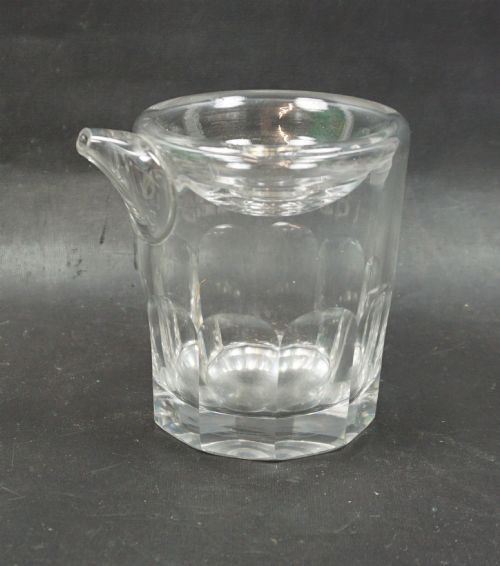
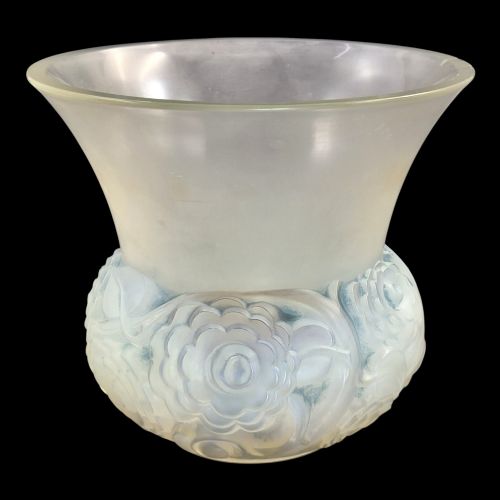
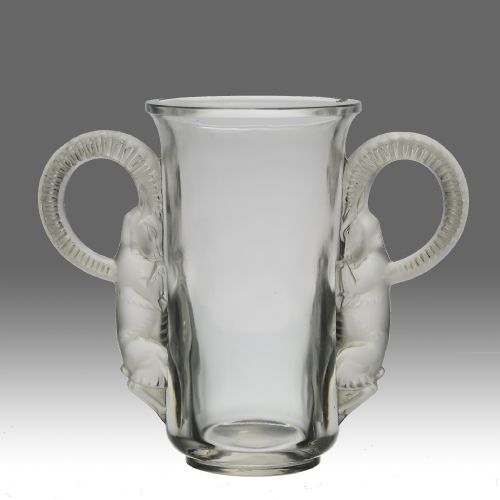
A vintage crystal vessel encompasses practical and decorative pieces ranging from eighteenth-century Georgian wine glasses and jelly glasses to twentieth-century Art Deco vases. These objects serve everyday dining and formal display, spanning eras from Victorian domestic life to modernist studio design.
Materials and Techniques
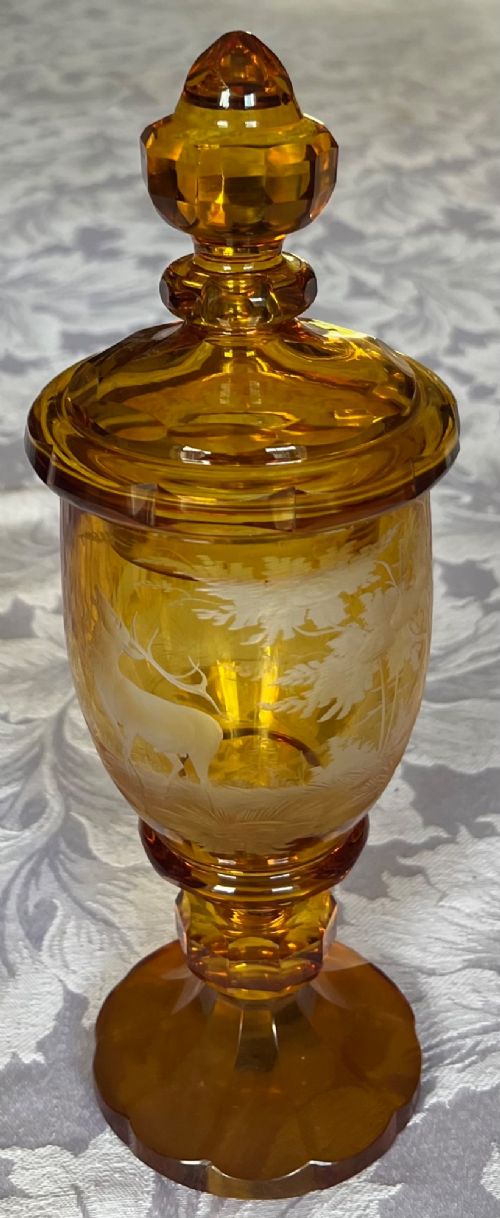
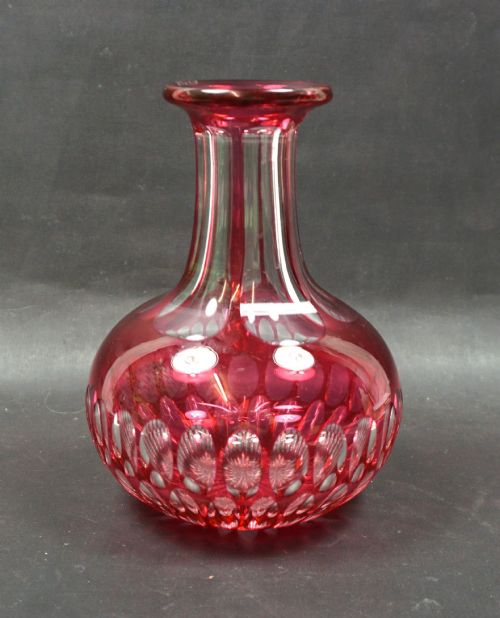
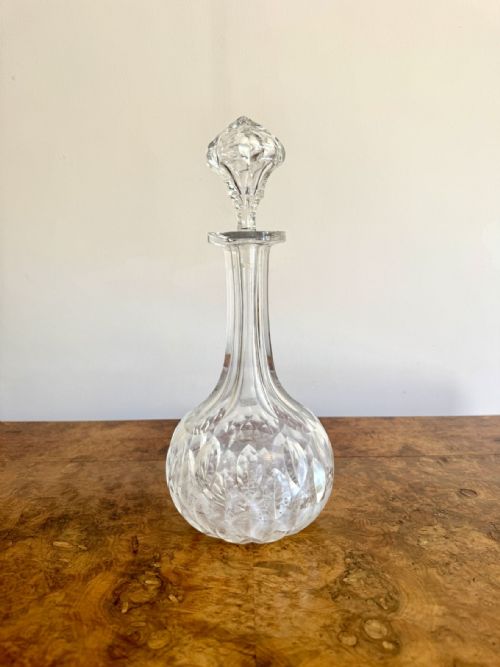
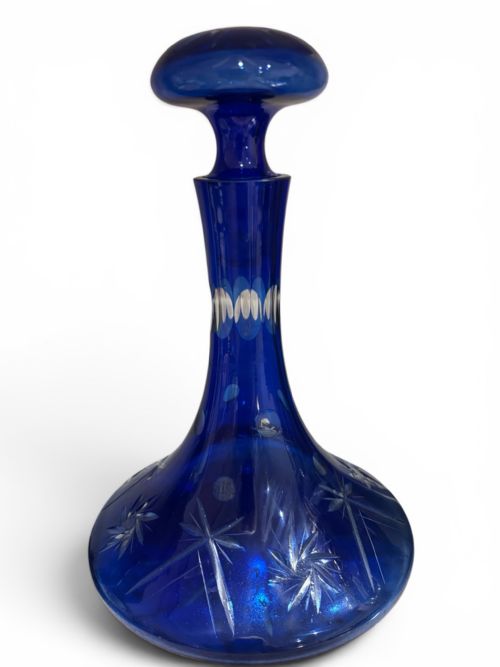
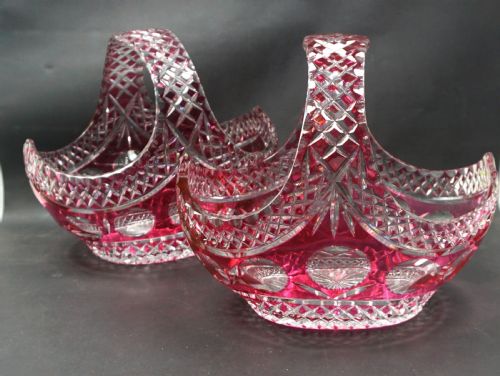
Makers utilised lead crystal and clear glass, often applying overlay techniques where coloured glass coats a clear crystal core. Surface decoration relies on wheel cutting, deep etching, and engraving to create distinct patterns and textures.
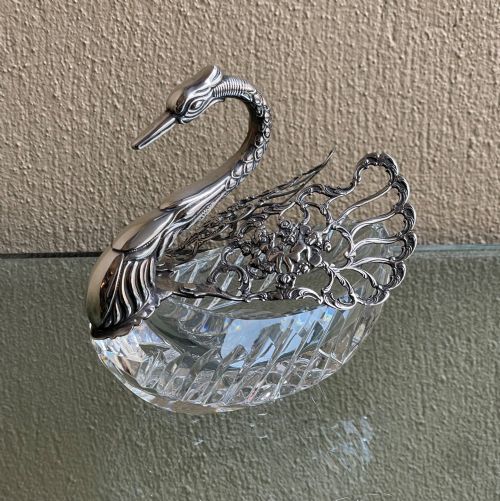
Mounts in sterling silver, silver plate, and specialised metalwork frequently accent decanters, jugs, and cocktail shakers. The integration of metal hardware with heavy glass bodies defines many functional vessels from the Victorian and Edwardian periods.
Assessing Craftsmanship and Design
Quality rests upon the precision of the glass cutting and the clarity of the material itself. Deeper, crisper facets and balanced proportions separate utilitarian vessels from exceptional artistic works.
Design distinction also drives merit, particularly in pieces bearing specific artistic direction or signed signatures. The harmony between blown or moulded glass forms and applied metal mounts dictates overall refinement.
René Lalique·Val St. Lambert·Charles Graffart·Joseph Simon·Jean Luce·Hukin & Heath·Asprey & Co.
The Vintage Crystal Vessel Glossary
- Lead Crystal
- Glass containing a high proportion of lead oxide, which increases brilliance, weight, and light refraction. This composition allows for deeper and sharper facet cutting.
- Overlay
- A technique involving layers of different coloured glass fused together, where top layers are cut away to reveal the contrasting glass beneath. This method creates striking two-tone decorative effects.
- Ewer
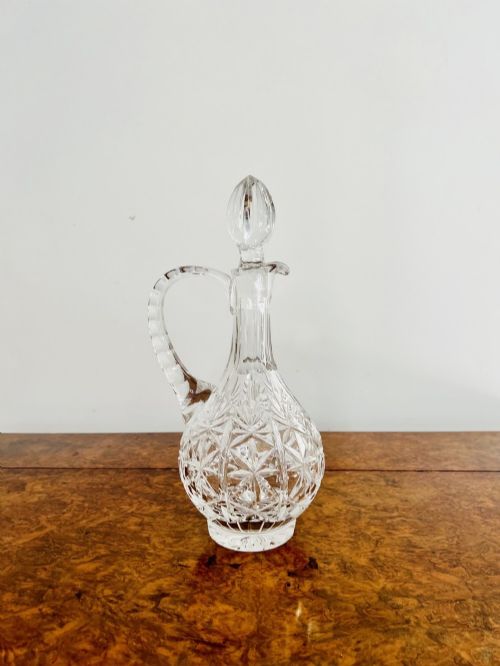
- A large jug or pitcher with a wide spout and handle, traditionally used for water or wine. Antique examples often feature elaborate cut glass patterns and silver mounts.
- Ogee Bowl
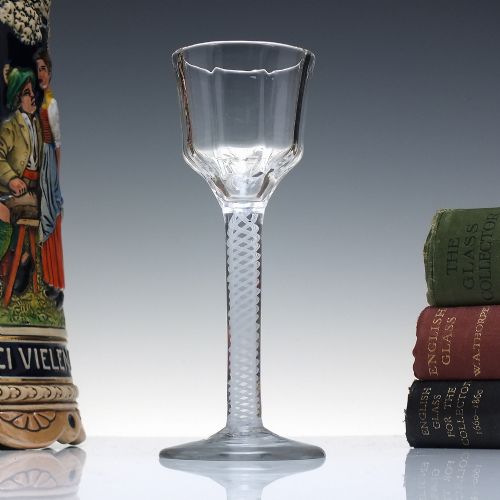
- A bell-shaped vessel profile curving outward at the rim and inward toward the base. This specific contour appears frequently on eighteenth-century wine glasses and goblets.
- Claret Jug
- A specialised container designed for serving red wine, typically combining a glass body with a hinged metal lid and handle. Victorian iterations frequently pair heavy cut crystal with silver or silver-plated hardware.
Vintage Crystal Vessel: Frequently Asked Questions
Can I still use these vessels for serving drinks?
Many decanters, carafes, and wine glasses remain entirely functional for everyday dining and entertaining purposes.
Inspect each item for internal residue or wear before pouring liquids, especially with eighteenth-century pieces.
How do I identify the period of a piece?
Examine the cutting style, manufacturing weight, and any maker signatures or silver hallmarks present on the object.
Stylistic markers such as deep Edwardian faceting or Art Deco motifs often align with specific production decades.
What is the difference between glass and crystal?
Lead crystal contains metallic oxide additives that increase weight, resonance, and the refraction of light compared to standard glass.
This material density enables artisans to cut finer, sharper geometric patterns into the vessel surface.