


Vintage Green Flower Vase
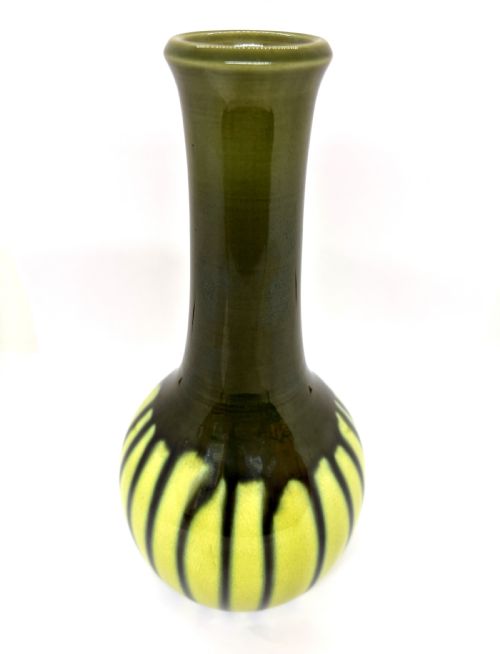
These vintage green flower vase examples range from Art Nouveau cameo glass to earthenware forms, bringing botanical colour to any room.
Vintage Green Flower Vase
A vintage green flower vase combines botanical subjects with utilitarian vessel forms across periods from the Victorian era into the twentieth century. Collectors searching for a vintage green flower vase encounter diverse material expressions, moving from ceramic bodies to layered crystal glass.
The selection on this page demonstrates production origins spanning British potteries, Belgian glassworks and continental workshops. Forms range from posy vessels to larger cabinet pieces designed for display.
The aesthetic vocabulary shifts between Victorian naturalism, Arts and Crafts simplicity, Art Nouveau botanical curves and Art Deco geometry. Ceramic examples utilise earthenware while glass pieces employ cameo and crystal techniques.
Materials and methods
Pottery items utilise earthenware bodies finished with coloured glaze or enamel work. Studios like Burmantoft's and Doulton shape clay before firing and glazing.
Glassmakers employ cameo techniques, acid etching and layered crystal to build depth of colour. Workshops such as Daum Frères, VSL and Lalique shape molten material through blowing and moulding.
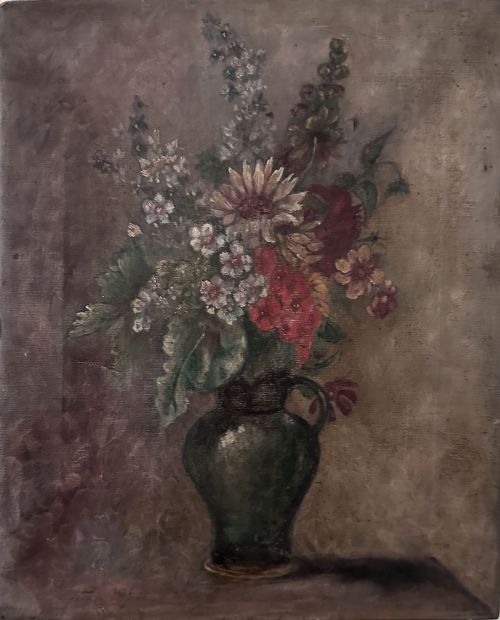
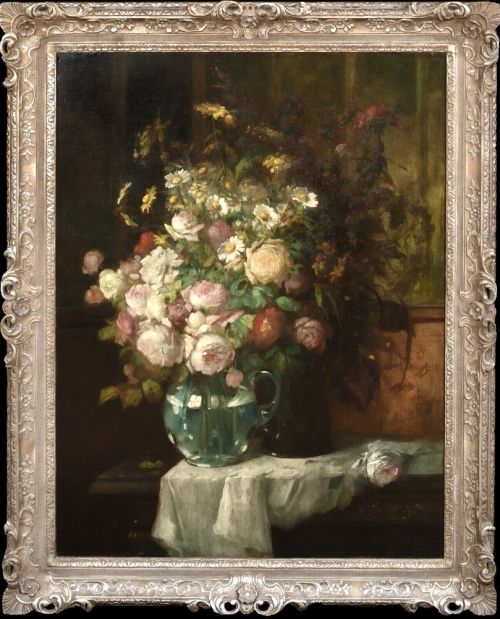
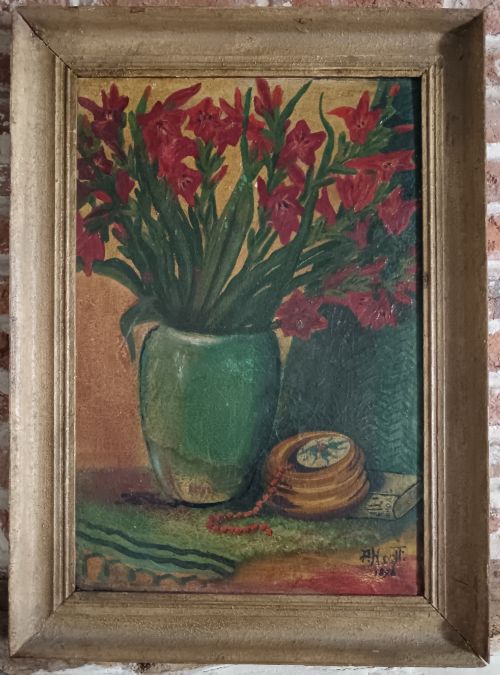
Some nineteenth-century painters captured floral arrangements with such fidelity that the depicted blossoms appear ready to drop petals.
Quality factors in glass and ceramics
Quality rests in the precision of the form and the depth of the glaze or glass layers. Cameo glass pieces reveal finer work where acid cutting creates crisp contrast between surface layers.
Ceramic quality shows in the control of the glaze and the crispness of moulded or thrown details. Named makers and documented model numbers elevate pieces above standard commercial production.
Burmantoft's Pottery·Emile Galle·Daum Freres·Karl Palda
The Vintage Green Flower Vase Glossary
- Cameo glass
- Glass formed with multiple layers of different colours, then etched or carved to produce a raised design. This technique defines notable Art Nouveau pieces.
- Earthenware
- Porous pottery fired at lower temperatures, typically finished with an opaque or transparent glaze. It forms the body of many Victorian and nineteenth-century vessels.
- Crystal glass
- High-clarity glass often heavy in weight, sometimes layered with coloured glass over a clear core. It provides the canvas for twentieth-century optic effects.
- Posy vase
- A small vessel specifically scaled for short-stemmed bunch flowers or single blooms. These compact pieces suit intimate display spaces.
- Enamel
- Opaque glass paste applied to glass or ceramic surfaces and fused by heat. It adds decorative colour detail to the finished body.
Vintage Green Flower Vase: Frequently Asked Questions
What periods do these green vases come from?
The pieces span from the late nineteenth century through the Victorian period and into the twentieth century. You will find examples representing Art Nouveau, Art Deco and Arts and Crafts movements.
Production dates cover eras like the Edwardian period and the 1930s, reflecting the changing design priorities of European decorative arts.
What is the difference between glass and ceramic vases?
Ceramic pieces utilise earthenware bodies with applied glazes, produced by potteries such as Doulton and Burmantoft's. Glass vases rely on blown crystal, sometimes with overlay techniques.
Ceramics offer solid opaque surfaces while glass works manipulate light through transparency and layered colour.
How should I display a posy vase?
Posy vases suit small arrangements of short-stemmed flowers or individual botanical specimens. Their compact scale allows placement on bookshelves or window sills.
Keep them away from direct heat sources to protect historic glass and ceramic bodies from thermal shock.