



Vintage Crystal Pitcher
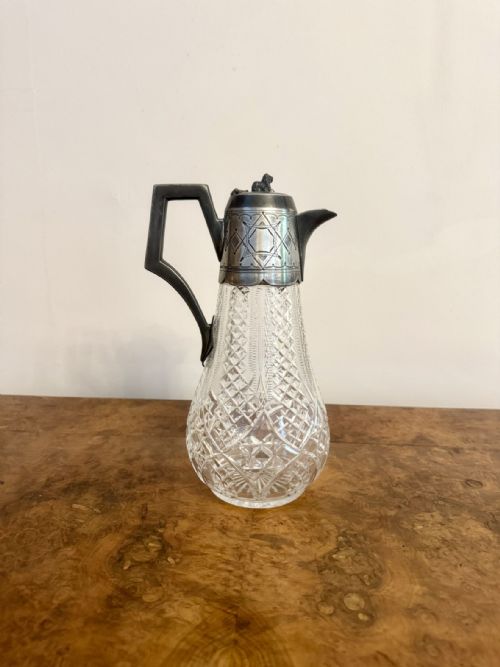
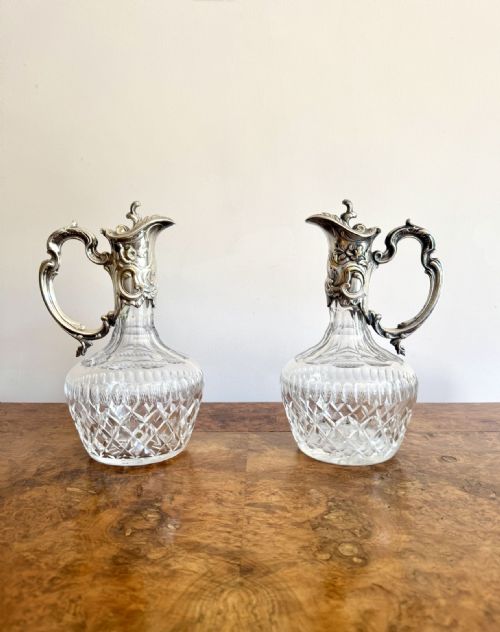
A vintage crystal pitcher brings heavy-cut brilliance and silver mounts to the table, offering a functional centrepiece for water, wine or claret.
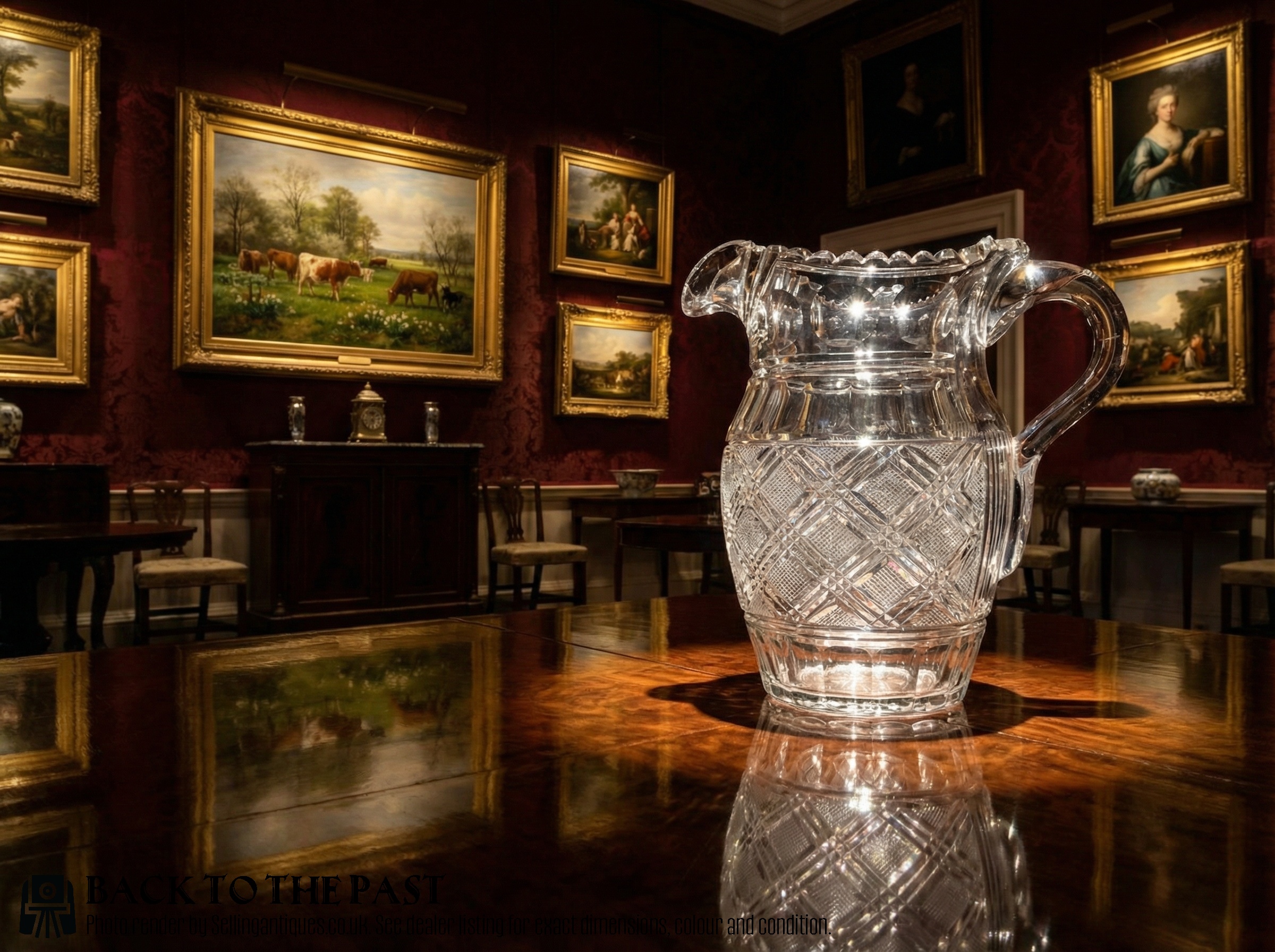
Vintage Crystal Pitcher
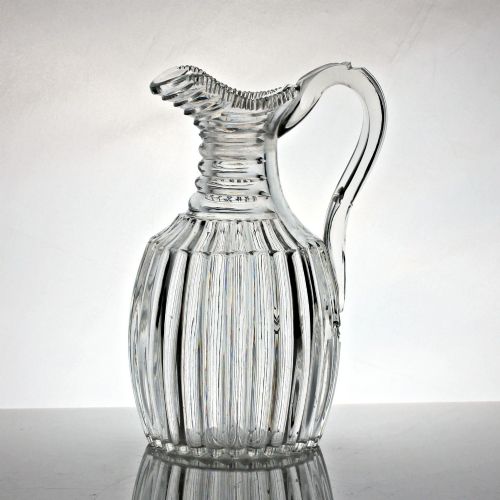
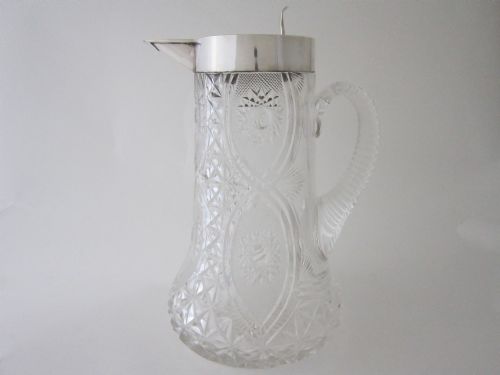
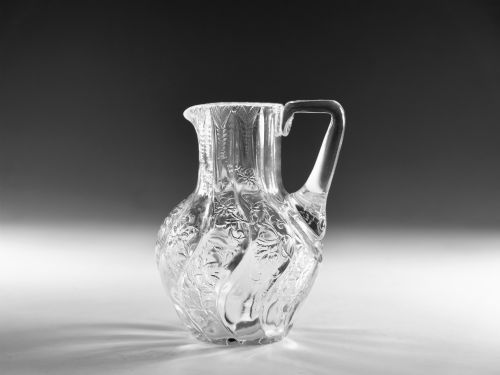
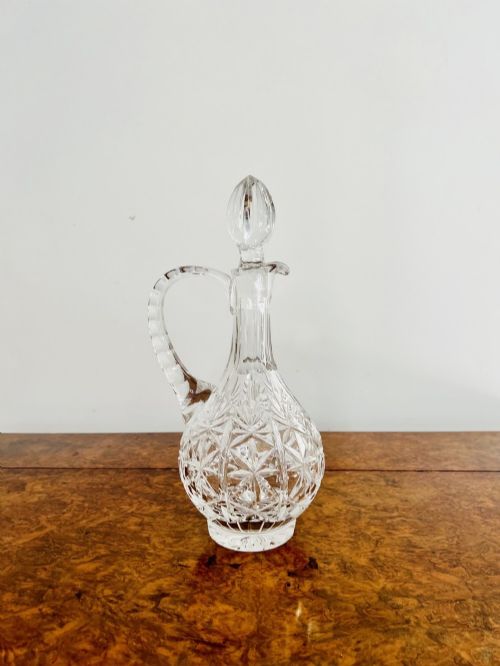
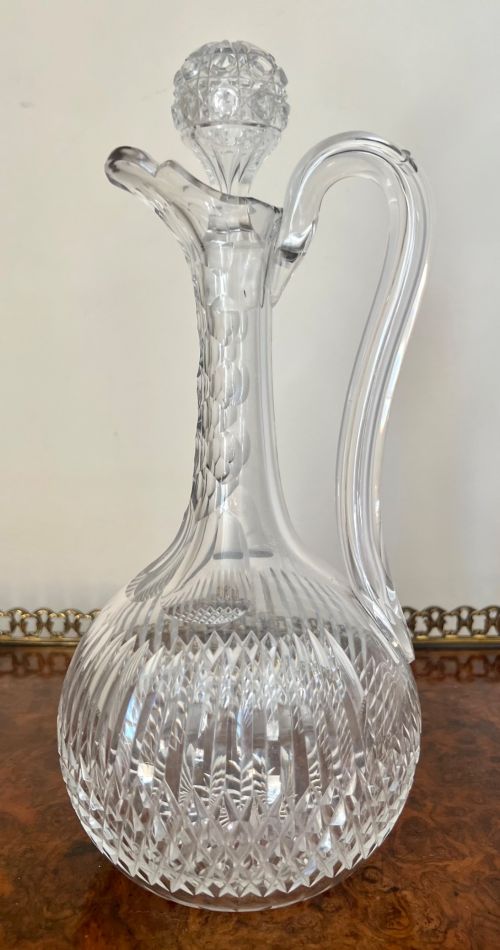
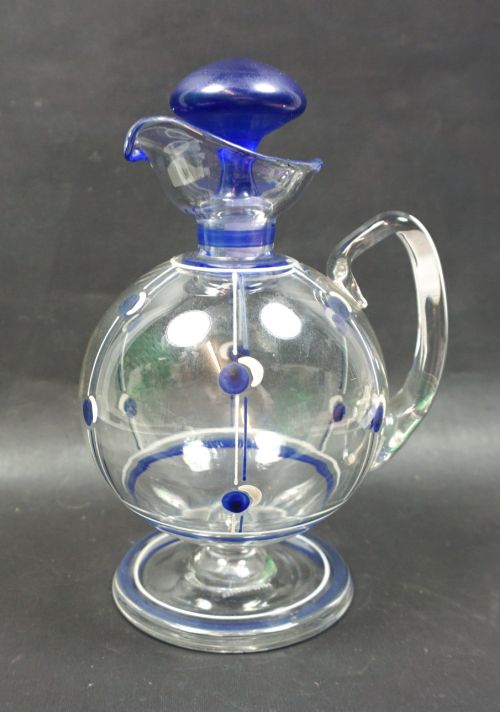
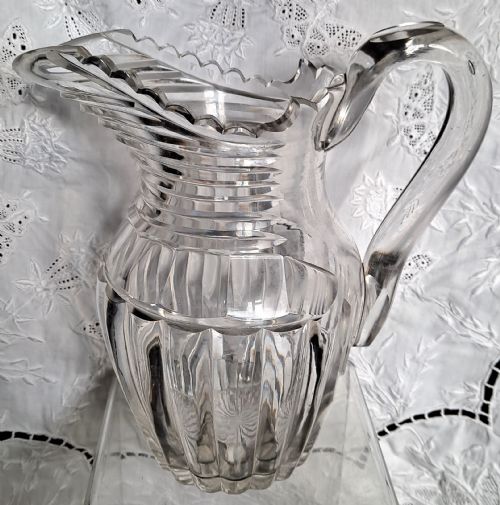
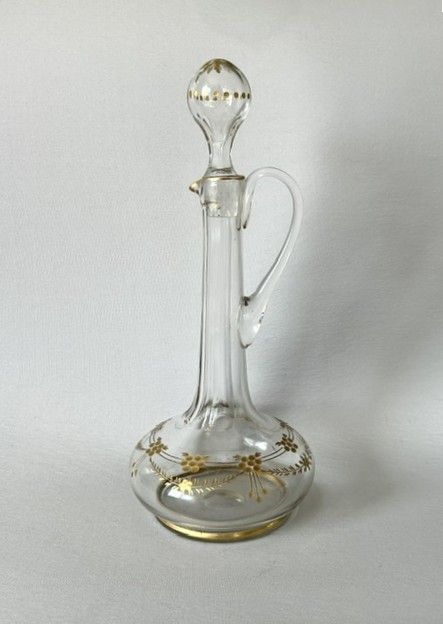
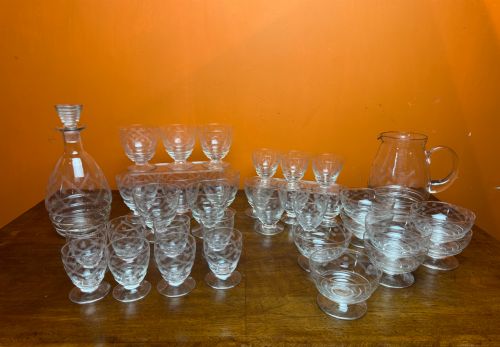
When you search for a vintage crystal pitcher, you encounter vessels designed for serving water, wine, claret and cordials across the Victorian, Edwardian and Art Deco periods. The forms range from heavy cut glass ewers with silver-plated mounts to slender decanters and jugs engraved with fruit, vines or dolphins.
The Edwardian era and the nineteenth century supply the largest share of these serving pieces, alongside occasional examples from the 1920s and 1930s. You will find standard table jugs alongside specialised claret jugs, water ewers and decanters shaped for specific drinks.
Materials and Technique
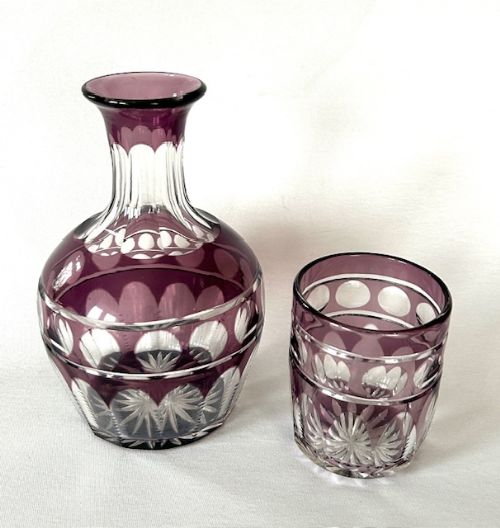
These vessels combine lead crystal, clear glass or coloured glass with mounts of sterling silver or silver plate. Makers shaped the bodies through blowing and heavy cutting, often adding pillar and prism patterns or intaglio engraving.
Artisans applied surface decoration such as blue enamel, gilding and etched motifs, attaching hinged silver or silver-plated covers and handles to complete the ewers and jugs.
Assessing Quality
Quality rests upon the depth and crispness of the glass cutting, the clarity of the crystal, and the weight of the vessel in the hand. Pieces with heavy pillar and prism cuts or deeply etched motifs demonstrate superior craftsmanship.
The integration of the metalwork also separates examples, as sturdy sterling silver or thick silver-plated mounts fitted securely to the glass neck indicate a higher standard of production.
Stevens & Williams·Webb Corbett·Richardsons·Tiffany·Lobmeyr
The Vintage Crystal Pitcher Glossary
- Claret jug
- A specialised vessel designed specifically for serving red wine at the dining table. These typically incorporate a pouring spout and a hinged metal lid.
- Ewer
- A large jug with a wide spout and a curved handle, traditionally used for holding and pouring water. Many antique examples utilise heavy cut glass.
- Intaglio
- A technique where the design is sunk below the surface of the glass rather than carved in relief. It produces a smooth exterior with the pattern defined inside the material.
- Silver plate
- A layer of silver fused to a base metal, commonly utilised for the collars, lids and handles of nineteenth-century and Edwardian jugs.
Vintage Crystal Pitcher: Frequently Asked Questions
What is a vintage crystal pitcher used for?
These vessels serve water, wine and cordials at the dining table. Their functional design allows for pouring beverages while adding a decorative element to the setting.
Historically, specific shapes like claret jugs and ewers matched particular drinks, though today they serve equally well for water or display.
How do I care for silver mounted glass?
Wash the glass gently by hand in warm soapy water to protect the material and any engraved details. Avoid submerging metal mounts for extended periods.
Polish the sterling silver or silver-plated components carefully with a soft cloth, keeping metal polish away from the crystal surface.
How can I tell Victorian from Edwardian pieces?
Victorian examples often feature deep, heavy cutting and botanical etchings such as grapes and vines. They tend to feel substantial and display ornate silver mounts.
Edwardian pieces frequently show lighter, crisper cutting styles alongside silver-plated mounts, reflecting changing tastes at the turn of the twentieth century.
What is rock crystal glass?
Rock crystal refers to high-clarity glass that is heavily cut and polished to resemble natural quartz crystal. This material allows for sharp, brilliant facets.
Makers utilised this technique on intaglio drinking services and pitchers to create striking light refraction across the surface.