

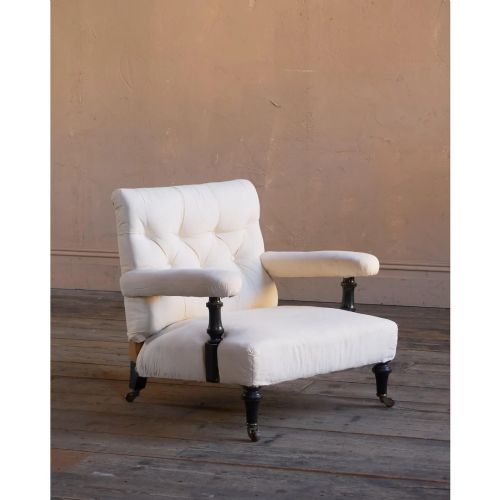
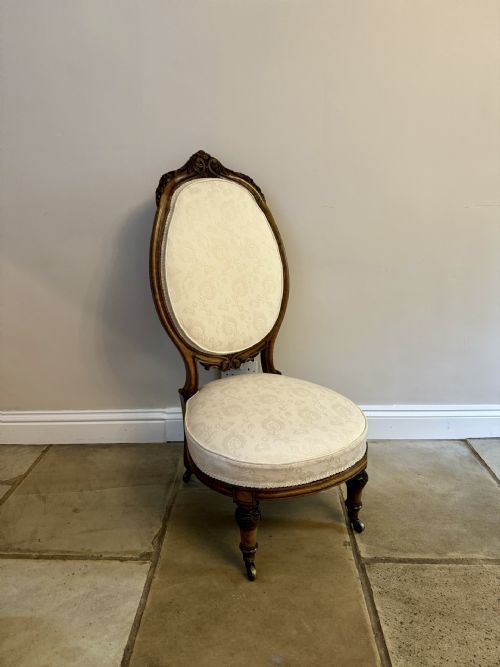
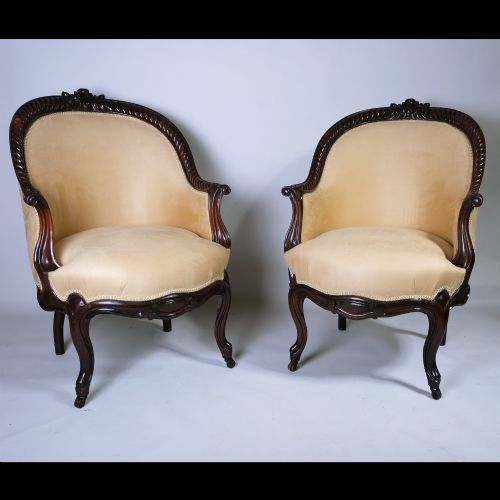
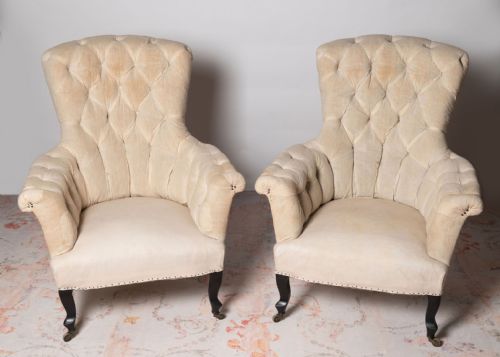
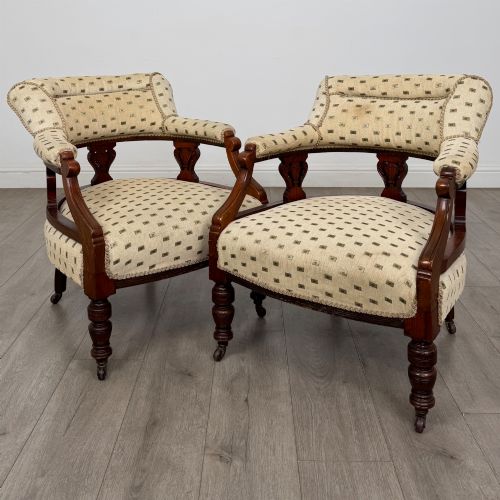
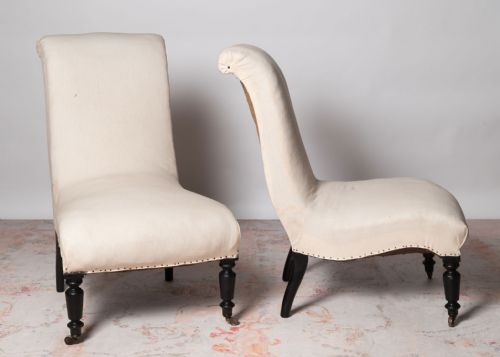
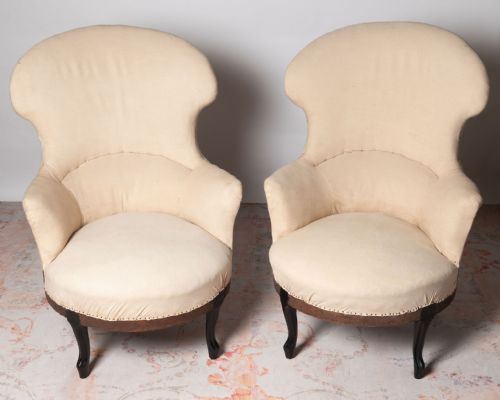
Vintage Cream Accent Chairs
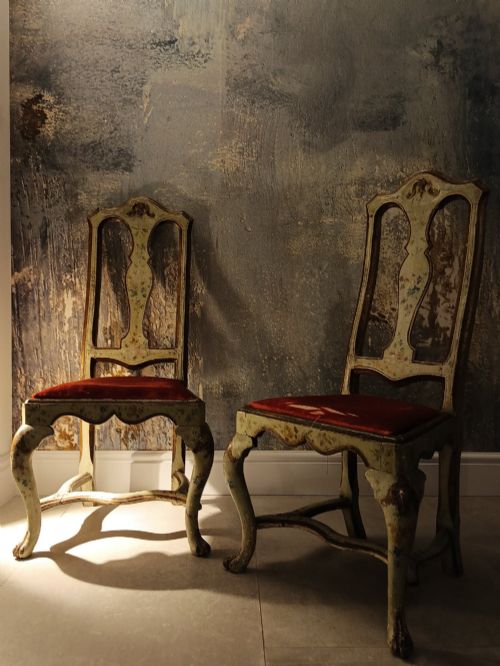
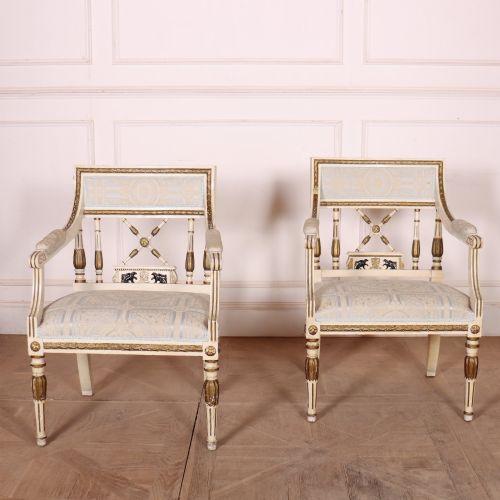
These vintage cream accent chairs bring distinct period form and upholstered comfort to a room.
Vintage Cream Accent Chairs
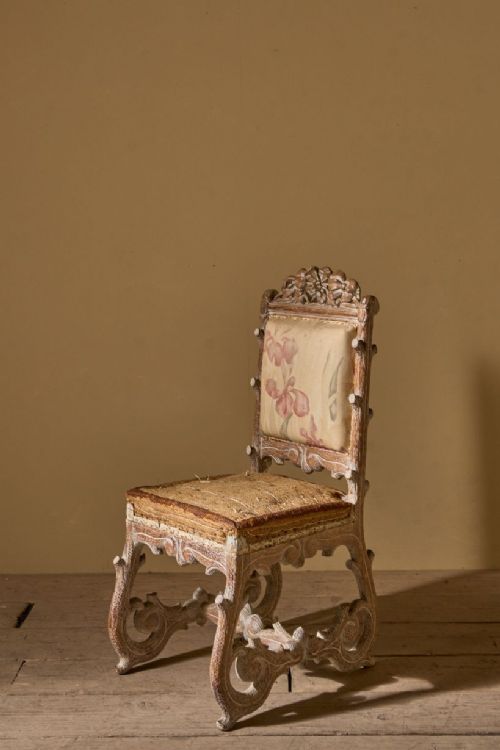
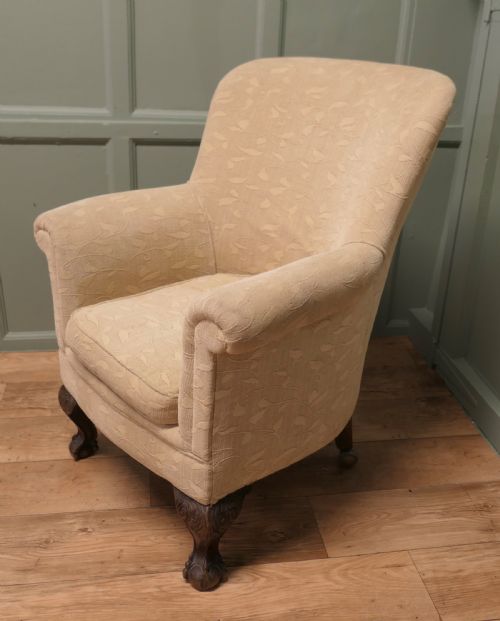
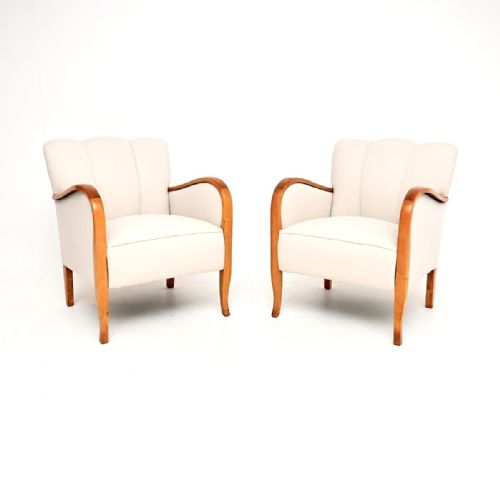
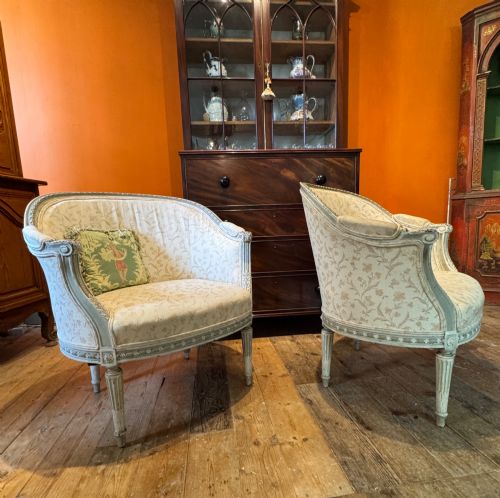
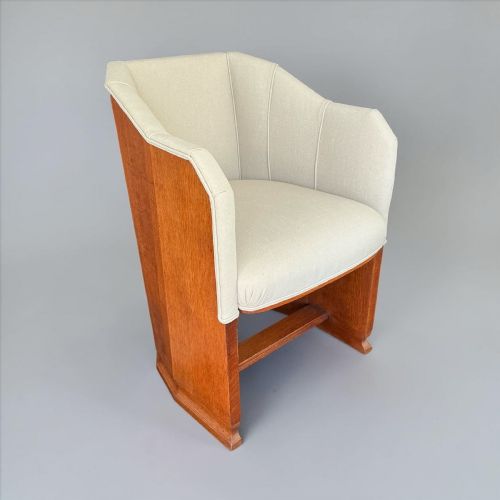
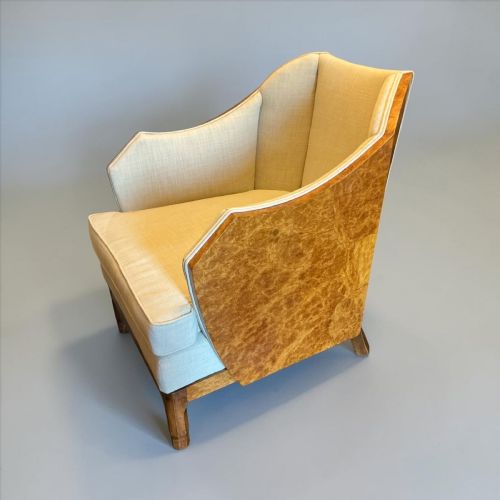
When you search for vintage cream accent chairs, you encounter a varied selection of seating spanning the nineteenth and early twentieth centuries. These pieces encompass forms such as armchairs, side chairs, tub chairs, slipper chairs, and bedroom chairs drawn from English, French, and Swedish traditions.
You are most likely to meet examples rooted in Victorian, Edwardian, and Art Deco periods, alongside revival styles including Louis XV, Queen Anne, and Neoclassical. These chairs function as individual statement pieces or matching pairs designed to complement specific interior settings.
How they were made
Frames are constructed from native and imported timbers including mahogany, walnut, satin birch, goncalo alves, elm, and painted or gilt wood, occasionally incorporating brass or gilt bronze mounts and wrought iron.
Upholstery methods utilise fabric, leather, and buttoning techniques to finish seats and curved backs, paired with carved or polished wooden show frames.
Materials recorded across the selection include mahogany, walnut, satin birch, goncalo alves, elm, wrought iron, and gilt wood.
What varies in quality
Quality rests upon the crispness of the timber carving, the integrity of the show frame construction, and the fidelity to period stylistic elements such as Empire, Art Deco, or neoclassical lines.
Maker attribution, original surface treatments like paint or gilt, and the sophistication of the timber grain, such as satin birch or goncalo alves, elevate certain chairs above standard production.
Hille·Bath Cabinet Makers·Harry and Lou Epstein·Mellier & Co
The Vintage Cream Accent Chairs Glossary
- Bergere
- An enclosed upholstered armchair with wooden framing, frequently featuring exposed woodwork and a cane or upholstered back.
- Show frame
- The exposed wooden structural skeleton of an upholstered chair that frames the textile portions.
- Slipper chair
- A low-seated bedroom chair traditionally designed for ladies to sit upon while dressing.
- Tub chair
- An armchair featuring a continuous curved back and arms forming a rounded enclosure.
- Gilt wood
- Timber treated with gold leaf or metallic gilding to create a decorative surface sheen.
Vintage Cream Accent Chairs: Frequently Asked Questions
Where should I place an accent chair?
These chairs suit corners of bedrooms, drawing rooms, and halls where an extra seat with period character completes the arrangement.
Their varied forms allow them to function independently or as part of a matching pair flanking a fireplace or window.
How do I identify Art Deco chairs?
Art Deco pieces from the nineteen-thirties display streamlined geometric profiles, distinct timber selections like satin birch, and pared-back frames.
Maker attributions and simpler decorative elements separate these twentieth-century designs from earlier nineteenth-century revival seating.
Are these chairs suitable for daily use?
Most pieces are built from sturdy hardwoods like mahogany, walnut, and elm with traditional joinery suited for sitting.
Upholstered salon, bedroom, and armchairs provide practical seating while retaining their distinct Victorian, Edwardian, or continental heritage.
What is the difference between side chairs and armchairs?
Side chairs lack armrests and generally feature slender proportions intended for occasional seating or placement around tables and bedroom settings.
Armchairs incorporate structural arm supports and broader seats designed for extended lounging in drawing rooms and parlours.