


Vintage Countryside Scene
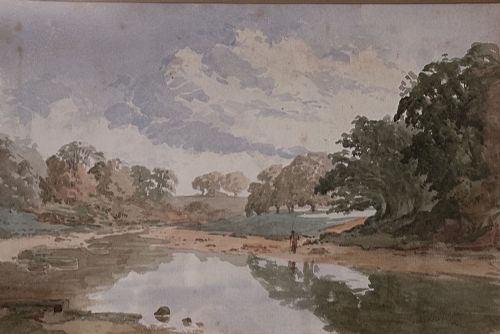
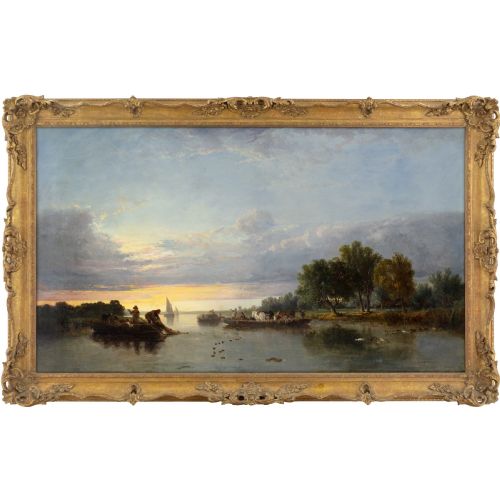
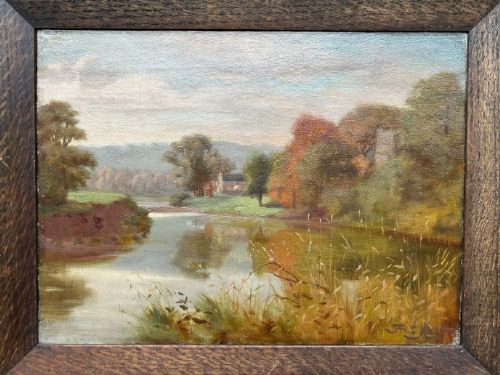
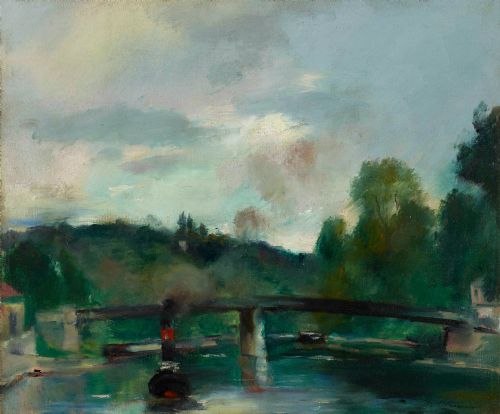
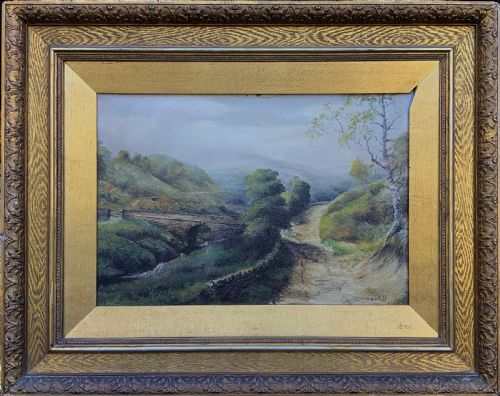
A vintage countryside scene captures rural life through oil paint and watercolour, offering a quiet window into past agricultural landscapes.
Vintage Countryside Scene
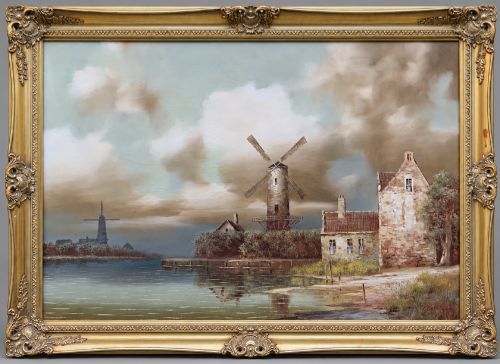
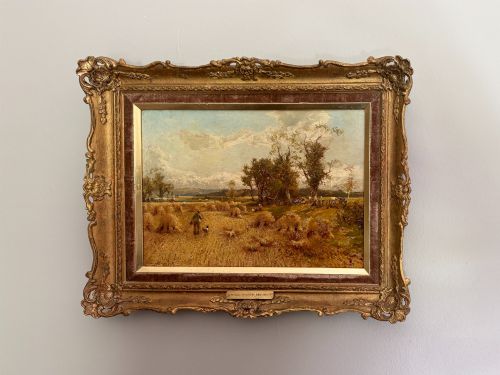
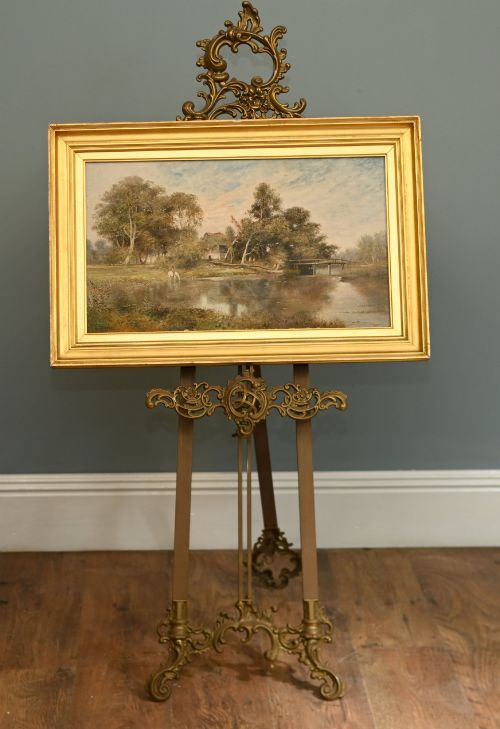
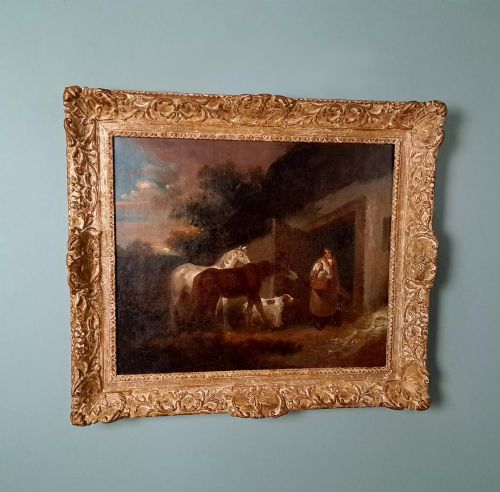
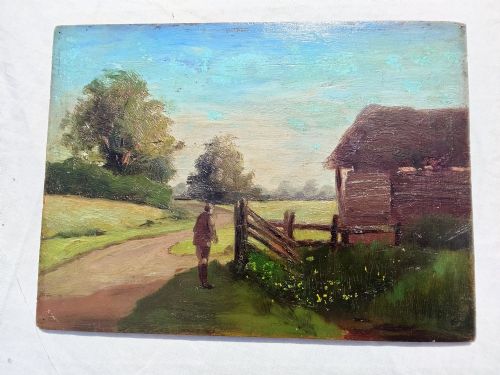
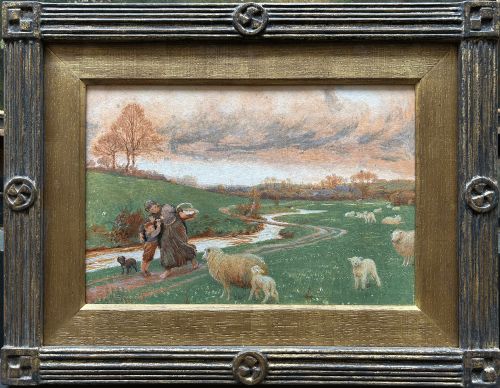
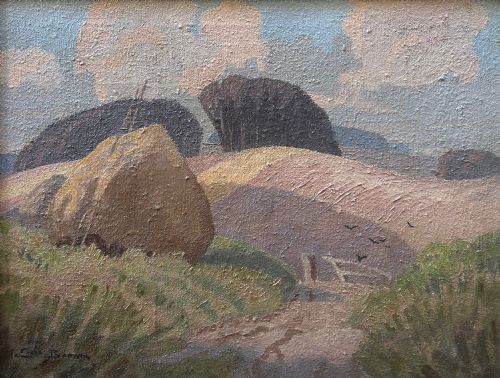
A vintage countryside scene depicts rural life, farming landscapes, rivers, and woodland views across Britain and beyond. These works record the changing agricultural seasons through depictions of hay carts, riverbanks, and country cottages.
The versions most frequently found on this page are 19th-century and early 20th-century oil paintings on canvas or wood panel, alongside watercolours on paper. Pieces range from intimate framed watercolours to large landscape oil paintings in original frames.
How they were made
Artists painted these rural views primarily using oil paint on canvas or wooden boards, alongside watercolours on paper. Canvas stretched over wooden frames and applied oil pigments allowed for rich layering and depth in depicting foliage, skies, and water.
Many works retain their period gilt or ebonised frames, which complement the painted composition. Stained glass panels and windows also appear as alternative mediums for rendering these pastoral subjects.
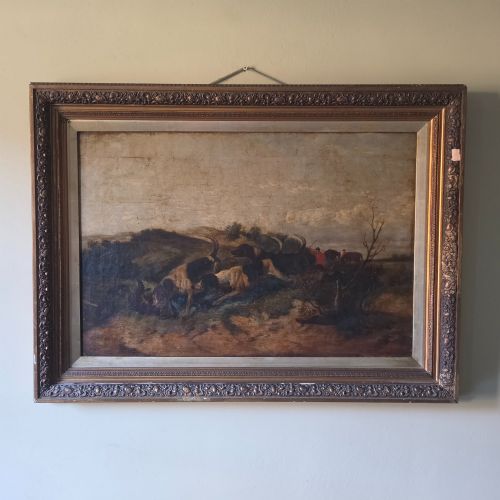
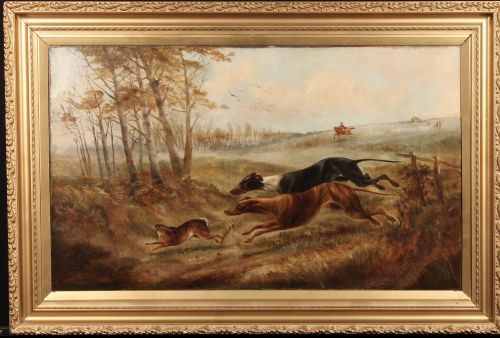
At least one canvas hides a detailed group of hunting dogs purposefully coursing hares across the landscape.
What varies in quality
Quality rests upon the artist's handling of light, brushwork, and atmospheric perspective within the landscape. Works by established named painters display a more confident rendering of figures, animals, and natural textures compared to simpler school pieces.
The preservation of the original paint surface and the compatibility of the period frame contribute to the overall integrity of the piece. Stronger examples capture the specific character of British or European countryside locations with distinct compositional balance.
William Manners·Edward Williams·George Armfield·William H Myers·George Graham·Frederick Marriott·William Joseph Shayer Senior·William Joseph Boyes·Florence Adelina Hess·Samuel Timmins·Herbert Royle·John Sanderson Wells·James William Booth·Frederick Septimus Lewis·Giulio Cecchini·William Greaves·Charles Vickers·Benjamin Williams Leader
The Vintage Countryside Scene Glossary
- Oil on canvas
- Pigments suspended in a drying oil applied to a woven fabric support stretched across a wooden frame. This medium allowed artists to build rich textures and deep tones.
- Watercolour
- A paint consisting of water-soluble pigments used on paper to create luminous washes. It is frequently employed for lighter, more translucent landscape studies.
- British Impressionism
- A late 19th- and early 20th-century painting movement focused on capturing light and everyday subjects en plein air. Artists discarded dark studio varnishes in favour of brighter palettes.
- English School
- A term used to describe works produced by British artists sharing stylistic traditions rather than a formal academy. These paintings often concentrate on regional topography and pastoral life.
Vintage Countryside Scene: Frequently Asked Questions
What subjects appear in these scenes?
These artworks show rural rivers, farmsteads, haymaking, and woodland paths. Figures engaged in fishing, hunting, or working the land frequently populate the foreground.
Compositions often focus on specific British locations, from Welsh river valleys to northern farmland and southern waterways.
How do I hang a heavy oil painting?
Large oil paintings on canvas require secure wall fixings directly into masonry or wall studs using heavy-duty picture hooks. The weight of the wooden stretcher and period frame demands robust support.
Ensure the hanging wire or D-rings on the back are strong enough to bear the total weight of the framed artwork.
Are watercolours sensitive to light?
Watercolour paintings on paper are vulnerable to fading when exposed to direct sunlight over long periods. Framing them behind glass with UV-filtering properties helps protect the pigments.
Positioning these pieces away from direct windows preserves the delicate tones of the original paper surface.
How do I identify the period of a painting?
The style of the brushwork, the stretcher construction, and the type of canvas or panel provide clues to the era of creation. Victorian and Edwardian works often feature specific framing styles and subject matter conventions.
Signatures, dates, and inscriptions on the reverse of the canvas or wooden board also help confirm the timeline.