


Antique Hunting Scene
An antique hunting scene captures the drama of pursuit on canvas, ceramic and metal, drawing collectors to centuries of field sports.
Antique Hunting Scene
An antique hunting scene depicts traditional field sports, equestrian pursuits and animal encounters across various decorative and fine art mediums.
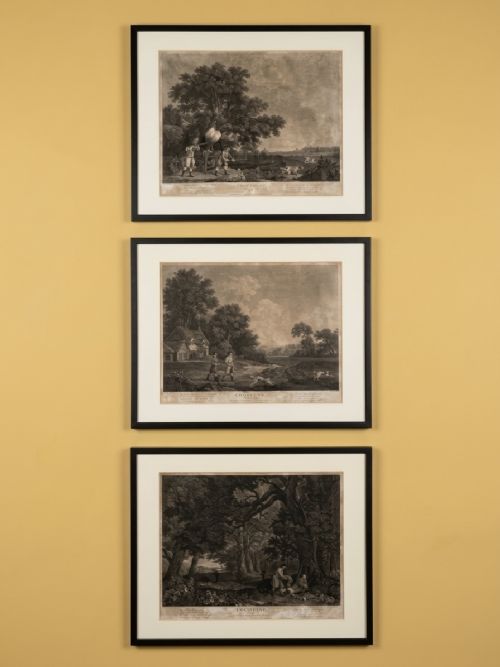
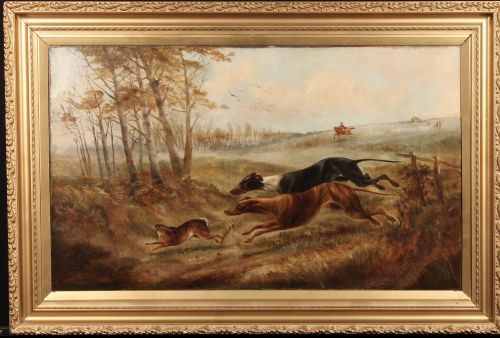
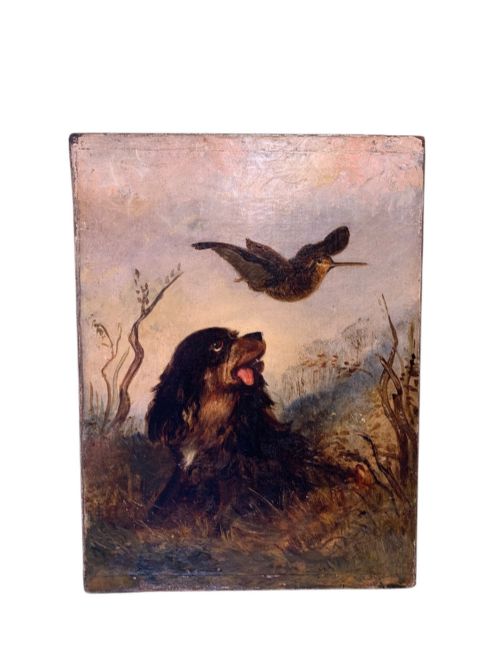
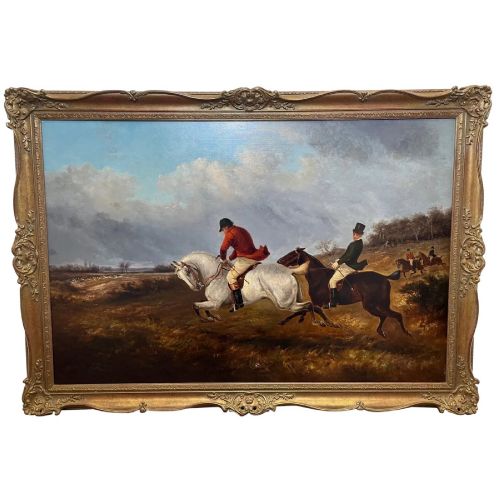
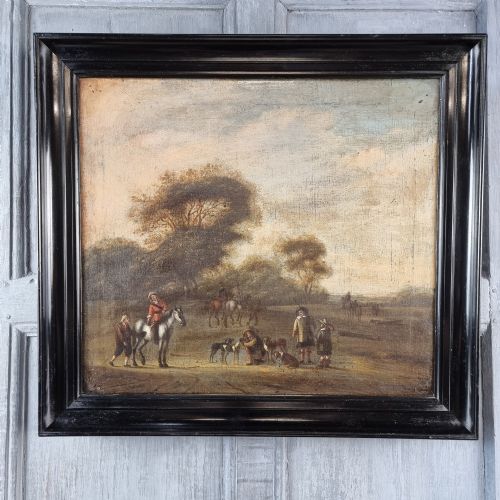
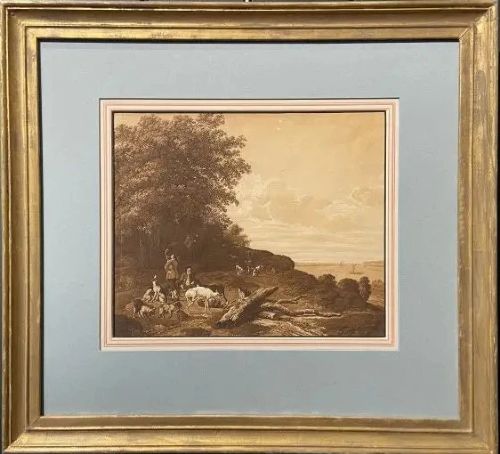
The versions met most frequently on this page include oil paintings on canvas depicting hounds and riders, alongside framed engravings and earthenware pottery.
These works span several centuries, with particular representation from the Victorian and Edwardian periods through to early twentieth century productions.
How these pieces were made
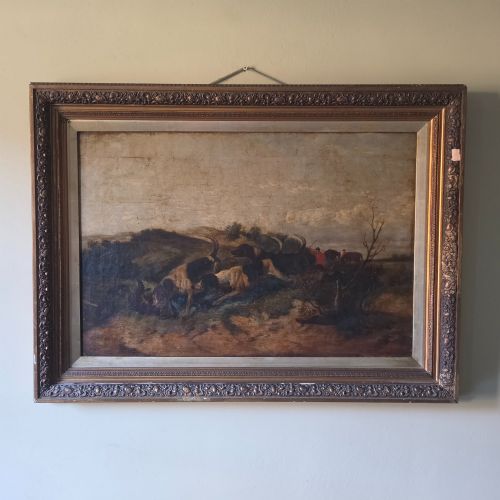
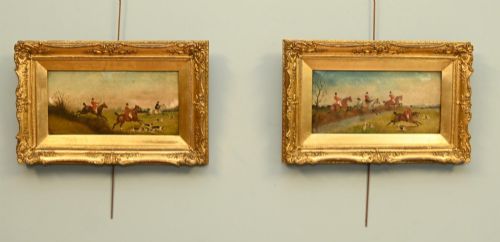
Painters utilised oil paint on canvas or panel, applying pigments to render detailed landscapes, horses and hounds with layered brushwork.
Ceramic pieces employed earthenware, jasperware and stoneware bodies decorated with transfer printing, hand painting or moulded reliefs depicting rural pursuits.
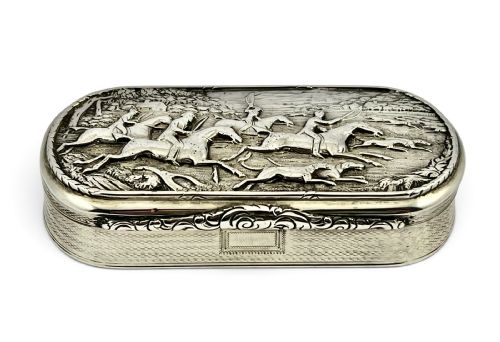
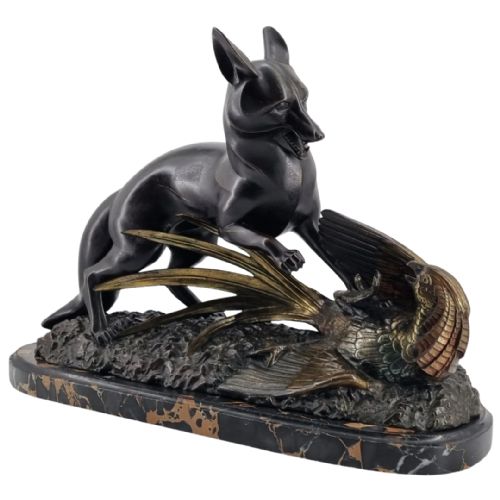
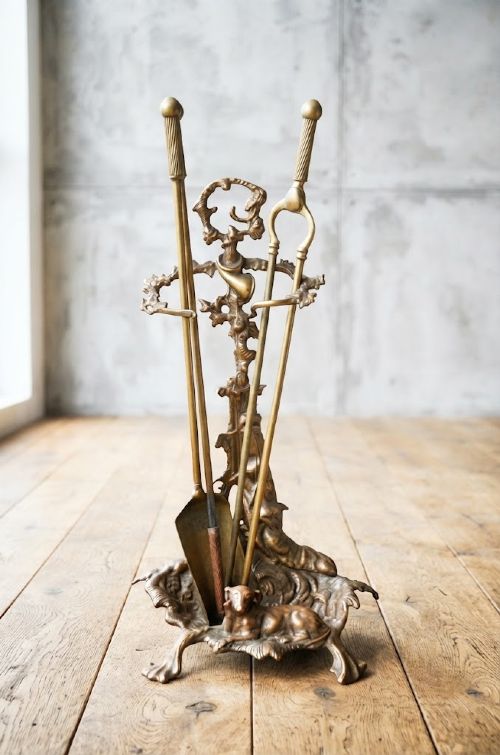
Metal items and jewellery incorporated casting, engraving and enamelling techniques on brass, silver and gold to portray animal and sporting motifs.
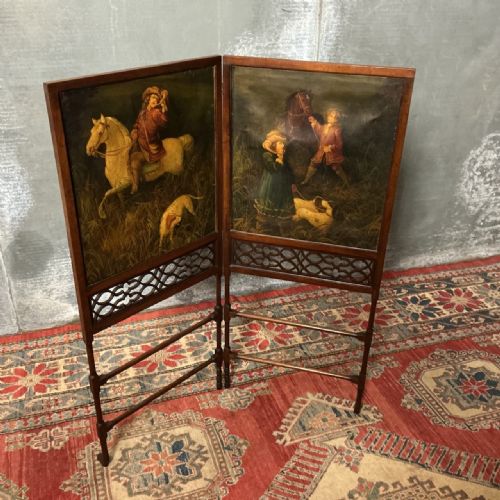
Listings include oil on canvas, earthenware, brass, glass and gilt wood spanning the seventeenth to twentieth centuries.
What distinguishes the quality
The proficiency of the draughtsmanship in the rendering of horses, hounds and human figures separates accomplished works from simpler decorative items.
In painted works, the subtlety of the landscape background and the handling of light contribute significantly to the overall merit of the piece.
For ceramics and metalwork, the crispness of the moulding and the precision of the enamel or transfer details determine the standard of execution.
George Stubbs·Edgar Hunt·Charles Hunt·William Adams And Sons·Thomas Smythe·George Armfield·Philip Henry Rideout·James Dudson
The Antique Hunting Scene Glossary
- Earthenware
- A porous pottery body fired at lower temperatures, commonly glazed and utilised for nineteenth century jugs and plaques.
- Jasperware
- A fine-grained stoneware developed by Josiah Wedgwood and later makers, characterised by white raised figures against a coloured ground.
- Engraving
- A printmaking technique where lines are cut into a metal plate with a burin to hold ink for impression onto paper.
- Transfer printing
- A method of applying a monochrome or coloured pattern to ceramic surfaces from an engraved copper plate via tissue paper.
Antique Hunting Scene: Frequently Asked Questions
What periods do these hunting scenes cover?
The objects span from the seventeenth century through the Georgian, Victorian and Edwardian eras up to the early twentieth century.
Most items originate from the nineteenth century, reflecting the peak of popularity for sporting art and decorated ceramics.
How were oil paintings of hunting scenes framed?
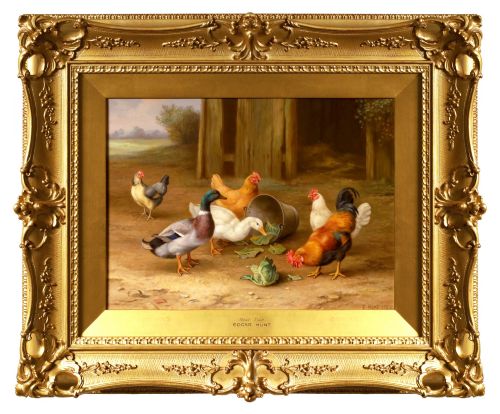
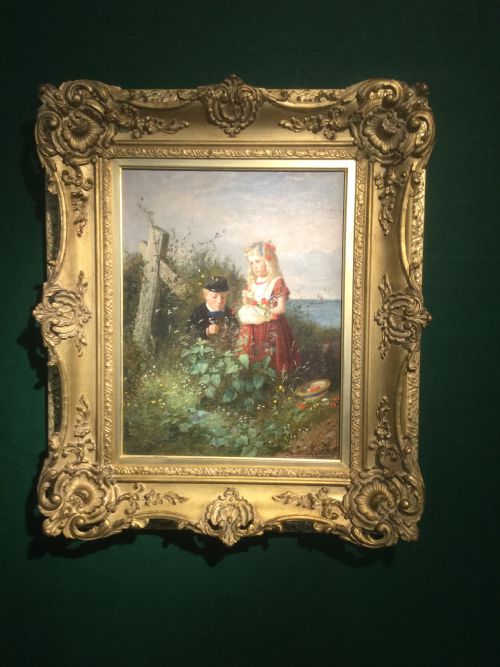
Many paintings are housed in gilt wood or moulded frames appropriate to their period of creation.
Original frames often complement the aesthetic of the artwork, though some pieces have undergone reframing over the decades.
What materials besides canvas feature hunting scenes?
Ceramics such as earthenware, jasperware and stoneware frequently carry moulded or transfer-printed depictions of field sports.
Precious metals, brass, glass, silk and carved wood also serve as mediums for these rural and equestrian narratives.
How do I care for antique oil paintings?
Keep painted canvases away from direct sunlight and fluctuating temperatures to prevent the cracking of oil paint.
Dust the surface gently with a soft, dry brush and avoid chemical cleaning agents on both the canvas and the gilt frame.