

Victorian Sporting Canvas
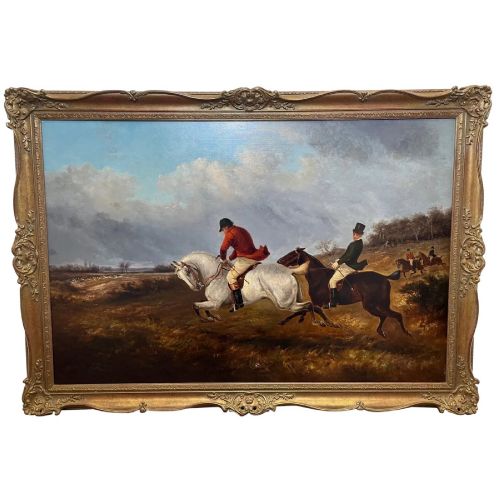
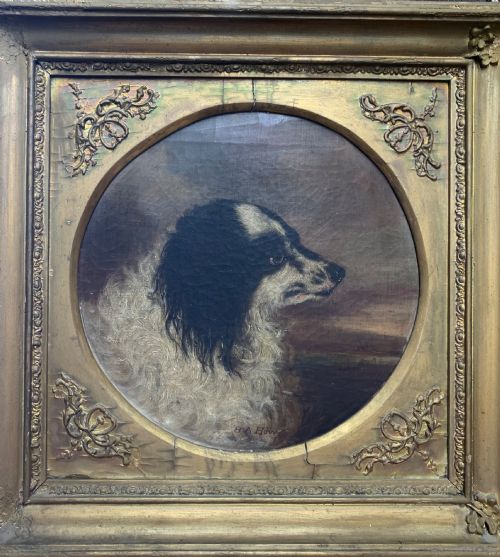
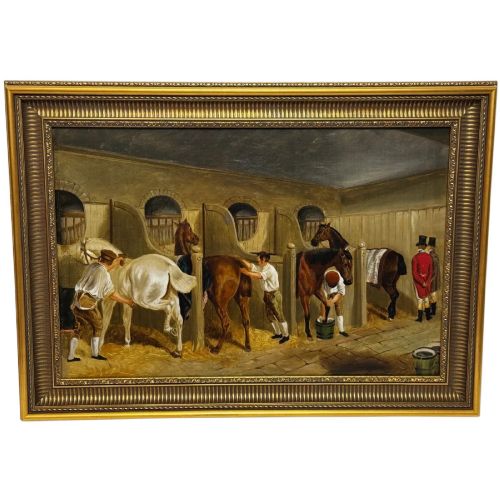
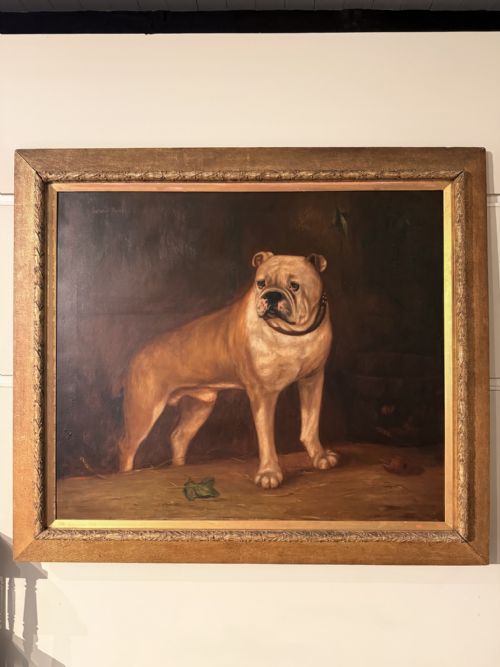
A victorian sporting canvas captures horses, hounds, and rural field sports through mid-to-late nineteenth-century brushwork that brings nineteenth-century canine and equine life directly to your wall.
Victorian Sporting Canvas
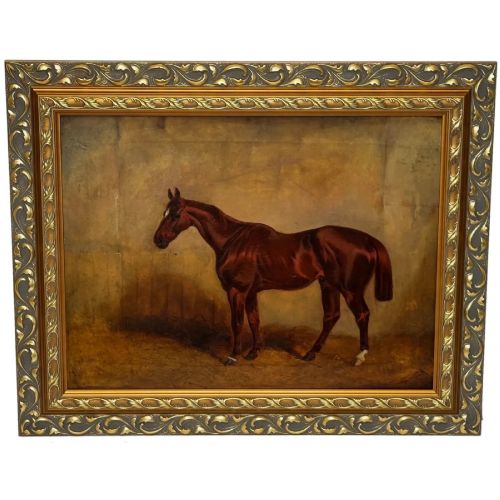
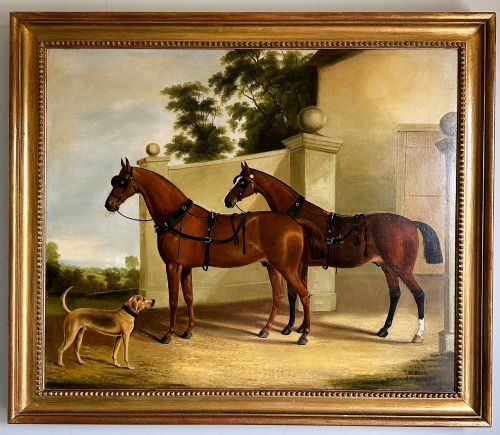
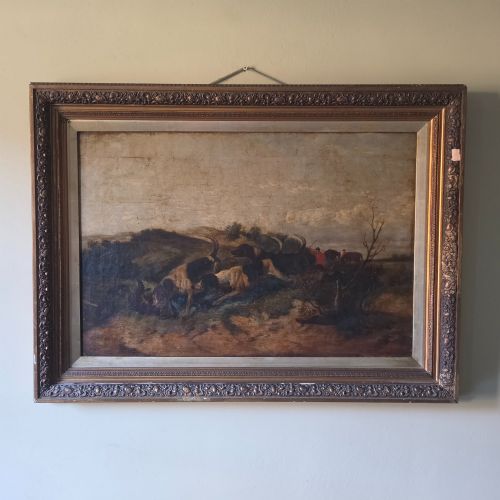
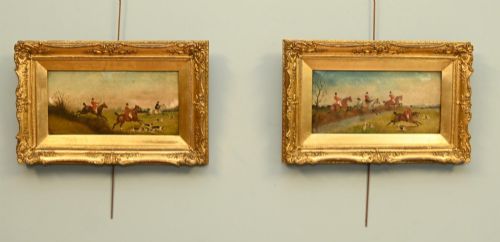
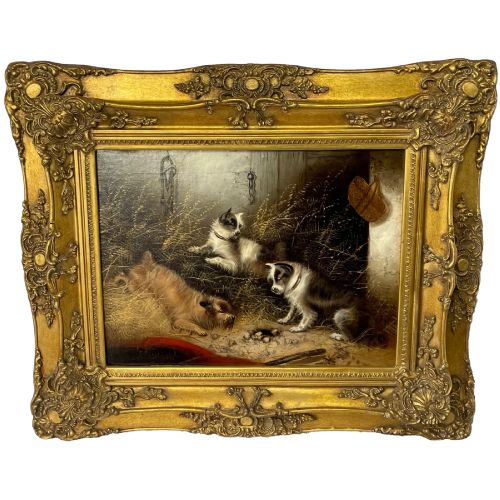
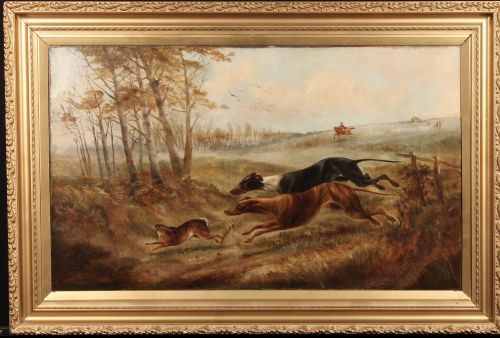
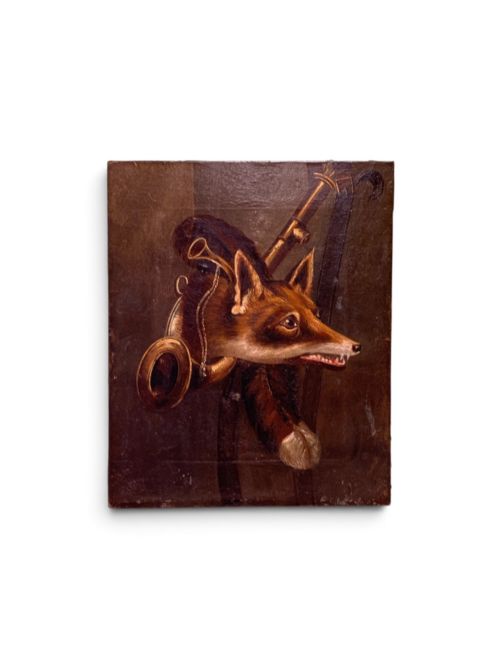
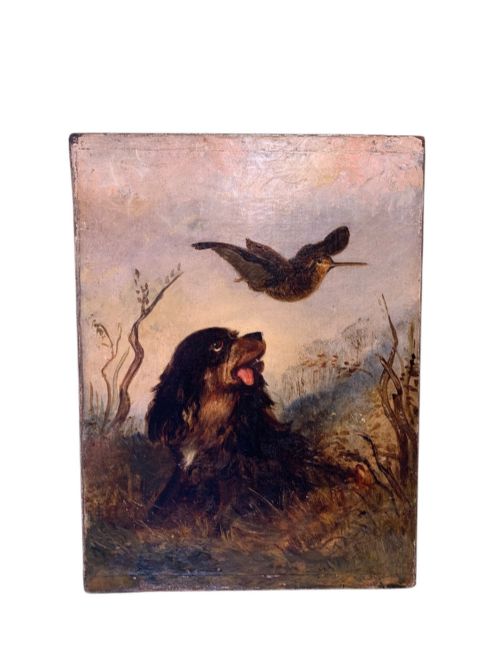
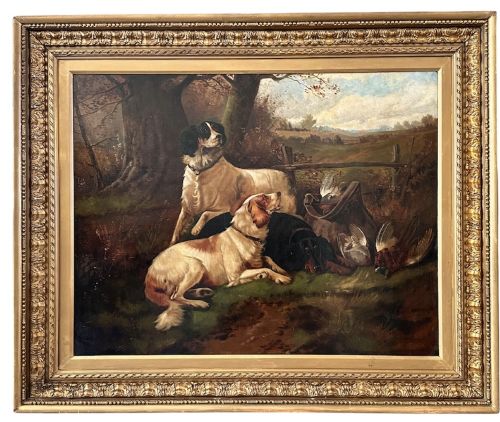
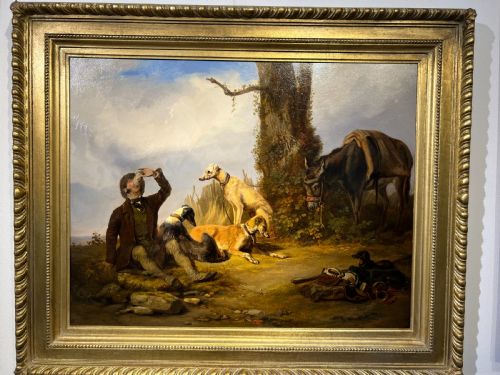
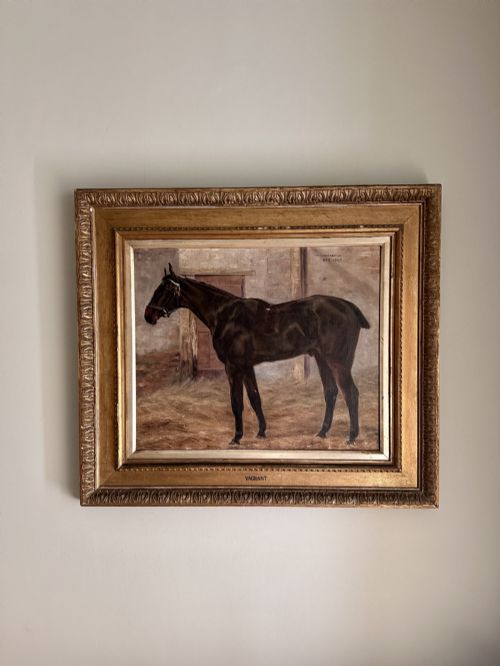
Victorian sporting canvas works encompass oil paintings centring on equestrian portraits, hunting hounds, gun dogs, and racing subjects produced during the nineteenth century. The subjects range from individual prize hunters and working terriers to large-scale depictions of hunts in progress.
Most pieces meet on this page hail from the Victorian period and the wider nineteenth century, spanning various styles of British sporting art. These works record animals, handlers, and landscapes with a focus on realism and detailed portraiture.
Materials and painting techniques
Artists built these works using oil paint on stretched canvas supported by wooden stretcher frames. The medium allowed for fine tonal gradations in depicting animal coats, leather tack, and atmospheric rural landscapes.
Many canvases are housed in their original frames constructed from wood, embellished with gesso mouldings and finished in gold leaf or giltwood. These frames provide structural support and complement the rich palettes of the oil paintings.
Listings feature works executed in oil on canvas across the nineteenth century, framed in wood, giltwood, and gesso.
Distinctions in quality and execution
Quality rests upon the artist's command of animal anatomy, proportion, and movement, distinguishing stiff renderings from lifelike, dynamic portrayals of horses and hounds. The depth of the landscape background and the handling of light across coats also signal execution level.
The preservation of the original canvas and the integrity of the period frame contribute significantly to the standing of a piece. Retaining untouched pigment layers without extensive overpainting preserves the original hand of the artist.
Edward Armfield·Thomas Smythe·Sir Edwin Henry Landseer·John Emms·John Ferneley Senior·William Barraud·Colin Graeme Roe
The Victorian Sporting Canvas Glossary
- Canvas
- A heavy woven fabric stretched across a wooden frame to serve as the foundation for oil paintings. It provides a durable and textured surface for brushwork.
- Giltwood
- Wood that has been coated with a thin layer of gold leaf or gilt finish. It is commonly found on nineteenth-century picture frames.
- Gesso
- A plaster-like mixture applied to wooden frames before gilding to create smooth surfaces for decorative moulding. It allows crisp detail on ornate nineteenth-century frames.
- Equestrian
- Pertaining to horses, horse riding, or horse racing. This genre forms a major category within nineteenth-century sporting art.
- Provenance
- The documented history of ownership of an artwork. It traces the lineage of a painting from its creation to the present day.
Victorian Sporting Canvas: Frequently Asked Questions
What subjects appear most often in these paintings?
These works primarily feature horses, hunting hounds, gun dogs, and racing subjects set within rural landscapes. Portraits of specific prize animals and dramatic scenes from the hunt dominate the genre.
Many pieces record named horses, champion terriers, and pack hounds associated with historic estates and hunts. The focus remains heavily upon the animal subjects and their handlers.
How were these canvases housed originally?
Period works typically feature wooden frames decorated with gesso and finished in gold leaf or giltwood. These ornate surrounds were designed to complement the rich tones of the oil paintings.
Many surviving frames remain paired with their original canvases, retaining nineteenth-century craftsmanship and decorative detailing. Frame styles varied according to the decade and the intended display setting.
How can I tell a nineteenth-century work from a later copy?
Examining the canvas preparation, stretcher construction, and pigment ageing offers clues to a painting's age. Nineteenth-century works display craquelure and canvas characteristics consistent with historical manufacturing methods.
Attributions often rest upon signatures, artist records, and stylistic comparisons with documented works from the period. Historical provenance records further support the dating of specific pieces.
How do I care for an oil painting on canvas?
Keep the canvas away from direct sunlight, high humidity, and extreme temperature fluctuations to prevent cracking or warping of the paint and wooden stretcher. Gentle dusting with a soft, dry brush maintains the surface.
Avoid using water or chemical cleaners on the paint or the giltwood frame. Professional conservation should be sought for any structural repairs or cleaning of the pigment layer.