
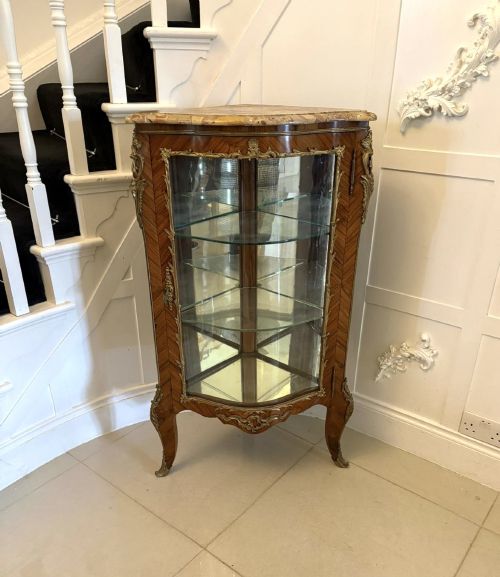
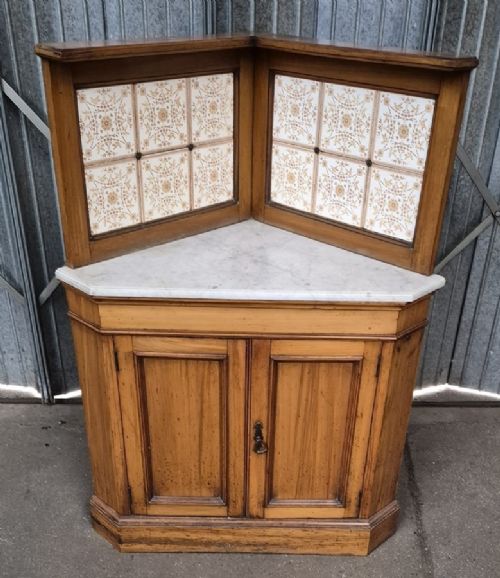

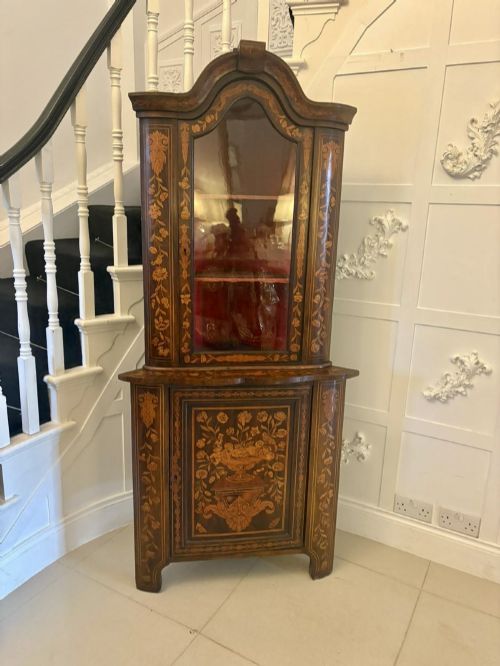
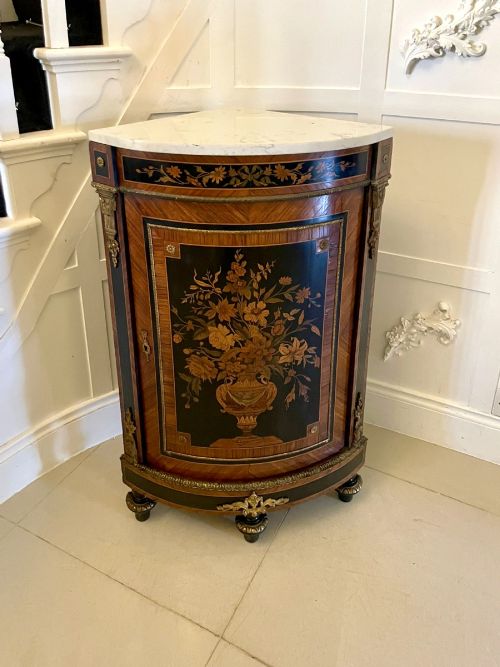
Vintage Corner Cupboard
A vintage corner cupboard utilises dead space to organise a room, bringing character and storage in mahogany, oak, or walnut.
Vintage Corner Cupboard
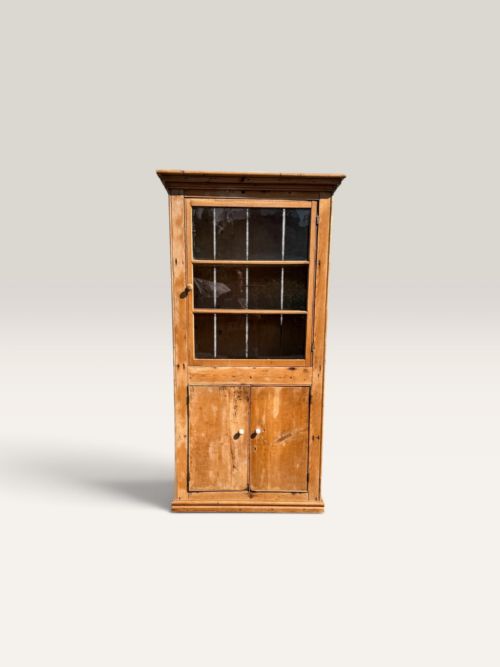
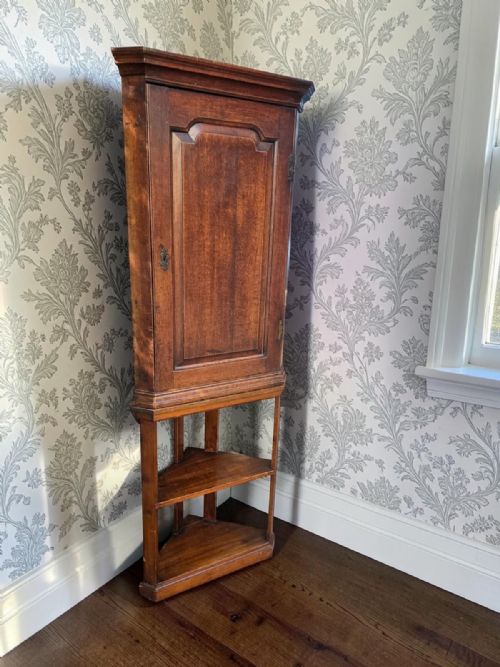
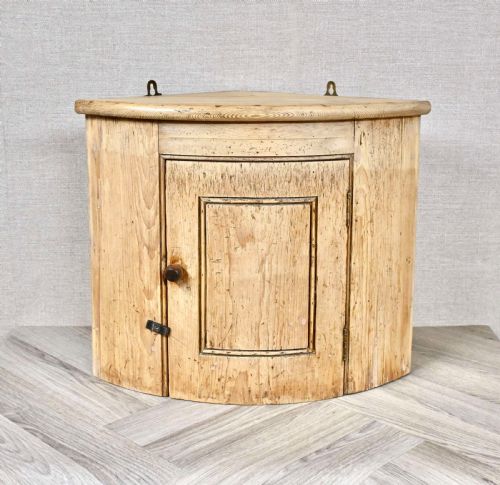
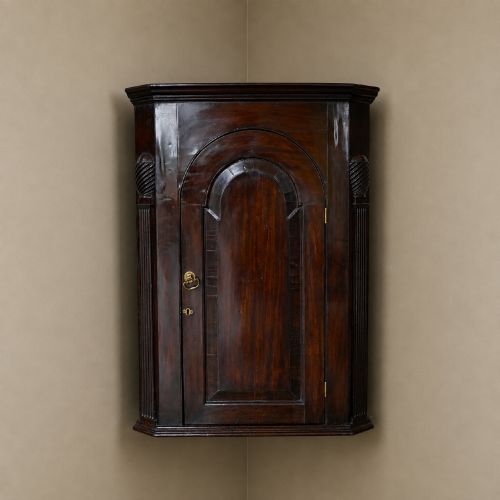
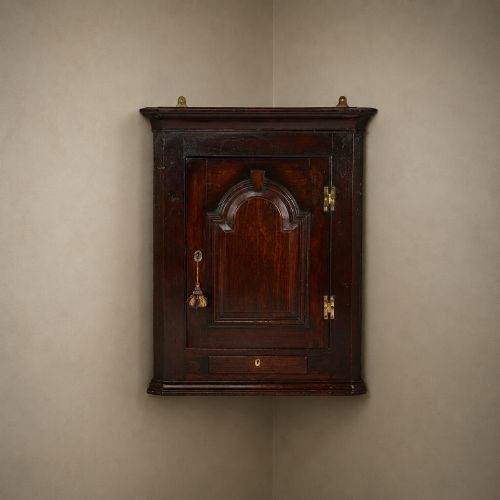
A vintage corner cupboard is designed to fit flush into the corner of a room, making efficient use of awkward angles while providing enclosed shelving. These pieces range from compact wall-hanging designs to substantial floor-standing cabinets and display units.
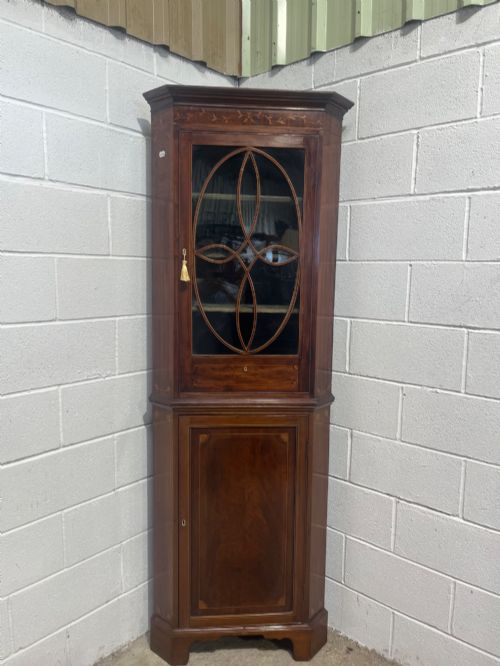
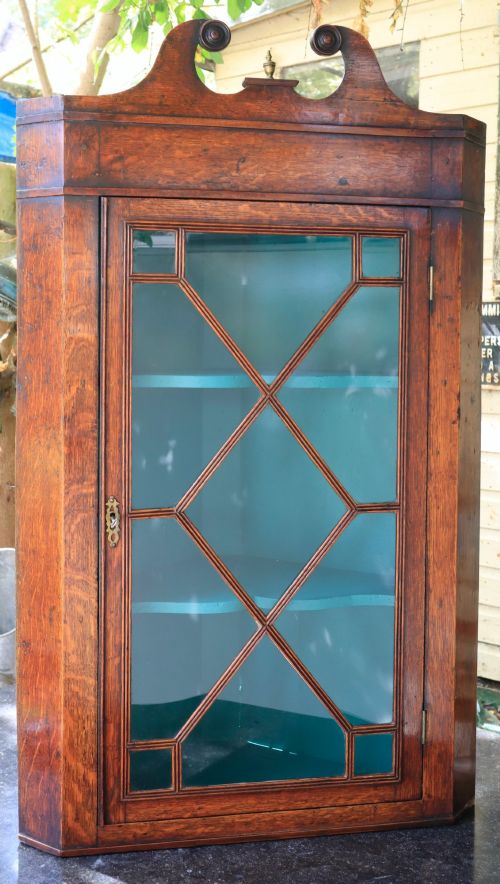
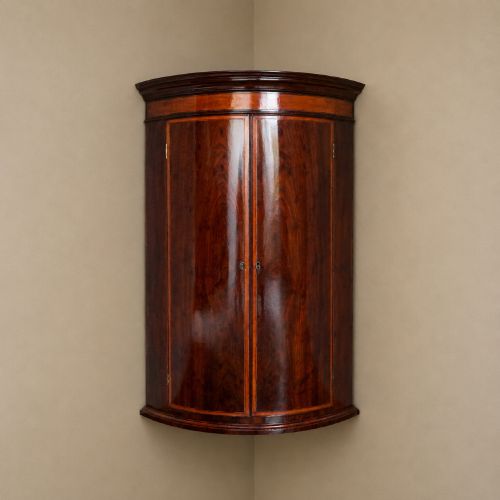
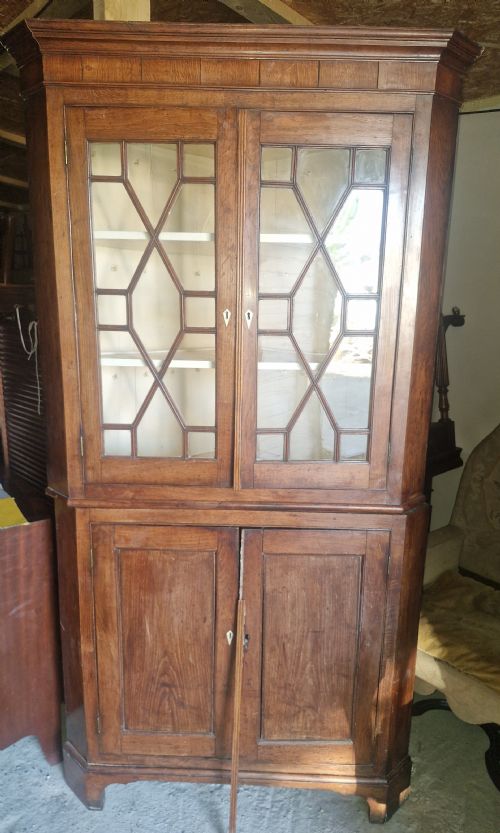
The selections span several centuries, with Georgian and Victorian examples appearing frequently alongside Edwardian and later twentieth-century styles. Buyers often encounter mahogany and oak constructions, frequently detailed with glazed doors or bow fronts.
Origin points vary widely across the inventory, including English, French, Dutch, and Swedish workshops. Forms range from simple country pine cupboards to elaborate marquetry display cabinets with marble tops and ormolu mounts.
How they were made
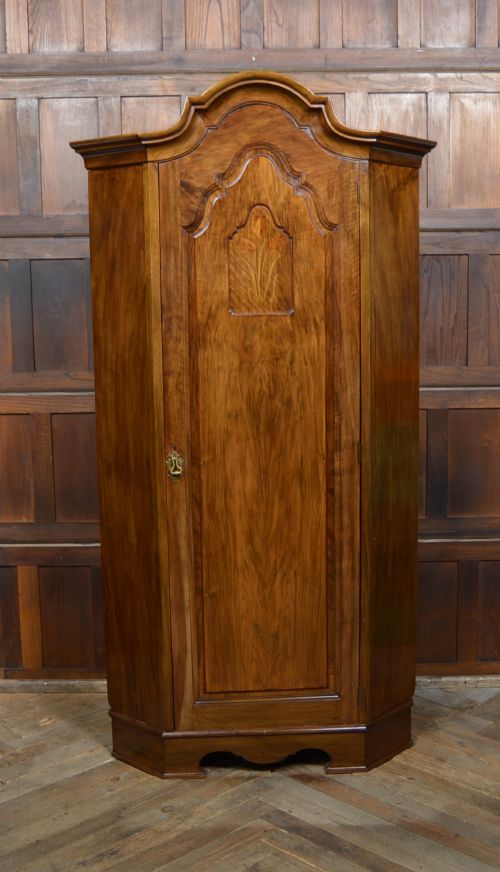
Cabinetmakers constructed these cupboards using solid timbers like mahogany, oak, and walnut, frequently applying veneers such as satinwood inlay, burr walnut, or elaborate floral marquetry. Secondary woods like pine provide internal structure and shelving support.
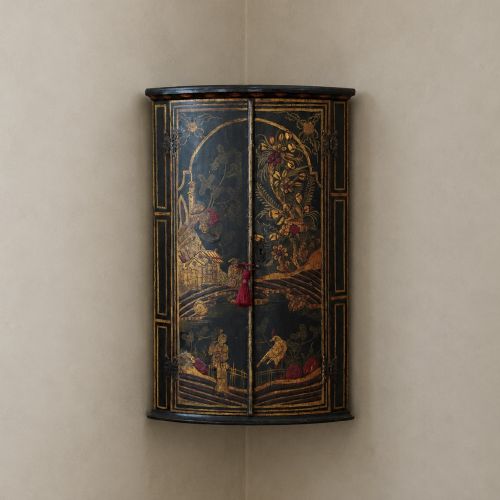
Surface treatments include traditional hand-applied polished finishes, japanned chinoiserie lacquer, and painted interiors. Metal hardware such as brass hinges, escutcheons, and working keys complete the construction.
Vintage Corner Cupboard Retail Price Guide 2026
Typical asking prices for vintage corner cupboard among the pieces listed under this phrase on Sellingantiques today, from the lower quarter to the upper quarter. They describe what is for sale here now, not the wider market.
Materials span solid oak, mahogany, walnut, and pine, augmented by glass, brass hardware, and painted finishes.
What varies in quality
Quality reveals itself in the choice of timber figure, such as plum pudding mahogany or burr walnut, and the precision of inlaid details. Superior examples display careful timber selection where grain patterns match symmetrically across doors and panels.
The refinement of internal elements also sets pieces apart, from simple shelved interiors to glazed display compartments and fitted drawers with original keys. Structural joinery, such as dovetailed drawer boxes and well-fitted hanging doors, distinguishes finer workshops from standard production.
Walker And Sons
The Vintage Corner Cupboard Glossary
- Bow front
- A convex curved cabinet front that projects outward from the corners, popular in Georgian and later periods. This curved profile requires skilled joinery to shape the doors and frame.
- Marquetry
- Decorative veneer patterns formed by fitting together thin pieces of wood, shell, or ivory to create pictorial designs. It appears extensively on finer continental and English cabinets.
- Ormolu
- Gilded bronze mounts and ornaments applied to furniture, seen particularly on French cabinets. The technique involves applying a mercury and gold amalgam to bronze.
- Japanned
- European imitation of East Asian lacquerwork, typically featuring raised metallic designs on a dark painted background. This finish provides a highly decorative orientalist surface.
- Hanging cabinet
- A wall-mounted cupboard designed to be secured at height rather than standing on the floor. These save valuable floor space in smaller rooms.
Vintage Corner Cupboard: Frequently Asked Questions
How do I hang a wall cabinet safely?
Wall-hanging corner cupboards require sturdy fixings directly into solid masonry or substantial wall studs to support their weight and contents. Professional installation ensures the cabinet remains secure over time.
Because these pieces project outward from the corner, checking the weight distribution and using appropriate brackets prevents any strain on the original antique timber frame.
Where should I place a corner cupboard?
These cabinets suit dining rooms, hallways, or living spaces where standard rectangular furniture leaves awkward gaps. They turn unused angles into practical display or storage areas.
Matching the period of the cupboard to the surrounding room creates a cohesive look, though mixing eras can also highlight the distinct character of the timber.
How do I clean antique timber surfaces?
Dust the exterior regularly with a soft, dry cloth to prevent dirt accumulation on polished mahogany, oak, or walnut surfaces. Avoid using modern silicone sprays that can damage historic finishes.
Applying a traditional beeswax polish occasionally helps nourish the wood and maintain a natural lustre without building up heavy residues.
How do I tell a Georgian cupboard from a Victorian one?
Georgian cupboards often feature simpler proportions with premium timbers like plum pudding mahogany and subtle stringing. Their construction reflects eighteenth-century cabinet-making traditions.
Victorian and later pieces frequently introduce broader stylistic revivals, such as Jacobean or Sheraton influences, alongside heavier mouldings, glazed display panels, or varied interior setups.