

Vintage Copper Kitchenware
These vintage copper kitchenware pieces bring warmth and history to interiors, spanning sturdy preserving pans and delicate jelly moulds from Georgian and Victorian kitchens.
Vintage Copper Kitchenware
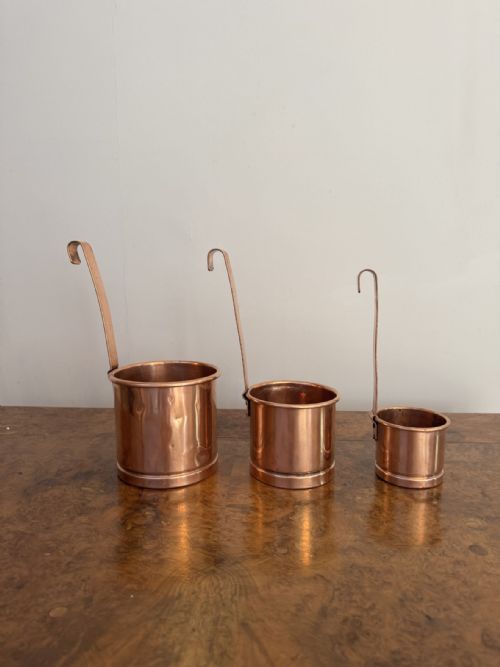
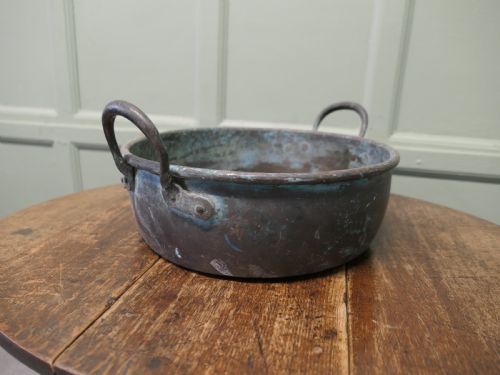
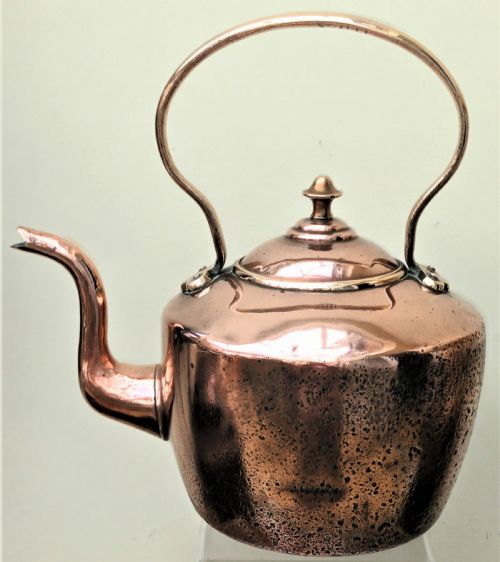
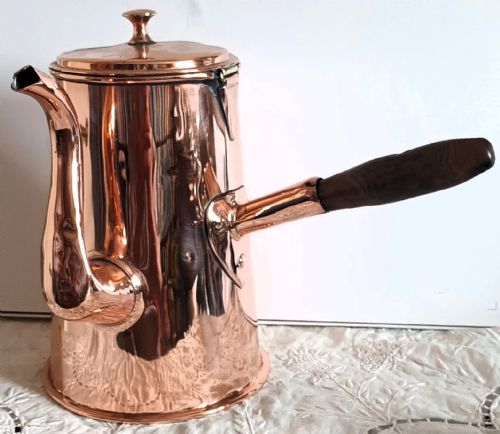
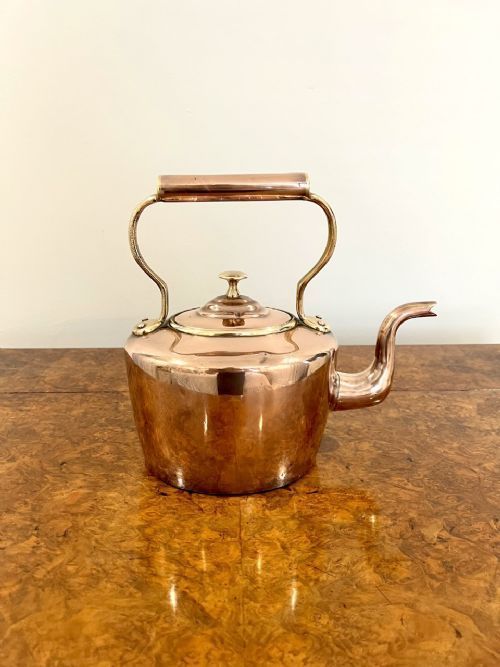
Vintage copper kitchenware encompasses functional items used for daily cooking, preserving and boiling water across domestic and professional spaces. Buyers seeking these items encounter vessels ranging from large preserving pans and coffee pots to miniature jelly moulds and graduated measures.
The selections span distinct periods including the Georgian era, the nineteenth century and the Victorian period. Styles draw from English farmhouse traditions alongside French country, Middle Eastern and Anglo-Indian designs.
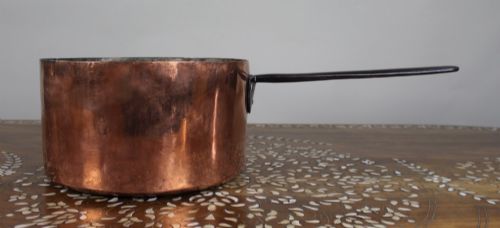
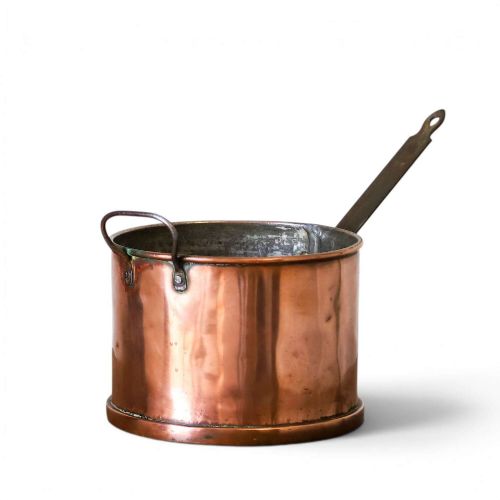
Common forms on offer include heavy saucepans, tea kettles, lidded pots and kitchenalia collections. Individual items frequently appear in graduated sets or matching groups spanning several sizes.
Materials and construction methods
Makers utilised heavy gauge copper combined with brass, iron, bronze and wrought iron for handles, rims and fixings. Tin linings coated the interior surfaces of cooking vessels to prevent food reacting with the metal.
Pieces show hand-beaten construction methods where metalworkers shaped the copper plates by hammer. Cast iron and brass components were riveted or joined securely to the main copper bodies.
Vintage Copper Kitchenware Retail Price Guide 2026
Typical asking prices for vintage copper kitchenware among the pieces listed under this phrase on Sellingantiques today, from the lower quarter to the upper quarter. They describe what is for sale here now, not the wider market.
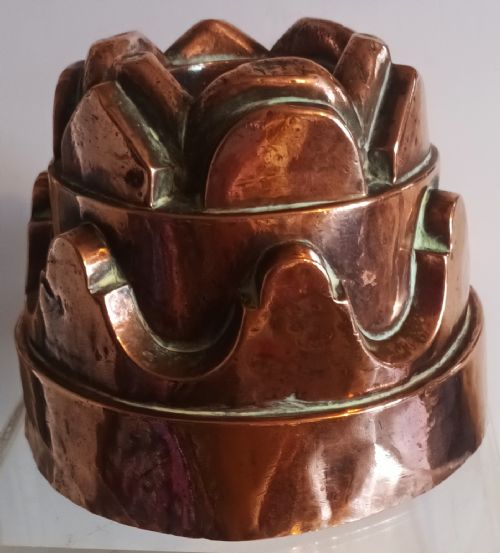
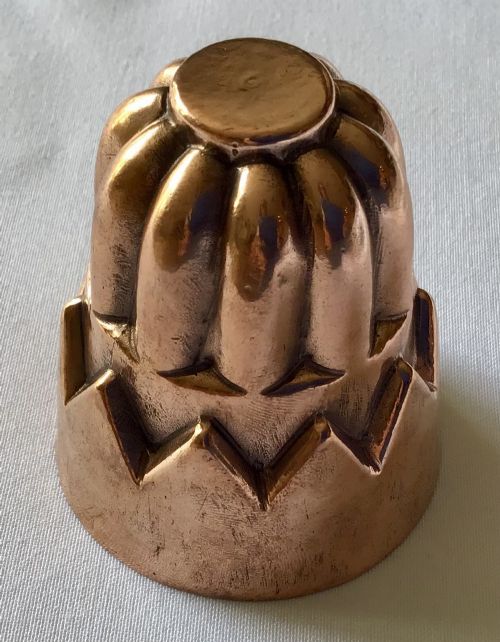
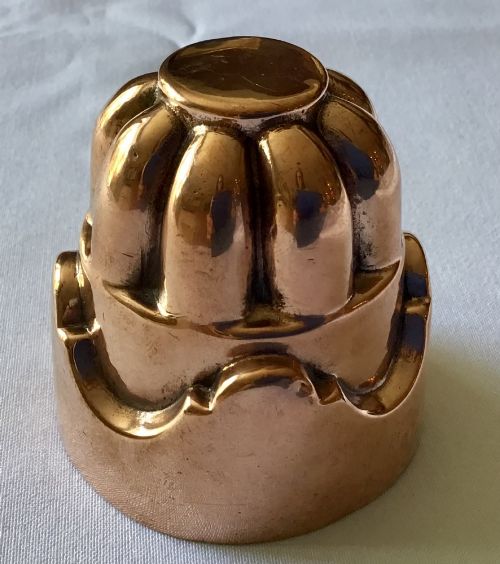
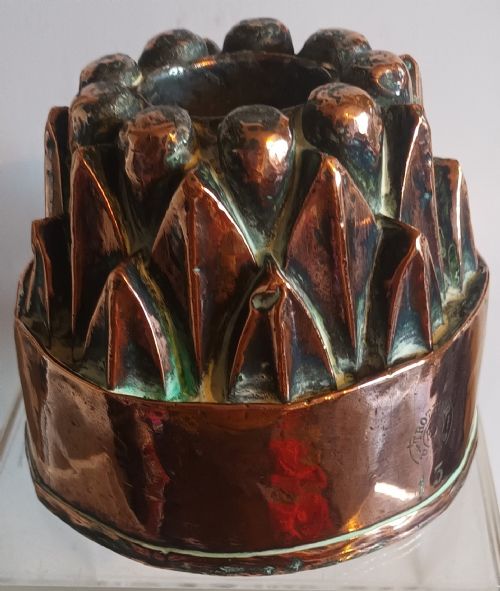
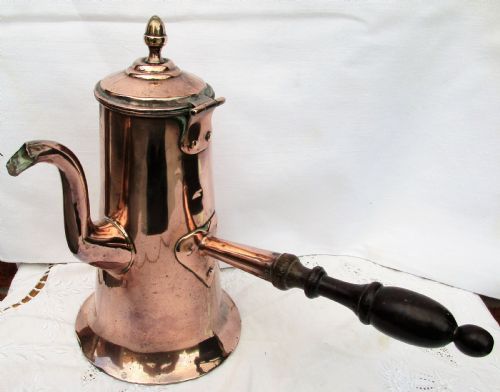
The inventory includes specialised forms such as castle top jelly moulds, coffee pots, preserving pans and graduated measure sets.
Assessing quality in copper vessels
Quality rests upon the weight and thickness of the metal sheet used to form the body. Heavier gauge copper indicates robust construction intended for serious culinary work rather than decorative display.
The precision of hand-beating, the neatness of dovetail or soldered seams and the integrity of original brass or iron attachments separate standard domestic items from superior pieces.
Trottier
The Vintage Copper Kitchenware Glossary
- Preserving pan
- A wide, open vessel designed for boiling fruit and sugar. These heavy pans allow rapid evaporation during jam making.
- Kitchenalia
- Domestic utensils and culinary equipment gathered from past eras. The term covers everything from skimmers to measures.
- Jelly mould
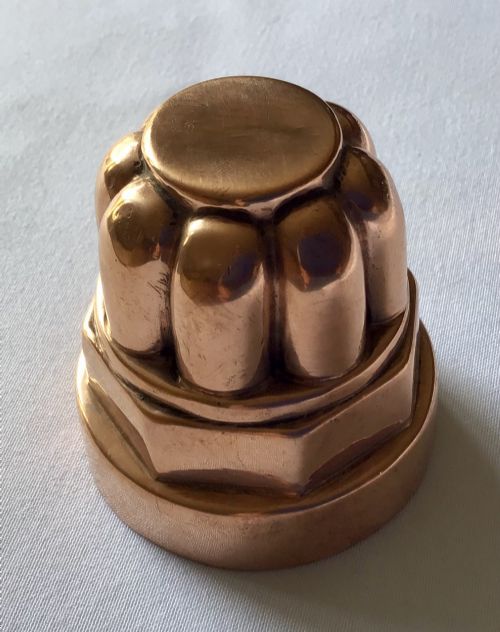
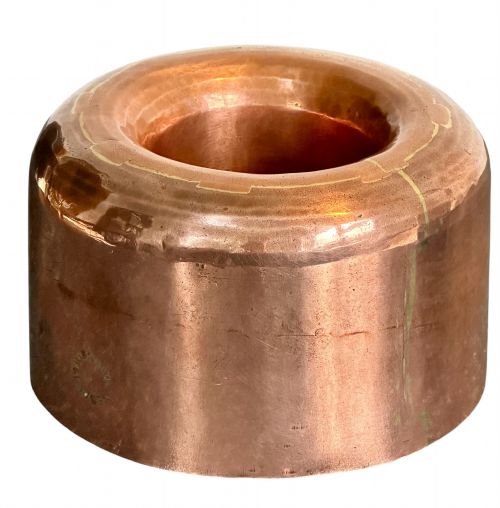
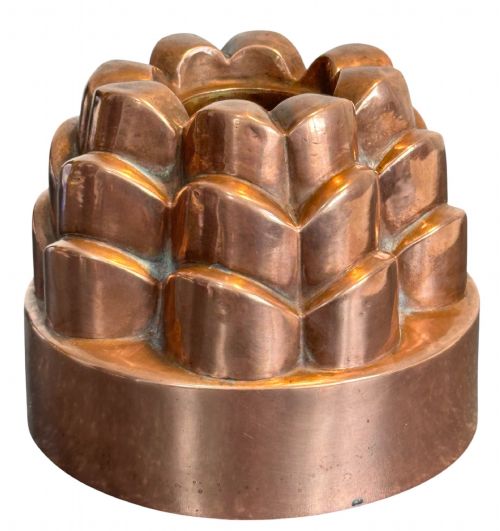
- A shaped metal form used for setting aspics or desserts. Elaborate examples feature architectural motifs like castle tops.
- Measure
- A standardised vessel for checking liquid quantities. Sets often graduate in size from small units upwards.
- Mortar and pestle
- A heavy bowl and club used for grinding ingredients. Bronze and stone versions survive from earlier centuries.
Vintage Copper Kitchenware: Frequently Asked Questions
What periods do these pieces come from?
The inventory spans the eighteenth century through to the Victorian era. Georgian and nineteenth-century examples dominate the selection.
Craftsmen produced these domestic items across English, French, Middle Eastern and Anglo-Indian workshops during those periods.
How were these pans used originally?
Kitchens utilised these vessels for boiling water, brewing coffee, preserving fruit and preparing daily meals over open fires or ranges. Heavy pans distributed heat evenly across the base.
Smaller items like jelly moulds created decorative shapes for formal dining tables.
Are these items safe for modern cooking?
Many vintage copper pans require re-tinning on the interior surface before food preparation can resume safely. Historic tin linings often thin with age and use.
Buyers frequently display these decorative objects in kitchens or utilise them for dry storage instead.
What metals are combined with copper?
Makers incorporated brass for handles, taps and reinforcement rims on measures and kettles. Iron and wrought iron frequently form sturdy carrying handles on preserving pans.
Bronze appears in heavier utilitarian items such as mortar and pestle sets.