


Vintage Commercial Signage
Vintage commercial signage encompasses painted wooden boards, glass panels and metal plates that once marked trades, shops and railways.
Vintage Commercial Signage
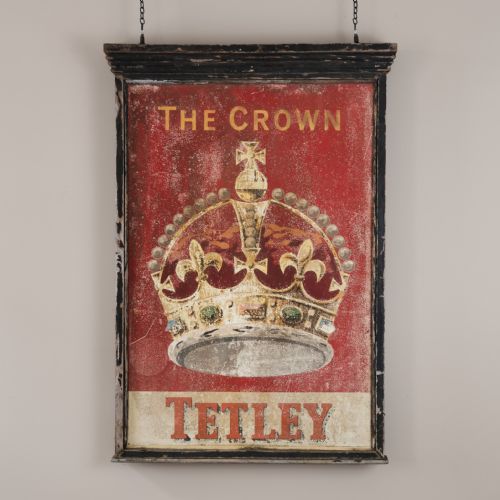
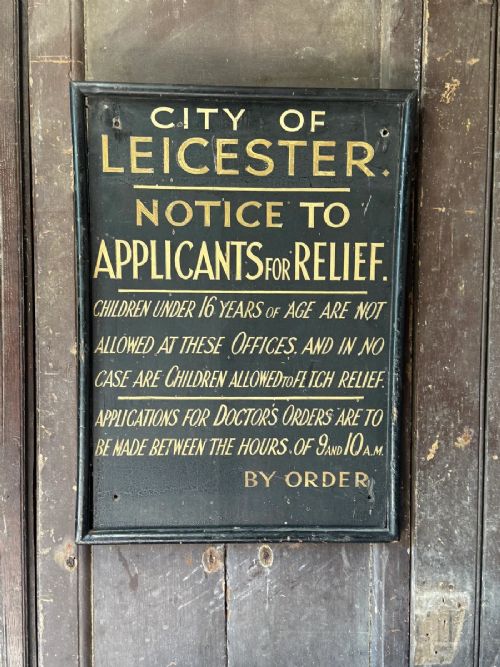
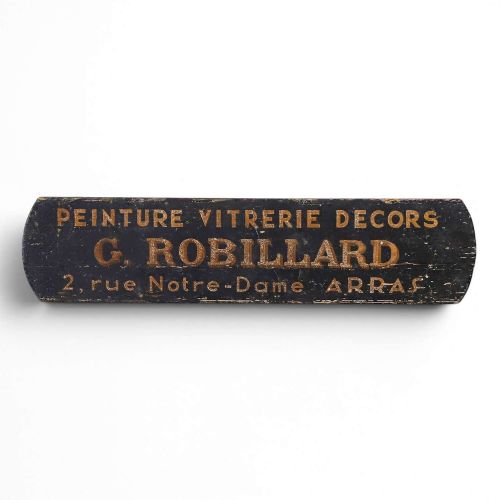
Vintage commercial signage covers trade signs, wall signs and architectural salvage created to advertise businesses, direct the public or mark specific professions. The pieces span periods from the Victorian era and Edwardian times through to the 1920s, 1930s and mid-twentieth century.
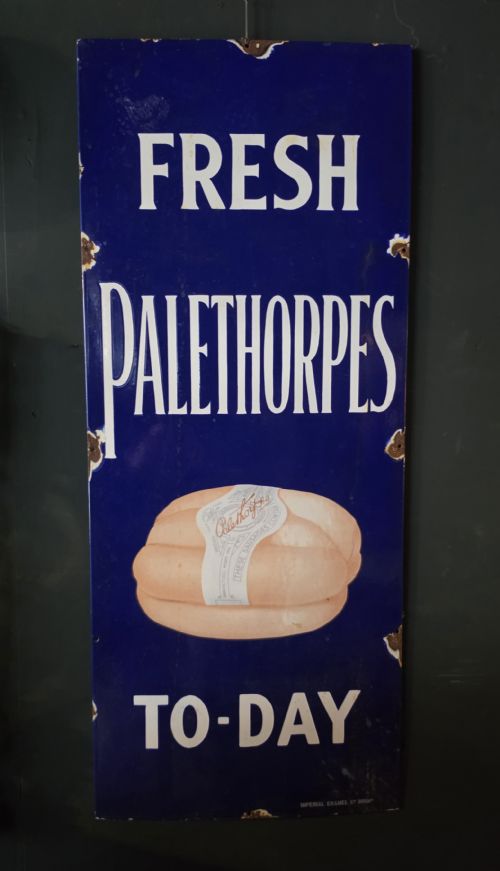
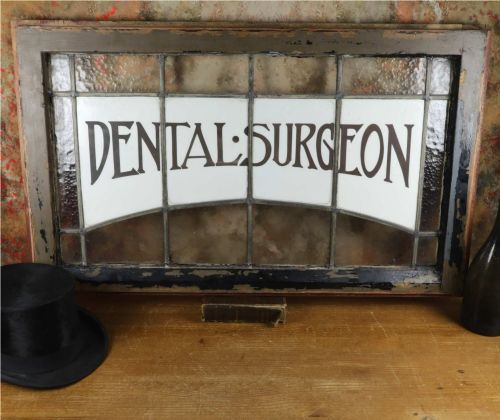
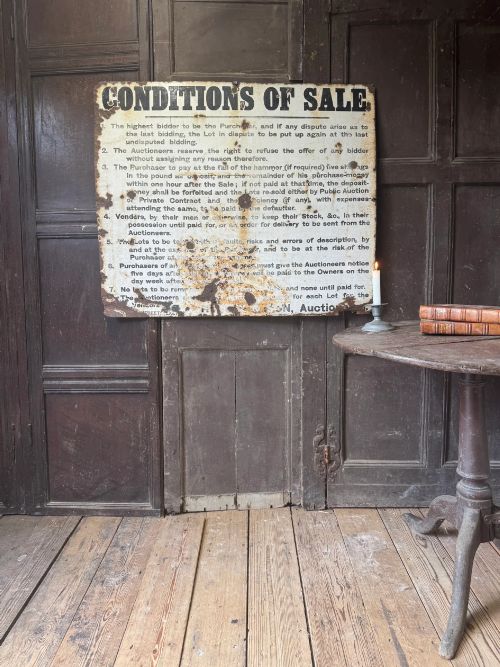
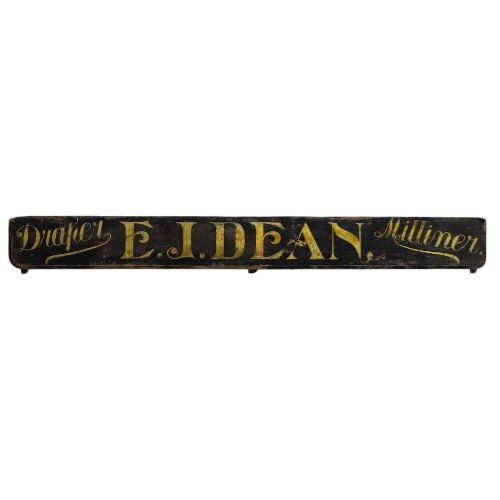
Buyers commonly encounter painted wooden boards, enamel metal plates and reverse-painted glass panels originating from shops, pubs, surgeries and railway stations. These objects range from delicate window displays to large hanging exterior signs designed for heavy public footfall.
How they were made
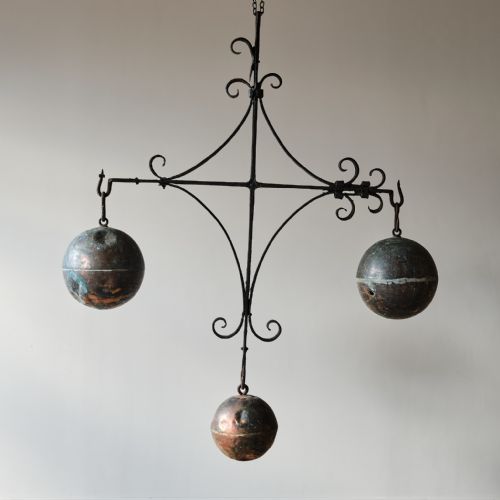
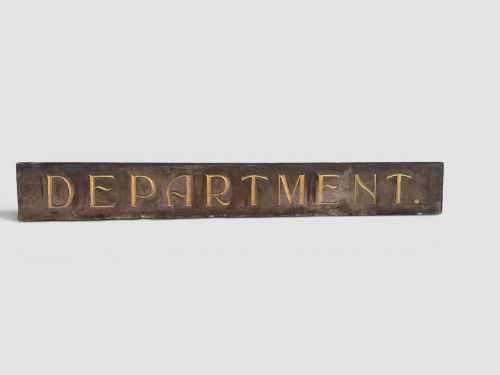
Signwriters and craftsmen utilised timber, cast iron, brass, copper and glass, applying hand-painted lettering, gold leaf and enamel finishes directly to the surfaces. Wooden substrates relied on pine or oak, frequently shaped and carved before receiving coats of protective paint.
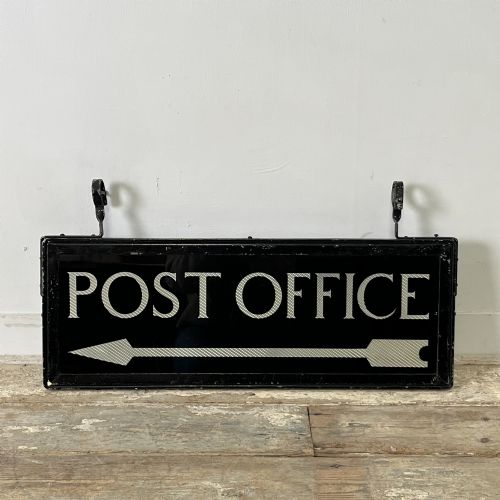
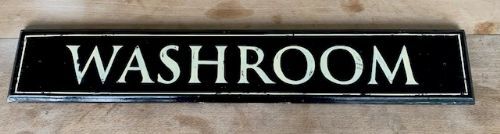
Glass panels involved reverse-painting or reverse-cutting techniques to protect the detailed lettering and decoration from weather and damage behind the front pane. Metal signs utilised vitreous enamel fused to iron or steel, ensuring durable outdoor service for decades of commercial use.
What varies in quality
The standard of lettering, the complexity of the pictorial elements and the depth of the initial design separate simpler utilitarian notices from ambitious artistic commissions. Pieces executed by skilled practitioners display balanced typography, precise line work and harmonious colour palettes.
The survival of original surface finishes, frames and mounting brackets determines the integrity of an item. Examples retaining their untouched painted patination or uncompromised glass panels represent the highest standard of historical survival.
J. & H. Keyworth and Co
The Vintage Commercial Signage Glossary
- Reverse-painted glass
- A technique where lettering and imagery are applied to the back of a glass sheet so the design is viewed through the front. This method protects the pigment and yields a glossy finish.
- Vitreous enamel
- A material made by fusing powdered glass to a metallic substrate at high temperatures. It creates a hard, glossy and chemically resistant surface suitable for outdoor advertising.
- Trade sign
- An object created to identify the specific profession or business operating inside a building. They often took the literal shape of the goods sold or tools used.
- Gold leaf
- Gold beaten into extremely thin sheets and applied to surfaces with size. It provides a luminous, weather-resistant finish for important lettering.
Vintage Commercial Signage: Frequently Asked Questions
Where were these signs originally displayed?
Most pieces hung above shopfronts, on exterior walls, or inside windows to catch the attention of pedestrians and passing trade. Railway stations and public houses also utilised them for direction and identification.
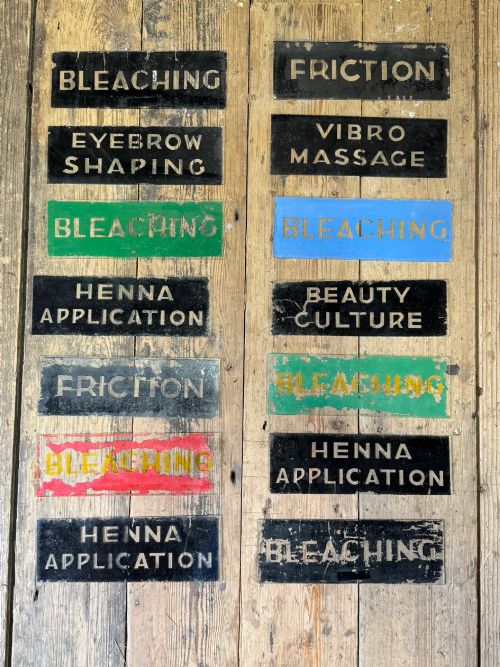
Interior spaces such as consulting rooms, department stores and workshops also displayed smaller notices to guide customers or regulate commercial activities.
How do I hang a heavy metal or wooden sign?
Heavy items require secure fixings into structural wall studs or solid masonry to support the considerable weight of cast iron, thick timber or framed glass. Professional load-bearing brackets matching the original mounting points ensure safety.
Consulting a specialist installer is recommended for double-sided hanging brackets or large projecting trade signs to prevent damage to both the wall and the piece.
How do I clean an antique painted sign?
Dusting gently with a dry, soft cloth is sufficient for most painted wooden and metal surfaces. Moisture can lift fragile historic paint layers and should be avoided unless handled by a conservator.
Glass panels tolerate gentle cleaning with a mild, non-abrasive glass cleaner applied to a cloth rather than sprayed directly onto the antique frame or backing.
Can these pieces be displayed outdoors?
While originally designed for exterior conditions, vintage enamel and treated metal signs tolerate sheltered outdoor placement better than fragile painted wood or reverse-glass panels. Weather fluctuations accelerate degradation on historic pigments and exposed timbers.
Protecting delicate items from direct rain, wind and strong sunlight by keeping them indoors preserves their original surface patination for the future.