




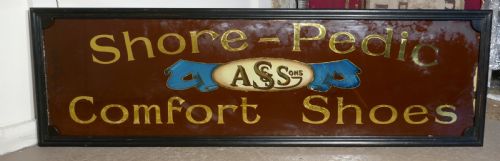
Painted Glass Shop Sign
These painted glass shop signs are surviving pieces of commercial history, offering vibrant hand-lettered advertising that brings authentic period character into a modern interior.
Painted Glass Shop Sign
A painted glass shop sign is a commercial display piece created to advertise professional services, retail trades, and specific merchandise in public thoroughfares. When you search for this phrase, you encounter architectural salvage and wall signage produced to catch the eye of the passing Victorian, Edwardian, or early twentieth-century shopper.
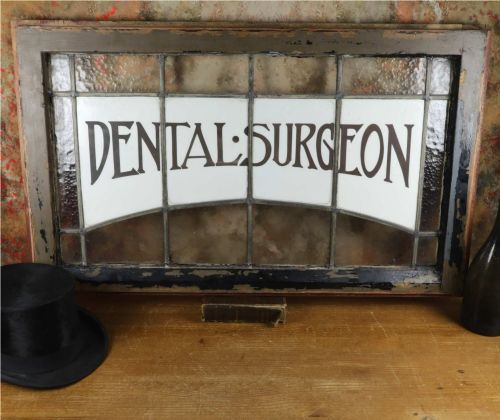
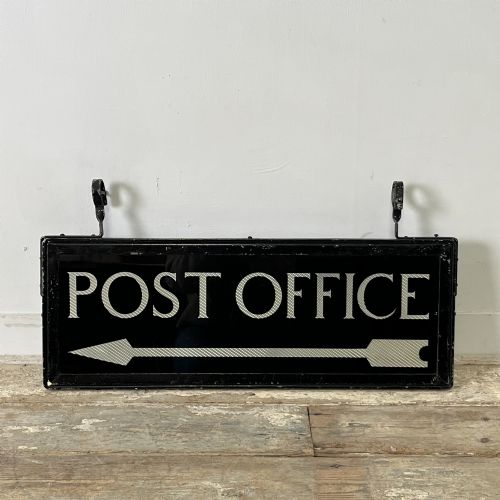
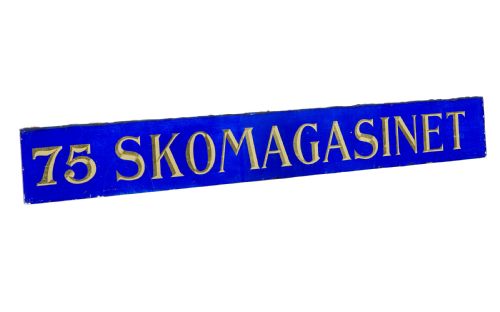
The selections available here range from double-sided direction markers and cut glass window panels to reverse-painted advertising mirrors and framed trade notices. You are most likely to meet pieces originating from the nineteenth century through the 1930s, bearing the names of dentists, post offices, agricultural merchants, tobacconists, and bootmakers.
These items served functional roles in shop windows and interior walls before retiring to the collector market. Their survival preserves the specific typography and graphic arts of commercial establishments long since vanished from the high street.
How they were made
Makers utilised glass as the primary substrate, applying paint, enamel, and gold leaf to create high-contrast lettering and ornamentation designed to be read from a distance. Reverse-painting techniques required the artisan to apply details and lettering to the rear surface of the glass, protecting the fine work from environmental wear and granting the front face a glossy finish.
Many examples incorporate lead framing, foil accents, and iron or original wooden frames to support and display the fragile glass panels. Some trade signs were integrated directly into functional furniture items, such as painted pine chests of drawers used by agricultural merchants.
The lettering and pictorial elements required steady hand execution, often combining sign-writing skills with gilding traditions. Cut glass techniques were also applied to window panels, giving textural depth alongside surface painting.
Periods represented in current stock span the Victorian era, the Edwardian period, the 1900s, the 1920s, and the 1930s.
What varies in quality
The standard of execution in the sign-writer's brushwork and the complexity of the gilding set individual pieces apart. Superior examples display confident typography, balanced compositions, and sophisticated layering of gold leaf and enamel that retain their visual punch.
The survival of the original wooden or iron frame significantly influences the integrity of the piece. Signage that retains its contemporary housing offers a more complete historical artefact than panels stripped of their original mounts.
The clarity of the subject matter and the distinctiveness of the trade advertised contribute to the desirability of a piece. Well-preserved reverse-painted surfaces with minimal pigment loss represent the upper end of what survives from this commercial tradition.
The Painted Glass Shop Sign Glossary
- Reverse-painting
- A technique where the artist applies paint and gold leaf to the back of a glass panel so that the image is viewed correctly through the front. This method protects the pigment from dust and damage.
- Gold leaf
- Hammered sheets of gold applied to the glass surface to create brilliant, reflective lettering that catches shop lighting and daylight. It forms a durable and opulent feature on commercial signage.
- Architectural salvage
- Building elements and decorative fixtures rescued from structures slated for demolition or alteration. Painted glass signs often reach the market through this route.
- Enamel
- A hard, glossy paint substance fused or applied to surfaces for durability and vibrant colour. It provided weather-resistant lettering for exposed trade signs.
- Sign-written
- Lettering and graphics applied to a surface entirely by hand using sign-writer's brushes and specialised paints. This predates modern vinyl and printed commercial signage.
Painted Glass Shop Sign: Frequently Asked Questions
How were these signs displayed?
Most of these pieces were hung in shop windows, mounted on interior walls, or installed as double-sided projecting direction markers. They guided customers inside or advertised specific services directly from the street front.
Over time, surviving examples transitioned from active commercial use into decorative interior objects, valued for their graphic typography and connection to past retail trades.
What trades do these signs represent?
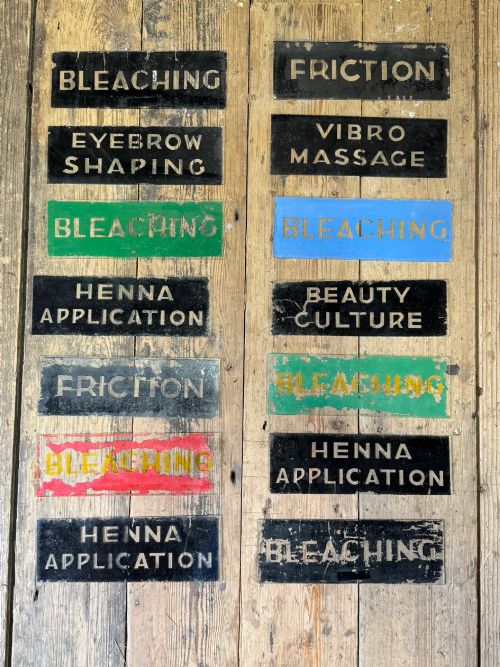
The available selection covers a wide array of historical businesses, including dental surgeries, hairdressers, post offices, and agricultural merchants. You also find signs for tobacconists, boot shops, and beauty establishments.
Each trade utilised distinct lettering styles and iconography to communicate its services to the public, creating a diverse visual record of past commerce.
How do I care for a glass sign?
Keep painted glass signs out of direct, prolonged sunlight to prevent fading in the pigments and deterioration of the backing materials. Dust them gently with a dry, soft cloth and avoid abrasive cleaning solutions.
If the glass is reverse-painted, take extra care around the rear surface where the original pigments and gold leaf remain exposed to the air.
How can I tell the period of a sign?
Dating relies on the typography, framing materials, and stylistic cues such as Art Deco geometries, Edwardian formalities, or Victorian flourishes. The specific trade or business lettering often points to a manufacturing decade.
Examining the construction of the wooden frame or the composition of the glass substrate further aids in placing the piece within its historical era.