



Antique Glass Trade Signs
These antique glass trade signs are working shop markers and window panels that bring bold lettering and industrial punch directly into a room.
Antique Glass Trade Signs
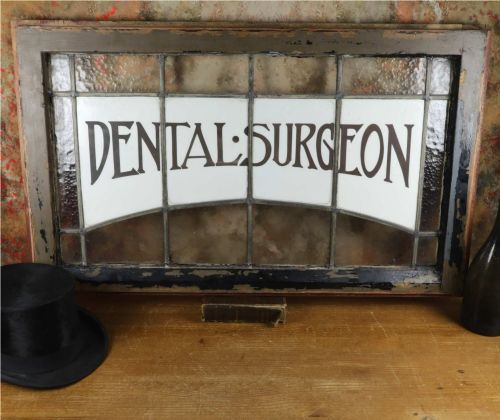
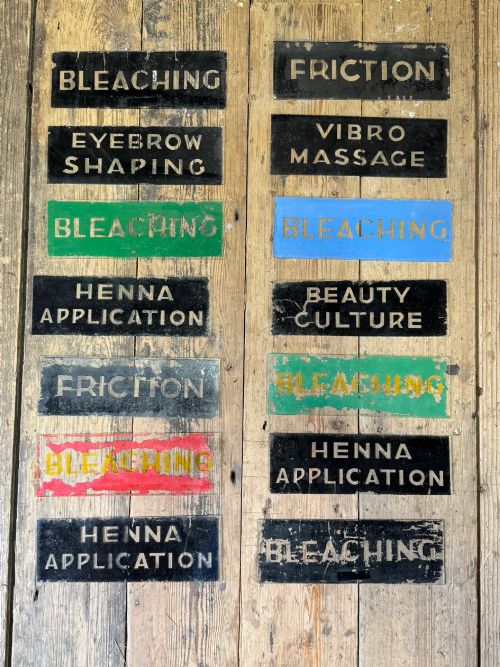
When you search for antique glass trade signs, you encounter architectural survivors from dental practices, hairdressers, confectioners, and opticians. These pieces served commercial premises before plastic and neon took over British and American high streets.
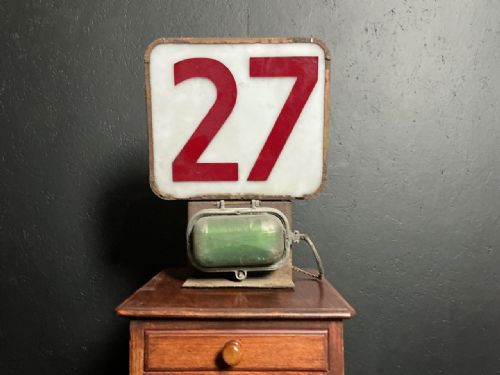
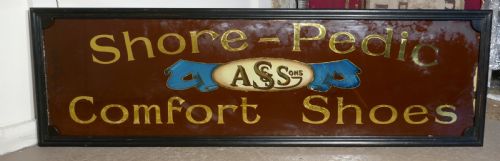
The selections span the Victorian, Edwardian, and Art Deco periods, encompassing wall-mounted panels, window displays, and double-sided hanging formats. You also find specialised items like fish auction bidder numbers and shoe shop advertising mirrors.
Most examples originate from early twentieth-century or late nineteenth-century commercial spaces, framed in original wood or supported by lead and iron fixings. They represent utilitarian shop fittings repurposed today as striking wall art.
How they were made
Makers utilised glass as the primary canvas, applying paint, foil, and reverse-cutting techniques to create durable lettering that caught the street light. Reverse painting protected the pigment from weather and cleaning behind the clear glass surface.
Frames of wood, brass, and iron secured the glass panels for heavy daily use in shop windows and above doorways. Lead came and specialist adhesives held complex multi-part window signs together under industrial conditions.
Current listings span the Victorian, Edwardian, and Art Deco periods, utilising glass, lead, wood, paint, iron, brass, foil, and milk glass.
What varies in quality
The strength of the typography and the clarity of the reverse-painted lettering set the better examples apart from standard utility signs. Original frames and intact backing materials preserve the historical integrity of the piece.
Condition varies according to the original commercial environment, with protected indoor window panels surviving in crisper state than exterior street signs. Complete setups with original mounting brackets hold greater visual weight.
Smiths of London
The Antique Glass Trade Signs Glossary
- Reverse-painted glass
- A technique where lettering and imagery are applied to the back of a glass panel so the polished front face protects the design. This method produces a glossy, deep finish characteristic of period shop signage.
- Architectural salvage
- Building elements and commercial fixtures rescued from demolition or modernization for decorative reuse. These items retain the heavy-duty construction of original business premises.
- Milk glass
- An opaque white or coloured translucent glass used for vintage advertising panels and dials. It provides a solid contrasting background for black or brightly coloured lettering.
- Trade sign
- A functional marker displayed outside or inside a shop to advertise a specific trade or profession to passers-by. They rely on bold, legible graphics rather than complex imagery.
Antique Glass Trade Signs: Frequently Asked Questions
How were antique glass trade signs mounted?
These signs were hung from iron brackets, set into wooden window frames, or mounted flat against interior and exterior shop walls using sturdy lead and brass fixings.
Many featured double-sided designs suspended above pavement level so pedestrians could read the trade lettering from either direction along the street.
What trades used glass advertising signs?
Dentists, opticians, confectioners, hairdressers, and chemists frequently commissioned glass signage to project professionalism and durability to their customers.
Specialist businesses like fish auctions and shoe shops also utilised numbered glass tokens and advertising mirrors for daily operations.
How do I date an antique glass sign?
Dating relies on the framing materials, the typography style, and the manufacturing techniques visible in the glass and paint.
Victorian and Edwardian pieces often feature hand-lettered reverse painting in timber frames, while Art Deco and 1930s examples introduce bolder geometric fonts and milk glass.
Can these heavy signs be hung on modern walls?
Most pieces incorporate heavy wooden frames or iron backing that require secure wall fixings into masonry or studs.
Consulting a professional framer or builder ensures the weight of the glass and structural surround is supported safely.