



Art Deco Glass Sign
An art deco glass sign brings striking graphics and rich materials into a room, capturing the distinct commercial style of the interwar decades.
Art Deco Glass Sign
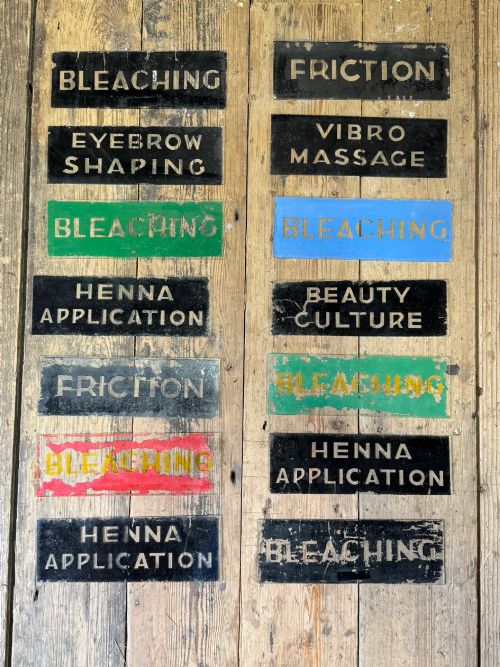
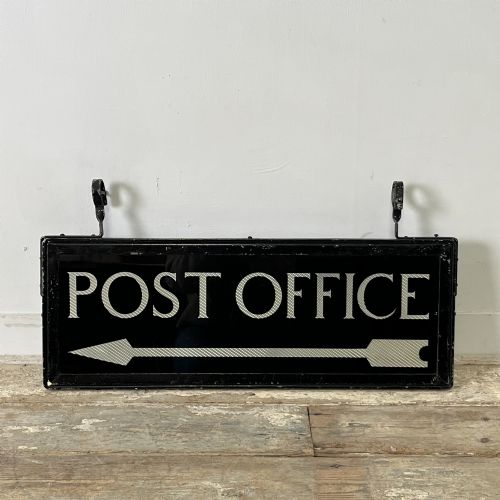
An art deco glass sign represents the intersection of commercial advertising and decorative arts from the early twentieth century. Buyers seeking this phrase encounter utilitarian shop window panels, directional markers, and brewery advertisements produced during the 1920s and 1930s. These pieces bridge the gap between everyday retail objects and collectible design.
The selection ranges from double-sided post office direction indicators to reverse-painted establishment signs and beverage advertisements. Edwardian shop panels also appear alongside interwar examples, showing how glass signage evolved from earlier retail traditions. Each object served a practical purpose in a salon, post office, or brewery before entering the collector market.
How they were made
Makers utilised glass as the primary medium, combining it with metal, chrome, lead, and foil to create durable commercial displays. Reverse-painting techniques allowed artisans to apply pigment to the rear surface, protecting the design from wear while producing a glossy front finish. Enamel decoration and cut details further enhanced the visual depth of shop window panels and advertising plaques.
Support structures often incorporated wood such as walnut, alongside metal frames and hanging chains to facilitate mounting in commercial spaces. Opalescent glass varieties introduced milky, semi-translucent qualities that caught natural and artificial light differently throughout the day. These material choices ensured the signs could withstand busy public environments while maintaining their decorative appeal.
Materials recorded across the inventory include glass, metal, opalescent glass, lead, chrome, paint, foil, and walnut.
What varies in quality
The calibre of an art deco glass sign depends significantly on the complexity of the glasswork and the preservation of the applied paint or enamel. Pieces featuring intricate reverse-painting or specialised opalescent effects demonstrate superior craftsmanship compared to plain utility markers. Furthermore, the integrity of original framing elements, such as metal mounts and wooden backings, influences the overall standard.
Attribution also plays a role, as signed examples by known makers or specific retail establishments carry distinct provenance that elevates their standing. The clarity of the glass, the depth of any cut decoration, and the survival of secondary materials like foil or lead determine where a piece sits within the range.
G Vallon·Graystan·Emmy Seyfried·P.M.Favre·Sabino·Moser·Degué
The Art Deco Glass Sign Glossary
- Reverse-painting
- A technique where the design is applied to the back of the glass sheet so it appears correctly when viewed from the front. This method protects the pigments from physical damage and moisture.
- Opalescent glass
- A milky, semi-translucent glass that diffuses light and displays shifting colour tones. It was frequently utilised for decorative panels and luxury vessels during the 1930s.
- Architectural salvage
- Building elements and fixtures recovered from demolished or remodelled structures. This category includes commercial signs and window panels removed from older retail premises.
- Enamel decoration
- Pigments fused to the glass surface through firing, creating durable coloured designs. This finish resists fading and provides a glossy texture.
Art Deco Glass Sign: Frequently Asked Questions
Where were these glass signs originally displayed?
These signs hung in windows, on walls, or above doorways in commercial establishments such as beauty salons, post offices, and breweries. They guided customers or advertised specific brands.
Over time, many survived the demolition or updating of these interwar shops and transitioned into domestic and institutional collections.
How should I hang a heavy glass sign?
Support the weight using secure wall anchors and appropriate metal brackets rather than relying solely on original chains or light hanging loops. Glass panels require stable backing.
Consult a professional framer if the piece lacks modern hardware to ensure the glass remains secure without putting pressure on the edges.
Can I clean reverse-painted glass safely?
Clean the front surface gently with a soft microfibre cloth and mild, non-abrasive cleaner. Avoid touching or wetting the rear painted layer.
Moisture and harsh chemicals can damage the exposed pigments on the back of the glass panel, so keep cleaning strictly to the viewing side.
How do I distinguish Edwardian panels from 1930s ones?
Edwardian shop window panels often feature traditional cut and painted techniques suited to late nineteenth and early twentieth-century retail aesthetics. Lettering tends to be more ornate.
Items from the 1930s typically embrace streamlined art deco geometry, modern typography, and materials like chrome or opalescent glass.