

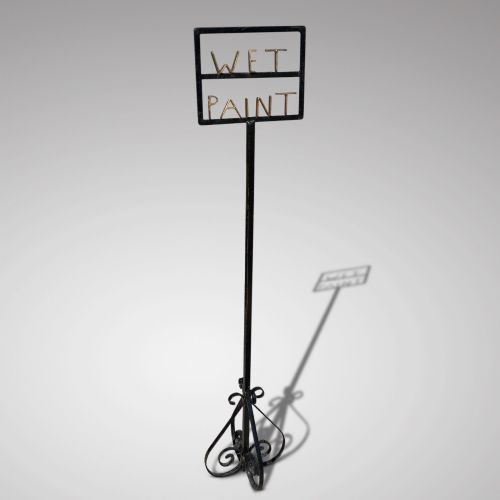


Painted Metal Sign
A painted metal sign carries the history of commerce, transport and trade directly onto the wall.
Painted Metal Sign
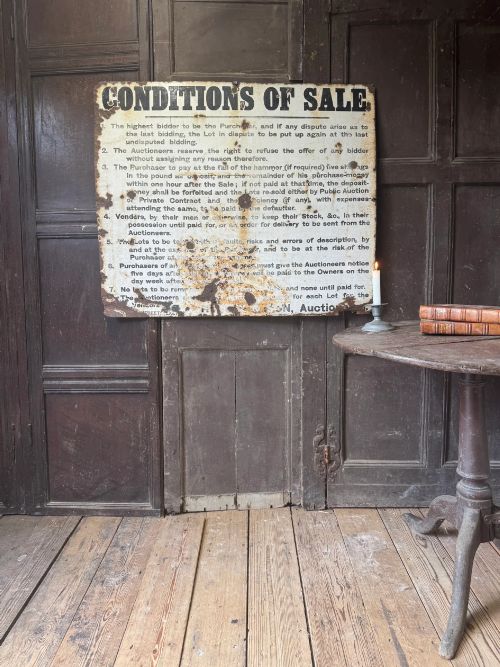
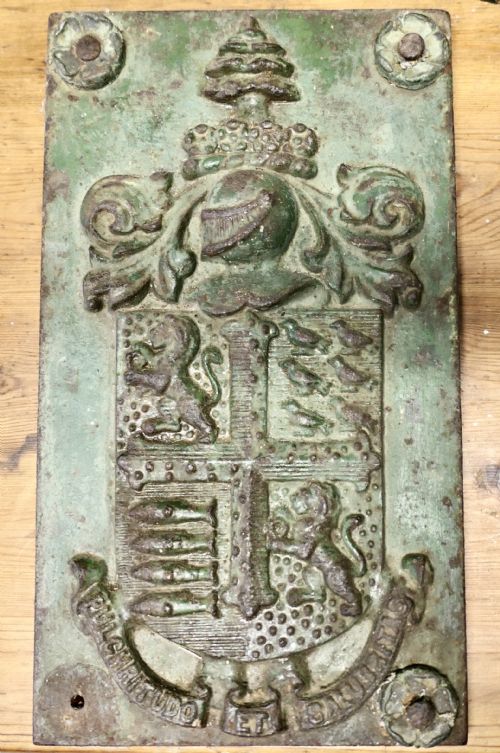
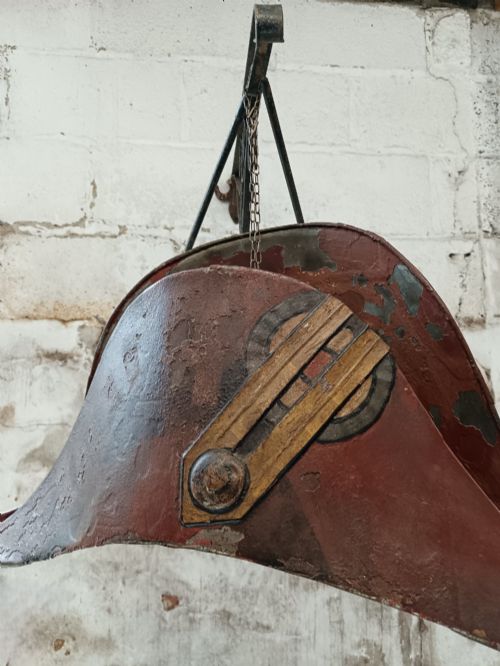
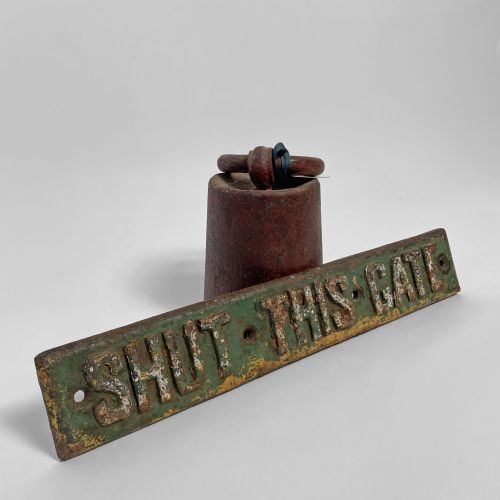
A painted metal sign serves as a functional marker for businesses, railways and municipal spaces, ranging from trade notices to street names. When searching for a painted metal sign, buyers encounter diverse forms such as advertising pieces, railway notices and armorial plaques.
The pieces on this page span several centuries, with prominent examples originating from the nineteenth and early twentieth centuries. Industrial and trade formats dominate, reflecting the practical origins of these utilitarian objects.
How they were made
Makers utilised durable base materials such as iron, cast iron, sheet metal and wrought iron to withstand exterior environments. These metal surfaces were then hand-painted or lettered to display civic information, commercial names or regulatory warnings.
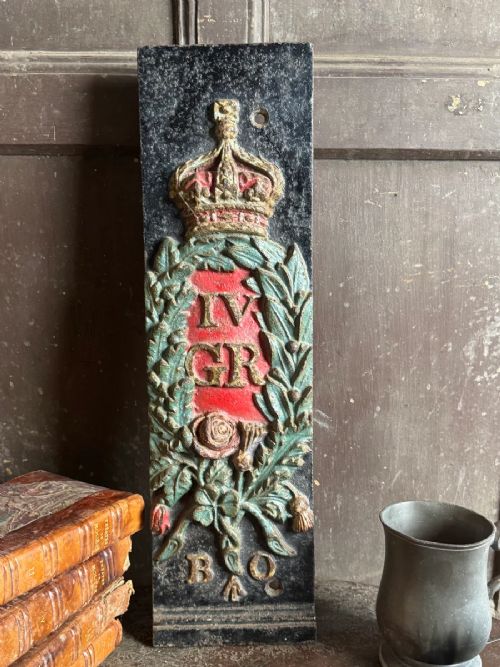
Techniques varied from heavy casting used for railway and armorial plaques to lighter sheet metal and toleware construction employed for trade signs and fire screens.
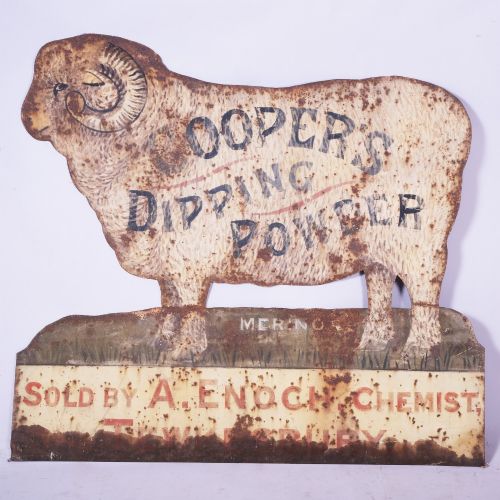
A sheep dip advertising sign proves that even agricultural pest control once enjoyed surprisingly robust artistic promotion.
What varies in quality
Quality in a painted metal sign depends upon the crispness of the original lettering, the depth of the casting and the integrity of the surviving paint surface. Pieces produced for official railway companies, military boards or grand civic institutions often display superior craftsmanship compared to standard local trade notices.
The character of the patination and the legibility of the remaining pigment significantly influence the visual impact of the piece on a wall.
The Painted Metal Sign Glossary
- Cast iron
- A sturdy alloy poured into moulds to create rigid plaques, street markers and railway signs. This material provides substantial weight and durability for outdoor display.
- Toleware
- Painted or lacquered metalware, frequently steel or iron, often decorated with floral motifs or hand-painted designs. It appears on items such as fire screens and trade signs.
- Armorial plaque
- A decorative panel displaying a coat of arms or heraldic insignia. These pieces were cast in iron or metal for official buildings and institutions.
- Trade sign
- A functional marker hung outside a shop or business to indicate the trade practised within. Examples include signs for coopers, dentists, pharmacies and painters.
Painted Metal Sign: Frequently Asked Questions
How do I hang a heavy iron sign?
Heavy cast iron and metal signs require secure wall anchors and fixings rated for the specific weight of the piece. Professional wall brackets or direct masonry screws ensure the display remains stable.
Take care to locate studs or use appropriate wall plugs when mounting items onto plasterboard or lath walls.
Were these signs used outdoors?
Many painted metal signs originated as exterior markers for railways, streets, shops and civic buildings. Their robust iron and painted construction helped them endure various weather conditions.
Over decades of exposure, the surfaces developed the weathering and patination valued by collectors today.
How do I clean a painted metal sign?
Gentle dusting with a soft dry cloth removes surface debris without disturbing fragile original paint. Avoid harsh chemical cleaners or abrasive scouring pads that can strip historic pigment.
Preserving the original surface integrity maintains the character and history of the object.
What periods do these signs come from?
The pieces span from the eighteenth century through the Georgian and Victorian eras into the mid-twentieth century. Industrial expansion during the nineteenth and early twentieth centuries generated a high volume of these utilitarian objects.
Earlier examples often feature hand-forged iron and hand-painted lettering.