






Vintage Coastal Oil Artwork
Vintage coastal oil artwork captures the temper of the sea and shore across the nineteenth and twentieth centuries.
Vintage Coastal Oil Artwork
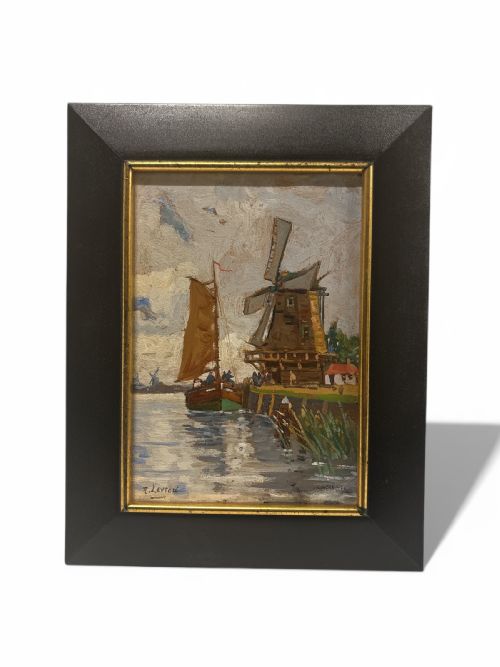
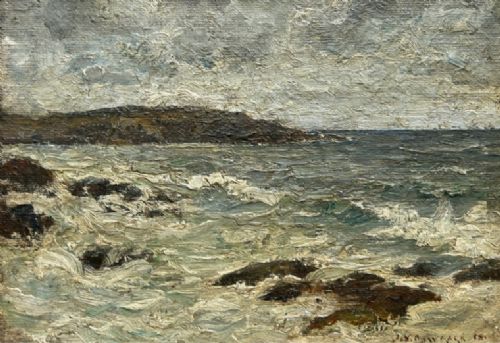
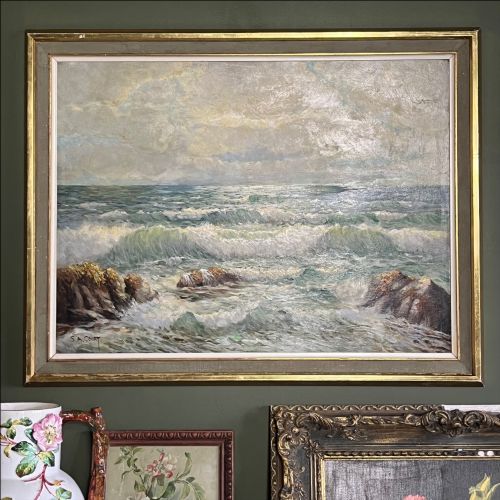
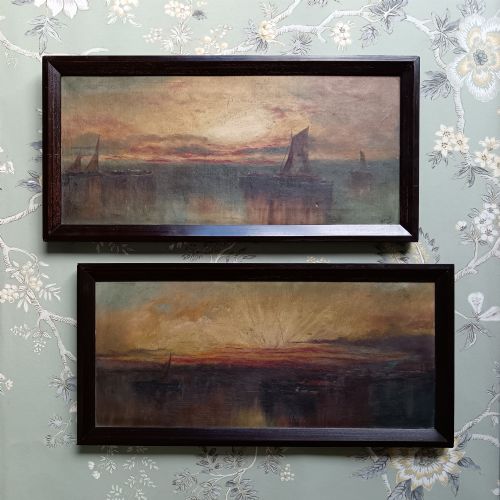
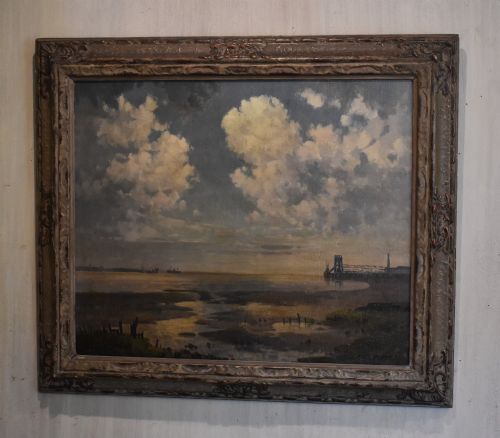
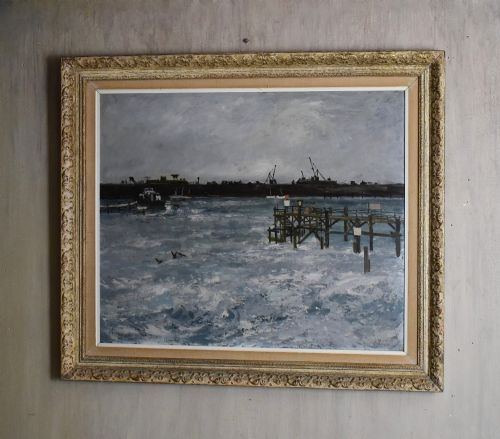
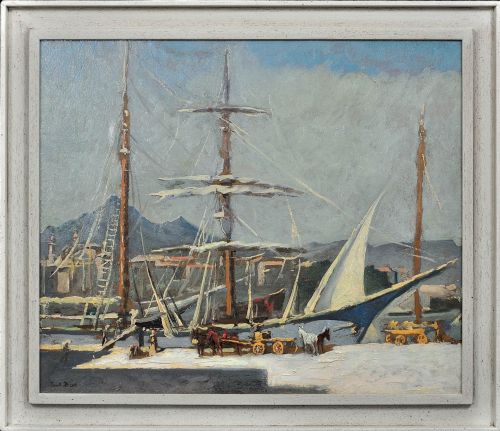
A search for vintage coastal oil artwork brings up maritime landscapes, harbour scenes and cliff views painted across various decades. Buyers encounter everything from nineteenth-century marine works to mid-century impressionist coastal views.
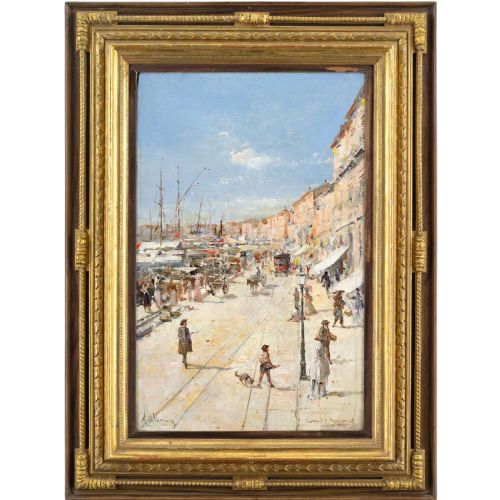
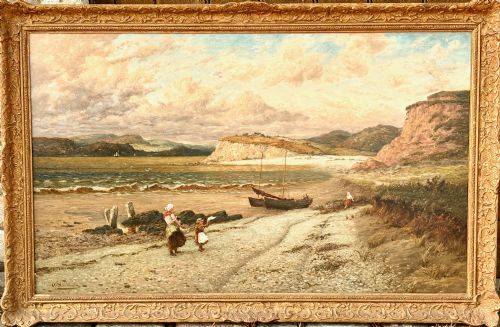
The selections span British and continental scenes, capturing locations from Cornish harbours to the Mediterranean coast. These paintings record working ports, quiet estuaries and open seas through the eyes of regional artists.
Most pieces date from the Victorian era through the mid-twentieth century, offering a tangible link to historical shorelines. They appear on canvas, board and panel, often housed within their original gilt frames.
Materials and methods
Artists painted primarily with oil pigments applied to stretched canvas or wooden boards. These traditional materials allowed for rich textures and deep colour layering.
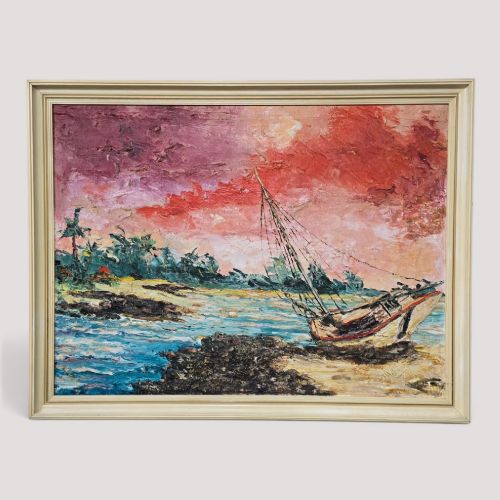
Many works were painted en plein air directly on location to capture changing light and weather conditions. Thick impasto techniques frequently denote the texture of rocky shores and crashing waves.
The selection includes British and continental coastal views, capturing harbours from Cornwall to the Mediterranean.
Factors that distinguish the range
Quality rests in the handling of light, atmosphere and compositional balance rather than the mere subject matter. Masterful brushwork distinguishes a lively impressionist seascape from a stiff topographical record.
The survival of the original gilt frame and the clarity of the artist's hand add significant character to the piece. Provenance and exhibition history further elevate certain works within the broader selection.
Kenneth Cozens·Clifford Hanney·Clive Browne·Peter Brannan·Abraham Hulk I·Charles Napier Hemy·Louis Suire·Gustave Vidal
The Vintage Coastal Oil Artwork Glossary
- En plein air
- Painting outdoors to capture direct observation of natural light and weather. This method creates an immediate and spontaneous record of coastal scenes.
- Impasto
- Paint applied thickly to a surface so that brush marks stand out visibly. Artists often use this technique to render the texture of water, rock and wind.
- Marine landscape
- A work focusing primarily on the sea, ships, harbours or coastal views. These subjects were popular across the nineteenth and twentieth centuries.
- Board
- A rigid flat panel used as a support for painting instead of stretched canvas. Artists frequently utilised board for smaller coastal sketches.
Vintage Coastal Oil Artwork: Frequently Asked Questions
How do I date a coastal oil painting?
Dating relies on stylistic clues, framing methods and signatures recorded on the reverse or front of the canvas. Nineteenth-century works often feature tighter academic realism, whereas mid-century pieces embrace looser impressionism.
Material supports also change over time, shifting from heavy lined canvases towards various treated boards by the mid-twentieth century. Artist biographies provide precise operational windows for verification.
Where should I hang a marine oil painting?
These works suit rooms with steady ambient light away from direct, harsh sunlight that might degrade oil pigments over decades. Placing them on neutral walls allows the rich blues, greens and golds of the coastal palette to stand out.
Matching the period frame to your interior style helps anchor the artwork within the domestic space. Ensure the hanging hardware securely supports the weight of the framed canvas or board.
What is the difference between marine and maritime art?
Marine art strictly focuses on the sea itself, including coastal landscapes, waves, beaches and ships at sea. It captures natural coastal environments and weather conditions.
Maritime art often encompasses a broader range of human activities on the water, including port infrastructure and shipping commerce. Both categories overlap frequently in vintage oil paintings.
How do I care for an antique oil painting?
Keep paintings away from damp environments and extreme temperature fluctuations to prevent the canvas or board from warping. Dust the surface and frame gently with a dry, soft brush without applying pressure.
Avoid using liquid cleaners or chemical solvents on the paint surface or gilt frame. Professional conservators should handle any necessary varnish removal or structural repairs.