







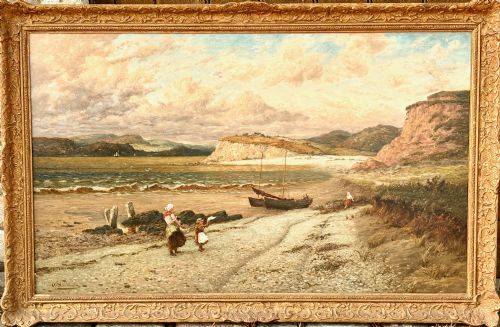
Vintage Coastal Landscape Artwork
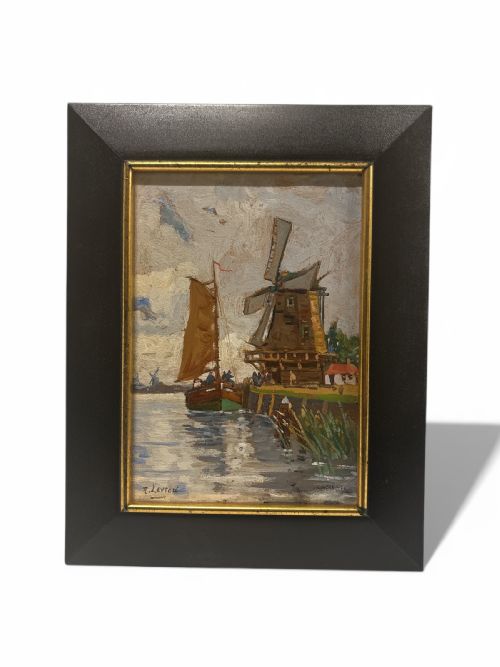
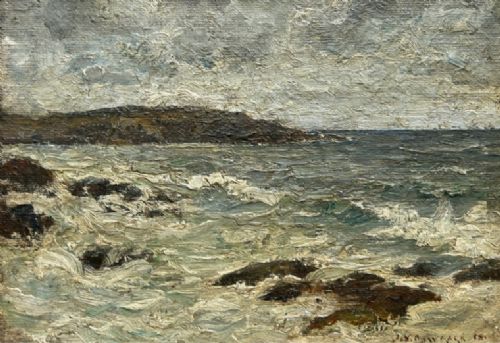
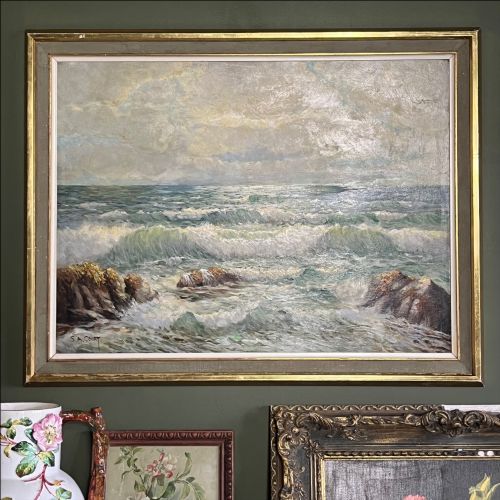
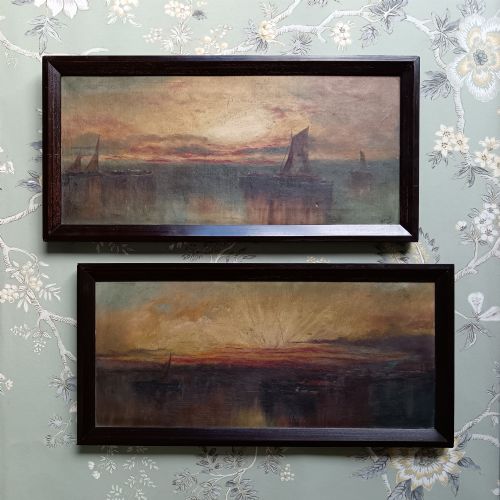
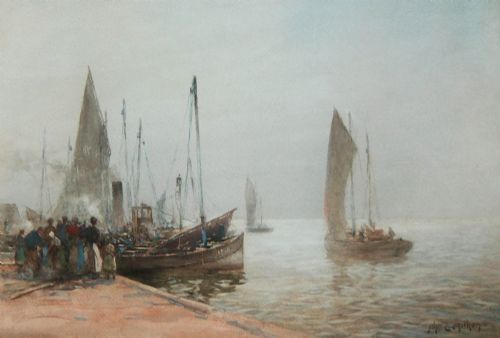
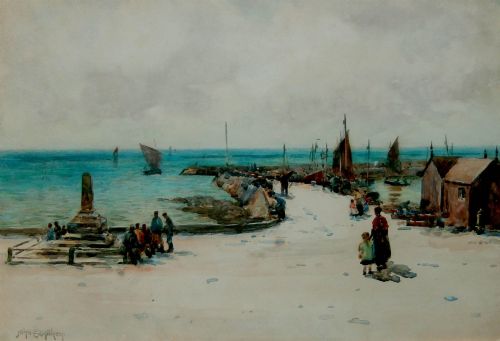
These vintage coastal landscape artwork selections capture harbours, cliffs and open seas through oils and watercolours spanning the late nineteenth century to the mid-twentieth century.
Vintage Coastal Landscape Artwork
Vintage coastal landscape artwork spans paintings created from the late nineteenth century through to the middle of the twentieth century, focusing on maritime scenes, working harbours and open shorelines. Collectors encounter both oils on canvas or board and delicate watercolours on paper, capturing recognizable British and European coastal locations.
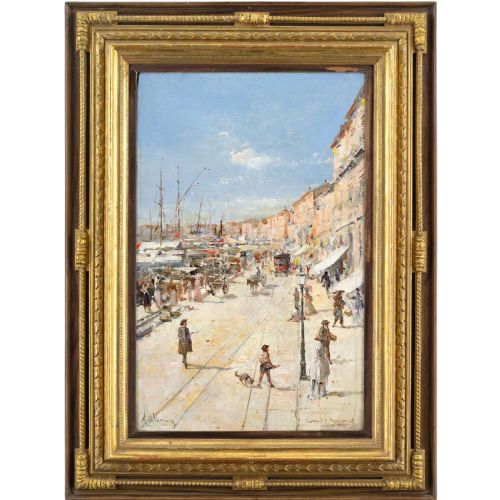
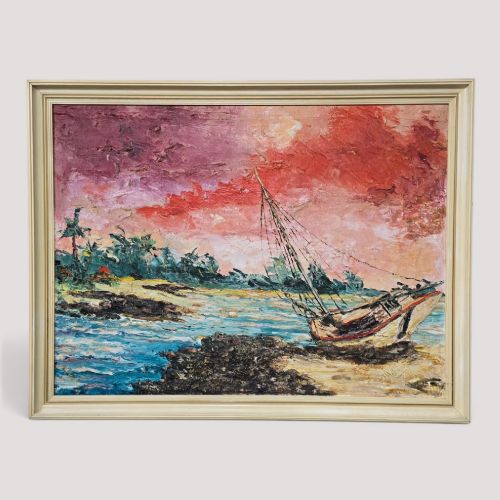
The selections on this page lean heavily towards British and continental ports, estuaries and fishing villages rendered in styles ranging from Victorian academic precision to mid-century impressionism and impasto techniques. Works vary from intimate watercolour sketches to large framed oils designed as substantial wall art.
These paintings reflect a historical fascination with the sea, recording changing light over tidal flats, shipping lanes and coastal communities. Buyers looking for vintage coastal landscape artwork will find pieces that document specific regional geographies, from Cornish harbours to Yorkshire fishing docks.
How they were made
Artists typically worked in oil paint or watercolour, utilising canvas, prepared wood boards or heavy paper as a ground to capture the luminosity of marine environments. Oil paints allowed for thick, textured impasto applications that mimic the roughness of sea spray and rocky cliffs, whereas watercolours offered fluid transparency ideal for misty coastal air and calm harbours.
Many works were painted en plein air directly on location along the shore, recording immediate atmospheric shifts in weather and tide. Finished pieces were frequently housed in period wooden frames, often accented with gilt finishes that complemented the maritime palettes.
Artists braved blustery British cliff tops with pocket-sized watercolours just to catch a rogue wave before it receded.
What varies in quality
Quality rests primarily on the artist's command of light, atmosphere and spatial depth, distinguishing an evocative regional record from a rigid topographical illustration. Superior pieces demonstrate confident brushwork and a sophisticated palette that conveys the shifting moods of the sea rather than mere technical accuracy.
The integrity of the original materials also defines the tier of a piece, with stable grounds, well-preserved pigments and period-appropriate framing maintaining the visual impact of the composition. Stronger works capture the specific character of a shoreline with an assured economy of marks.
Kenneth Cozens·Clifford Hanney·Sidney A Court·William Banks Fortescue·Augusto Alberici·Peter Brannan·Paul Bret·Bernard Benedict Hemy·Thomas Maidment·Cecil Allan Mould·William Matthison·William Henry Williamson·John Holland·Frank Kelsey·Walter Goodin·F A Roylance·George F Pennington·William Frederick Settle·Alfred George Morgan·Lionel Horsnell·John Bedloe Goddard·Raymond Moritz·Joseph Edward Hennah
The Vintage Coastal Landscape Artwork Glossary
- Impasto
- Paint applied thickly to a canvas or board, standing out in relief from the surface so that the marks of the brush or palette knife remain visible. This technique adds tactile dimension to the churning surface of the sea.
- En plein air
- The act of painting outdoors to capture the actual light and transient qualities of a natural scene directly before the artist's eyes. It is particularly associated with Impressionist and coastal landscape traditions.
- Gilt wood
- Timber framing coated with a thin layer of gold leaf or metallic gilt pigment, commonly utilised to frame nineteenth and early twentieth-century paintings. It provides a warm, reflective border that enhances the tones within the artwork.
- Watercolour
- A paint consisting of pigment suspended in a water-based solution, traditionally applied to paper to achieve translucent washes of colour. It is frequently employed for luminous, atmospheric marine views.
Vintage Coastal Landscape Artwork: Frequently Asked Questions
What subjects appear in these coastal artworks?
The compositions generally depict working harbours, fishing vessels, sailing ships, sandy bays and dramatic rocky cliffs along British and European shores. Scenes range from bustling dockyards filled with rigging to quiet coastal estuaries.
Many pieces document specific historic ports, offering a direct visual record of maritime life and coastal architecture from past centuries.
How do I care for antique oil and watercolour paintings?
Paintings require placement away from direct sunlight and excessive humidity to prevent pigment fading, canvas sagging or paper degradation. Keeping them in stable indoor environments protects both the structural support and the delicate media.
Watercolours particularly benefit from conservation framing under glass with acid-free mounts, while oil paintings on canvas or board should be kept free of dust using a soft, dry brush.
How can I tell the period of a maritime painting?
Stylistic clues, such as the evolution from Victorian academic realism to early twentieth-century impressionism, provide initial chronological markers. Additionally, the type of framing, canvas preparation and artist signatures often point to specific decades.
Biographical details of the listed artists help narrow down the active working period when a date is not inscribed directly onto the work.
Were these paintings created outdoors?
Many coastal works were painted en plein air, allowing artists to record the direct effects of coastal light, wind and weather on the water. This direct observation gave rise to spontaneous brushwork and immediate atmospheric effects.
Studio finishing sometimes followed initial outdoor watercolour sketches or oil panels, combining field observations with composed studio balance.