


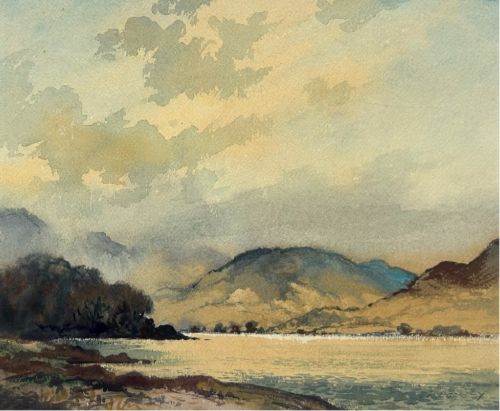
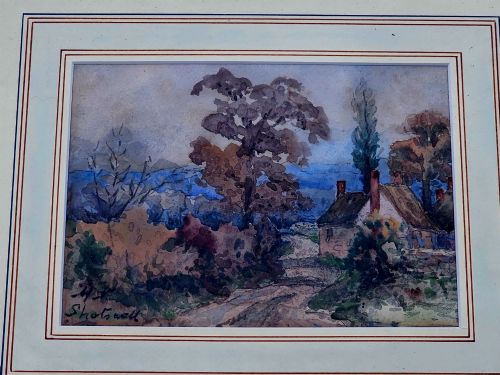
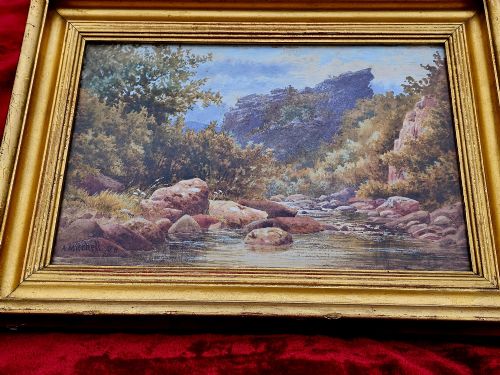
Original Signed Watercolour Landscape
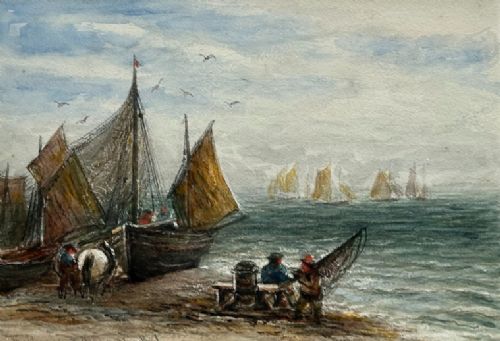
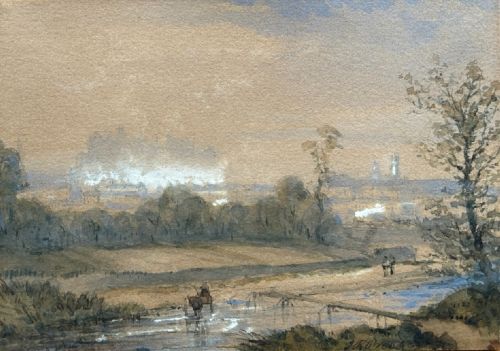
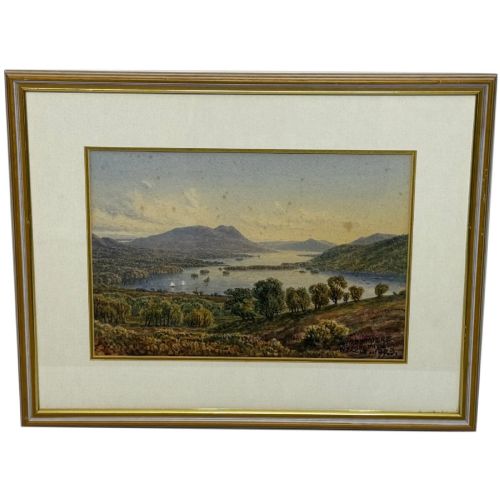
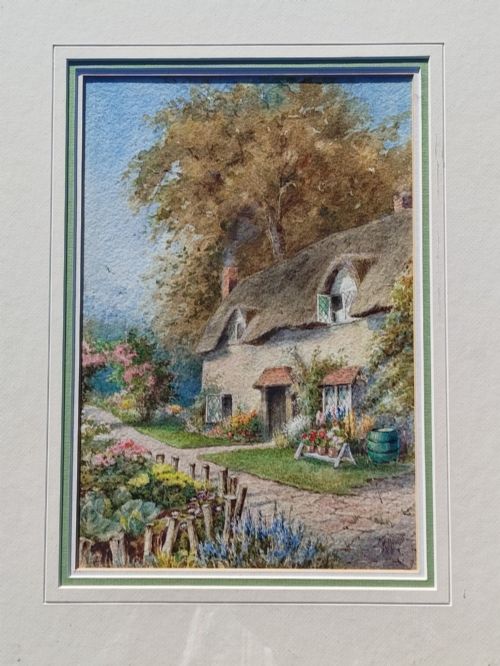
Discover an original signed watercolour landscape capturing British river views, coastal harbours, and quiet pastoral valleys.
Original Signed Watercolour Landscape
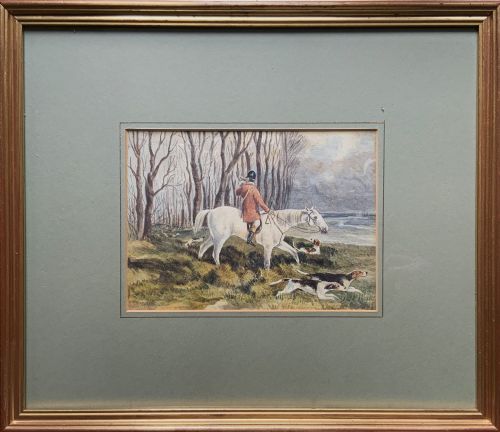
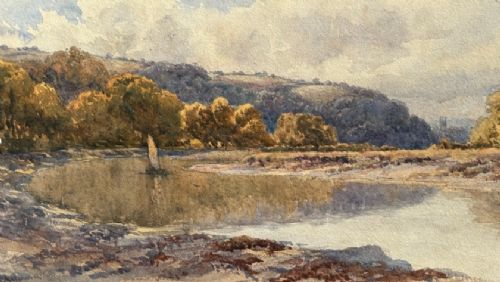
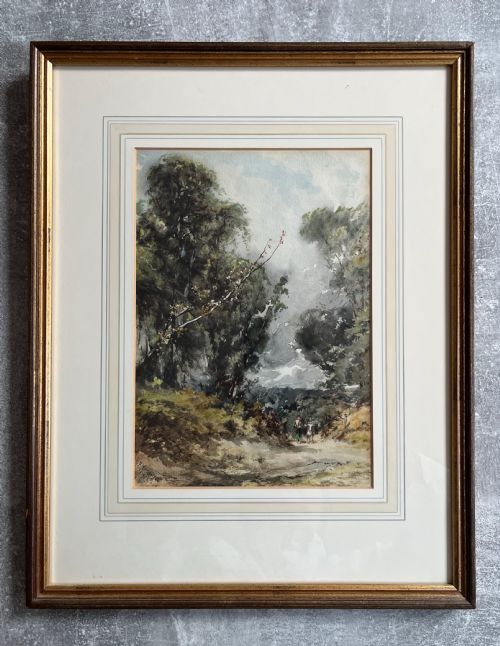
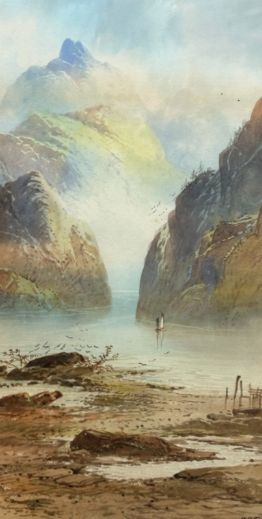
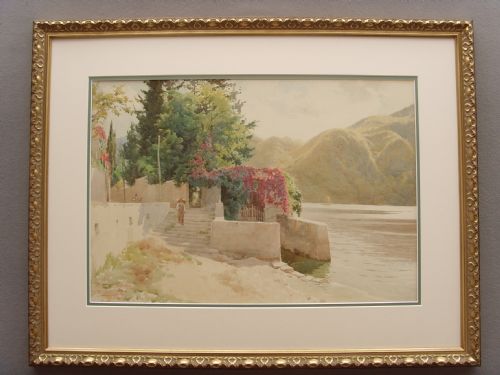
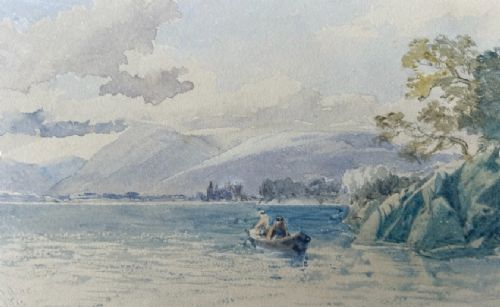
An original signed watercolour landscape offers an intimate window into nineteenth and twentieth-century topography, capturing specific rural, coastal, and urban views across Britain and beyond.
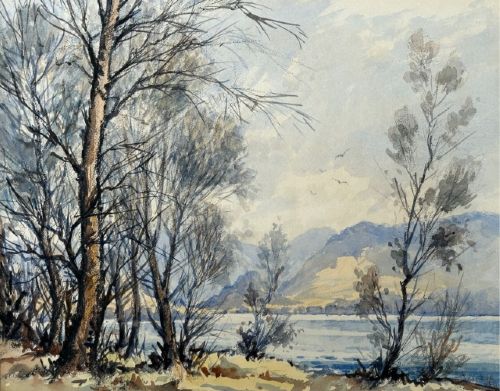
Buyers will frequently encounter Victorian and Edwardian works executed on paper, alongside mid-century interpretations depicting lakes, moorlands, and historic towns.
These paintings range from detailed architectural studies and grand topographical vistas to moody impressionistic sketches marked by the artist's personal hand.
How They Were Made
Artists typically applied water-soluble pigments onto heavy fibrous paper substrates, sometimes incorporating gouache highlights to build opacity in skies and water.
Completed sheets were customarily framed behind glass within timber mouldings, occasionally featuring gilt wood surrounds that protected the delicate pigments from atmospheric moisture and dust.
Original Signed Watercolour Landscape Retail Price Guide 2026
Typical asking prices for original signed watercolour landscape among the pieces listed under this phrase on Sellingantiques today, from the lower quarter to the upper quarter. They describe what is for sale here now, not the wider market.
Listings feature works spanning the nineteenth century through the 1960s, executed on paper using watercolour pigment.
What Varies in Quality
Quality rests upon the artist's handling of light, atmospheric depth, and structural confidence within the composition rather than the sheer scale of the sheet.
Superior examples display assured brushwork and stable pigment retention, whereas lesser works suffer from flatness or excessive fading caused by unsuitable historical framing and prolonged sunlight exposure.
George Fotherly Hargitt·Thomas Miles Richardson Jnr·James Orrock·William Henry Earp·John R Prentice·A. Marie Parsons·Robert Leslie Howey·William Banks Fortescue·William Joseph Boyes·Alfred G. Morgan·Russell Sidney Reeves·Robert George Talbot Kelly·F A Roylance·Harry Wanless·Fred Lawson·Cuthbert Crossley·Stanley Orchart·William Tuck·Colin H Greenwood·Henry Bailey·John Syer·Henri Joseph Harpinies·Franz Knebel·George F Pennington·James Robertson Miller
The Original Signed Watercolour Landscape Glossary
- Watercolour
- A painting method in which the paints are made of pigments suspended in a water-based solution. The paper surface often remains visible beneath translucent washes of colour.
- Gouache
- An opaque water-based paint type that includes a white pigment filler, creating a heavier and more solid appearance than traditional transparent watercolour.
- Diptych
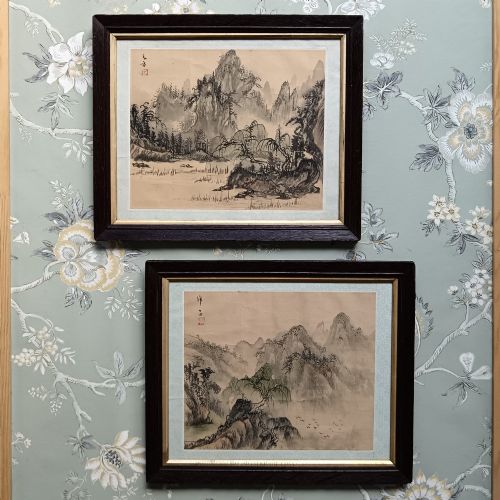
- An artwork divided into two distinct panels hinged or displayed together as a single composed unit. These paired views frequently show complementary coastal or architectural subjects.
- Monogram
- A motif made by overlapping or combining two or more letters to form a recognizable symbol. Artists often used these initials instead of a full signature on smaller sketches.
Original Signed Watercolour Landscape: Frequently Asked Questions
How should I hang a watercolour?
Watercolours require careful placement away from direct sunlight to prevent the fugitive pigments from fading over time.
Position them on interior walls where natural light is indirect and environmental humidity remains stable.
Are these paintings unique?
Every piece recorded here is an original hand-painted work created directly by the artist upon paper.
Artists rarely produced exact duplicates, meaning each landscape remains a singular historical record.
What do monograms mean?
A monogram combines the artist's initials into a single intertwined mark used to sign the composition.
They appear frequently on Victorian and Edwardian sheets where a full signature might disrupt the corner balance.
How do I identify the period?
Dating relies upon a combination of visible artist signatures, framing styles, and the specific paper substrates used.
Subject matter and costume details within pastoral scenes also offer strong clues to the decade of creation.