


Framed Architectural Landscape Art
Framed architectural landscape art brings together built environments and natural settings, captured across centuries in diverse media.
Framed Architectural Landscape Art
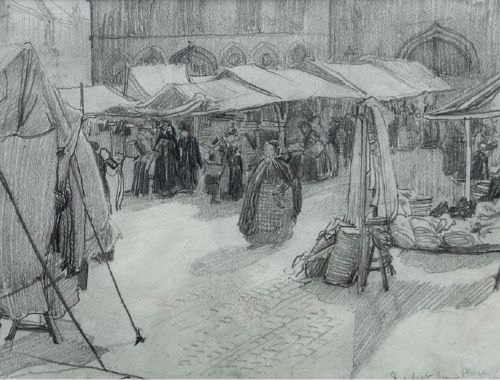
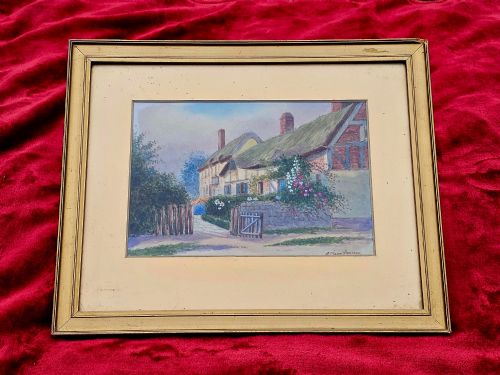
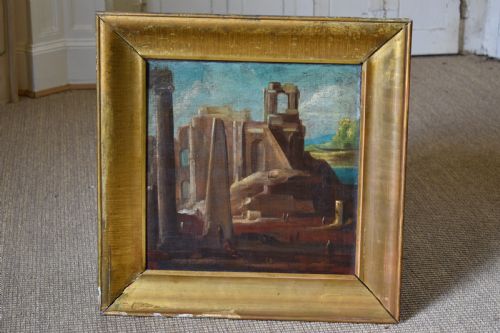
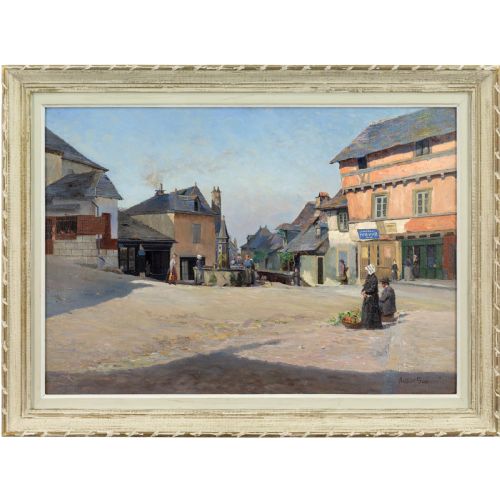
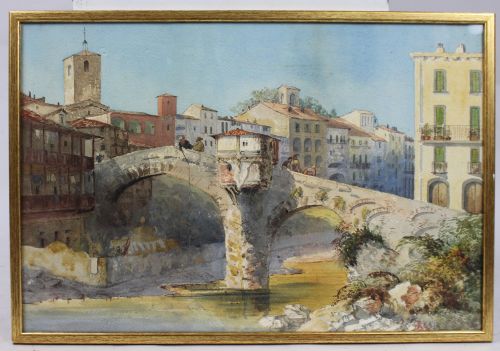
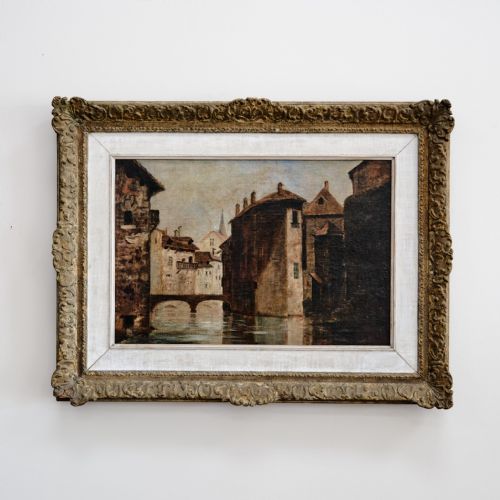
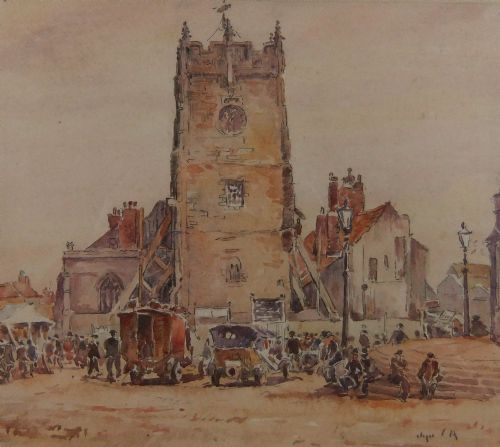
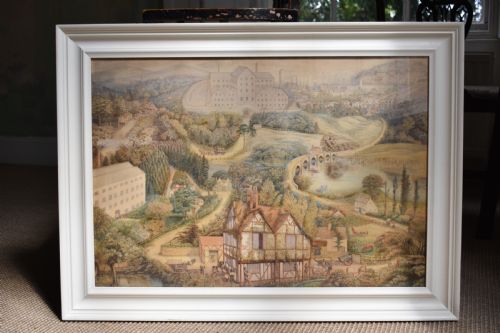
Framed architectural landscape art captures buildings, streets, monuments and townscapes set within open views or natural surroundings. When searching for framed architectural landscape art, buyers encounter works ranging from 18th-century overdoor panels to mid-century impressionist cityscapes and industrial scenes.
The pieces on this page span the 19th century, Edwardian and Victorian eras, through to the 1920s, 1930s, 1940s, 1950s and 1960s. Watercolours, oil paintings on canvas or board, ink drawings and hand-coloured prints represent the most common forms met here.
Materials and construction methods
Artists utilised oil paint on canvas, panel or board, alongside watercolour, ink and mixed media on paper. Many works incorporate detailed pencil or ink underdrawing before the application of paint or wash.
Framed presentation relies on wood framing to protect the paper, canvas or board supporting the image, often behind glass for works on paper.
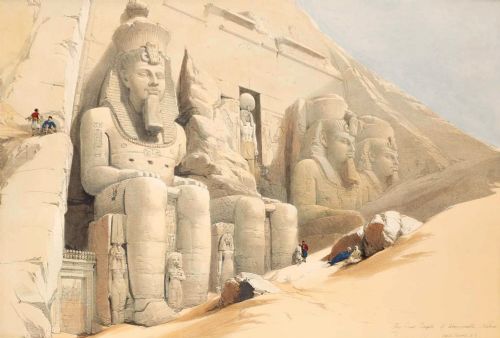
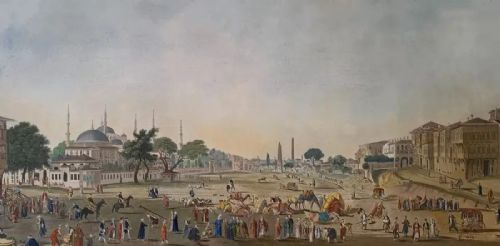
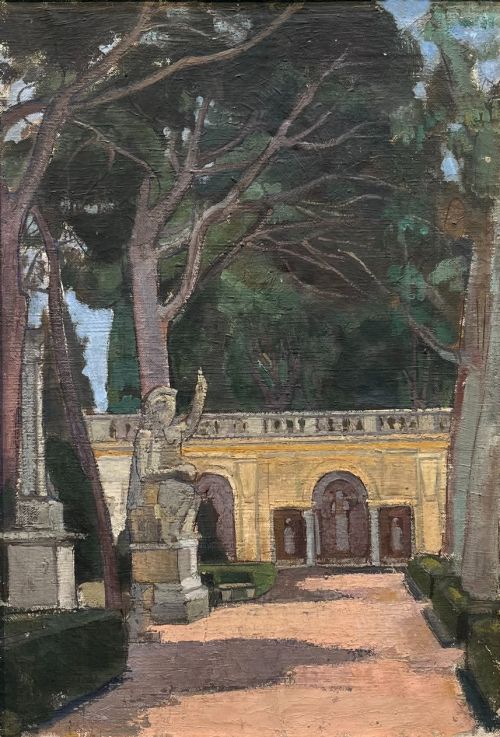
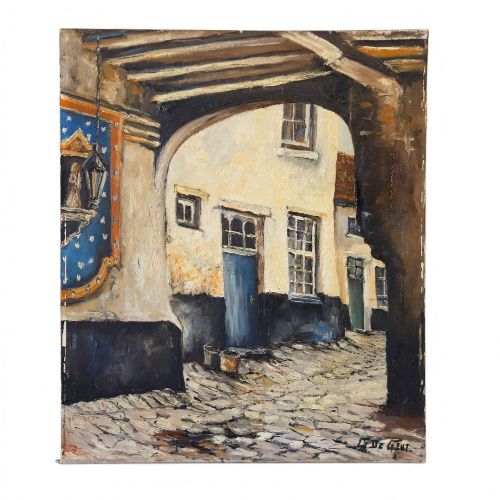
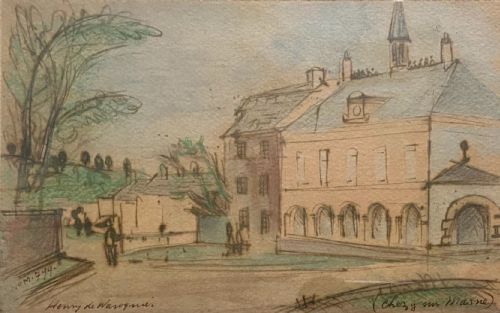
Grand Canal views and ancient monuments share wall space here with quiet northern English brewery yards.
Distinctions in quality
Quality rests upon the handling of perspective, scale and light within the built and natural elements. Stronger works demonstrate confident draughtsmanship and assured brushwork, whether in an early 20th-century watercolour or a 19th-century oil painting.
The integration of the architectural subject with the surrounding landscape separates routine topographical records from more accomplished artistic interpretations.
Henry Percy Huggill·Thomas Ellison·A. Marie Parsons·Arthur Gué·David Roberts·Anton Ignaz Melling·John Smith Atherton·Henry de Waroquier·Lilian Colbourn·Alexander Jamieson·Paul-Élie Gernez·Alfred George Morgan·Fred Lawson·Ron Folland·Caroline Burnett·Rowland Henry Hill
The Framed Architectural Landscape Art Glossary
- Watercolour
- Pigments suspended in a water-based, translucent solution applied to paper. It allows for delicate washes and precise architectural lines.
- Impressionism
- A style focusing on light and its changing qualities rather than minute detail. Artists working in this manner emphasised overall visual impression.
- Pietra dura
- Inlaid work using cut and fitted polished coloured stones to create images. This technique appears in framed architectural panels.
- Etching
- A printmaking process where lines are incised into a metal plate with acid. Hand-colouring is frequently added afterwards.
Framed Architectural Landscape Art: Frequently Asked Questions
What periods do these pieces cover?
The listings span from the 18th century through the Victorian and Edwardian periods into the mid-20th century.
Works from the 1920s, 1930s, 1940s, 1950s and 1960s sit alongside earlier 19th-century examples.
How should I display framed architectural art?
Consider the lighting in your room to protect works on paper from direct sunlight. Match the scale of the frame to your wall space.
Oil paintings on canvas tolerate ambient light well, while watercolours require careful placement away from intense exposure.
Are these works original or prints?
The selection includes both original unique creations and period prints. Titles specify whether a piece is an oil painting, watercolour, drawing or print.
Read the specific title for each listing to confirm the medium used by the artist.
What subjects appear in these scenes?
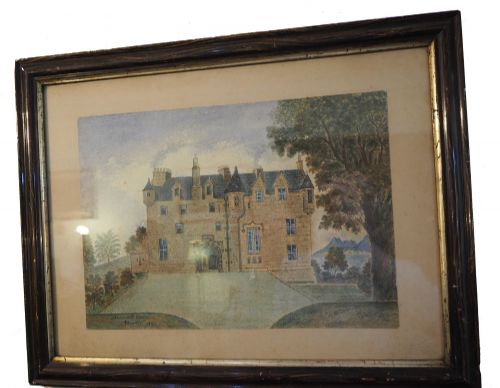
Subjects include European street scenes, canals in Venice, classical ruins, industrial factories and country houses. Artists recorded locations from Rome and Paris to Yorkshire and Egypt.
Built structures are consistently paired with natural landscapes or urban settings.