


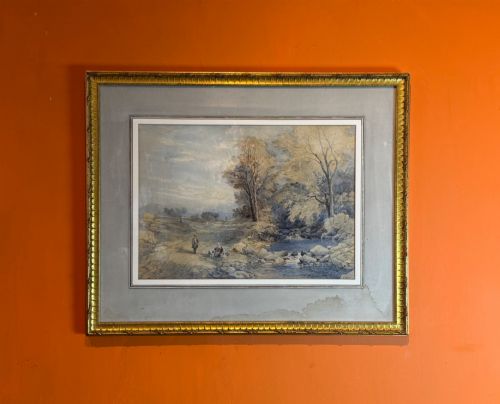


Traditional English Watercolour Landscape
A traditional english watercolour landscape captures the soft light and familiar fields of the countryside, offering a quiet window into past rural life.
Traditional English Watercolour Landscape
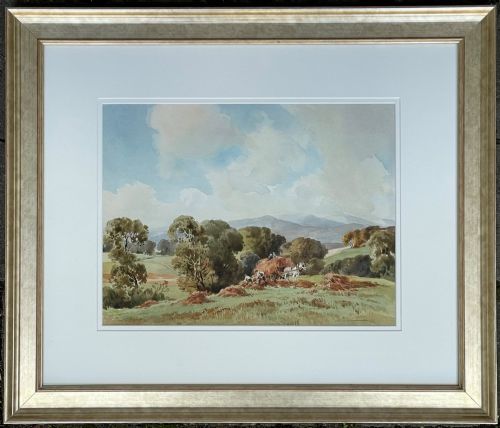
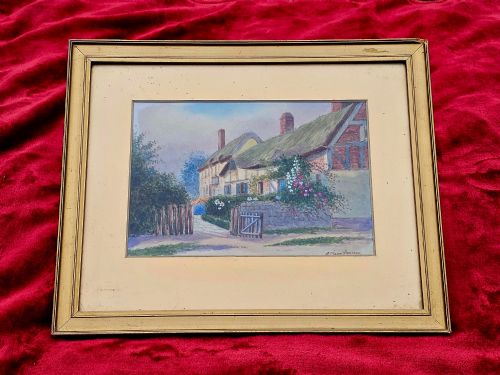
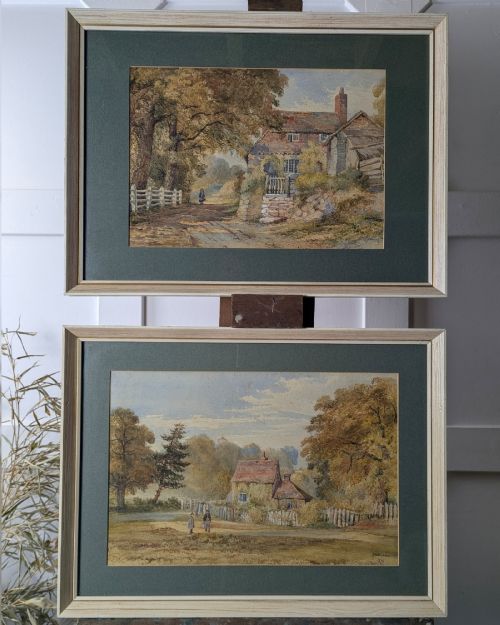
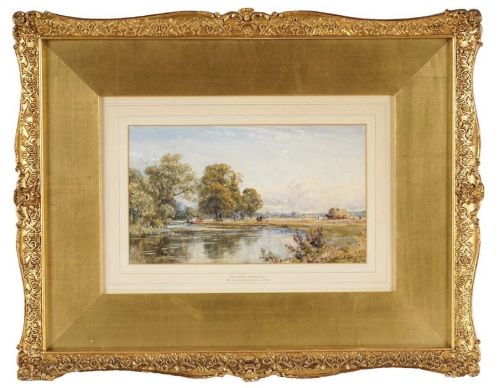
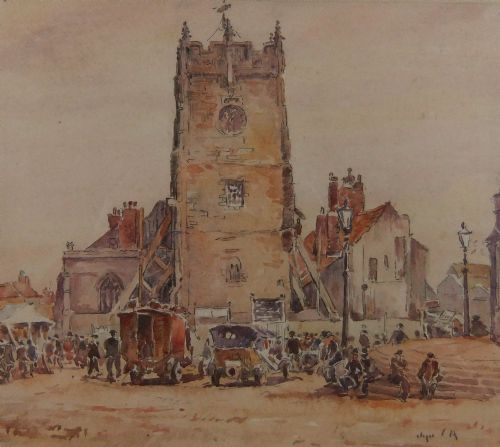
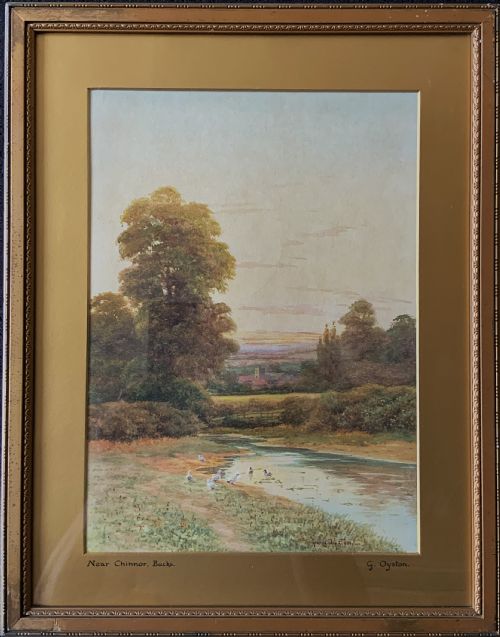
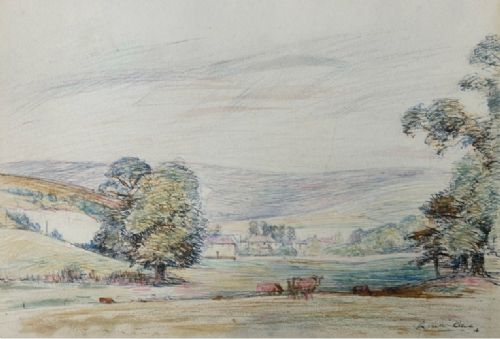
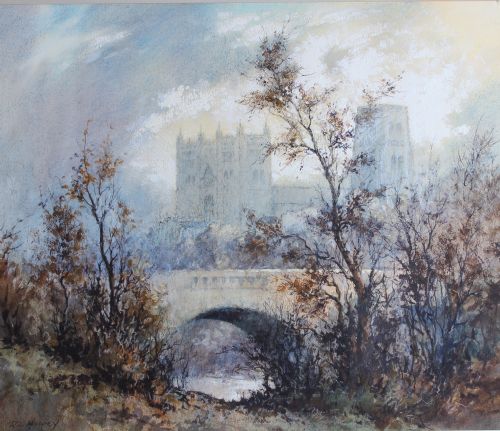
A traditional english watercolour landscape depicts rural scenes, river views, and coastal villages painted on paper. These works capture the topography and atmosphere of the British countryside through the Victorian and Edwardian periods into the early twentieth century.
Most pieces on this page originate from the nineteenth and early twentieth centuries, spanning Victorian, Edwardian, and British Impressionism styles. Buyers encounter framed artworks depicting locations from Yorkshire to Cornwall, executed by regional artists and landscape specialists.
The subjects range from quiet pastoral fields and cottage gardens to bustling harbour scenes and historic cathedrals. Each painting records a specific locale using translucent washes that reveal the texture of the underlying paper support.
How they were made
Artists applied watercolour pigment suspended in water onto heavy paper supports, often building the image through successive translucent washes. This technique allowed the white of the paper to shine through and create luminous skies and water.
Finished paintings were commonly mounted behind glass and housed in wooden frames, frequently finished in gilt wood. These traditional housings protect the delicate pigments from dust and moisture while complementing the pastoral subject matter.
Framing materials include wood, gilt wood, and glass designed to protect the delicate painted paper surfaces.
What varies in quality
The strength of composition and the handling of atmospheric light distinguish finer watercolours from standard topographical records. Skilled painters used subtle tonal gradations to convey weather, distance, and the changing mood of a rural valley.
Condition plays a vital role in preservation, particularly the stability of the paper and the retention of original pigment vibrancy. Works that have remained protected behind glass retain their intended hues without excessive fading from light exposure.
Alfred Young Nutt·Percy Lancaster·A. Marie Parsons·William Banks Fortescue·Robert Thorne Waite·George Oyston·Henry Charles Fox·Albert Robert Quinton
The Traditional English Watercolour Landscape Glossary
- Watercolour pigment
- Finely ground colour particles mixed with a water-soluble binder for painting on paper. This medium allows for delicate washes and layered transparency.
- Gilt wood
- Timber framing finished with a thin layer of gold leaf or metallic gilt paint. This traditional framing method enhances the warmth of pastoral scenes.
- Wash
- A fluid layer of diluted watercolour pigment spread evenly across the paper. Painters utilised this technique to render expansive skies and calm rivers.
- Support
- The underlying material upon which the painting is executed, predominantly heavy paper in these works. Its texture directly influences how the pigment settles.
- Edwardian pastoral
- An artistic style celebrating the rural idyll and peaceful countryside scenes popular during the early twentieth century. These works emphasise tranquil fields and traditional cottage life.
Traditional English Watercolour Landscape: Frequently Asked Questions
How should I frame a vintage watercolour?
Vintage watercolours need conservation framing with acid-free mounts to prevent the paper from yellowing over time. Keeping the painting away from direct sunlight protects the delicate pigments from fading.
Retaining the original wooden or gilt frame preserves the historical character of the piece, provided the glass is secure and clean.
What subjects appear in these landscapes?
These watercolours primarily depict rural English scenes, including river valleys, coastal harbours, pastoral fields, and historic village cottages. Artists travelled across counties like Yorkshire, Dorset, and Cornwall to record local topography.
Occasional works feature figures working the land, driving sheep, or navigating rivers, adding a narrative element to the natural scenery.
How do I identify a Victorian watercolour?
Victorian watercolours often feature detailed naturalism, muted earthy palettes, and subjects celebrating the British countryside or coastal towns. Signatures, dates, and framing styles frequently point to the late nineteenth century.
The paper stock and framing materials, such as heavy period wooden mounts, provide additional clues to the era of creation.