






Victorian Marine Watercolour Art
Victorian marine watercolour art captures nineteenth-century coastal life, fishing fleets, and sailing ships through delicate pigment on paper.
Victorian Marine Watercolour Art
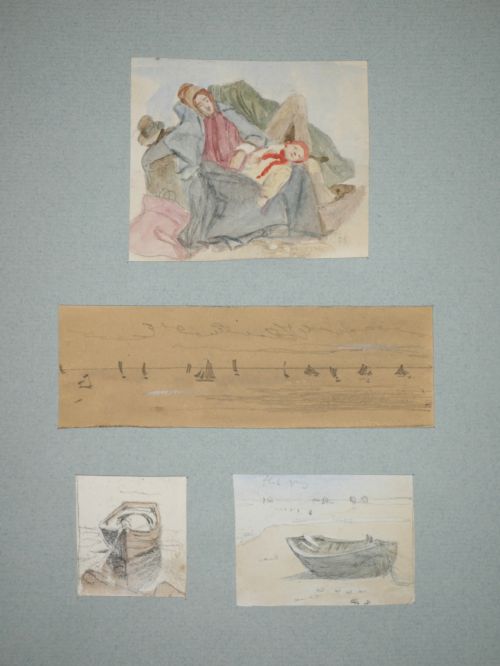
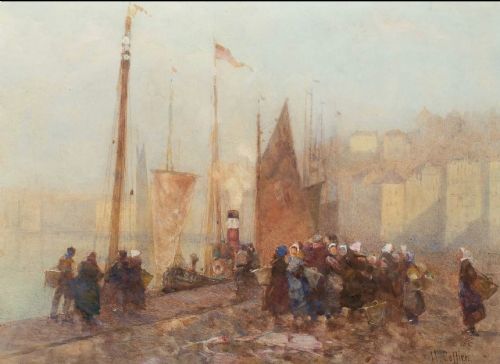
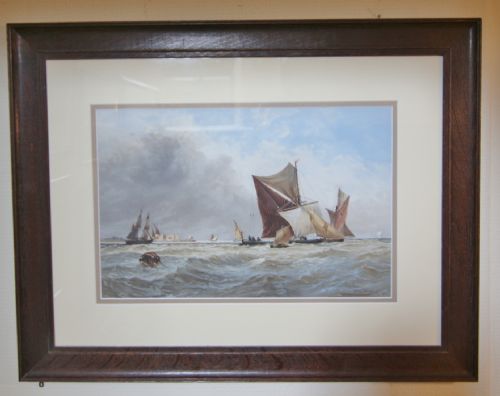
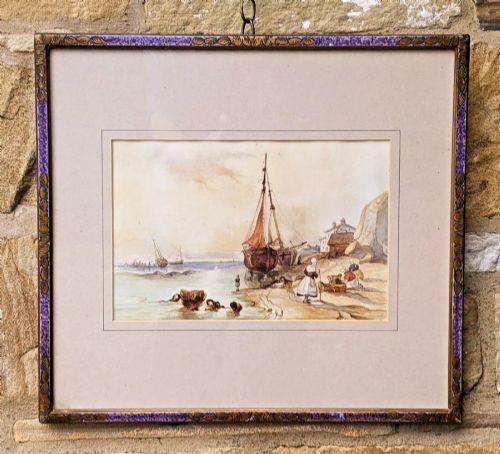
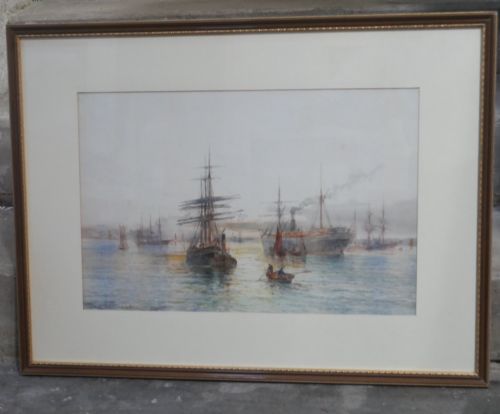
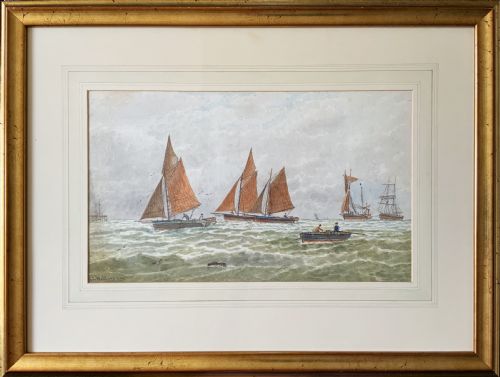
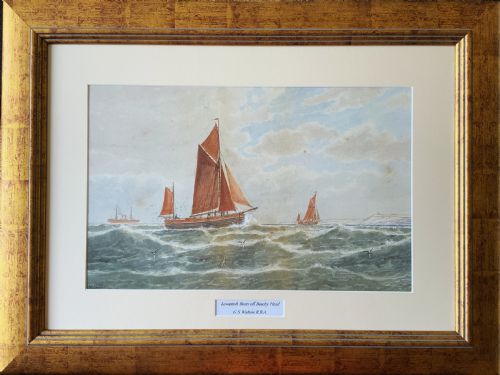
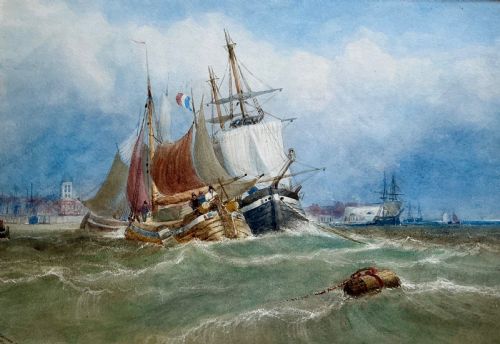
Victorian marine watercolour art encompasses nineteenth-century paintings executed on paper using watercolour pigment and ink. These works portray coastal scenes, harbour views, fishing boats, and sailing ships across British and international waters.
Buyers encounter framed original artworks originating predominantly from the nineteenth century and the early decades of the twentieth century. The selections available on this page reflect the distinct maritime interests and topographical focus of that era.
Materials and construction
Artists painted on paper supports utilising watercolour pigment, often enhanced with ink for definition and detail. The application ranges from thin washes to more opaque bodycolour.
Finished paintings are typically housed in period frames constructed from wood, frequently featuring gilt finishes and protected by glass.
Listings span the nineteenth and early twentieth centuries, featuring paper, watercolour pigment, ink, glass, and gilt wood materials.
Judging quality in marine watercolours
Quality rests upon the artist's ability to handle light, water, and atmospheric conditions convincingly within the medium of watercolour on paper. Finer examples display confident brushwork and precise topographical or nautical detail.
The integration of the paper support with pigment density and the preservation of the original framed presentation distinguish superior works from standard illustrative sketches.
James Orrock·James Smetham·William Banks Fortescue·Hector Caffieri·Thomas Bush Hardy·George Stanfield Walters·Henry Barlow Carter·John Moxon·William Frederick Settle·Alfred George Morgan·John Bedloe Goddard·Charles William Adderton·Ernest Dade·F J Aldridge·John McDougal·Frederick William Hattersley·James Thomas Watts·John Mitchell·Frederick William Booty·Charles Harmony Harrison·Kate E Booth·R P Noble·Clara Montalba·William Wyld·Walter Duncan
The Victorian Marine Watercolour Art Glossary
- Watercolour painting
- A work of art executed with water-soluble pigments on a paper support. This technique allows for translucent washes and fine linear details.
- Seascape
- A painting or drawing depicting the sea, coastal views, shipping, or marine subjects. These scenes formed a central focus for nineteenth-century British artists.
- Gilt wood
- Wood framing treated with gold leaf or metallic gilt finish. Such frames are typical for protecting and displaying nineteenth-century works on paper.
- Bodycolour
- Watercolour paint mixed with a white pigment to make it opaque. Artists used this method to create highlights and solid areas of light on the paper.
Victorian Marine Watercolour Art: Frequently Asked Questions
How should I display my watercolour?
Keep the framed artwork away from direct sunlight to prevent the watercolour pigments from fading over time. Maintaining stable indoor humidity levels also protects the paper support and gilt wood frame.
Ensure the piece hangs securely using appropriate wall fixings suited to the weight of the glass and wooden frame.
What subjects appear in these paintings?
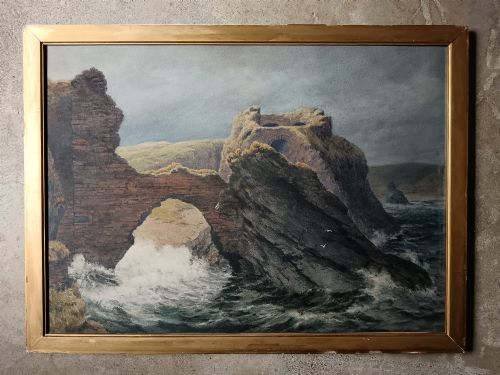
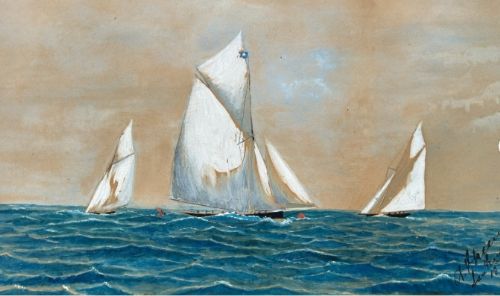
The compositions typically feature British harbours, fishing boats, coastal castles, and sailing ships navigating choppy seas or calm estuaries. Many works record specific locations ranging from Yorkshire coastal towns to Venetian canals.
Artists often documented working vessels, shipping lanes, and maritime trade during the nineteenth century.
Are these watercolours original pieces?
The listings consist of original hand-painted works on paper created during the nineteenth and early twentieth centuries. Each piece represents a unique historical artwork rather than a modern reproduction.
Signatures, monograms, and period framing often accompany these authentic historical items.
How do I identify the date of a watercolour?
Dates often appear alongside the artist's signature or monogram inscribed directly onto the paper during the creation of the painting. Stylistic clues within the maritime architecture and clothing of figures also help narrow the timeframe.
Period framing techniques and materials provide additional contextual clues regarding the age of the presentation.