



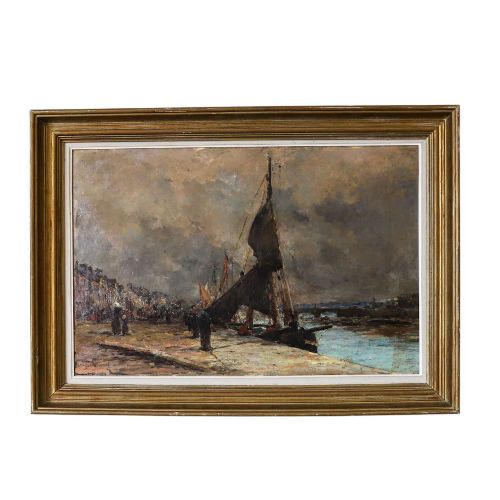
Vintage Coastal Canvas Art
Vintage coastal canvas art captures the shifting light and rugged charm of the sea through historic oil paintings.
Vintage Coastal Canvas Art
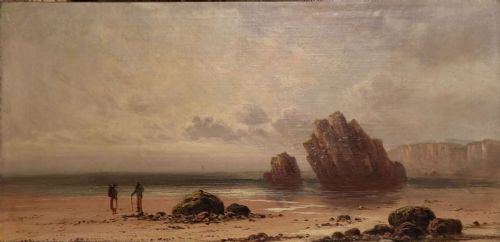
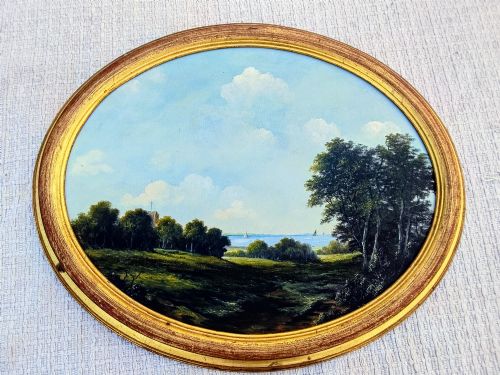
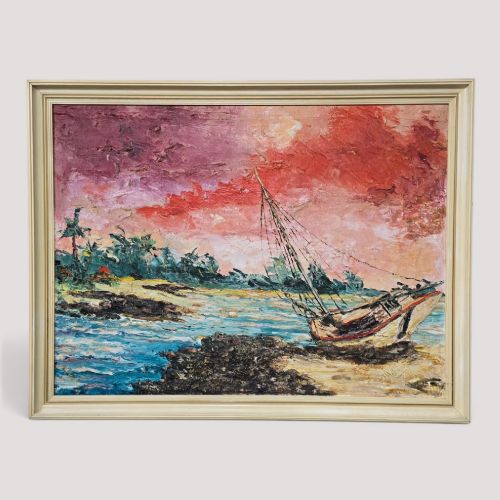
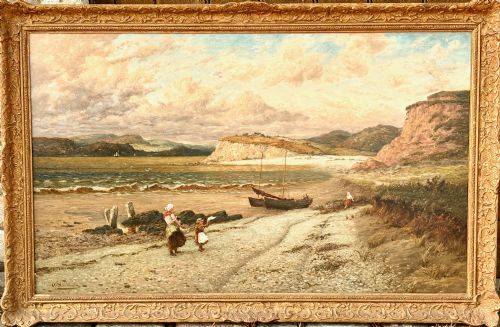
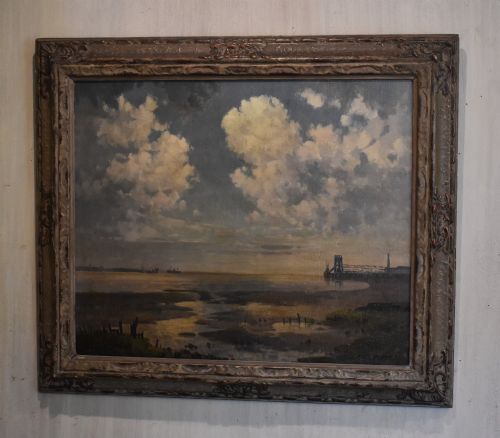
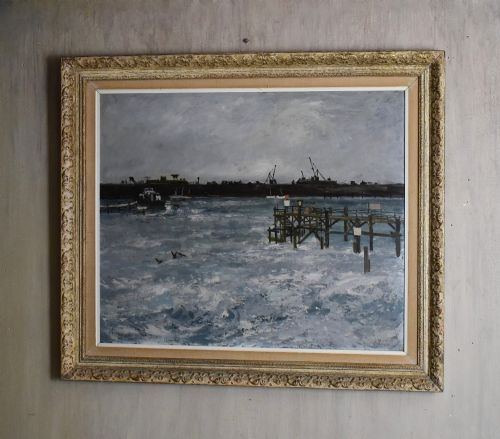
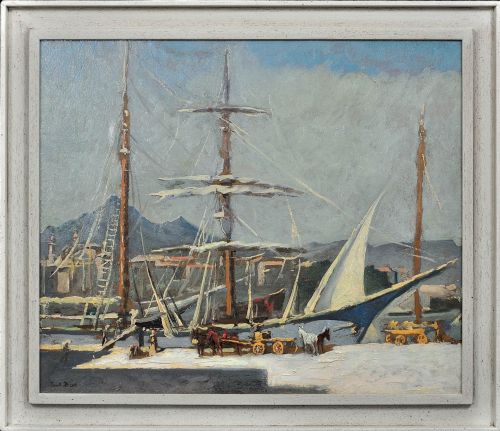
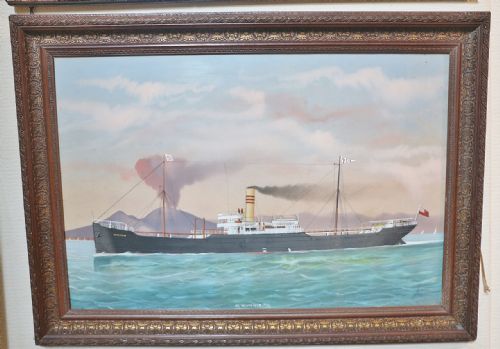
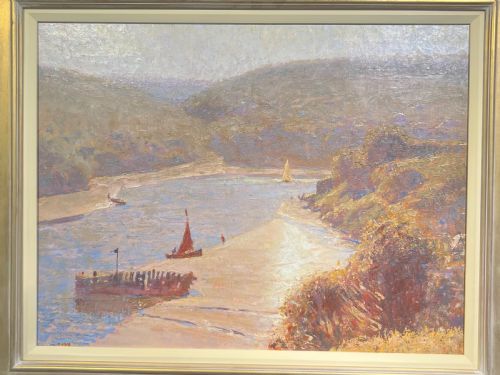
When searching for vintage coastal canvas art, buyers encounter maritime oil paintings originating from the nineteenth century through the mid-twentieth century. These works depict harbours, estuaries, and stormy seas rendered by artists working in styles ranging from Victorian realism to mid-century modernism. The selection frequently includes framed oils on canvas and board produced across British and continental European coastal communities.
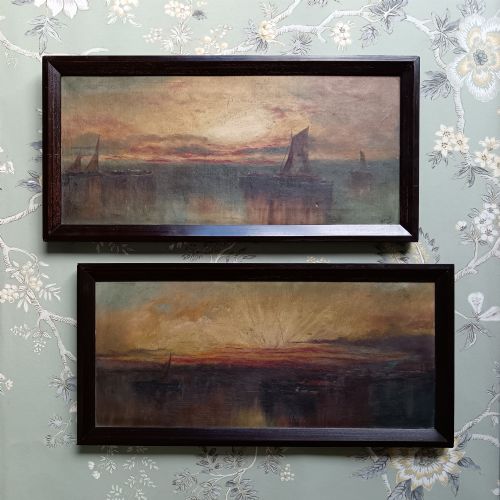
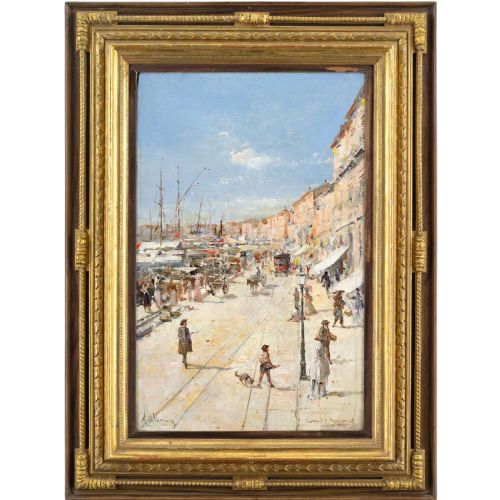
Subjects span tranquil sunrise views, bustling fishing ports, and dramatic cliff landscapes created during periods such as the Edwardian era and the 1950s. Many pieces record specific locations from the Isle of Man to the Mediterranean, preserved within period wood and gilt frames.
Materials and Technique
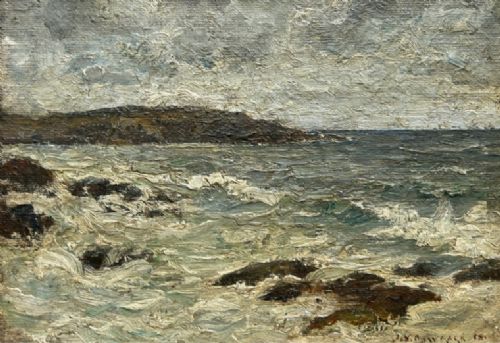
Painters utilised oil paint applied directly to woven canvas or rigid board supports, sometimes building thick impasto textures to capture the movement of water and light. Pigments were manipulated with brushes and palette knives to achieve atmospheric maritime effects.
Completed canvases were secured within protective surrounds, commonly comprising carved wood frames finished with gilt or paint to complement the maritime subject matter.
Listings feature maritime oil paintings spanning the nineteenth century through the 1960s, executed on canvas and wood board.
Evaluating Quality in Marine Paintings
Superior examples demonstrate a confident handling of light, water reflection, and atmospheric perspective that brings depth to the coastal scene. The skill of the brushwork and the anatomical accuracy of vessels or figures distinguish accomplished artists from amateur practitioners.
The integrity of the original canvas, stability of the paint layer, and the appropriateness of the period frame contribute significantly to the standing of an individual work.
Abraham Hulk I·Bernard Benedict Hemy·Charles Napier Hemy·William Henry Williamson
The Vintage Coastal Canvas Art Glossary
- Impasto
- Paint applied thickly to a canvas, standing out in relief from the surface. This technique allows brush or palette knife marks to catch the light and create tactile depth.
- Maritime Realism
- An artistic style focused on accurate depictions of ships, coastal topography, and marine weather. Practitioners observe maritime architecture and nautical conditions with precision.
- Gilt Wood
- Timber coated with a thin layer of gold leaf or metallic gilt powder. This finish was commonly applied to nineteenth and twentieth-century picture frames.
- Estuary
- The tidal mouth of a large river where the tide meets the current. These bodies of water provide varied compositions involving changing water levels and shipping traffic.
Vintage Coastal Canvas Art: Frequently Asked Questions
How do I date a maritime oil painting?
Dating relies upon stylistic markers, costume details of any figures depicted, and the construction methods of the stretcher and frame. Signature styles and biographical dates of the artist provide further chronological anchors.
Material analysis of the canvas and pigments also helps confirm the historical period of production.
Where should I hang a coastal canvas?
These works suit spaces with stable temperature and humidity away from direct sunlight to protect the oil pigments and canvas tension. Pairing the painting with a complementary wall colour enhances the atmosphere of the room.
Avoid placement above active heat sources that might dry out the wood frame and canvas.
What is the difference between canvas and board supports?
Canvas consists of fabric stretched across a wooden frame, offering flexibility and traditional texture. Board provides a rigid, flat surface that prevents the flexing associated with older woven textiles.
Both materials were widely utilised across the nineteenth and twentieth centuries by maritime painters.
How do I care for antique oil paintings?
Maintenance involves gentle dusting with a soft, dry brush to prevent particulate buildup on the paint surface. Professional conservation is recommended for any structural repairs to the canvas or frame.
Keeping the artwork in a consistent environment prevents moisture damage to the oil medium.