


Early 19th Century Landscape
An early 19th century landscape captures the romantic spirit of the Georgian and Regency eras through painterly brushwork and natural observation.
Early 19th Century Landscape
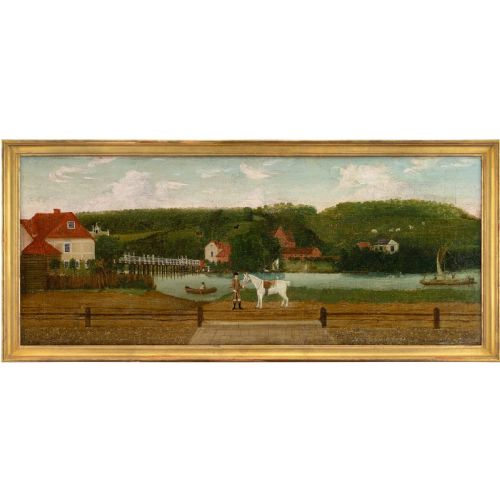
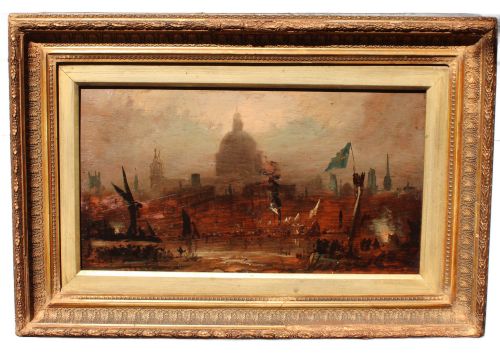
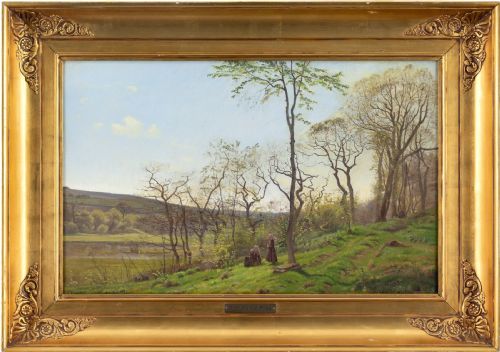
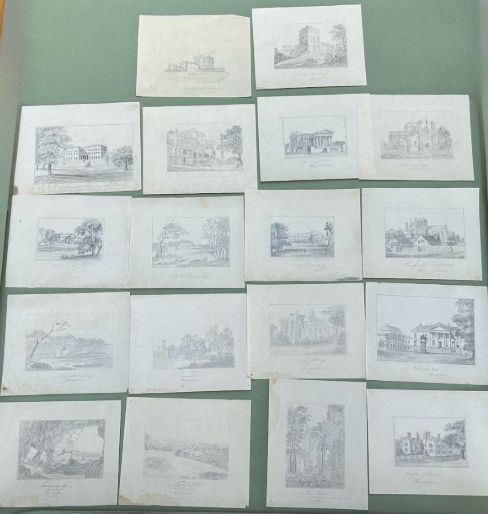
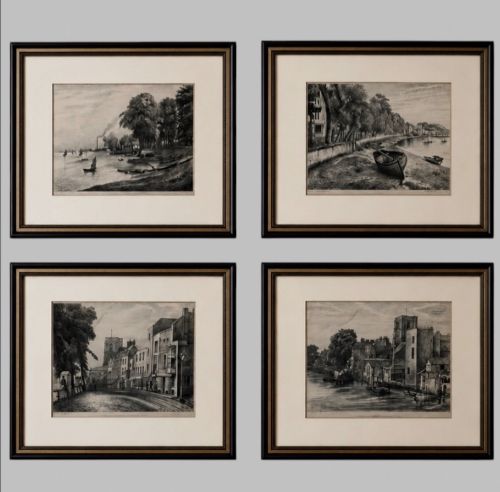
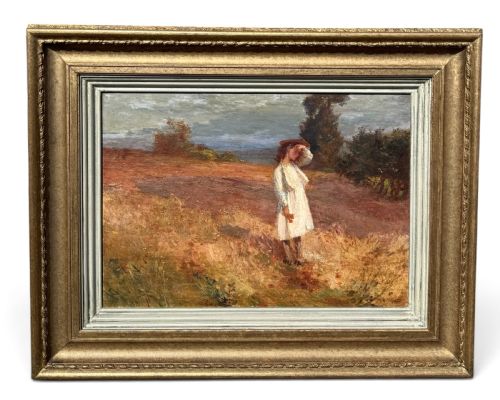
An early 19th century landscape represents a period when artists turned away from strict classical composition in favour of atmospheric depictions of the countryside. Buyers seeking this phrase encounter framed oil paintings on canvas or wood panel alongside delicate watercolour sketches and pencil drawings.
The subjects range from tranquil English river scenes and Welsh valleys to continental views and pastoral pastoral settings featuring figures or livestock. These works reflect the romanticism of the era, offering a direct window into how painters of the Georgian and Regency periods observed the natural world.
Materials and Technique
Painters of this era typically worked with oil paint on stretched canvas or prepared wood panels, building rich textures through layered glazes. Watercolour on paper was equally prevalent, often executed with meticulous pencil underdrawings to capture light and topographical detail.
Many works are housed in original giltwood frames, incorporating gold leaf highlights that complement the warm tones of the pigment. The integration of mixed media and wash techniques demonstrates the diverse methods employed by regional schools and itinerant artists alike.
Framed artwork options include original giltwood frames, Aubusson tapestry, and trumeau wall mirrors with painted panels.
Evaluating Quality
The distinction between standard works and exceptional pieces lies in the confidence of the brushwork and the management of atmospheric perspective. Masterful handling of light and shadow creates a convincing sense of depth, whereas lesser examples often rely on formulaic compositions and rigid lines.
Provenance and attribution also elevate a piece, particularly when works can be linked directly to recognised regional schools or documented painters of the period. The survival of the original support, minimal restoration, and an authentic period frame further distinguish the finest examples.
David Cox Senior·John Glover·William Green·Thomas Allom·Copley Fielding
The Early 19th Century Landscape Glossary
- Giltwood
- Wood carved and treated with a thin layer of gold leaf, commonly found on frames from the Georgian and Regency periods. This material provides a bright, reflective border that enhances the colours of the artwork within.
- Watercolour
- A paint consisting of pigment suspended in a water-soluble vehicle, frequently applied to paper for sketches and finished topographical views. Artists utilised transparent washes to build delicate atmospheric effects.
- Wood Panel
- A rigid wooden support used by painters before canvas became universal, often yielding smooth surfaces with fine detail. Panels from this era frequently exhibit natural grain patterns visible beneath thin layers of oil paint.
- Provenance
- The documented history of ownership of an antique artwork, establishing authenticity and past exhibitions. A clear provenance adds significant context to nineteenth-century British and continental pieces.
- Romanticism
- An artistic movement emphasising emotion, individualism, and the awe-inspiring power of nature over classical restraint. This philosophy directly shaped the dramatic skies and moody terrain seen in works of this era.
Early 19th Century Landscape: Frequently Asked Questions
How do I identify a genuine period landscape?
Examine the reverse of the canvas or panel for signs of age, such as oxidised nails, handmade stretchers, and historical collection labels. Older paper used for watercolours often displays distinct watermarks and natural toning consistent with nineteenth-century manufacture.
Brush technique and pigment composition also offer reliable clues to the period. Genuine works typically exhibit the specific palette and handling associated with Georgian and Regency artists rather than modern reproduction methods.
Were these watercolours intended for framing?
Many works on paper were originally compiled in artist sketchbooks or portfolio albums rather than displayed on walls. Owners later framed these sheets to protect the delicate paper and highlight the topographical views.
Watercolour sketches from this era often show evidence of previous binding along one edge. This historical format preserves the fresh, direct observation of the landscape as the artist recorded it in the field.
What subjects were most popular among buyers then?
Patrons favoured familiar domestic scenery, including pastoral river valleys, coastal harbours with shipping, and historic architectural ruins. These views appealed to a growing desire for travel and a connection to the British countryside.
Foreign tours also inspired continental subjects, ranging from Italian lakes to German rivers. Artists catered to this demand by producing portable watercolours and small oil panels suitable for carriage transport.
How should I care for an antique painting?
Keep framed works away from direct sunlight and maintain stable indoor humidity to prevent the canvas or wood panel from warping. Avoid using liquid cleaners on delicate paint surfaces or original giltwood frames.
Consult a professional art conservator if the varnish darkens significantly or if the canvas requires re-tensioning. Gentle dusting with a soft, dry brush is sufficient for routine maintenance.