



Vintage Clock Face
A vintage clock face brings mechanical presence and historic character to a room, whether taken from a grand tower or recovered from a longcase dial.
Vintage Clock Face
A vintage clock face represents the working heart of timepieces spanning from the eighteenth century through the art deco era. Buyers searching for a vintage clock face encounter everything from isolated iron dials to complete longcase clocks housed in oak or mahogany.
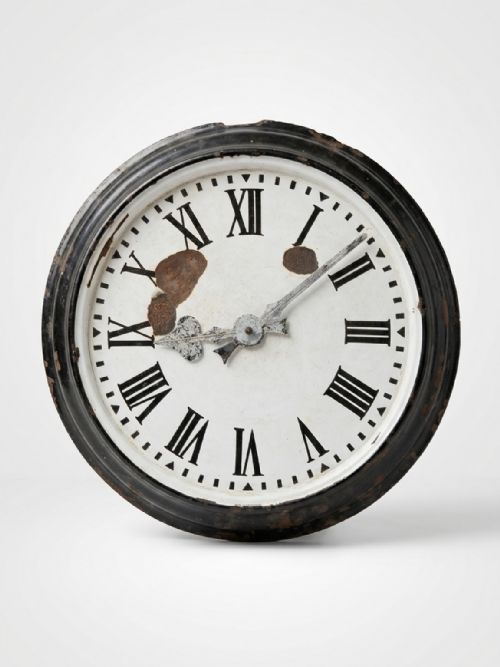
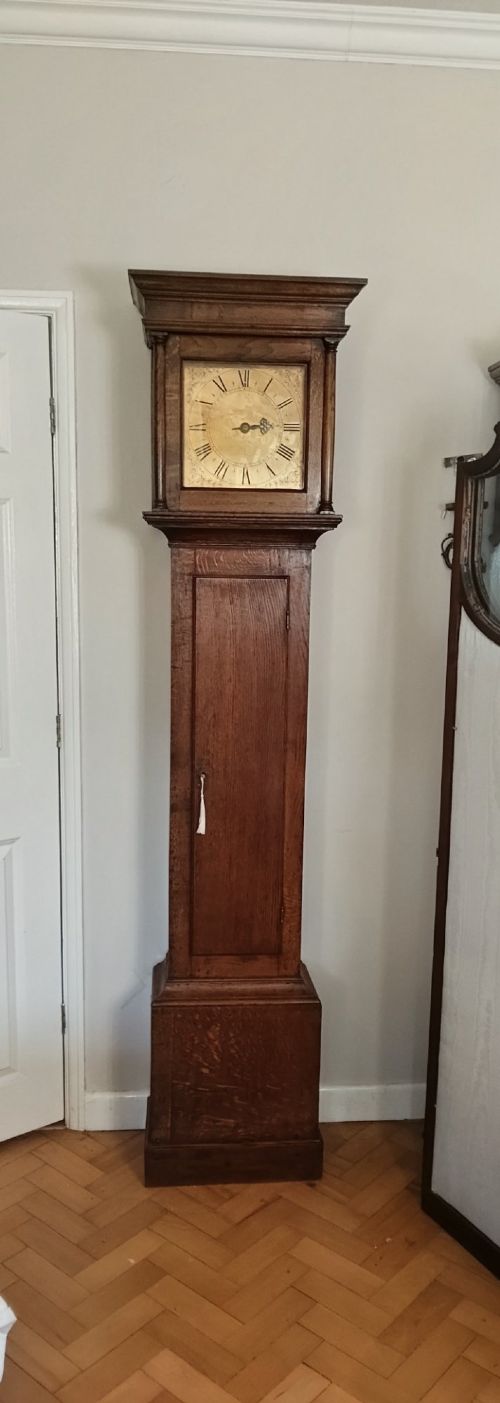
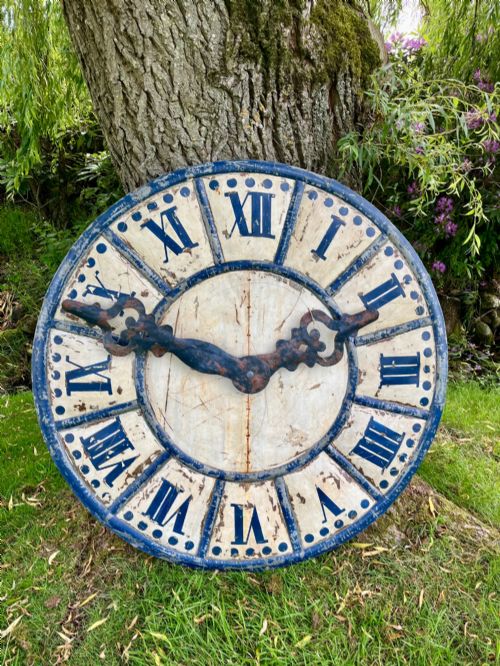
The selection ranges from large architectural turret dials and painted wall faces to domestic grandfather and grandmother clocks. Pieces originate from diverse periods including the Georgian and Victorian eras, alongside twentieth-century French industrial and English designs.
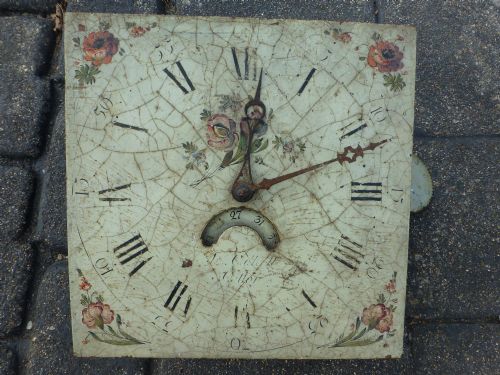
Domestic longcase dials dominate the offerings, usually framed by brass or painted iron with regional signatures inscribed across the surface. Architectural salvage pieces also appear as standalone wall displays, offering massive scale from former public towers.
Materials and construction
Materials span heavy architectural metals and domestic hardwoods, utilising brass, iron, and steel alongside oak, mahogany, walnut, and burr walnut. Dials often feature hand-painted numerals or applied brass spandrels, protected by glass in domestic desk and wall formats.
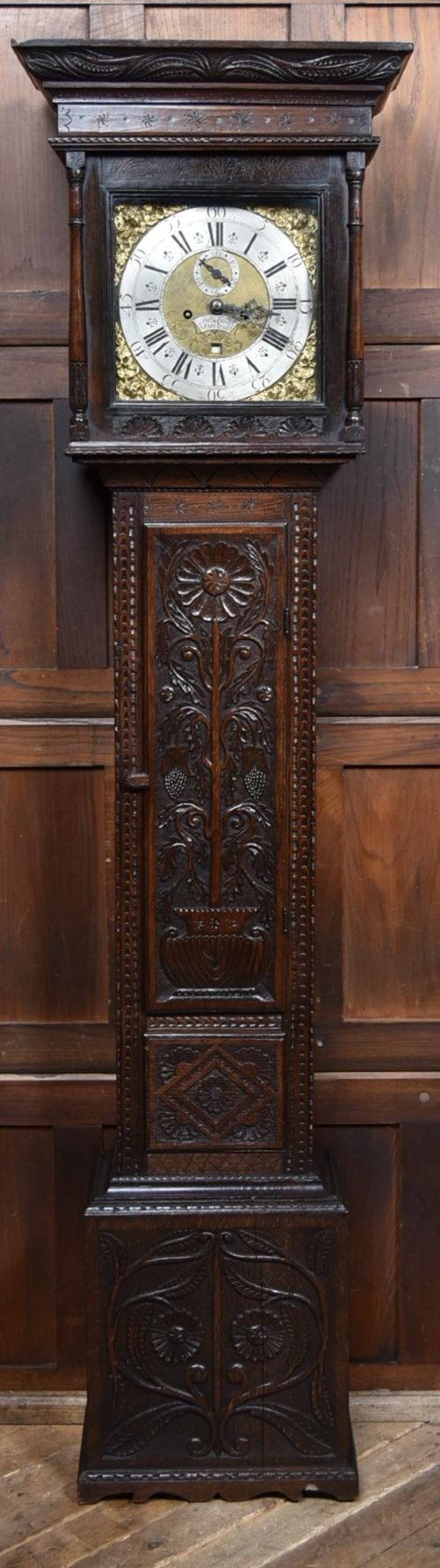
Construction techniques combine foundry casting for large outdoor and turret iron faces with precision engraving on brass dial plates. Cabinetry for housing associated movements relies on traditional timber joinery, featuring flame mahogany veneers and carved oak details.
Some tower clock faces are so immense they require an entire exterior wall just to catch their breath.
Evaluating craftsmanship
Quality rests upon the crispness of the dial engraving, the legibility of the painted numerals, and the integrity of the original metal or timber surfaces. Superior examples display fine hand-cut brass hands and well-preserved maker inscriptions rather than modern replacements.
The depth of the materials dictates visual merit, separating standard production dials from substantial cast iron tower faces or finely figured burr oak longcases. Original patination on brass and unpolished painted iron surfaces elevate the standing of any piece.
Jn° Smith, Macclesfd·Joyce Whitchurch·Smiths of London·Samuel Young Nantwich·Jn Wright Linton·Richard Northen·John Taylor London·C. Coleman London
The Vintage Clock Face Glossary
- Dial
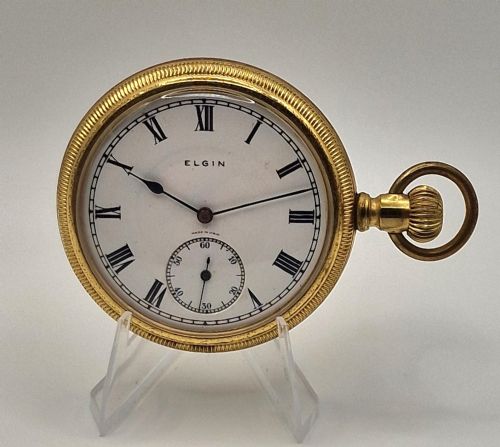
- The visible face of a clock bearing the numerical markings and signature of the maker. This surface may be fashioned from brass, painted iron, or enamel.
- Spandrel
- The ornamental corner pieces placed in the angles between the dial circle and the square frame of older clock faces. They are frequently cast in brass and chased with scrollwork.
- Turret clock
- A large clock designed for public buildings, churches, or towers, featuring heavy iron or enamel dials built to withstand outdoor exposure.
- Longcase clock
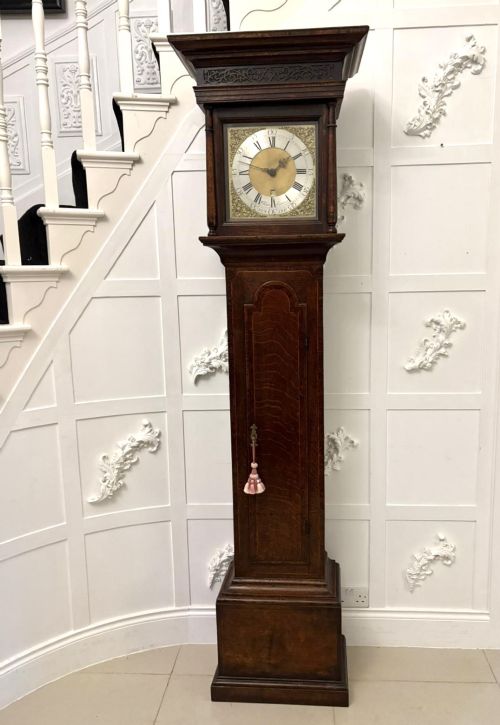
- A tall freestanding pendulum clock enclosed in a wooden case, commonly referred to as a grandfather or grandmother clock depending on its height.
- Fusee
- A conical pulley mechanism used in better quality clocks to maintain an even drive force as the mainspring unwinds.
Vintage Clock Face: Frequently Asked Questions
How do I date a clock face?
Dating relies on stylistic clues found within the numerals, the shape of the dial corners, and the framing materials. Georgian and eighteenth-century faces often feature square brass plates with intricate spandrels, while later Victorian and Edwardian examples lean toward painted circular iron dials.
Signatures inscribed on the face also help establish a timeline when linked to recorded regional clockmakers. Architectural and tower pieces require looking closely at the cast ironwork and industrial mounting brackets for period manufacturing techniques.
Where were tower clock faces used?
Large turret and tower clock faces originally served public functions in railway stations, municipal buildings, churches, and industrial mills. Their immense scale allowed time to be read across wide open spaces or factory yards.
Today, these architectural salvage pieces function primarily as striking wall hangings or sculptural focal points in large interior spaces.
How should I hang a heavy clock face?
Heavy metal turret faces and large wooden dials require secure structural fixing directly into wall studs or masonry using rated anchors. The significant weight of cast iron and thick timber necessitates professional assessment of the hanging wall.
Ensuring proper weight distribution protects both the vintage material and the wall surface from stress over time.