
Vintage Clear Wine Glass
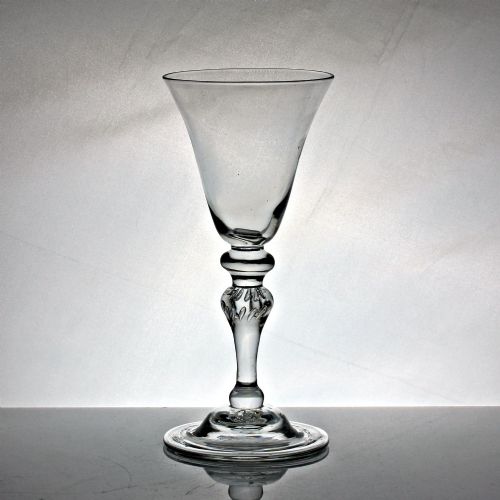
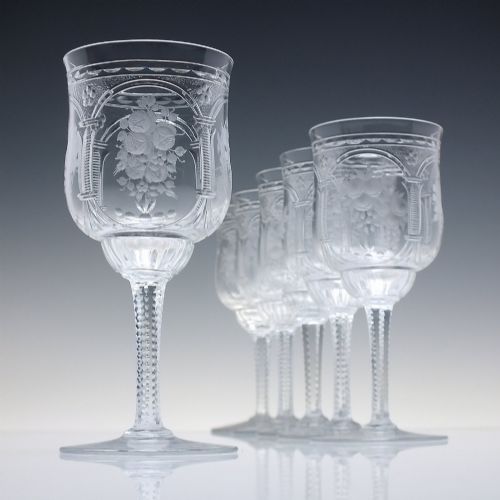
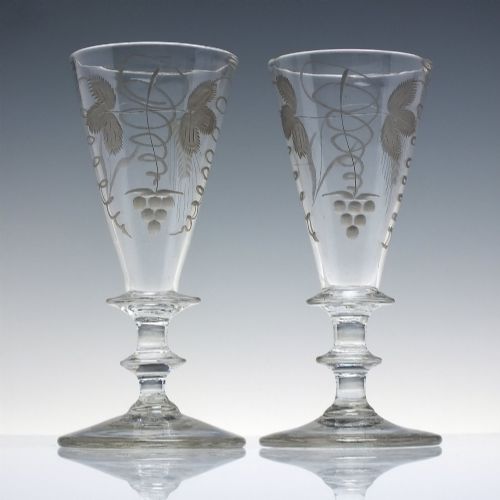
A vintage clear wine glass brings the weight of past centuries and tactile forms to the table, offering a drinking vessel shaped by Georgian balusters, Victorian etchings and Edwardian cutting.
Vintage Clear Wine Glass
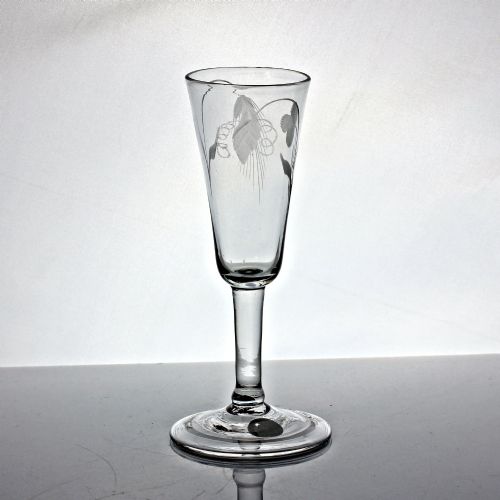
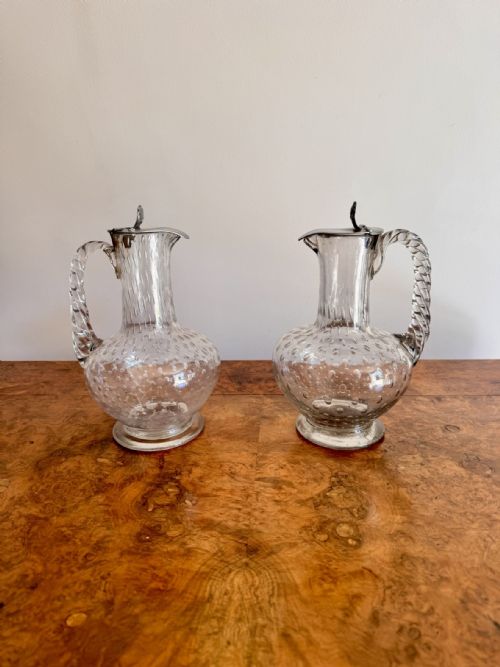
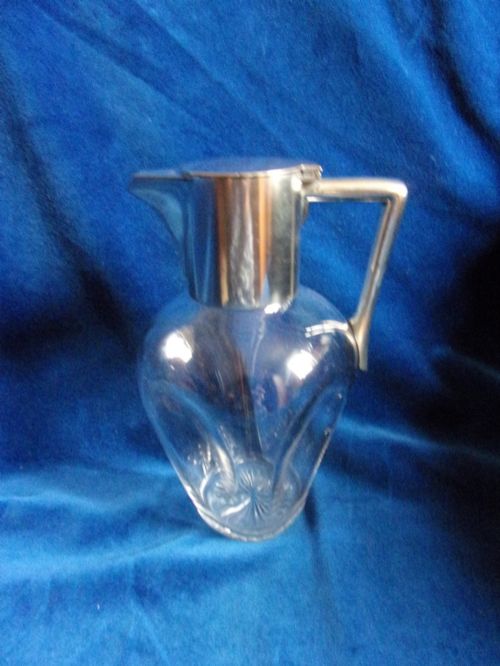
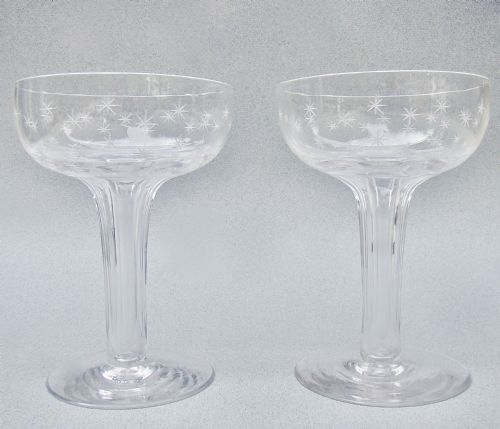
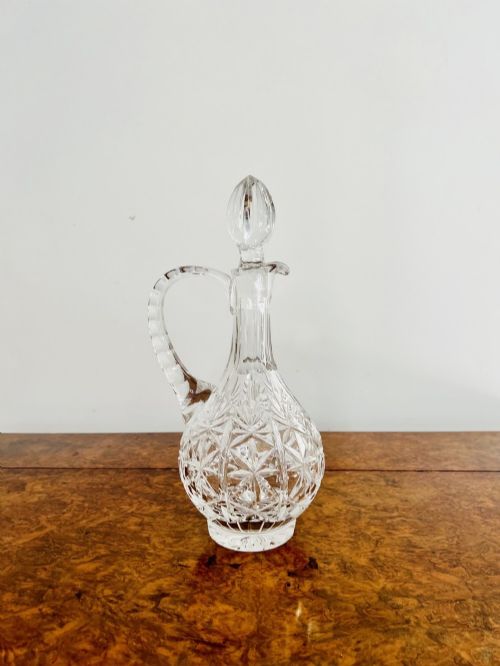
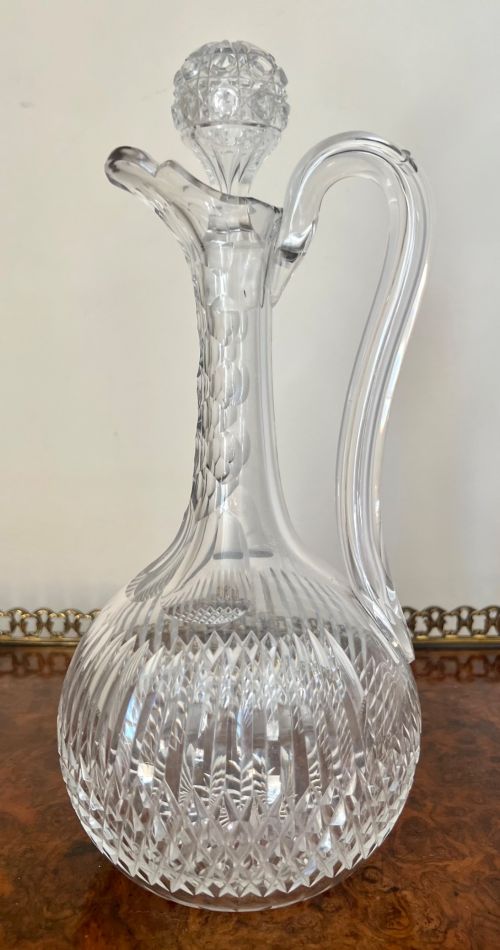
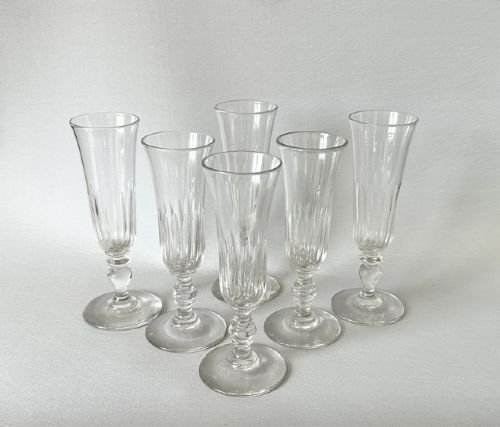
When you search for a vintage clear wine glass, you encounter drinking vessels, claret jugs, decanters and rummers spanning the eighteenth century through the Edwardian era and the art deco period. The selection includes everything from early balustroid stem ale glasses with folded feet to matched sets of white wine glasses and hollow stem champagne glasses.
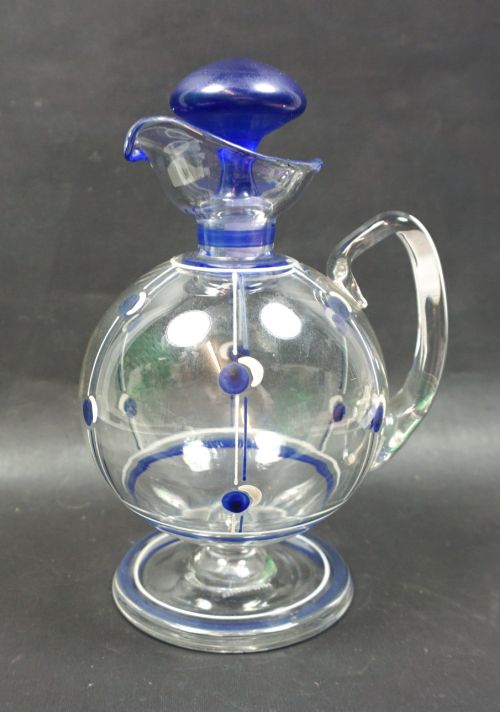
The pieces on this page draw from distinct stylistic movements, encompassing Georgian, Victorian, Edwardian, Art Nouveau, Art Deco, Bohemian, and Arts and Crafts origins. You will find simple eighteenth-century plain stems alongside heavily faceted bowls and gilt or enamelled decoration from continental makers.
While many listings focus on broader glassware categories like decanters and pitchers, the core of the search remains the individual drinking vessel. These range from single engraved specimens to harlequin sets designed for the dining table.
What varies in quality
Quality rests in the crispness of the cutting, the clarity of the metal, and the balance of the stem and foot. Superior examples display precise wheel engraving and hand-cut facets that catch the light evenly without distortion.
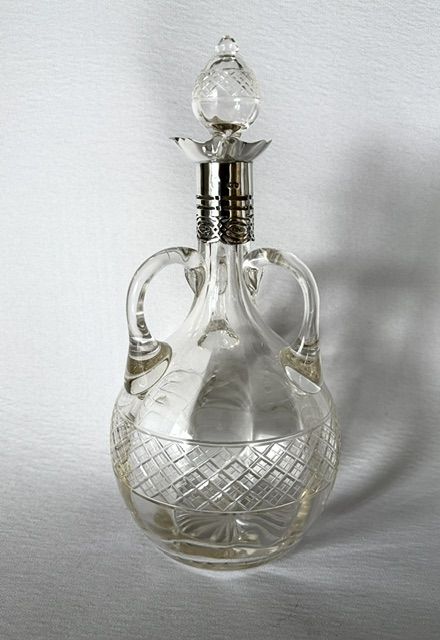
The integrity of the form dictates value, from the correct proportion of a baluster stem to the secure fit of silver-plated mounts and collars. Pieces that maintain their original matched sets or retain crisp decorative details stand apart from ordinary utilitarian ware.
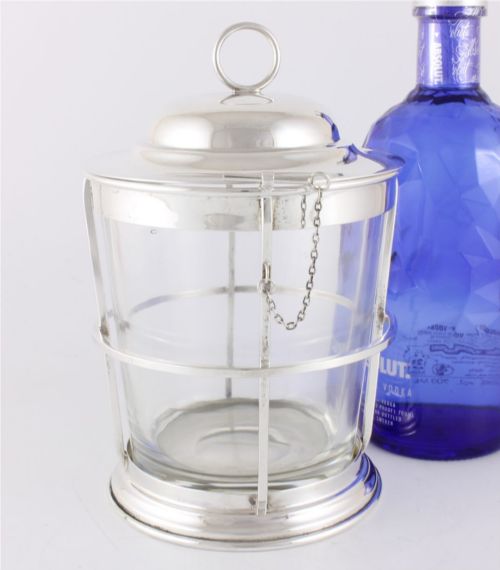
Ship's lanterns apparently doubled as ice buckets when thirsty sailors needed chilled wine on troubled seas.
Baccarat·PH Vogel·Rene Lalique·Theresienthal
The Vintage Clear Wine Glass Glossary
- Baluster
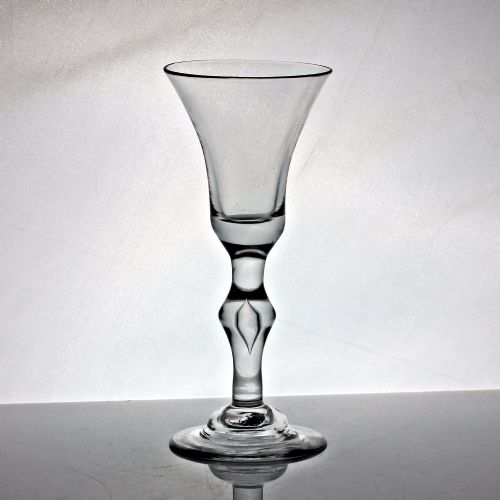
- A bulbous, architectural stem form found on eighteenth-century drinking vessels. This stout shape echoes stair spindles and adds substantial weight to the lower half of the glass.
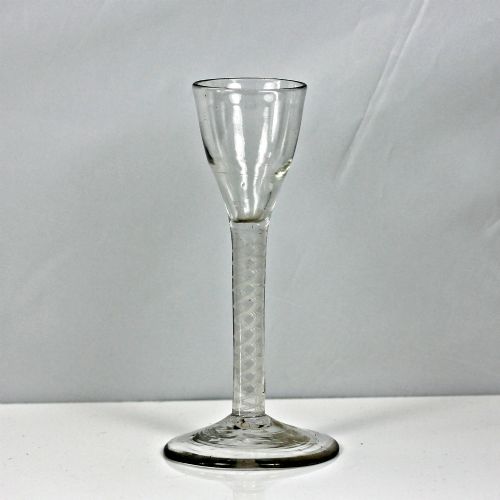
- Opaque twist
- A manufacturing technique where white or coloured enamel threads are drawn through the molten glass stem in a spiral pattern. It creates a dense, milky interior decoration.
- Ogee bowl
- A bell-shaped drinking vessel profile that curves outward at the rim and inward at the base. This distinctive silhouette is typical of eighteenth-century English drinking glasses.
- Folded foot
- A glass base where the outer rim is turned underneath during formation to create a thickened, rounded edge. This technique adds structural strength and weight to early drinking vessels.
- Pontil mark
- A rough scar left on the base of blown glassware where the punty rod was snapped off after shaping. Its presence indicates traditional hand-blown manufacturing methods.
Vintage Clear Wine Glass: Frequently Asked Questions
How do I date a glass?
Dating relies on observing manufacturing characteristics such as pontil marks, stem construction, and bowl shape. Eighteenth-century pieces often feature folded feet and baluster stems, while later Victorian and Edwardian examples show heavier cut crystal patterns and machine-smoothed finishes.
Changes in glass chemistry also help determine age, as lead content and clarity shifted between the Georgian period and the twentieth century. Comparing the piece's stylistic markers against known design periods provides a reliable timeline.
What is lead crystal?
Lead crystal is a specialised glass made by incorporating lead oxide into the traditional silica batch. This addition increases the weight of the vessel, improves clarity, and makes the material softer for deep wheel cutting.
The higher refractive index of lead crystal causes light to disperse into prismatic colours when polished. This specific composition defines many of the fine decanters and wine glasses found in historical collections.
How should I clean them?
Historical glassware requires gentle hand washing in warm water with mild detergent to preserve the fragile surfaces. Avoid sudden temperature changes to prevent thermal shock, which can crack old lead glass.
Silver-plated mounts and collars need separate care to avoid harsh metal polishes coming into contact with the glass body. Drying the pieces immediately with a lint-free cloth prevents water spots on cut crystal facets.
Are these glasses usable?
Most antique wine glasses remain structurally sound and functional for occasional dining use. The durability of lead glass allows for careful handling and gentle toasts, provided you avoid modern dishwashers.
Consider the fragility of eighteenth-century pulled stems and engraved bowls when pouring beverages. Hand washing and careful storage ensure these historical vessels survive for continued use.