


Vintage Classical Figure Lamps
These vintage classical figure lamps bring myth and history indoors, cast in bronze, brass, and porcelain to light a room with sculptural presence.
Vintage Classical Figure Lamps
Vintage classical figure lamps combine lighting with sculptural depictions of human forms, drawing directly from historical periods such as the nineteenth century and Edwardian eras. These pieces typically take the form of table lamps, floor lamps, and wall lights designed within neoclassical and revivalist movements.
The figures depicted often reference classical myth and antiquity, ranging from deities like Minerva and Amphitrite to caryatids and allegorical youths. Examples span French, Italian, and American origins, utilising materials that give each piece distinct architectural weight.
How they were made
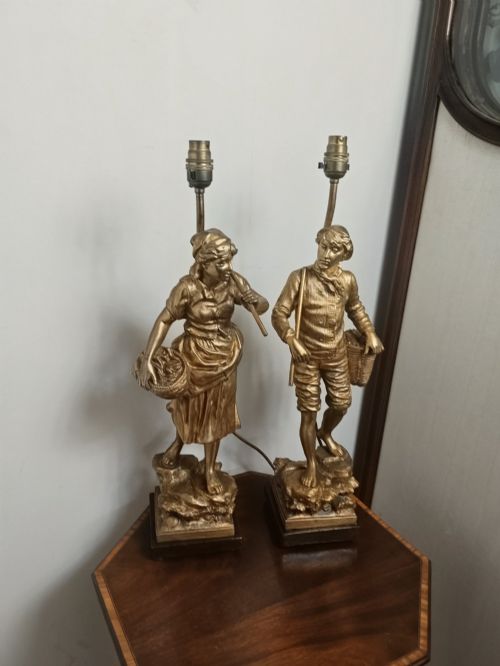
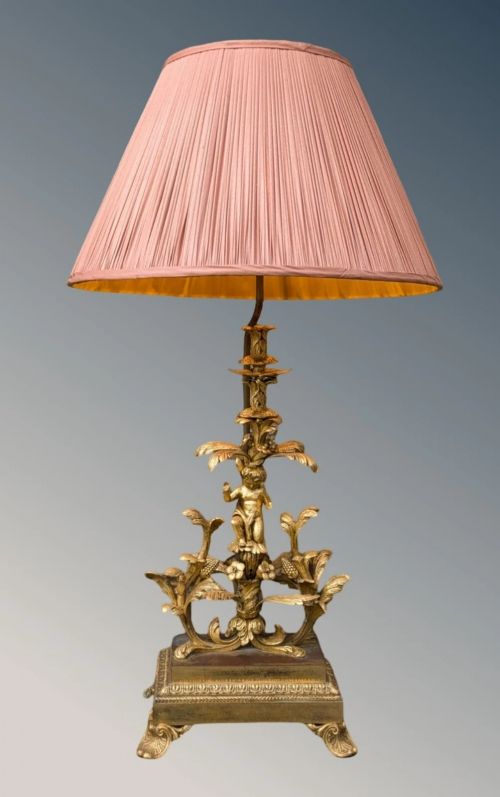
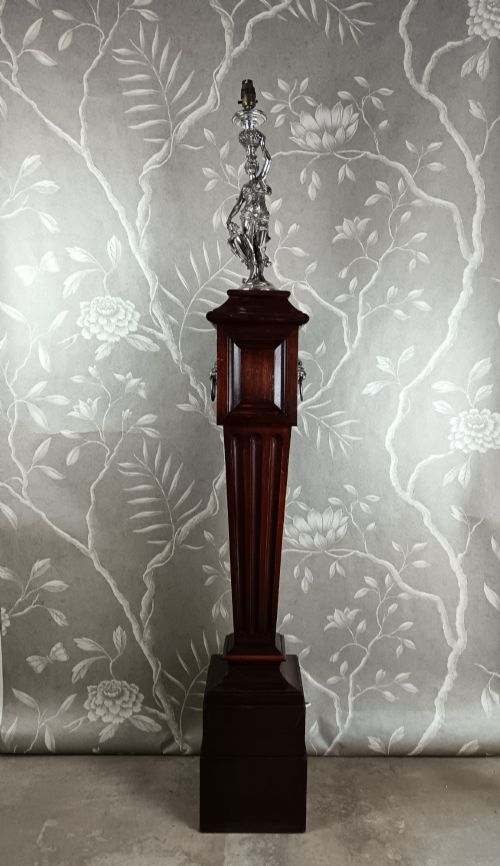
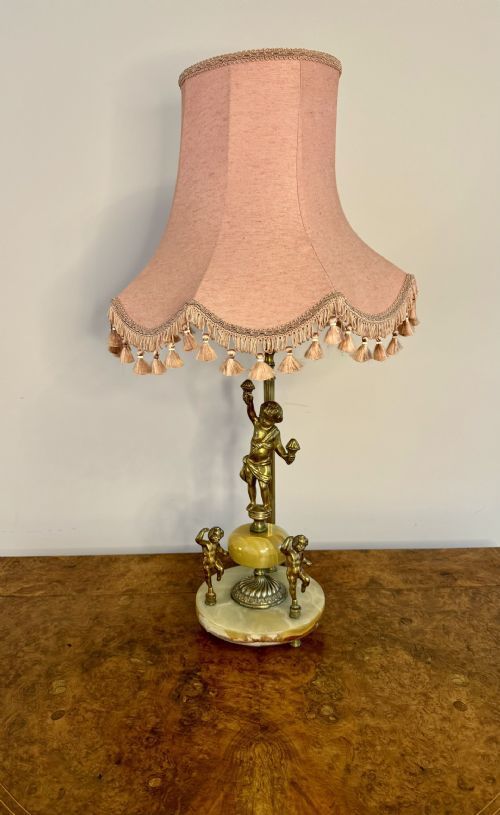
Metalworking techniques dominate the evidence, utilising cast bronze, gilt brass, and spelter to render intricate figural statuary and bases. Artisans combined these metals with carved marble, onyx, and wood to create sturdy pedestals and columns.
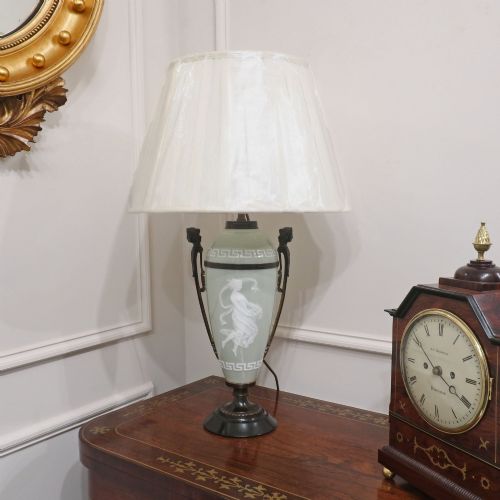
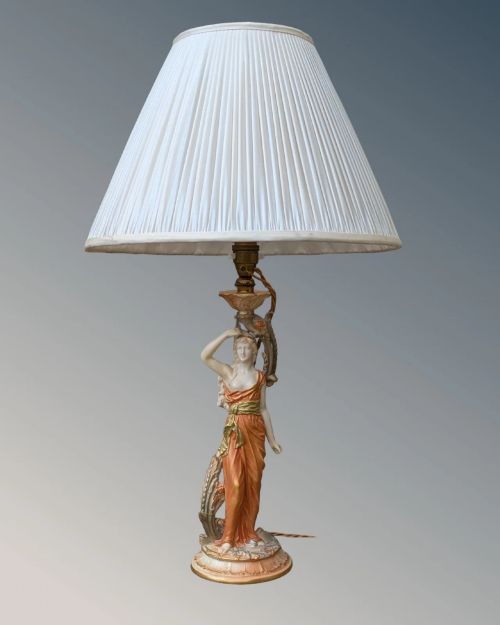
Ceramic elements involve specialised crafting methods such as pate sur pate porcelain, Paris porcelain, and moulded glass including frosted Baccarat and opaline. Fabric components and painted metal finishes like tole peinte complete the construction of the shades and body.
Minerva stands alongside stags while a young girl blows a kiss in bronze.
What varies in quality
The refinement of the figural casting determines much of the visual success, separating sharply defined sculptural anatomy from softer, mass-produced metalwork. Detail in the chasing of bronze and brass elements reveals the hand of a more skilled workshop.
Material selection and combination drive value further, particularly where high-grade porcelain, marble, and heavy gilt work meet. The integration of maker marks or known manufacturing houses adds documentary certainty to the physical construction.
E Rousseau·WMF·Royal Worcester·Baccarat
The Vintage Classical Figure Lamps Glossary
- Spelter
- A zinc alloy commonly used as a substitute for bronze in figural casting. It takes patination and gilding well.
- Pate sur pate
- A porcelain manufacturing technique where a relief design is built up in successive layers of white slip. This creates a cameo-like effect against a coloured ground.
- Caryatid
- A sculpted female figure serving as an architectural support taking the place of a column or pillar. They appear frequently on pedestals and lamp bases.
- Torchere
- A tall stand or lamp designed to hold a light source aloft. The form mimics classical pedestals used for lighting in antiquity.
Vintage Classical Figure Lamps: Frequently Asked Questions
What periods do these lamps date from?
The pieces span from the seventeenth century through the Victorian and Edwardian periods into the early twentieth century. Many reflect nineteenth-century revivals of classical design.
Specific decades like 1880, 1900, 1910, and 1920 appear frequently across the surviving examples.
What materials are used for the figures?
Figures are cast in bronze, brass, spelter, and gilded metals, or modeled in porcelain and frosted glass. Bases frequently incorporate marble, onyx, and carved wood.
Fabric elements are typically found on the accompanying shades rather than the figural bodies.
Are these lamps signed by makers?
Some pieces bear maker marks, stamps, or signatures from notable potteries and metalwork studios. Others remain entirely unmarked while showing clear stylistic origins.
Signatures can appear on the metal bases or underneath porcelain components.
How do I identify a neoclassical style?
Neoclassical pieces draw inspiration from classical Greek and Roman art, featuring balanced proportions and mythological subjects. Look for deities, caryatids, and architectural motifs like columns and urns.
Revival styles from the nineteenth and early twentieth centuries reinterpreted these ancient themes.