
Vintage Classical Artwork
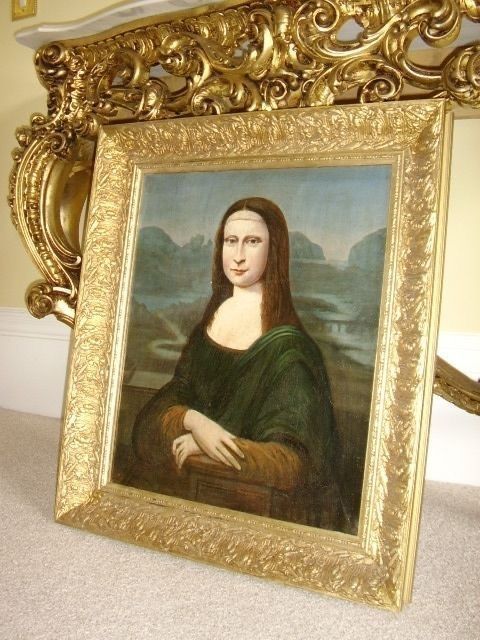
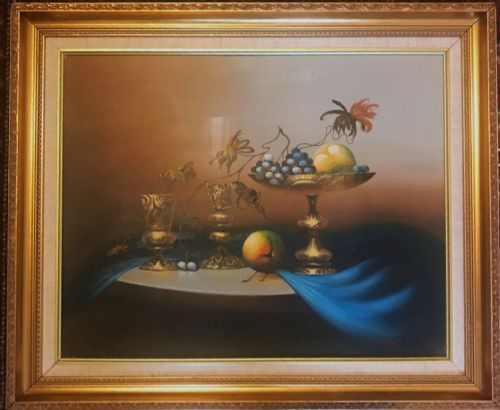
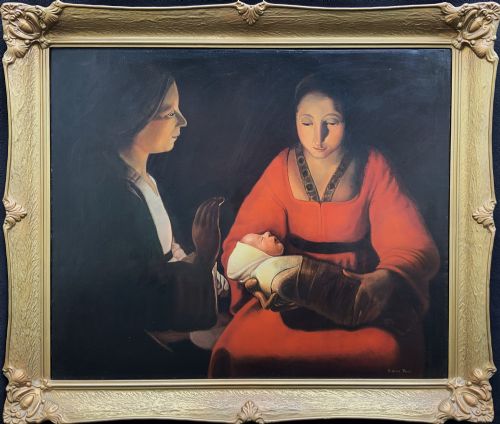
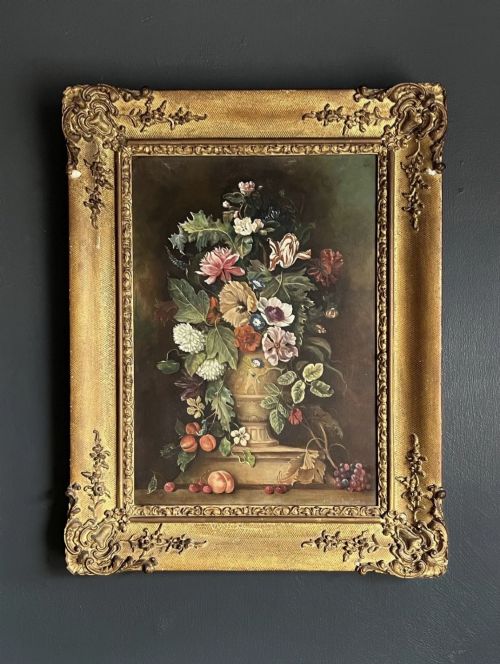
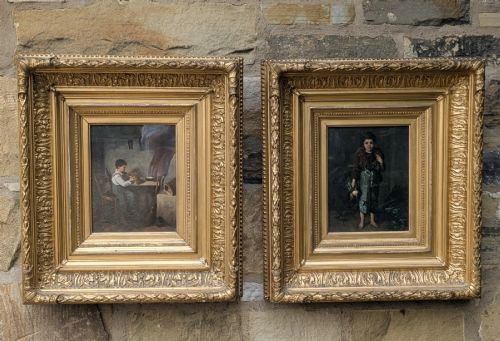
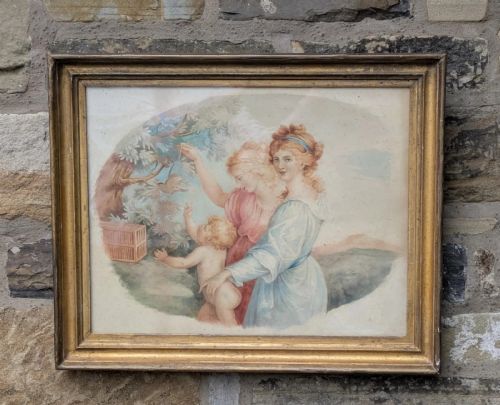
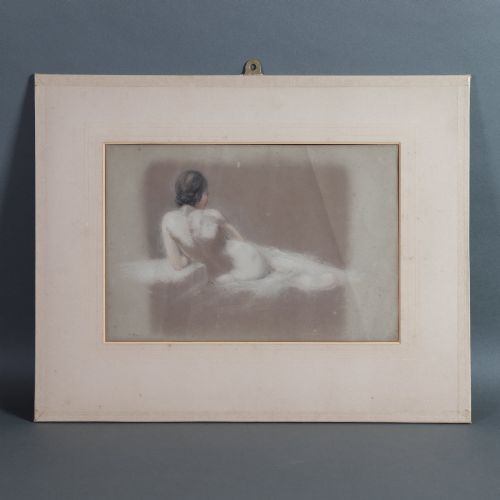
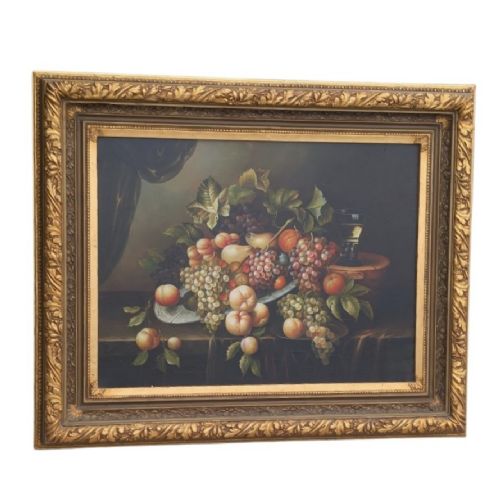
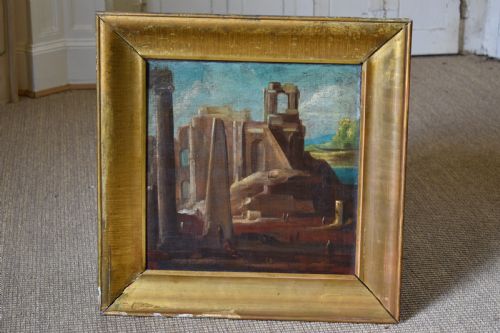
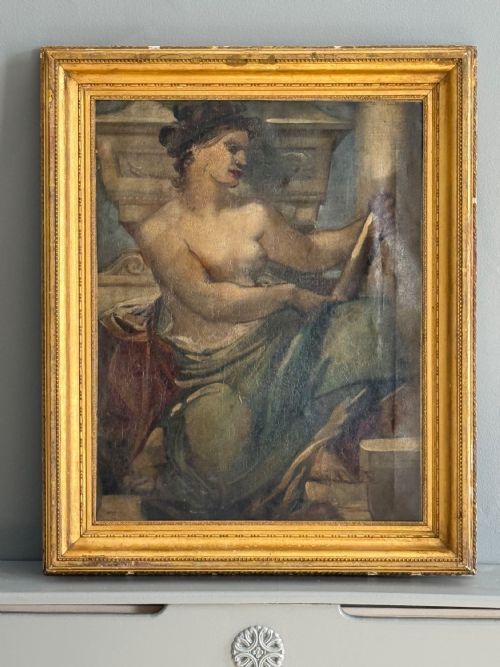
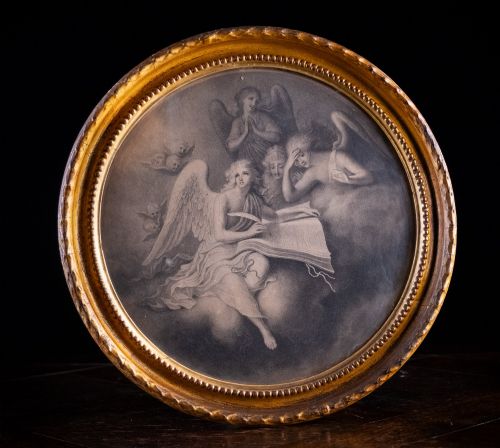
These vintage classical artwork pieces span centuries of figurative tradition, mythological scenes and formal portraiture collected for formal interiors.
Vintage Classical Artwork
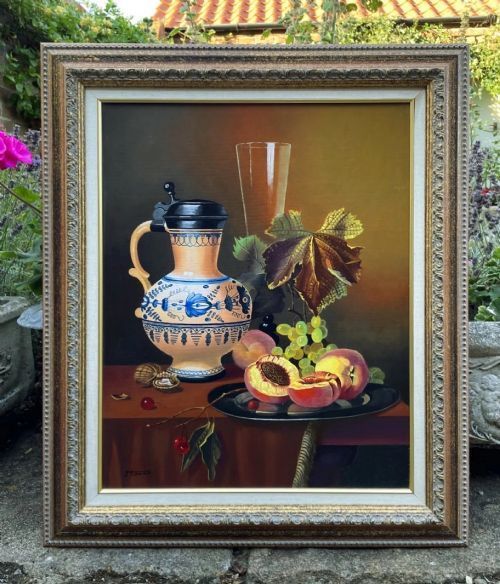
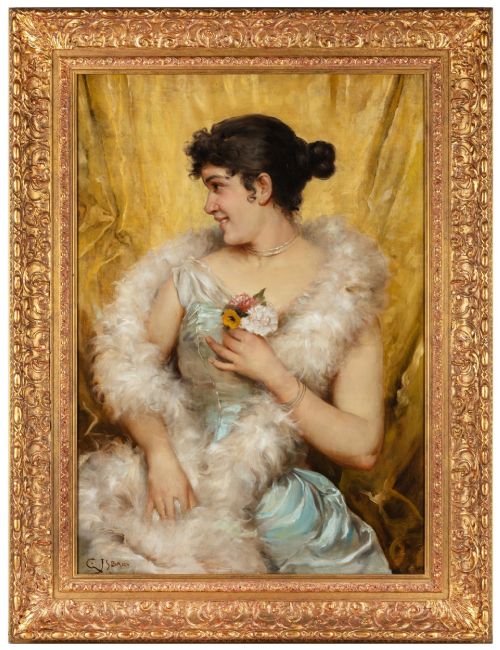
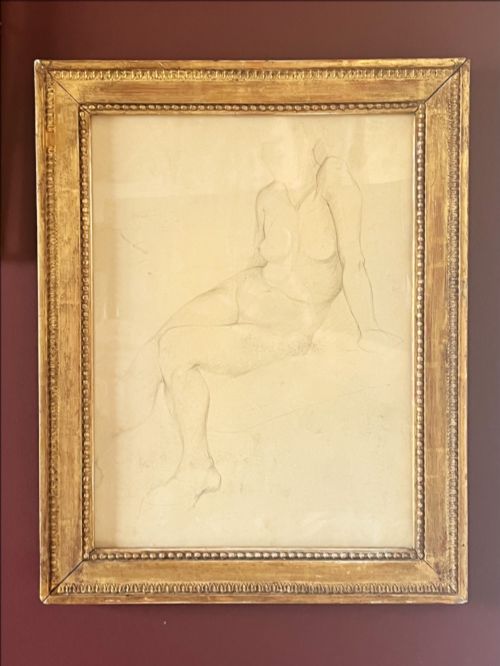
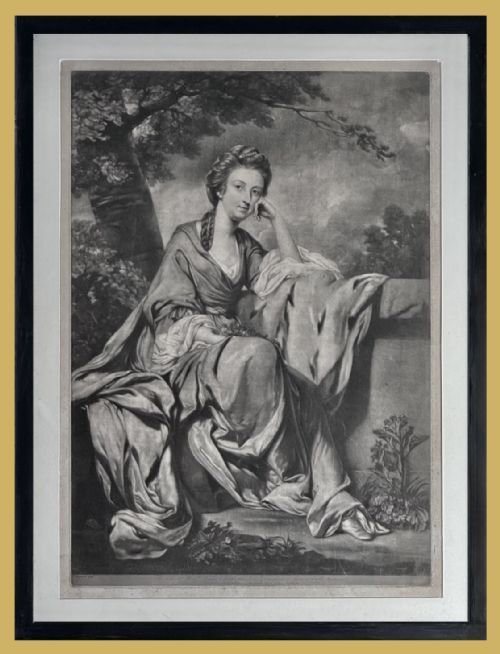
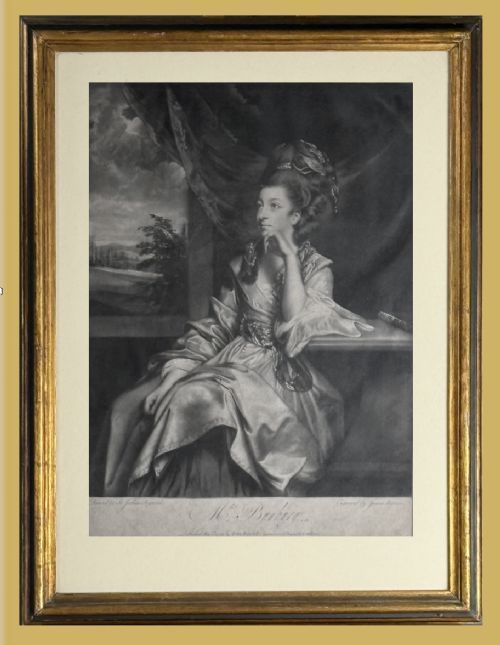
Vintage classical artwork encompasses oil paintings, engravings, mezzotints, and pencil drawings created across multiple periods from the seventeenth century through to the mid-twentieth century. The selection leans heavily towards historical interpretations, academic studies, and reproductions or copies of notable portraits and religious or mythological subjects.
Buyers frequently encounter nineteenth-century interpretations of earlier Renaissance and Baroque compositions alongside original twentieth-century academic drawings and still lifes. These works appear in various formats, including grand oil on canvas pieces, delicate pencil sketches, and framed prints housed within period giltwood frames.
Materials and technique
The physical execution relies on traditional media such as oil paint applied to canvas or wood panels, alongside works on paper executed in graphite, ink, wash, gouache, and various printmaking techniques. Engravings and mezzotints utilise copper plates to transfer detailed tonal portraits and historical scenes onto fine paper.
Many of the canvases and works on paper are housed in period frames constructed from wood with applied gilt or gesso enrichment. These framing choices reflect the prevailing decorative styles of the Georgian, Victorian, and later revival periods.
Judging the work
Quality in these pieces rests upon the precision of the draughtsmanship, the handling of light and shadow, and the depth of the pigment layers in oil works. Hand-pulled early engravings and original oil paintings display a fidelity of line and tonal range that mechanical reproductions lack.
The integration of the artwork with its period frame also influences the overall integrity of the piece. Original giltwood and gesso frames that complement the age and style of the central image elevate the piece significantly.
Sir Joshua Reynolds·William Etty·Anton Weiss·Harold Clayton
The Vintage Classical Artwork Glossary
- Mezzotint
- A printmaking process of the intaglio family where the plate is roughened to produce rich tonal gradations rather than sharp lines. It became the favoured method for reproducing oil paintings in the eighteenth century.
- Grisaille
- A painting executed entirely in shades of grey or neutral monochrome, often used to emulate sculpture or as an underpainting for oils. This technique emphasises form and shadow over colour.
- Grand Tour
- A traditional trip through Europe undertaken by upper-class European young men of means during the eighteenth and nineteenth centuries. Artwork acquired on these journeys typically featured Italian landscapes and classical antiquities.
- Stipple engraving
- A method of printmaking where the image is built up using dots rather than continuous lines to achieve soft tonal transitions. This technique was particularly popular for rendering flesh and delicate fabrics in portrait prints.
- Academic realisms
- A style of painting and sculpture produced under the influence of European academies of art. It prioritises strict adherence to classical standards, precise anatomy, and historical or mythological subject matter.
Vintage Classical Artwork: Frequently Asked Questions
How do I identify a reproduction from an original oil painting?
Original oil paintings display visible brush texture, impasto, and subtle layering under raking light, whereas reproductions often show uniform flat surfaces or dot patterns from mechanical printing.
Examining the canvas weave from the reverse side and inspecting the edges near the frame rebate can also reveal whether the paint layer wraps organically around the support.
What is the difference between an engraving and a mezzotint?
Engravings are created by incising sharp lines directly into a metal plate with a burin to produce crisp, linear imagery. Mezzotints involve roughening the entire plate surface first to achieve smooth, velvety gradients of tone.
Mezzotints were primarily used to translate painterly portraits into print form, while engravings suited detailed architectural and figurative compositions.
Where should I hang a large classical oil painting?
These works suit formal living spaces, libraries, or hallways where traditional furniture and subdued lighting complement the dark palettes and historical subject matter. Maintaining a stable environment away from direct sunlight and damp walls protects the canvas and gilt frame.
Secure wall fixings rated for the combined weight of the painting and heavy timber frame are essential for safe display.
How are nineteenth-century copies dated accurately?
Dating relies on analysing the composition of the canvas support, the chemical formulation of the pigments, and the construction methods used for the accompanying frame. Stylistic clues within the brushwork technique also point to the specific revival period in which the copy was executed.