




Romanticism Fine Art
Romanticism fine art captures the emotional intensity and dramatic landscapes of the nineteenth century through oil paint and watercolour.
Romanticism Fine Art
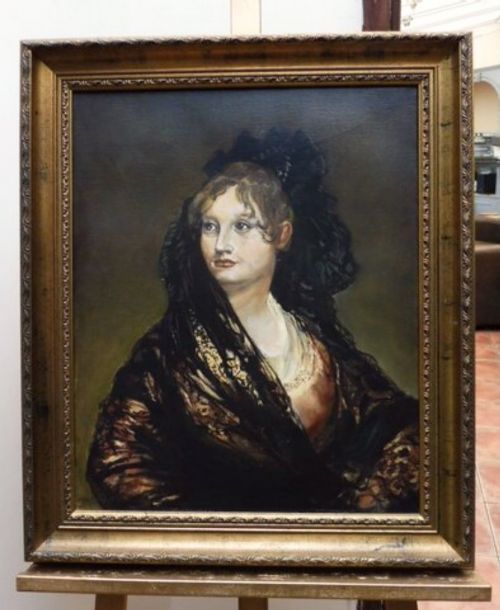
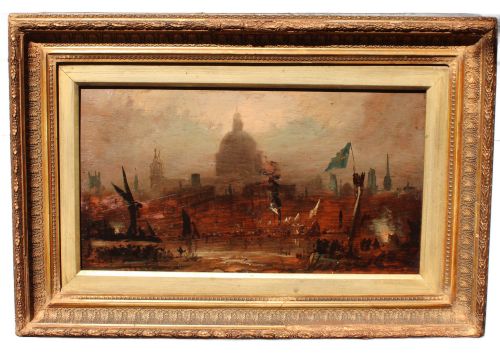
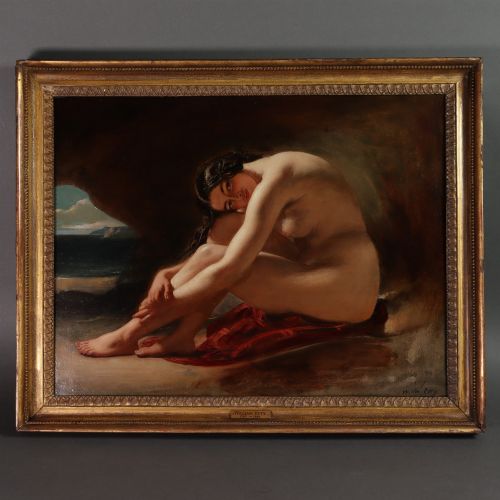
Romanticism fine art comprises nineteenth-century paintings that focus on emotional depth, dramatic natural scenery, and pastoral human figures. The pieces on this page appear predominantly as oil on canvas or oil on board, alongside select watercolours from the period.
Buyers encounter works spanning the Georgian era through to the late nineteenth century, including British, Dutch, and Spanish school examples. Subject matter ranges from coastal landscapes and river scenes to intimate portraits and mythological studies.
The prevailing format is the framed artwork, capturing both grand vistas and quiet rural moments. These canvases often reflect academic traditions alongside more expressive interpretations of nature and human narrative.
How they were made
Artists of this period applied oil paint or watercolour to stretched canvas, wooden panels, or prepared boards. Brushwork varies from meticulous academic detail to looser, more atmospheric handling of light and shadow.
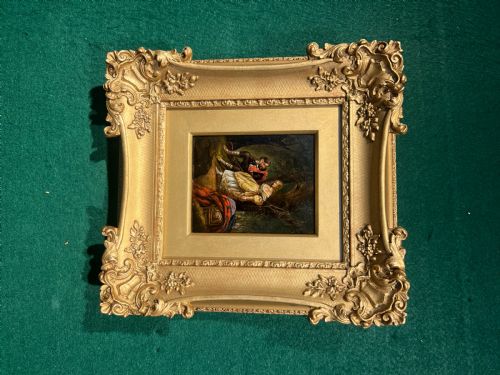
Frames play an integral structural and aesthetic role, frequently constructed from wood with applied gesso and finished in gold leaf or giltwood. These traditional mounting techniques protect the pigments while complementing the dramatic visual weight of the paintings.
Framing materials recorded in the evidence include traditional gesso and gold leaf applied to wood.
What varies in quality
Quality rests in the confidence of the brushwork and the artist's ability to manipulate light and atmosphere across the canvas. Stronger compositions reveal a deliberate handling of depth, guiding the viewer through the landscape or narrative with clarity.
The preservation of the original paint surface and the integrity of the support material distinguish finer examples from standard works. Additionally, the craftsmanship of the period frame often indicates the original investment in the artwork's presentation.
Eugène Verboeckhoven·Dumini Leopoldo·Francisco José de GOYA y Lucientes·J. M. W. Turner·WILLIAM ETTY·Carl Johan Fahlcrantz·George Hilditch·Johannes Philippus Galjaard·Eugene Joseph Verboeckhoven·Augustus Jules Bouvier·William Collins RA·Karel Frans Philippeau·Ludwig Hermann·John Frederick Tennant·Peter de Wint
The Romanticism Fine Art Glossary
- Oil on canvas
- Pigments bound in a drying oil, typically linseed, applied to a woven fabric support. This combination allows for rich colour blending and textured application.
- Giltwood
- Wood carved and coated with gold leaf or metallic powder. It provides a reflective, ornate border that enhances the theatricality of nineteenth-century canvases.
- Gesso
- A paint mixture consisting of a binder mixed with chalk, pigment, or plaster. It is applied to wooden panels or canvases to create a smooth, absorbent surface for oil paint.
- Manner of
- An attribution indicating that an artwork is executed in the style of a specific master without being an autograph work by that artist. It reflects the widespread influence of prominent painters within a school.
- Watercolour
- Paint consisting of colour pigments suspended in a water-soluble vehicle. It produces translucent washes that rely on the reflective quality of the underlying paper.
Romanticism Fine Art: Frequently Asked Questions
What defines romanticism fine art?
Romanticism fine art centres on emotional intensity, individualism, and the awe-inspiring power of nature. Works from this movement often feature dramatic lighting, sweeping landscapes, and expressive brushwork.
Subjects frequently include turbulent seas, pastoral gatherings, and monumental ruins. The movement emerged as a reaction against the scientific rationalism of the Enlightenment.
How should I hang nineteenth-century paintings?
Hang these oil paintings away from direct sunlight and steady heat sources to protect the canvas and pigments. Stable indoor humidity prevents the wooden stretchers and panels from warping.
Ensure the wall fixings can support the combined weight of the heavy giltwood frames. Proper placement highlights the depth and lighting of the composition.
How do I identify the period of a painting?
Examine the canvas preparation, stretcher construction, and the ageing of the oil paint layer. Pigment analysis and canvas types often provide clues to the decade of creation.
Artist signatures, inscriptions on the reverse, and the style of the frame offer further chronological context. Comparative study with documented works by the same school helps confirm the date.
What is an oil study?
An oil study is a preliminary painting executed to capture light, colour, or composition before starting a larger finished work. Artists used these quick studies to record transient atmospheric effects.
Today, collectors value these pieces for their spontaneous brushwork and direct glimpse into the artist's creative process. They often possess a modern immediacy compared to highly finished salon paintings.
Are these works original paintings?
The selections on this page consist of original hand-painted works in oil or watercolour created during the nineteenth and twentieth centuries. Each piece displays unique brush marks and pigment application specific to the individual artist.
Works attributed to the manner of an artist reflect historical painting traditions rather than modern reproductions. Physical inspection reveals the distinct texture of the paint surface and support.